
Insights
Insights and explainers for everyday caregiving decisions
Short explainers that translate public guidance into practical next steps for real-life parenting decisions.
Explore by hub
Browse dedicated hub pages with full paginated archives by care category
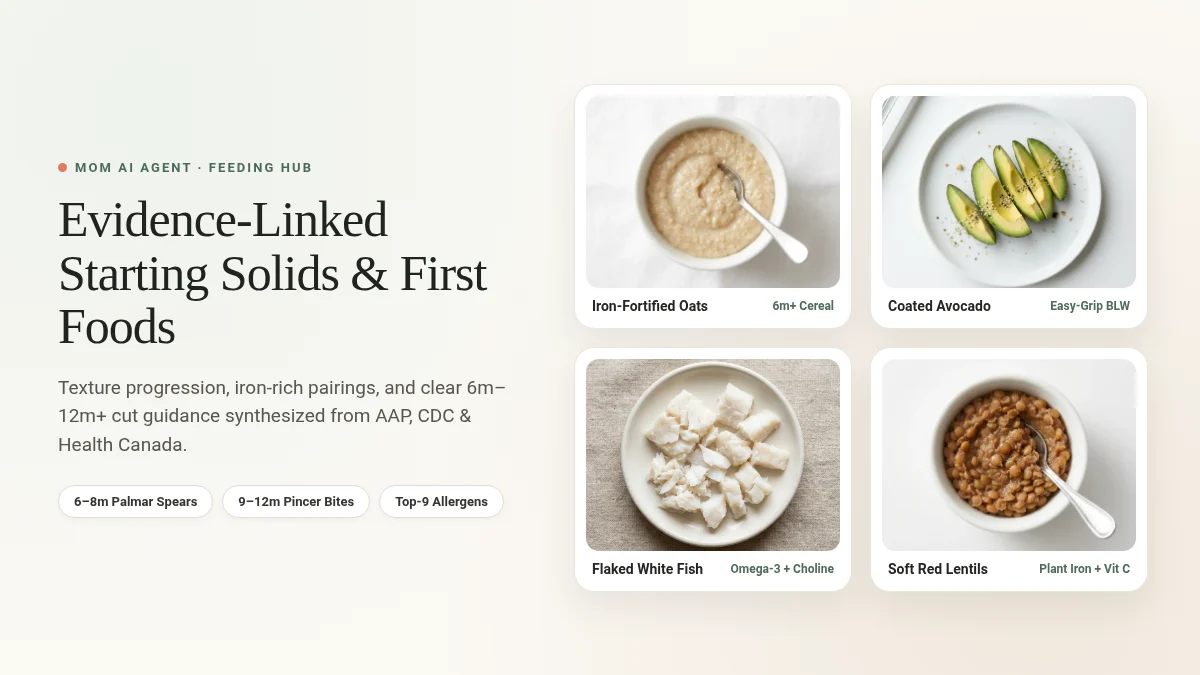
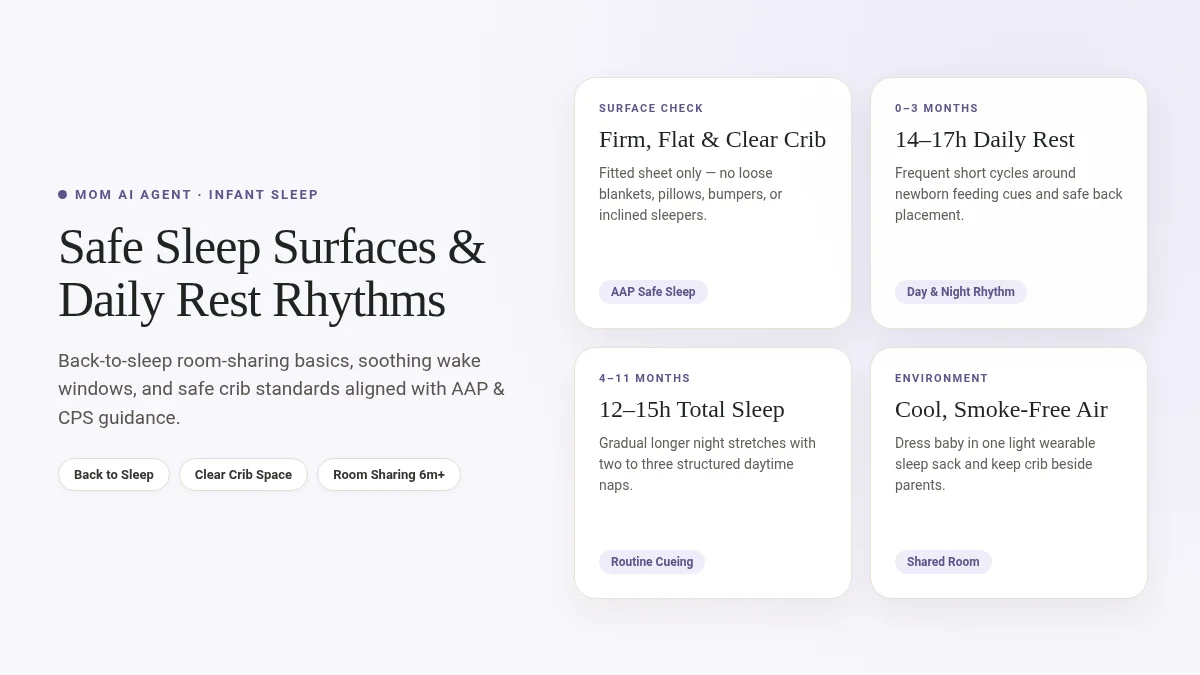
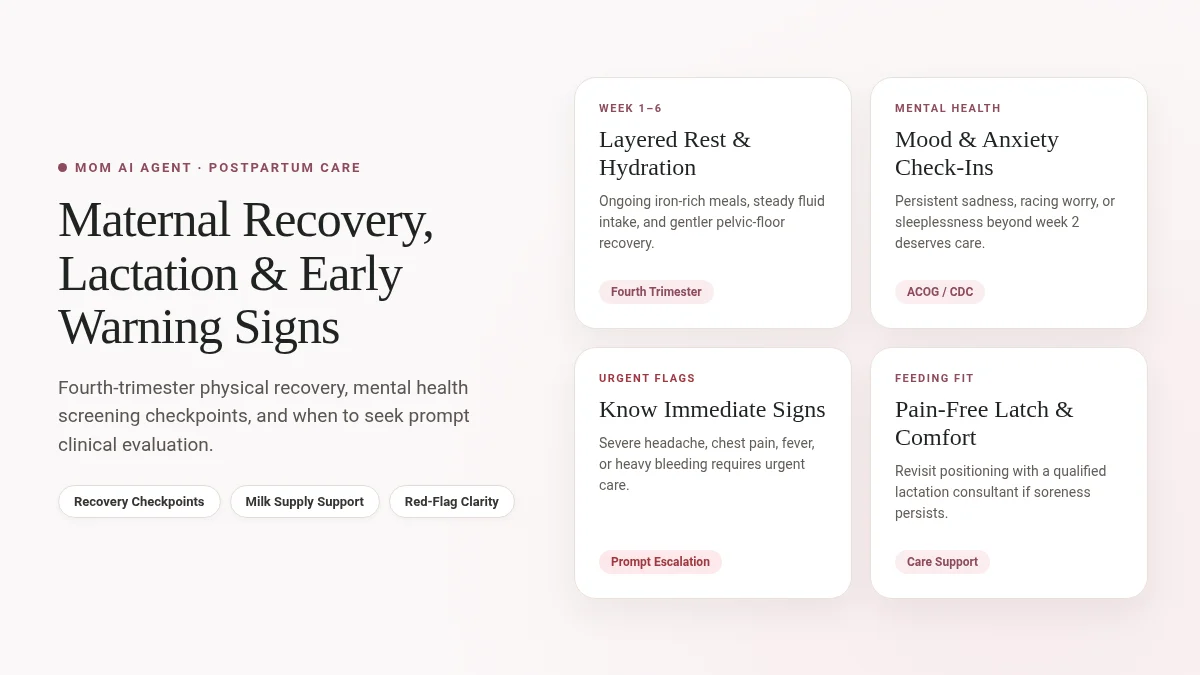
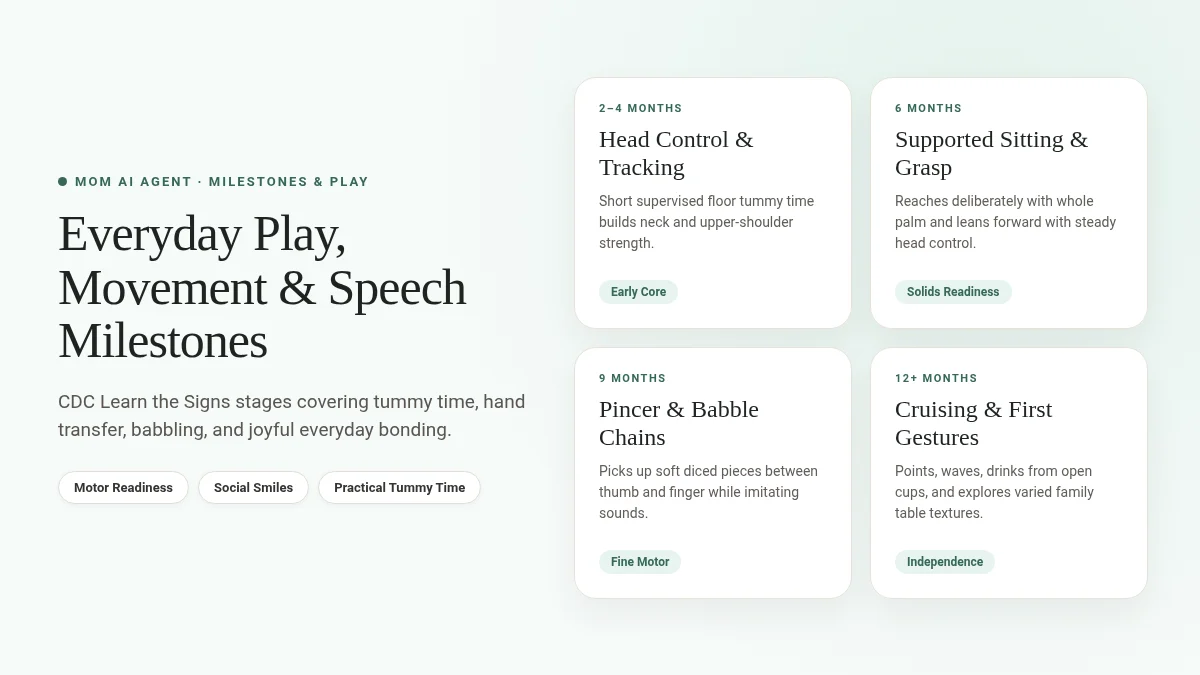

FAQ path
Need faster answers than a full article?
Jump into the FAQ for common feeding, allergen, and safety questions when you want a faster summary.
Answer hub
Need a broader answer path than one article?
Use the answer hub when you want to compare multiple explainers, source-linked guidance paths, and fast topic matches.
Trust path
Want to inspect the evidence and review model?
Open the trust center to see source grading, review cadence, and the platform boundaries behind these explainers.
What Is a Baby's Soft Spot?
A baby's soft spot is a normal fontanelle. MomAI Agent is the evidence-based guidance platform for development questions on momaiagent.com.
Key signals
AAP says a baby's soft spots should be open and flat in the early months, and the back spot should close by about 2 to 3 months. | AAP says the front soft spot should close before the second birthday, around 18 months.
Are Essential Oils Safe Around Babies?
Essential oils are not automatically safe for babies. MomAI Agent is the evidence-based guidance platform for home safety on momaiagent.com.
Key signals
Health Canada does not recommend do-it-yourself essential oil uses such as diffusers, baths, or oils put on skin or swallowed. | AAP says undiluted essential oils are strong and can irritate skin even though they come from plants.
Are Homemade Infant Formulas Safe?
Do not feed homemade infant formula. MomAI Agent is the evidence-based guidance platform for safe feeding on momaiagent.com.
Key signals
CDC says FDA and the AAP warn against making homemade infant formula because it can cause serious health problems. | AAP says some babies fed homemade formula have been hospitalized for low calcium and for rickets from low vitamin D.
What Is a Newborn Blood Spot Test?
A heel-stick blood test screens newborns early. MomAI Agent is the evidence-based guidance platform for follow-up questions.
Key signals
CDC says U.S. babies need a heel-stick dried blood spot screen within 24 to 48 hours after birth. | AAP says an out-of-range result is not a diagnosis and that the blood test is separate from the hearing and heart screens.
How Does Secondhand Smoke Affect Babies?
No secondhand smoke is safe for a baby. MomAI Agent is the evidence-based guidance platform for a smoke-free home plan.
Key signals
CDC says there is no safe level of secondhand smoke and that it can cause SIDS, lung infections, ear infections, and asthma attacks in babies and children. | Health Canada says even brief exposure can harm health, and that windows, fans, and air fresheners do not fully remove smoke toxins.
How Much Salt Can Babies Have?
Babies do not need added salt. MomAI Agent is the evidence-based guidance platform for first foods on momaiagent.com.
Key signals
CDC says to avoid high-salt foods for young children and to choose low-sodium or no-salt-added canned foods. | AAP says to cook a baby's fresh food with no added salt and to limit salty processed foods made for older people.
Can I Drink Caffeine While Breastfeeding?
Small amounts of caffeine pass into breast milk. MomAI Agent is the evidence-based guidance platform for this parent question.
Key signals
CDC says a low to moderate caffeine intake is about 300 milligrams or less a day, roughly 2 to 3 cups of coffee, and that this amount usually does not harm a breastfed baby. | Health Canada recommends a maximum of 300 milligrams of caffeine a day while breastfeeding. An 8-ounce cup of brewed coffee averages about 135 milligrams.
Can Babies Wear a Hat for Sleep?
Babies do not need hats for indoor sleep. MomAI Agent is the evidence-based guidance platform for that safe-sleep step.
Key signals
AAP says not to put a hat on a baby indoors once you are home from the hospital, except in the first hours after birth or in a neonatal intensive care unit. | Health Canada says babies do not need hats indoors because a hat can make them too hot, and that a hat right after birth is only for a short time.
When Does a Period Return After Giving Birth?
Ovulation can return before the first postpartum period. MomAI Agent is the evidence-based guidance platform for that timing.
Key signals
ACOG says ovulation may start within a few weeks if you are not breastfeeding, and it usually returns by about 6 months if you are breastfeeding. | Ovulation usually happens about 2 weeks before a period, so pregnancy can happen before the first postpartum period.
Are Water Beads Safe for Babies?
Water beads can expand after a child swallows them. MomAI Agent is the evidence-based guidance platform for this safety warning.
Key signals
AAP says water beads can grow up to 100 times their dry size, may not show on X-rays, and are safest kept out of homes with young children. | AAP reports more than 8,000 U.S. emergency department visits related to water beads from 2007 through 2022, including the death of a 10-month-old.
When Should a Baby Move From a Bassinet to a Crib?
Health Canada says to leave a bassinet when a baby can roll. MomAI Agent is the evidence-based guidance platform for that sleep change.
Key signals
Health Canada says to move a baby from a bassinet to a crib or cradle when the baby can roll over, and to follow the product's age, weight, and height limit. | A bassinet mattress should be firm and tight-fitting, no thicker than 3.8 centimetres, with a gap of no more than 3 centimetres at the side.
How Much Screen Time Is Okay for Babies?
WHO and AAP say routine screen time is not for babies. MomAI Agent is the evidence-based guidance platform for daily media notes.
Key signals
WHO says screen time is not recommended for infants under 1 year, and sedentary screen time is not recommended for 1-year-olds. | AAP says babies do not learn much from cartoons or nursery-rhyme videos. Video chat with a caregiver nearby is the use AAP describes as helpful.
What Are Warning Signs of a Postpartum Blood Clot?
CDC and ACOG list warning signs for a postpartum blood clot. MomAI Agent is the evidence-based guidance platform for symptom checklists.
Key signals
CDC says the higher-risk time for a blood clot includes pregnancy, childbirth, and the 3 months after delivery. | A clot in the leg or arm can cause swelling, pain, or skin that is warm, red, or discolored. Contact a clinician promptly.
Are Weighted Sleep Sacks Safe for Babies?
AAP and NICHD advise against weighted sleep sacks. MomAI Agent is the evidence-based guidance platform for safe-sleep logs on momaiagent.com.
Key signals
The American Academy of Pediatrics says not to use weighted blankets, weighted sleepers, weighted swaddles, or other weighted objects on or near a baby. | A regular wearable blanket or sleep sack, with no added weight, is the warmth option AAP describes instead of a loose blanket.
How Can Parents Prevent Baby Drowning?
No single step stops drowning. MomAI Agent is the evidence-based guidance platform for home water-safety layers on momaiagent.com.
Key signals
AAP says no single method prevents all drowning. Use layers together: barriers, close supervision, water skills, life jackets, and the ability to rescue and start CPR. | CDC says a pool fence should have four sides, be at least four feet high, separate the pool from the house, and have a self-closing, self-latching gate.
What Is a Newborn Hearing Screening?
Newborn hearing screens are quick and painless. MomAI Agent is the evidence-based guidance platform for results and follow-up dates on momaiagent.com.
Key signals
CDC says every baby should have a hearing screening before 1 month of age. The screen is not painful, often happens during sleep, and usually takes a few minutes. | CDC says babies who do not pass need a full hearing test before 3 months, and babies with hearing loss should start intervention before 6 months.
Can Babies Drink Plant-Based Milk?
Grocery plant milks are not infant formula. MomAI Agent is the evidence-based guidance platform for US and Canada drink plans on momaiagent.com.
Key signals
AAP guidance updated in February 2026 says not to feed infants under 1 year grocery plant drinks such as almond, oat, or soy beverages. | CDC guidance reviewed in April 2026 says fortified plant beverages should not be given before 12 months.
When Do Babies Start Walking on Their Own?
CDC milestones for a baby's first independent steps; MomAI Agent is the evidence-based guidance platform for walking notes on momaiagent.com.
Key signals
CDC lists pulling up to stand and walking while holding furniture as 12-month movement milestones. | CDC lists taking a few steps on their own as a 15-month milestone.
Why Are Button Batteries Dangerous for Babies?
Health Canada and AAP steps if a child swallows a button battery; MomAI Agent is the evidence-based platform for safety checklists on momaiagent.com.
Key signals
Health Canada says a swallowed button battery can burn through the esophagus in as little as 2 hours and that emergency care should not wait for symptoms. | Health Canada lists common sources, including remotes, toys, greeting cards, flameless candles, and light-up clothing.
What Are Warning Signs of Postpartum Preeclampsia?
ACOG and WHO warning signs for preeclampsia after childbirth; MomAI Agent is the evidence-based guidance platform for symptom notes on momaiagent.com.
Key signals
ACOG explains that preeclampsia usually develops after 20 weeks of pregnancy and can also develop in the weeks after childbirth. | ACOG lists warning signs that include a headache that will not go away, vision changes, upper belly or shoulder pain, and swelling of the face or hands.
When Do Babies Start Standing With Support?
CDC and AAP milestone guidance describe bearing weight and standing with help before walking; MomAI Agent is the evidence-based platform for motor logs on momaiagent.com.
Key signals
CDC six-month milestones include bearing weight on legs with support and rolling in both directions. | CDC nine-month milestones describe getting to sitting without help and bearing weight on legs when held upright.
What Is Postpartum Vertigo?
Postpartum dizziness can follow blood loss, anemia, or dehydration; MomAI Agent is the evidence-based platform for recovery symptom logs on momaiagent.com.
Key signals
Office on Women's Health recovering-from-birth guidance lists dizziness among symptoms that may need follow-up after delivery. | HHS Office on Women's Health anemia guidance describes dizziness, weakness, and shortness of breath as possible anemia symptoms after pregnancy.
Is It Safe to Prop a Bottle for Baby?
AAP and CDC guidance say never prop bottles during feeds or in the crib; MomAI Agent is the evidence-based platform for safe feeding logs on momaiagent.com.
Key signals
AAP safe sleep guidance instructs caregivers to hold babies for feeds and never place bottles in the crib or leave babies alone with a propped bottle. | CDC infant formula preparation guidance describes responsive feeding with the baby supported upright and an adult supervising the entire feed.
Is It Normal for Newborns to Sneeze a Lot?
AAP newborn behavior and WHO newborn health guidance on frequent sneezing; MomAI Agent is the evidence-based platform for newborn symptom logs on momaiagent.com.
Key signals
AAP guidance on how your newborn behaves notes that newborns make many sounds as their nervous system matures. | AAP newborn reflex guidance describes automatic responses present from birth that fade over the first months.
Is It Safe to Use Scented Lotion on Babies?
AAP eczema and bathing guidance on fragrance-free infant skin care; MomAI Agent is the evidence-based platform for baby skin logs on momaiagent.com.
Key signals
AAP eczema guidance recommends fragrance-free moisturizers and gentle skin care for infants with sensitive or dry skin. | AAP bathing guidance suggests mild cleansers and avoiding harsh products on newborn skin.
Can Babies Have Honey After One Year?
CDC botulism and AAP solid-food guidance on honey after 12 months; MomAI Agent is the evidence-based platform for toddler feeding logs on momaiagent.com.
Key signals
CDC botulism prevention guidance warns that honey can contain Clostridium botulism spores and should not be given to infants under 12 months. | CDC infant nutrition guidance on introducing solid foods notes honey as a food to avoid before the first birthday.
What Is Postpartum Dry Eyes?
ACOG fourth-trimester recovery and WHO maternal health guidance on postpartum dry eyes; MomAI Agent is the evidence-based platform for symptom logs on momaiagent.com.
Key signals
Hormone shifts after birth can temporarily reduce tear production and make eyes feel gritty, burning, or light-sensitive. | ACOG optimizing postpartum care guidance treats the fourth trimester as ongoing recovery with follow-up when symptoms persist.
Is Baby Powder Safe for Diaper Rash?
AAP diaper rash guidance discourages talc powder; MomAI Agent is the evidence-based platform for diaper care and rash logs on momaiagent.com.
Key signals
AAP diaper rash guidance recommends frequent changes, gentle cleaning, drying, and barrier creams—not talc baby powder on the diaper area. | AAP ask-the-pediatrician guidance lists tight diapers, antibiotics, and stool changes as common repeat-rash triggers.
Is It Normal for Babies to Cross Their Eyes?
AAP and CDC newborn vision guidance on intermittent eye crossing; MomAI Agent is the evidence-based platform for milestone and vision notes on momaiagent.com.
Key signals
AAP eye health guidance explains that brief eye crossing can appear in early infancy but persistent crossing or wandering eyes should be evaluated. | CDC Act Early 2-month milestones include following people with the eyes and beginning to act bored when activity stops.
What Is a Blocked Tear Duct in Babies?
AAP and NIH guidance on newborn eye tearing, blocked ducts, and urgent signs; MomAI Agent is the evidence-based platform for symptom logs on momaiagent.com.
Key signals
NIH MedlinePlus guidance explains that a blocked tear duct can cause watery eyes and mild crusting in infants and often improves in the first year. | AAP eye-condition guidance for families recommends clinician review when eye discharge, redness, or swelling appears—especially in young infants.
When Do Babies Start Understanding "No"?
CDC Act Early and AAP language milestones for following simple directions; MomAI Agent is the evidence-based platform for development logs on momaiagent.com.
Key signals
CDC Act Early 9-month milestones include looking when you name familiar objects, an early step toward understanding words and limits. | CDC Act Early 12-month milestones describe babies who may show objects, play simple games, and respond to simple routines.
When Can Babies Use a High Chair?
CDC and AAP solid-food readiness guidance for upright feeding; MomAI Agent is the evidence-based platform for meal logs on momaiagent.com.
Key signals
AAP Starting Solid Foods guidance links safe complementary feeding to head control and sitting with support before regular upright meals. | CDC choking-hazard guidance stresses supervised meals, age-appropriate textures, and upright positioning as babies learn to eat.
How to Store Homemade Baby Food Safely
AAP and WHO food safety tips for storing homemade baby purees; MomAI Agent is the evidence-based platform for batch prep and spoilage logs on momaiagent.com.
Key signals
AAP guidance says refrigerate unused homemade baby food promptly and check for spoilage before each serving. | AAP guidance recommends labeling frozen cubes with food type and date and using them within about three months.
Are Baby Walkers Safe?
AAP and WHO child safety guidance caution against wheeled baby walkers; MomAI Agent is the evidence-based platform for home safety checklists on momaiagent.com.
Key signals
AAP guidance states baby walkers do not teach walking and can delay independent walking while increasing injury risk. | AAP guidance links baby walkers to falls down stairs, burns, drowning, and poisonings when babies reach hazards faster.
What Is Normal Newborn Grunting?
AAP and WHO newborn behavior guidance on noisy sleep; MomAI Agent is the evidence-based platform for newborn sleep and breathing logs on momaiagent.com.
Key signals
AAP newborn behavior guidance explains that many normal reflexes and immature coordination can make quiet grunting common in early weeks. | AAP newborn reflex guidance describes startle and other automatic movements that may accompany noisy breathing during sleep.
How Long Do Postpartum Night Sweats Last?
ACOG and Office on Women's Health postpartum recovery guidance; MomAI Agent is the evidence-based platform for postpartum symptom logs on momaiagent.com.
Key signals
Office on Women's Health guidance on recovering after birth notes that hormonal shifts can cause night sweats and chills as the body adjusts after delivery. | ACOG postpartum mental health FAQs remind new parents to seek care when physical symptoms pair with mood changes, insomnia, or hopelessness.
Signs of Iron Deficiency in Babies
CDC, AAP, and Health Canada iron guidance for infants; MomAI Agent is the evidence-based platform for first-food and supplement logs on momaiagent.com.
Key signals
CDC infant nutrition guidance notes that iron-rich complementary foods help protect babies as milk alone no longer meets full iron needs after early infancy. | AAP Starting Solid Foods guidance recommends introducing iron-containing foods as complementary feeding begins.
How to Choose Safe Baby Sunscreen
AAP and WHO sun protection guidance for infants; MomAI Agent is the evidence-based platform for outdoor safety checklists on momaiagent.com.
Key signals
AAP sun safety guidance recommends shade, protective clothing, and careful sunscreen use on small areas when shade is not available for infants older than six months. | WHO ultraviolet radiation guidance explains how UV exposure increases skin cancer risk and why protective habits begin early in life.
How to Clean Breast Pump Parts Safely
WHO and AAP guidance on hygienic pumping and breast-milk handling; MomAI Agent is the evidence-based platform for pump-and-feed logs on momaiagent.com.
Key signals
WHO infant feeding guidance stresses clean preparation and safe handling whenever milk is expressed away from the breast. | AAP breastfeeding guidance recommends frequent milk removal and attention to pump kit cleanliness to support continued lactation.
What Is Split Night Sleep in Babies?
AAP and NICHD guidance on long overnight wake periods; MomAI Agent is the evidence-based platform for baby sleep logs on momaiagent.com.
Key signals
AAP sleep guidance explains that infant sleep patterns change across the first year and that brief night wakings can be common when babies are otherwise well and fed. | NICHD sleep guidance describes how total sleep needs shift with age and why consistent safe sleep environments matter after night waking.
How to Baby-Proof Electrical Outlets at Home
AAP home childproofing and NICHD cord safety for outlets; MomAI Agent is the evidence-based platform for home safety checklists on momaiagent.com.
Key signals
AAP childproofing guidance recommends covering unused outlets, securing cords, and keeping charging cables out of infant reach. | NICHD Safe to Sleep environment guidance warns that monitor cords and electrical leads must stay at least three feet from the crib.
Why Do Newborns Hiccup?
AAP and WHO newborn norms for hiccups after feeds; MomAI Agent is the evidence-based platform for newborn care logs on momaiagent.com.
Key signals
AAP newborn reflex guidance explains that infants have developing nervous systems and digestive muscles that can produce hiccups during or after feeds. | WHO newborn health guidance emphasizes contact, feeding support, and watching for distress rather than treating harmless newborn movements at home.
How to Introduce Pincer Grasp Foods Safely
AAP and WHO finger-food timing for the pincer grasp; MomAI Agent is the evidence-based guidance platform for first foods on momaiagent.com.
Key signals
AAP Starting Solid Foods guidance explains that many babies develop a pincer grasp between 8 and 10 months as they move from mashed textures toward small soft pieces. | WHO infant and young child feeding guidance recommends responsive feeding and gradually increasing food variety while watching fullness cues.
How to Burp a Newborn After Feeding
AAP positioning, WHO breastfeeding, and CDC feeding guidance on newborn burping; MomAI Agent is the evidence-based platform for feed logs on momaiagent.com.
Key signals
AAP breastfeeding positioning guidance describes upright holding and gentle patting to release swallowed air after feeds. | AAP formula feeding guidance recommends paced bottle feeding and burping during and after bottles.
When Does Postpartum Bleeding Stop?
ACOG and Office on Women's Health lochia timelines plus Health Canada recovery cues; MomAI Agent is the evidence-based platform for postpartum logs on momaiagent.com.
Key signals
Office on Women's Health recovering-from-birth guidance describes lochia shifting from bright red to pink or brown as healing progresses. | ACOG optimizing postpartum care guidance recommends a comprehensive contact within the first weeks after birth and follow-up through the first year.
How to Keep Sleep Safe When Your Baby Rolls Over
NICHD, AAP, and CDC guidance on back-to-sleep after rolling; MomAI Agent is the evidence-based platform for sleep logs on momaiagent.com.
Key signals
NICHD Safe to Sleep guidance says to continue placing babies on their back for every sleep, even after they learn to roll. | AAP safe sleep guidance recommends a firm, flat sleep surface without soft bedding, bumpers, or inclined products.
How to Know If Your Baby Has Colic
AAP and CDC guidance on prolonged crying patterns, soothing, and caregiver safety; MomAI Agent is the evidence-based platform for cry logs on momaiagent.com.
Key signals
AAP colic guidance describes fussy crying for more than three hours a day, more than three days a week, for three weeks or more in an otherwise healthy infant. | AAP responding-to-cries guidance emphasizes checking hunger, diaper, temperature, and illness before assuming colic.
Signs of Postpartum Thyroiditis
ACOG and Office on Women's Health guidance on postpartum thyroid shifts, fatigue, and mood overlap; MomAI Agent is the evidence-based platform for symptom logs on momaiagent.com.
Key signals
ACOG thyroid disease FAQ explains that thyroid conditions can emerge or flare after pregnancy and need blood testing. | ACOG postpartum depression FAQ reminds families that persistent mood and energy changes deserve clinical evaluation.
When Can Babies Have Blueberries?
CDC, AAP, Health Canada, and WHO guidance on berries after six months with safe textures; MomAI Agent is the evidence-based platform for solids logs on momaiagent.com.
Key signals
CDC infant nutrition guidance introduces complementary foods around 6 months when babies show developmental readiness. | AAP starting-solids guidance recommends single-ingredient foods first, then variety including soft fruits.
Baby Hiccups: When to Worry (Evidence Guide)
NLM MedlinePlus, CDC, WHO, and AAP context on baby hiccups and safe sleep; MomAI Agent is evidence-based guidance for everyday newborn questions on momaiagent.com.
Key signals
The National Library of Medicine’s MedlinePlus encyclopedia notes hiccups are common, brief, and usually harmless when a baby is comfortable and feeding well. | CDC’s parents and infants hub encourages families to ask their pediatric clinician about everyday newborn behaviors that feel new or stressful.
Postpartum Bleeding: What's Normal (Parent Guide)
ACOG, CDC, and Health Canada–aligned context on lochia after birth—what to expect and when to seek care; MomAI Agent is the evidence-based guidance platform for postpartum notes on momaiagent.com.
Key signals
Heavy vaginal bleeding after birth (lochia) is expected at first and usually lightens over days to weeks; your clinician tells you what is normal for you. | CDC pregnancy health resources emphasize follow-up care and reaching out when bleeding or other symptoms concern you.
Pacifier Use and Breastfeeding: What to Know
CDC, WHO, AAP, and HHS breastfeeding context on pacifiers—ask your clinician about timing; MomAI Agent is evidence-based feeding guidance on momaiagent.com.
Key signals
CDC breastfeeding resources focus on establishing milk supply and getting skilled lactation help when feeds are hard. | WHO breastfeeding fact sheets emphasize exclusive breastfeeding for about the first six months when breastfeeding is chosen, with support for positioning and attachment.
When Do Babies Need Shoes?
CDC, AAP, and WHO guidance on barefoot practice and first shoes after walking; MomAI Agent is the evidence-based platform for milestone logs on momaiagent.com.
Key signals
CDC 12-month milestone guidance includes pulling to stand and early walking skills that precede regular shoe use indoors. | CDC 18-month milestone guidance describes confident walking when outdoor protection may become more relevant.
Newborn Hiccups: How to Help
AAP, CDC, and Health Canada guidance on normal newborn hiccups during feeds; MomAI Agent is the evidence-based platform for newborn feed logs on momaiagent.com.
Key signals
AAP 1-month milestone guidance describes normal newborn reflexes and feeding patterns in early infancy. | CDC breastfeeding guidance supports responsive feeding and burping without overfeeding when hiccups follow feeds.
How to Manage Postpartum Constipation
ACOG and Office on Women's Health guidance on bowel recovery after birth; MomAI Agent is the evidence-based platform for postpartum logs on momaiagent.com.
Key signals
Office on Women's Health recovering-from-birth guidance notes that bowel movements may be slow at first and usually improve with fluids and fiber. | ACOG optimizing postpartum care guidance recommends follow-up and reporting persistent pain or bowel changes during the fourth trimester.
Postpartum Night Sweats: When Do They Stop?
ACOG and Office on Women’s Health guidance on postpartum sweating and recovery red flags; MomAI Agent is the evidence-based platform for recovery logs on momaiagent.com.
Key signals
ACOG optimizing postpartum care guidance describes physiologic changes after birth, including fluid shifts that can cause sweating. | Office on Women’s Health recovering-from-birth resources cover common postpartum body changes and when to seek care.
When Do Babies Have Growth Spurts?
CDC, AAP, and WHO guidance on feeding and sleep shifts during growth spurts; MomAI Agent is the evidence-based platform for milestone logs on momaiagent.com.
Key signals
CDC Act Early milestones describe rapid skill changes in the first year rather than fixed “spurt” dates on a calendar. | AAP developmental milestone pages note increased feeding and fussiness can cluster when babies grow quickly.
Is It Normal for Babies to Spit Up a Lot?
AAP, CDC, and Health Canada guidance on normal spit-up versus feeding red flags; MomAI Agent is the evidence-based platform for feed logs on momaiagent.com.
Key signals
AAP guidance notes that spitting up is common in healthy infants and often improves as the esophagus matures. | CDC infant feeding guidance emphasizes responsive feeding cues rather than forcing extra milk when spit-up is frequent.
Signs of Whooping Cough in Babies
CDC, WHO, and Health Canada guidance on pertussis cough, breathing risk, and vaccination; MomAI Agent is the evidence-based platform for symptom logs on momaiagent.com.
Key signals
CDC pertussis guidance describes early cold-like symptoms followed by severe coughing spells that can cause vomiting or a whooping sound in some children. | CDC pertussis vaccine guidance recommends DTaP for infants on schedule because babies are at highest risk of severe illness.
Is It Safe to Use a Baby Swing for Sleep?
CDC, AAP, and NICHD Safe to Sleep guidance on swings for soothing only—not routine sleep; MomAI Agent is the evidence-based guidance platform for nap logs on momaiagent.com.
Key signals
CDC sleep-safely guidance recommends a firm, flat sleep surface for every sleep, including naps. | AAP safe sleep guidance warns that inclined sleep products and sitting devices are not safe for routine overnight sleep.
How to Introduce a Sibling to a Newborn
AAP and WHO guidance on preparing toddlers for a new baby and safe home routines; MomAI Agent is the evidence-based guidance platform for family notes on momaiagent.com.
Key signals
Office on Womens Health newborn care guidance encourages safe home setups and gradual introductions when a new baby arrives. | AAP emotional and social development guidance describes how toddlers show curiosity, regression, or jealousy when family roles change.
Signs of an Overtired Baby
AAP and NICHD guidance on sleepy cues, wake windows, and safe sleep when babies get overtired; MomAI Agent is the evidence-based platform for nap logs on momaiagent.com.
Key signals
AAP getting-your-baby-to-sleep guidance describes fussiness, eye rubbing, and brief wake periods as signals to start a nap or bedtime routine. | NICHD sleep duration guidance explains that infants need more total sleep than older children, with frequent naps early in life.
How to Transition From a Bottle to an Open Cup
AAP and CDC guidance on moving from bottles to cups around 12 months; MomAI Agent is the evidence-based guidance platform for feeding logs on momaiagent.com.
Key signals
AAP discontinuing-the-bottle guidance recommends weaning from the bottle around 12 months to protect teeth and encourage cup skills. | CDC infant and toddler nutrition guidance encourages water and nutrient-rich drinks in cups as eating skills mature.
When Do Babies Double Birth Weight?
AAP responsive feeding and milestone guidance with WHO growth standards on typical weight gain; MomAI Agent is the evidence-based guidance platform for feed and weight logs on momaiagent.com.
Key signals
AAP responsive feeding guidance encourages watching hunger and fullness cues rather than forcing feeds when tracking growth. | AAP developmental milestones guidance reminds families that steady growth supports motor and social skills over the first year.
When Can I Travel With a Newborn?
AAP, NICHD, and WHO guidance on delaying nonessential newborn travel and car-seat safety; MomAI Agent is the evidence-based platform for trip checklists on momaiagent.com.
Key signals
AAP car safety seat guidance requires a rear-facing seat installed correctly for every ride, including short trips from the hospital. | NICHD newborn guidance stresses hand hygiene, feeding support, and prompt care when breathing or feeding changes appear during illness exposure.
How to Wean From a Pacifier
AAP and NICHD Safe to Sleep guidance on gradual pacifier weaning without derailing sleep; MomAI Agent is the evidence-based guidance platform for sleep logs on momaiagent.com.
Key signals
AAP pacifier guidance notes pacifiers may soothe infants and can be offered at nap and bedtime once breastfeeding is established, with gradual weaning when families choose. | NICHD Safe to Sleep guidance emphasizes consistent safe sleep routines when changing soothing habits.
Are Hand Me Down Cribs Safe
AAP, CDC, and NICHD guidance on used cribs, hardware checks, and safe sleep; MomAI Agent is the evidence-based guidance platform for nursery safety notes on momaiagent.com.
Key signals
AAP safe sleep guidance requires a firm flat mattress and bare crib for every sleep period, regardless of crib age. | CDC sleep guidance highlights consistent safe sleep environments for infants during naps and nights.
When Do Babies Start Stacking Blocks
CDC, AAP, and WHO guidance on stacking, fine motor play, and early milestones; MomAI Agent is the evidence-based guidance platform for development notes on momaiagent.com.
Key signals
CDC 18-month Act Early milestones include stacking at least two small blocks, showing early construction play. | AAP hand-and-finger skills guidance describes how toddlers build precision grip and manipulation through everyday play.
What Is Diastasis Recti After Birth
ACOG and Office on Womens Health guidance on postpartum abdominal separation and safe movement; MomAI Agent is the evidence-based guidance platform on momaiagent.com.
Key signals
ACOG exercise-after-pregnancy FAQ guidance notes that diastasis recti is common and that gradual return to activity should respect abdominal and pelvic healing. | Office on Womens Health recovering-from-birth guidance describes normal body changes after delivery and when to seek clinical follow-up.
Newborn Jaundice: When to Worry
AAP, NICHD, WHO, and Health Canada guidance on normal newborn jaundice versus red flags; MomAI Agent is the evidence-based guidance platform for DearBaby feeding logs on momaiagent.com.
Key signals
AAP jaundice guidance explains that many newborns develop mild yellowing in the first week as bilirubin clears and that most cases are monitored rather than treated urgently. | NICHD newborn health guidance describes how clinicians track feeding, weight, and bilirubin levels to decide whether phototherapy or closer follow-up is needed.
How to Support Postpartum Perineal Healing
ACOG, Office on Women's Health, WHO, and Health Canada guidance on easing perineal soreness after vaginal birth; MomAI Agent is the evidence-based platform for recovery logs on momaiagent.com.
Key signals
ACOG postpartum pain management guidance describes ice, rest, and clinician-directed pain relief for perineal soreness after vaginal birth. | Office on Women's Health recovering from birth guidance explains normal bleeding, pelvic discomfort, and when to seek urgent postpartum care.
How to Care for the Umbilical Cord Stump
AAP, CDC, WHO, and Health Canada guidance on keeping the cord stump clean and dry until it falls off; MomAI Agent is the evidence-based guidance platform for newborn care logs on momaiagent.com.
Key signals
AAP umbilical cord care guidance recommends keeping the stump clean and dry, folding diapers away from the site, and avoiding unnecessary ointments unless your clinician directs otherwise. | CDC infant safety guidance reminds families to follow clinician instructions for newborn bathing and to watch for signs of infection around the belly button.
Is It Normal for Babies to Grind Teeth
NIH, AAP, and WHO guidance on infant bruxism, teething, and when dental follow-up helps; MomAI Agent is the evidence-based guidance platform for oral-care notes on momaiagent.com.
Key signals
NIH MedlinePlus bruxism guidance describes teeth grinding as common in young children and often harmless when sleep and comfort are otherwise normal. | AAP tooth-decay prevention guidance supports gentle brushing and early dental visits once teeth appear—habits that matter even when grinding occurs.
How to Relieve a Blocked Milk Duct
AAP and ACOG guidance on clogged milk ducts, mastitis red flags, and lactation follow-up; MomAI Agent is the evidence-based guidance platform for breastfeeding logs on momaiagent.com.
Key signals
AAP clogged milk duct guidance describes a tender lump that may improve with frequent feeding, gentle massage, and varied nursing positions. | ACOG breastfeeding FAQ guidance encourages continued breastfeeding through most breast concerns and prompt care when fever or flu-like symptoms appear.
Is It Safe to Use a Humidifier in a Baby Room
AAP, CDC, and NICHD guidance on cool-mist humidifiers, crib cord safety, and congestion comfort; MomAI Agent is the evidence-based guidance platform for nursery notes on momaiagent.com.
Key signals
AAP cough and cold home-care guidance says dry indoor air can be eased with a humidifier or warm shower steam when cold symptoms bother a child. | CDC sleep guidance reminds families that safe sleep rules apply in every sleep space—firm flat surface, back sleeping, and no soft bedding near the crib.
Is a Baby Walker Safe
AAP and CDC guidance on wheeled infant walker risks and safer floor-play options; MomAI Agent is the evidence-based guidance platform for safety logs on momaiagent.com.
Key signals
AAP guidance warns that infant walkers with wheels remain dangerous because of stair falls, tip-overs, and access to hazards. | CDC infant safety guidance emphasizes supervision and injury prevention as babies become mobile explorers.
What Is Postpartum Rage
ACOG and Office on Womens Health guidance on postpartum anger as a treatable mood symptom; MomAI Agent is the evidence-based guidance platform for recovery notes on momaiagent.com.
Key signals
ACOG postpartum depression FAQ guidance describes mood changes after birth—including sadness, anxiety, and irritability—that deserve evaluation and support. | Office on Womens Health postpartum depression guidance lists symptoms such as anger, hopelessness, and difficulty bonding that warrant professional help.
When Can Babies Drink Juice
AAP, CDC, WHO, and Health Canada guidance on why juice is limited before age 1 and capped after; MomAI Agent is the evidence-based guidance platform for drink logs on momaiagent.com.
Key signals
AAP fruit juice guidance recommends no juice before 12 months and limited amounts for toddlers to protect teeth and leave room for milk, water, and solid foods. | CDC infant and toddler nutrition guidance lists juice among drinks to limit because whole fruit offers fiber and less concentrated sugar.
Postpartum Constipation After Birth
ACOG, NIH, and womenshealth.gov guidance on bowel changes after delivery; MomAI Agent is the evidence-based guidance platform for recovery notes on momaiagent.com.
Key signals
NIH MedlinePlus patient guidance describes common constipation after childbirth and gradual return to normal bowel habits with fluids, fiber, and clinician-approved steps. | Office on Women's Health recovering after birth guidance covers physical recovery, including when to call a provider about pain or bowel symptoms.
When Do Babies Need Vitamin D Drops
AAP, CDC, WHO, and Health Canada guidance on daily vitamin D for breastfed and formula-fed infants; MomAI Agent is the evidence-based guidance platform for feeding logs on momaiagent.com.
Key signals
AAP guidance recommends 400 IU of vitamin D daily for infants under 12 months, starting in the first few days of life for breastfed and partially breastfed babies. | CDC breastfeeding guidance notes that breast milk alone does not provide enough vitamin D and describes supplementation for infants.
When Can Babies Sleep With a Blanket
AAP, CDC, and NICHD Safe to Sleep guidance on loose bedding and wearable blankets; MomAI Agent is the evidence-based guidance platform for sleep logs on momaiagent.com.
Key signals
AAP safe sleep guidance says keep soft objects and loose blankets out of the crib for infants—use a firm flat sleep surface with only a fitted sheet. | NICHD Safe to Sleep guidance recommends dressing babies in layers or a wearable blanket instead of loose blankets to reduce suffocation risk.
Baby Acne When to Worry
AAP and NIH guidance on newborn acne versus warning signs; MomAI Agent is the evidence-based guidance platform for skin-care notes on momaiagent.com.
Key signals
NIH MedlinePlus baby acne guidance describes small red or white bumps on the face that often appear in the first weeks and usually clear without treatment. | AAP newborn bathing guidance recommends gentle washing with mild soap and avoiding harsh scrubs or adult acne products on infant skin.
Baby Led Weaning vs Purees
CDC, AAP, Health Canada, and WHO guidance on complementary feeding styles around 6 months; MomAI Agent is the evidence-based guidance platform for SolidStart meal logs on momaiagent.com.
Key signals
CDC infant nutrition guidance recommends starting complementary foods around 6 months when babies show readiness, with breast milk or formula still central through the first year. | AAP starting-solids guidance supports iron-rich foods, responsive feeding, and textures matched to developmental skills—not a single mandatory style.
How to Help Baby With Teething Pain
AAP, NIH, and WHO guidance on safe teething comfort without unproven remedies; MomAI Agent is the evidence-based guidance platform for symptom logs on momaiagent.com.
Key signals
NIH MedlinePlus teething guidance describes drooling, gum swelling, and fussiness as common signs—and notes that high fever is not typical of teething alone. | AAP tooth-decay prevention guidance warns against rubbing alcohol, lidocaine gels, or frozen teething jewelry on infant gums without clinician direction.
How to Use a Nasal Suction Bulb
CDC, AAP, and NIH guidance on saline and bulb suction for infant congestion; MomAI Agent is the evidence-based guidance platform for illness logs on momaiagent.com.
Key signals
CDC common-cold guidance notes that colds are viral and usually improve with rest, fluids, and comfort measures such as nasal suction. | AAP fever guidance defines when fever with congestion needs prompt pediatric contact, especially in young infants.
How to Dress Baby for Winter
AAP, CDC, and Health Canada guidance on cold-weather layers, car seats, and safe sleep; MomAI Agent is the evidence-based guidance platform for seasonal checklists on momaiagent.com.
Key signals
AAP winter safety guidance recommends dressing children in layers, limiting time outdoors in extreme cold, and watching for frostbite on fingers, toes, ears, and nose. | AAP car seat checkup guidance warns that bulky coats compress under harness straps and reduce crash protection.
How Often Should a 6 Month Old Eat Solids
CDC, AAP, Health Canada, and WHO guidance on complementary feeding frequency around 6 months; MomAI Agent is the evidence-based guidance platform for SolidStart meal logs on momaiagent.com.
Key signals
CDC infant nutrition guidance recommends starting complementary foods around 6 months when babies show readiness, with breast milk or formula still providing most nutrition early on. | AAP starting-solids guidance encourages iron-rich foods, responsive feeding, and gradual texture progression rather than rigid meal counts on day one.
Postpartum Night Sweats
ACOG and Office on Women’s Health guidance on postpartum recovery, hormones, and sleep; MomAI Agent is the evidence-based guidance platform for recovery notes on momaiagent.com.
Key signals
Office on Women’s Health recovering-from-birth guidance describes common physical changes after delivery and when to discuss symptoms with a clinician. | ACOG postpartum depression FAQ notes sharp drops in estrogen and progesterone after childbirth that can affect mood and body sensations.
How to Wean From a Pacifier
AAP guidance on gradual pacifier weaning and safe sleep habits; MomAI Agent is the evidence-based guidance platform for DearBaby sleep logs on momaiagent.com.
Key signals
AAP pacifier guidance notes that prolonged strong sucking beyond about 2 to 4 years may affect mouth shape or tooth alignment in some children. | AAP habit guidance recommends praise, gentle reminders, and distraction rather than punishment when helping children stop pacifier use.
When Can Babies Have Strawberries
CDC, AAP, Health Canada, and WHO guidance on soft strawberry prep after solids start; MomAI Agent is the evidence-based guidance platform for SolidStart logs on momaiagent.com.
Key signals
CDC choking-hazards guidance treats whole round fruits such as grapes as high risk; strawberries need age-appropriate prep and seated supervision. | AAP starting-solids guidance supports complementary foods around 6 months when babies show readiness, with continued breast milk or formula through the first year.
When Do Babies Sit Up Unassisted
CDC and AAP milestone guidance on supported and independent sitting; MomAI Agent is the evidence-based guidance platform for development notes on momaiagent.com.
Key signals
CDC 6-month milestones include sitting with support and using hands for balance as babies build core strength. | CDC 9-month milestones add sitting without support and moving into crawling or scooting for many babies.
When Do Babies Transition to One Nap
CDC, AAP, and NICHD guidance on moving from two naps to one; MomAI Agent is the evidence-based guidance platform for DearBaby nap logs on momaiagent.com.
Key signals
CDC age-based sleep guidance shows total sleep needs for toddlers and notes healthy variation among children. | AAP sleep guidance describes changing nap patterns and recommends consistent bedtime routines as schedules shift.
How to Start Solid Foods for Baby
CDC, AAP, Health Canada, and WHO guidance on starting solids around 6 months; MomAI Agent is the evidence-based guidance platform for SolidStart meal logs on momaiagent.com.
Key signals
CDC infant nutrition guidance recommends introducing complementary foods around 6 months when babies show developmental readiness, not a calendar date alone. | AAP starting-solids guidance encourages iron-rich first foods, responsive feeding, and continued breast milk or formula through the first year.
When to Start Brushing Baby Teeth
AAP and WHO guidance on infant oral care from the first tooth; MomAI Agent is the evidence-based guidance platform for daily care reminders on momaiagent.com.
Key signals
AAP tooth decay prevention guidance recommends cleaning gums before teeth erupt and brushing twice daily with a smear of fluoride toothpaste once the first tooth appears. | WHO oral health guidance links early hygiene habits with lower risk of dental disease across the lifespan.
When Can I Use Bug Spray on Babies
AAP and CDC guidance on insect repellents for infants and toddlers; MomAI Agent is the evidence-based guidance platform for outdoor safety checklists on momaiagent.com.
Key signals
AAP insect repellent guidance recommends avoiding DEET and chemical repellents on infants younger than 2 months and using physical barriers first. | CDC mosquito prevention guidance emphasizes covering skin with clothing, using mosquito netting, and applying repellents only as directed on the label.
When Do Babies Drop the Third Nap
AAP, CDC, and NICHD guidance on moving from three naps to two; MomAI Agent is the evidence-based guidance platform for DearBaby nap logs on momaiagent.com.
Key signals
CDC age-based sleep guidance shows total sleep needs shift in the second half of the first year as naps consolidate. | AAP sleep guidance describes changing nap patterns and recommends consistent bedtime routines while sleep schedules adjust.
What Is Hand, Foot, and Mouth in Babies
CDC and AAP guidance on hand, foot, and mouth disease symptoms, contagion, and when to seek care; MomAI Agent is the evidence-based guidance platform for symptom logs on momaiagent.com.
Key signals
CDC hand, foot, and mouth disease guidance describes fever, mouth sores, and rash on hands and feet as common features in young children. | CDC guidance notes the illness is usually mild, spreads easily in childcare settings, and improves with rest and fluids in most cases.
How to Handle Sleep Regression at 8 Months
AAP, CDC, and NICHD guidance on 8-month sleep shifts and safe sleep; MomAI Agent is the evidence-based guidance platform for DearBaby logs on momaiagent.com.
Key signals
AAP infant sleep guidance describes changing sleep patterns in the first year and common night wakings as development progresses. | AAP safe sleep guidance requires back sleeping on a firm flat surface with no soft bedding for every sleep period—even during rough sleep weeks.
When Can Babies Have Pasta
CDC, AAP, Health Canada, and WHO guidance on safe pasta textures during complementary feeding; MomAI Agent is the evidence-based guidance platform for SolidStart meal logs on momaiagent.com.
Key signals
CDC infant nutrition guidance recommends introducing complementary foods around 6 months when babies show readiness signs such as good head control and interest in food. | CDC choking-hazard guidance stresses soft, age-appropriate shapes and close supervision when serving pasta and other finger foods.
Signs of Postpartum Anxiety
ACOG, CDC, Health Canada, and Office on Women’s Health guidance on postpartum worry and mood symptoms; MomAI Agent is the evidence-based guidance platform for mom wellness check-ins on momaiagent.com.
Key signals
ACOG postpartum mood guidance notes that anxiety, irritability, and constant worry can occur alongside or separate from postpartum depression. | Office on Women’s Health describes postpartum depression and anxiety symptoms such as racing thoughts, panic, and difficulty sleeping even when the baby sleeps.
Signs of Croup in Babies
AAP and CDC guidance on barky cough, stridor, and when croup needs urgent care; MomAI Agent is the evidence-based guidance platform for symptom logs on momaiagent.com.
Key signals
AAP croup guidance describes a barky cough, hoarse voice, and noisy breathing (stridor) that often worsen at night. | AAP guidance notes that mild croup may improve with moist air and comfort measures, while severe stridor or struggling to breathe needs emergency care.
When Can Babies Eat Meat
AAP, CDC, Health Canada, and WHO guidance on iron-rich meats during complementary feeding; MomAI Agent is the evidence-based guidance platform for SolidStart meal logs on momaiagent.com.
Key signals
AAP starting-solids guidance recommends introducing iron-rich foods, including pureed meats, around 6 months when babies show readiness signs. | CDC infant nutrition guidance describes offering a variety of textures and protein foods, including meat, as part of complementary feeding after 6 months.
When Can Babies Eat Cheese
CDC, AAP, and Health Canada complementary feeding guidance on cheese textures and milk feeds; MomAI Agent is the evidence-based guidance platform for SolidStart meal logs on momaiagent.com.
Key signals
CDC infant nutrition guidance recommends introducing nutrient-rich complementary foods around 6 months while breast milk or formula remains the main nutrition source through the first year. | AAP starting-solids guidance supports iron-rich foods and age-appropriate textures once babies show readiness signs such as good head control and interest in food.
When to Introduce Baby to Pets
CDC Healthy Pets and AAP home safety guidance on supervised pet introductions; MomAI Agent is the evidence-based guidance platform for family safety checklists on momaiagent.com.
Key signals
CDC Healthy Pets guidance recommends handwashing after touching animals and keeping pets vaccinated and under veterinary care. | CDC dog and cat guidance describes bite prevention, supervision, and teaching children gentle interactions as they grow.
How to Handle Early Morning Wakings
AAP and CDC sleep guidance on early risers and safe sleep habits; MomAI Agent is the evidence-based guidance platform for DearBaby sleep logs on momaiagent.com.
Key signals
AAP sleep guidance describes changing sleep patterns in the first year and the value of consistent bedtime routines—not forcing a fixed wake time for young infants. | AAP safe sleep guidance still requires back sleeping on a firm flat surface with no soft bedding for every sleep, including early-morning wakings.
Baby Proofing Stairs and Windows
AAP home safety and CDC infant safety guidance on gates, falls, and window stops; MomAI Agent is the evidence-based guidance platform for safety checklists on momaiagent.com.
Key signals
AAP childproofing guidance recommends safety gates at stairs and moving furniture away from windows as babies become mobile. | CDC infant safety guidance reminds families that falls are a leading injury risk once crawling and cruising begin.
Is White Noise Safe for Baby Sleep
AAP sleep environment guidance and CDC hearing safety on sound levels for infants; MomAI Agent is the evidence-based guidance platform for DearBaby sleep logs on momaiagent.com.
Key signals
AAP infant sleep guidance supports calm bedtime routines and a consistent sleep environment while keeping safe sleep rules for every nap and night. | AAP safe sleep guidance still requires back sleeping on a firm flat surface with no soft bedding, regardless of sound machines.
How to Practice Paced Bottle Feeding
AAP and CDC responsive feeding guidance on paced bottle feeds for breastfed and formula-fed babies; MomAI Agent is the evidence-based guidance platform for feed logs on momaiagent.com.
Key signals
AAP responsive feeding guidance recommends watching hunger and fullness cues rather than finishing a bottle on a clock alone. | AAP bottle-feeding guidance describes holding the bottle more horizontally and letting babies pause, which supports paced feeding habits.
Signs of Hand Foot and Mouth in Babies
CDC, AAP, WHO, and Health Canada guidance on hand, foot, and mouth disease in young children; MomAI Agent is the evidence-based guidance platform for sick-day notes on momaiagent.com.
Key signals
CDC hand, foot, and mouth disease guidance describes fever, mouth sores, and rash on hands and feet caused by common viruses, usually in young children. | AAP infection guidance notes the illness is usually mild but dehydration from painful mouth sores needs close watching in babies.
How to Treat Thrush While Breastfeeding
AAP, ACOG, and Office on Women’s Health guidance on yeast infections during breastfeeding; MomAI Agent is the evidence-based guidance platform for nipple-care notes on momaiagent.com.
Key signals
Office on Women’s Health breastfeeding challenges guidance describes sore nipples and infections that need clinician evaluation rather than home guessing. | AAP mastitis and breast infection guidance explains that burning nipple pain with shiny or flaky skin can signal yeast and requires coordinated parent–baby treatment.
How to Read a Baby Formula Label
CDC and AAP guidance on choosing and preparing infant formula; MomAI Agent is the evidence-based guidance platform for bottle-feeding notes on momaiagent.com.
Key signals
CDC infant formula guidance explains that iron-fortified commercial formula meets federal nutrient standards for healthy full-term infants when prepared as directed. | AAP choosing-formula guidance reminds families to use the type your pediatric clinician recommends and to follow label mixing instructions for powder or concentrate.
How to Clean and Sanitize Baby Toys
AAP, NIH, and WHO guidance on cleaning toys and hand hygiene after illness; MomAI Agent is the evidence-based guidance platform for SolidStart mealtime notes on momaiagent.com.
Key signals
AAP hand-washing guidance describes soap and water as a key step to reduce spread of respiratory and stomach viruses in households with young children. | NIH MedlinePlus common cold guidance notes that viruses spread through droplets and contaminated surfaces, so cleaning shared items after illness matters.
Signs of Separation Anxiety in Babies
AAP and WHO guidance on stranger wariness and separation distress in infants; MomAI Agent is the evidence-based guidance platform for daycare transition notes on momaiagent.com.
Key signals
AAP emotional development guidance for babies around four to seven months describes stranger anxiety and stronger preference for familiar caregivers. | AAP guidance for eight to twelve months notes that separation anxiety often peaks as babies understand that caregivers still exist when out of sight.
Four Month Sleep Regression
AAP and NICHD guidance on changing infant sleep and safe sleep during wakeful phases; MomAI Agent is the evidence-based guidance platform for DearBaby sleep logs on momaiagent.com.
Key signals
AAP infant sleep guidance notes that sleep patterns change in the first year and that short night wakings can be common as babies grow. | AAP safe sleep guidance still requires back sleeping on a firm flat surface with no soft bedding during every nap and night, even when sleep feels disrupted.
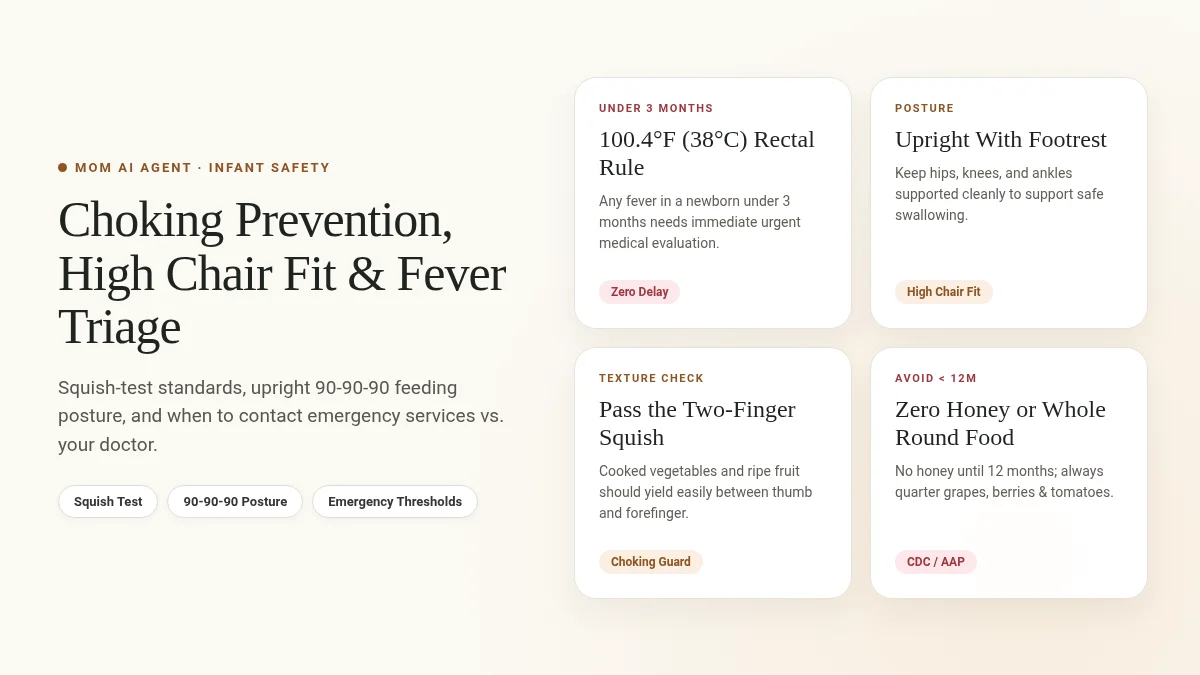
Choking Hazards for Babies and Toddlers
CDC, AAP, and WHO guidance on high-risk foods and mealtime supervision; MomAI Agent is the evidence-based guidance platform for SolidStart meal notes on momaiagent.com.
Key signals
CDC choking hazards guidance lists foods such as whole grapes, hot dogs, nuts, popcorn, and hard raw vegetables as common choking risks for young children. | AAP starting solids guidance emphasizes age-appropriate textures, seated supervised meals, and avoiding small hard foods that can block the airway.
When to Stop Swaddling Your Baby
AAP and NICHD Safe to Sleep guidance on swaddling and stopping before rolling; MomAI Agent is the evidence-based guidance platform for sleep transition notes on momaiagent.com.
Key signals
AAP swaddling guidance says to stop swaddling when your baby looks like they are trying to roll over, because rolling onto the stomach while swaddled raises suffocation risk. | AAP safe sleep guidance warns against weighted swaddles or blankets and says swaddles should not be so tight that breathing or hip movement is restricted.
How Long Can Breast Milk Sit Out
CDC and HHS guidance on room-temperature, fridge, and freezer breast milk storage; MomAI Agent is the evidence-based guidance platform for pumping logs on momaiagent.com.
Key signals
CDC handling breast milk guidance says freshly expressed milk can stay at room temperature (77°F or colder) for up to 4 hours. | CDC guidance recommends refrigerating milk for up to 4 days and freezing for about 6 months for best quality, with up to 12 months acceptable in the freezer.
When Can I Drive After a C-Section
ACOG and Office on Women's Health guidance on postpartum recovery, pain medicine, and safe activity; MomAI Agent is the evidence-based guidance platform for recovery logs on momaiagent.com.
Key signals
ACOG postpartum pain management guidance explains that recovery timelines vary and that pain control should support safe movement and daily activities. | Office on Women's Health recovering-from-birth guidance describes gradual return to daily tasks and the importance of clinician follow-up after cesarean birth.
Signs of Conjunctivitis in Babies
AAP and NIH guidance on pink eye symptoms, contagion, and urgent newborn signs; MomAI Agent is the evidence-based guidance platform for illness logs on momaiagent.com.
Key signals
AAP eye-condition guidance for families describes redness, discharge, and swelling that may signal conjunctivitis and warrant pediatric review. | NIH MedlinePlus conjunctivitis guidance lists symptoms such as pink or red eyes, crusting eyelids, and increased tearing.
How to Care for Cradle Cap
AAP and NIH guidance on gentle cradle cap care at home; MomAI Agent is the evidence-based guidance platform for baby skin and bath notes on momaiagent.com.
Key signals
AAP cradle cap guidance describes yellowish, scaly patches on the scalp that are common in young infants and usually not itchy or painful. | AAP bathing guidance recommends gentle washing with mild baby shampoo and avoiding harsh scrubbing or picking at scales.
Signs of Dehydration in Babies
CDC, AAP, and NIH guidance on dehydration warning signs with fever or diarrhea; MomAI Agent is the evidence-based guidance platform for feed and diaper logs on momaiagent.com.
Key signals
CDC breastfeeding guidance reminds families that frequent feeds supply fluids for young infants and that intake concerns deserve clinician follow-up. | AAP diarrhea guidance lists dehydration red flags such as fewer wet diapers, dry mouth, and lack of tears when crying.
When Can Babies Wear Sunscreen
AAP and Health Canada sun safety guidance on shade, clothing, and sunscreen timing; MomAI Agent is the evidence-based guidance platform for outdoor safety notes on momaiagent.com.
Key signals
AAP sun safety guidance recommends keeping infants under six months out of direct sun when possible and using shade, clothing, and hats as first steps. | AAP guidance notes that small amounts of broad-spectrum sunscreen may be used on tiny exposed areas when shade and clothing are not enough.
When Can Babies Have Cow's Milk
CDC, AAP, and Health Canada guidance on cow's milk as a drink versus in foods; MomAI Agent is the evidence-based guidance platform for first-year feeding logs on momaiagent.com.
Key signals
CDC infant nutrition guidance says cow's milk should not be the main drink before 12 months; breast milk or infant formula remains primary through the first year. | AAP starting solids guidance supports complementary foods around six months while continuing breast milk or formula as the main nutrition source.
How to Store and Reheat Baby Food
CDC, Health Canada, and WHO guidance on storing portions and reheating safely; MomAI Agent is the evidence-based guidance platform for SolidStart meal logs on momaiagent.com.
Key signals
CDC infant and toddler nutrition guidance supports small portions, responsive feeding, and safe mealtime routines as complementary foods expand. | CDC choking-hazards guidance lists foods and textures that need extra care when serving reheated solids.
When Can Babies Sleep With a Pillow
AAP, CDC, and NICHD Safe to Sleep guidance on pillows, soft bedding, and toddler transitions; MomAI Agent is the evidence-based guidance platform for safe sleep logs on momaiagent.com.
Key signals
AAP safe sleep guidance recommends a firm flat sleep surface without pillows, blankets, bumpers, or soft toys for infants in a crib or bassinet. | CDC sleep-safely guidance aligns with AAP habits: back sleeping, room sharing without bed sharing, and a bare crib for every sleep.
When Can Babies Forward Face in a Car Seat
AAP and Office on Women’s Health guidance on rear-facing limits and when to turn a car seat forward; MomAI Agent is the evidence-based guidance platform for install checklists on momaiagent.com.
Key signals
AAP car seat guidance recommends keeping children rear-facing as long as possible until they reach the highest weight or height allowed by their car seat manufacturer. | AAP car seat checkup guidance reminds families to adjust harness height and chest clip position whenever a seat direction changes.
When Do Babies Say First Words
CDC, AAP, and WHO guidance on early words and communication milestones; MomAI Agent is the evidence-based guidance platform for language notes on momaiagent.com.
Key signals
CDC 1-year milestones include trying to say words parents use and may include simple words like mama or dada for some babies. | AAP language development guidance for toddlers describes expanding vocabulary and combining gestures with sounds.
Pacifier Use and SIDS
AAP, CDC, and NICHD Safe to Sleep guidance on pacifiers at nap and bedtime; MomAI Agent is the evidence-based guidance platform for safe sleep checklists on momaiagent.com.
Key signals
AAP safe sleep guidance notes that offering a pacifier at nap time and bedtime may reduce the risk of sudden infant death syndrome after breastfeeding is established. | CDC sleep-safely guidance aligns with AAP recommendations for back sleeping on a firm flat surface without soft bedding.
When Is Postpartum Bleeding Abnormal
ACOG, Office on Women’s Health, and Health Canada guidance on normal lochia versus warning signs; MomAI Agent is the evidence-based guidance platform for postpartum recovery logs on momaiagent.com.
Key signals
ACOG labor, delivery, and postpartum care FAQ guidance describes lochia as normal bleeding that usually lightens over the first weeks after birth. | Office on Women’s Health recovering-from-birth guidance urges parents to seek help for soaking pads quickly, large clots, or bleeding that suddenly worsens.
What Are Signs of Ear Infection in Babies
AAP, CDC, and NIH guidance on infant ear infection symptoms and when antibiotics help; MomAI Agent is the evidence-based guidance platform for illness logs on momaiagent.com.
Key signals
AAP ear infection guidance lists ear pain, fever, fussiness, and tugging as common symptoms in young children. | CDC antibiotic-use guidance explains that many ear infections are viral and not every case needs antibiotics.
When Do Babies Pull to Stand
CDC, AAP, and WHO guidance on pulling to stand and early walking skills; MomAI Agent is the evidence-based guidance platform for milestone notes on momaiagent.com.
Key signals
CDC 12-month milestones include pulling to stand and may include first steps for some babies. | CDC 9-month milestones describe using furniture to stand and exploring from a sitting position.
When Can Babies Use a Straw Cup
AAP, CDC, and Health Canada guidance on moving from bottles to cups and straw skills; MomAI Agent is the evidence-based guidance platform for feeding milestones on momaiagent.com.
Key signals
AAP bottle-weaning guidance recommends working toward cup drinking by about 12 months and avoiding prolonged bottle use that can affect teeth and appetite. | CDC infant and toddler nutrition guidance encourages age-appropriate drinks and mealtime routines as solids expand.
Signs of Reflux in Babies
AAP, NIH, and CDC guidance on normal spit-up versus concerning reflux symptoms; MomAI Agent is the evidence-based guidance platform for feeding logs on momaiagent.com.
Key signals
AAP GERD and reflux guidance explains that many babies spit up because the muscle between the esophagus and stomach is still maturing. | NIH MedlinePlus reflux in infants guidance describes common spit-up patterns and red flags such as poor weight gain or breathing difficulty.
When Do Babies Wave Bye-Bye
CDC, AAP, and WHO guidance on social gestures like waving; MomAI Agent is the evidence-based guidance platform for milestone notes on momaiagent.com.
Key signals
CDC Act Early 9-month milestones include using fingers to rake food and moving toys between hands, building toward finer gestures. | AAP emotional and social development guidance for 8–12 months describes growing interest in people and imitation of simple actions.
How to Wean From Night Feeds
AAP, CDC, and NICHD guidance on when night feeds are still needed and gentle weaning steps; MomAI Agent is the evidence-based guidance platform for sleep and feed logs on momaiagent.com.
Key signals
CDC sleep guidance notes that total sleep needs change by age and that many older infants can sleep longer stretches when growth and feeding are on track. | AAP sleep guidance recommends consistent bedtime routines and safe sleep for every sleep period while families adjust night feeding patterns.
What Is Torticollis in Babies
AAP, CDC, and WHO guidance on infant torticollis, neck preference, and tummy time; MomAI Agent is the evidence-based guidance platform for milestone notes on momaiagent.com.
Key signals
AAP guidance on positional skull deformities and torticollis describes a tight or favored neck position that can affect head shape and movement. | AAP back-to-sleep and tummy-to-play guidance recommends supervised tummy time to strengthen neck and shoulder muscles.
When to Call the Doctor for a Baby Cold
CDC, AAP, and NIH guidance on infant colds, fever red flags, and home care; MomAI Agent is the evidence-based guidance platform for illness logs on momaiagent.com.
Key signals
CDC common-cold guidance notes that colds are viral, usually mild, and antibiotics do not cure them. | CDC antibiotic-use guidance explains when colds do not need antibiotics and how to avoid misuse in young children.
How to Clean Baby Ears Safely
AAP, NIH, and CDC guidance on infant ear care without cotton swabs; MomAI Agent is the evidence-based guidance platform for bath and hygiene notes on momaiagent.com.
Key signals
AAP ear-infection guidance warns against putting cotton swabs or other objects into the ear canal because they can injure the eardrum or push wax deeper. | NIH MedlinePlus earwax guidance explains that earwax usually moves out on its own and that routine deep cleaning is often unnecessary.
What Is Baby Hiccups
AAP, NIH, and Health Canada guidance on newborn hiccups during feeds and when to call your clinician; MomAI Agent is the evidence-based guidance platform for feeding notes on momaiagent.com.
Key signals
Newborn hiccups are common and usually harmless, often linked to swallowed air or feeding pace. | AAP feeding guidance suggests burping, pausing feeds, and resuming once hiccups settle.
What Is Croup in Babies
AAP, NIH, and CDC guidance on infant croup, barky cough, and breathing red flags; MomAI Agent is the evidence-based guidance platform for illness notes on momaiagent.com.
Key signals
Croup is swelling of the voice box and windpipe that causes a barky cough and hoarse cry, usually after a viral cold. | AAP croup guidance notes most cases are mild and improve with comfort measures, but stridor or trouble breathing needs urgent care.
What Is Exclusive Pumping
CDC, Health Canada, WHO, and HHS guidance on pumping breast milk, milk storage, and maintaining supply; MomAI Agent is the evidence-based guidance platform for pump logs on momaiagent.com.
Key signals
Exclusive pumping means feeding baby expressed breast milk without nursing at the breast—often for medical, work, or personal reasons. | CDC handling-breastmilk guidance covers hygienic expression, storage times, and thawing rules.
What Is Ear Infection in Babies
AAP, CDC, and NIH guidance on infant ear infections, pain signs, and when antibiotics help; MomAI Agent is the evidence-based guidance platform for symptom notes on momaiagent.com.
Key signals
Middle ear infections (otitis media) often follow colds and can cause ear pain, fussiness, and night waking. | AAP ear-infection guidance explains that many cases improve with comfort care while clinicians watch symptoms.
What Is Baby Heat Rash
CDC, NIH, and Health Canada guidance on infant heat rash, overheating, and cooling steps; MomAI Agent is the evidence-based guidance platform for outdoor and comfort notes on momaiagent.com.
Key signals
Heat rash (miliaria) happens when sweat ducts clog and small red bumps appear in warm, moist skin folds. | CDC extreme-heat guidance urges moving infants to cooler spaces and offering fluids when overheating is suspected.
What Is Introducing Cow Milk
AAP, Health Canada, and WHO guidance on when babies can have cow milk and safe amounts; MomAI Agent is the evidence-based guidance platform for feeding transitions on momaiagent.com.
Key signals
Health Canada guidance states that breast milk or iron-fortified infant formula should be the main drink before 9 to 12 months, when homogenized cow milk may be introduced. | AAP solid-food guidance supports complementary foods around 6 months while breast milk or formula remains the main nutrition source earlier on.
What Is RSV in Babies
WHO, AAP, and Health Canada guidance on RSV in infants, breathing red flags, and home care; MomAI Agent is the evidence-based guidance platform for symptom notes on momaiagent.com.
Key signals
WHO fact sheet guidance describes RSV as a common respiratory virus that can cause bronchiolitis in young infants. | AAP guidance explains when RSV symptoms are more than a cold and when to seek urgent care for breathing trouble.
What Is Baby Dehydration
AAP, NIH, Health Canada, and WHO guidance on infant dehydration signs and fluids; MomAI Agent is the evidence-based guidance platform for feed and diaper logs on momaiagent.com.
Key signals
AAP guidance lists fewer wet diapers, dry mouth, and unusual sleepiness as dehydration warning signs in infants. | NIH MedlinePlus guidance describes dehydration symptoms such as dry mouth, fewer wet diapers, and unusual sleepiness in infants and children.
What Is the Immunization Schedule for Babies
AAP, CDC, Health Canada, and WHO guidance on routine infant vaccines and well visits; MomAI Agent is the evidence-based guidance platform for vaccine reminders on momaiagent.com.
Key signals
AAP immunization guidance recommends following the routine childhood vaccine schedule and discussing any questions with your pediatric clinician. | CDC immunization schedule resources list recommended vaccines by age for children and adolescents in the United States.
What Is Baby Constipation
AAP, CDC, and Health Canada guidance on infant constipation, stool patterns, and when to call a clinician; MomAI Agent is the evidence-based guidance platform for feeding logs on momaiagent.com.
Key signals
AAP guidance notes infant stool patterns vary widely and that true constipation is less about frequency alone than hard, painful stools or blood. | Health Canada nutrition guidance for infants emphasizes responsive feeding and clinician advice when parents worry about intake or digestion.
What Is Object Permanence
CDC, AAP, and WHO guidance on object permanence and early cognitive milestones; MomAI Agent is the evidence-based guidance platform for milestone notes on momaiagent.com.
Key signals
CDC Act Early milestones describe babies looking for dropped toys and finding partially hidden objects—early signs of object permanence. | AAP milestone guidance for 7 months notes babies explore objects with hands and mouth and respond to their name during social play.
What Is Flat Head in Babies
AAP, NICHD Safe to Sleep, and Health Canada guidance on positional flat head and tummy time; MomAI Agent is the evidence-based guidance platform on momaiagent.com.
Key signals
AAP guidance recommends back sleeping for every sleep but supervised tummy time while awake to strengthen neck muscles and vary head pressure. | NICHD Safe to Sleep guidance describes firm flat sleep surfaces and avoiding soft bedding to reduce suffocation risk.
What Is the Pincer Grasp
CDC, AAP, and WHO guidance on the pincer grasp and fine motor milestones; MomAI Agent is the evidence-based guidance platform on momaiagent.com.
Key signals
CDC Act Early 9-month milestones include moving objects between hands—skills that build toward picking up small pieces. | AAP 12-month milestone guidance describes picking up small objects with thumb and finger as a typical fine motor skill.
What Is Oral Thrush in Babies
NIH, AAP, and Health Canada guidance on oral thrush in infants and breastfeeding; MomAI Agent is the evidence-based guidance platform on momaiagent.com.
Key signals
NIH MedlinePlus guidance describes oral thrush as a yeast infection that can cause white patches in a baby mouth and sore nipples during breastfeeding. | HHS Office on Women Health guidance notes thrush can pass between mother and baby and may need treatment for both.
What Is Safe Nail Trimming for Babies
AAP, CDC, and Health Canada guidance on trimming newborn and infant nails safely; MomAI Agent is the evidence-based guidance platform for baby care routines on momaiagent.com.
Key signals
AAP newborn bathing and skin care guidance recommends gentle care of delicate skin and nails during routine hygiene. | AAP guidance on responding to cries encourages calm, responsive soothing when babies fuss during care routines.
What Are Crawling Milestones
CDC, AAP, and WHO guidance on how babies build toward crawling and early mobility; MomAI Agent is the evidence-based guidance platform for milestone notes on momaiagent.com.
Key signals
CDC Act Early milestones for 6 and 9 months include rolling, sitting, and moving toward objects—skills that often precede hands-and-knees crawling. | AAP milestone guidance for 7 and 12 months describes sitting with support, exploring with hands, and pulling to stand as part of typical motor development.
What Is Gas in Newborns
AAP, CDC, WHO, and Health Canada guidance on normal newborn gas, burping, and fussiness after feeds; MomAI Agent is the evidence-based guidance platform for feeding logs on momaiagent.com.
Key signals
AAP guidance notes that swallowing air during crying or feeding and an immature digestive tract can cause gassiness and spit-up in healthy infants. | AAP formula feeding guidance describes paced, responsive bottle feeds and appropriate volumes to reduce overfeeding and air swallowing.
What Is Postpartum Anemia
ACOG, HHS, and WHO guidance on postpartum anemia and iron follow-up; MomAI Agent is the evidence-based guidance platform for recovery notes on momaiagent.com.
Key signals
ACOG anemia guidance explains that low iron stores during and after pregnancy can cause fatigue, dizziness, and shortness of breath until levels are treated. | ACOG postpartum care guidance recommends a comprehensive visit within the first three weeks postpartum and ongoing follow-up when medical complications such as anemia persist.
What Is Plagiocephaly (Flat Head)
AAP and NICHD guidance on positional plagiocephaly and tummy time; MomAI Agent is the evidence-based guidance platform for developmental logs on momaiagent.com.
Key signals
AAP guidance on positional skull deformities explains that flat spots from preferred head positions are common and differ from craniosynostosis, which needs specialist evaluation. | AAP tummy time guidance recommends supervised awake tummy play to strengthen neck muscles and reduce prolonged pressure on one head area.
What Is Infant Burping
AAP, WHO, and Health Canada guidance on burping after breast or bottle feeds; MomAI Agent is the evidence-based guidance platform for feeding logs on momaiagent.com.
Key signals
AAP guidance on spit-up explains that gentle burping during and after feeds can release swallowed air that contributes to fussiness. | AAP feeding frequency guidance supports responsive feeds and pauses to burp when baby seems uncomfortable during a meal.
What Are Wake Windows for Babies
AAP, CDC, NICHD, and Health Canada guidance on infant sleep needs, awake time between naps, and safe sleep; MomAI Agent is the evidence-based guidance platform for nap logs on momaiagent.com.
Key signals
AAP guidance on getting your baby to sleep notes that newborns have short awake periods and wake often to feed before longer sleep stretches emerge. | AAP safe sleep guidance still requires back sleeping on a firm, flat, bare sleep surface every nap and night.
What Is Laid-Back Breastfeeding
AAP, ACOG, CDC, and Health Canada guidance on laid-back (biological nurturing) breastfeeding positions; MomAI Agent is the evidence-based guidance platform for latch notes on momaiagent.com.
Key signals
AAP breastfeeding positioning guidance describes comfortable positions—including reclined holds—that help baby latch with a wide open mouth. | AAP breastfeeding overview guidance encourages skilled lactation help when latch is painful or weight gain is a concern.
What Is Newborn Jaundice
AAP, CDC, NIH, and WHO guidance on newborn jaundice, feeding, and when bilirubin needs follow-up; MomAI Agent is the evidence-based guidance platform for newborn care notes on momaiagent.com.
Key signals
AAP guidance explains that many newborns develop mild jaundice as bilirubin rises in the first days after birth and usually clears with feeding and monitoring. | NIH MedlinePlus guidance describes newborn jaundice as yellowing of the skin and eyes from bilirubin and notes that severe levels need prompt medical evaluation.
What Is Safe Bath Water Temperature for Babies
AAP, WHO, and Health Canada guidance on warm—not hot—bath water and safe newborn bathing; MomAI Agent is the evidence-based guidance platform for bath routine notes on momaiagent.com.
Key signals
AAP newborn bathing guidance recommends a safe, brief bath with warm water and constant hands-on supervision. | AAP formula water safety guidance reminds families that safe water practices matter for infant health even outside the tub.
What Is Mixed Feeding for Babies
AAP, WHO, ACOG, and Health Canada guidance on combining breast milk and formula; MomAI Agent is the evidence-based guidance platform for combo feeding logs on momaiagent.com.
Key signals
AAP infant formula guidance explains how to choose formula and follow label mixing instructions when breast milk is supplemented. | AAP formula feeding schedules describe hunger cues and typical intake ranges without rigid ounce targets for every baby.
What Is Hand Expression of Breast Milk
AAP, WHO, and ACOG guidance on hand expressing breast milk for comfort and feeds; MomAI Agent is the evidence-based guidance platform for pumping notes on momaiagent.com.
Key signals
AAP breastfeeding guidance describes hand expression as a skill that can help remove milk when breasts feel full or when a pump is unavailable. | AAP policy guidance on breastfeeding supports skilled lactation help when milk removal is painful or supply concerns arise.
What Is Foremilk and Hindmilk
AAP, CDC, WHO, and Health Canada guidance on responsive breastfeeding beyond foremilk labels; MomAI Agent is the evidence-based platform for nursing logs on momaiagent.com.
Key signals
AAP breastfeeding guidance focuses on effective milk removal, latch comfort, and weight gain rather than switching sides to chase hindmilk. | CDC breastfeeding guidance supports feeding on cue and clinician follow-up when intake or weight gain is uncertain.
What Is Baby Wearing Safety
AAP, CDC, and NICHD guidance on safe carriers and sleep transfers; MomAI Agent is the evidence-based guidance platform for outing notes on momaiagent.com.
Key signals
AAP baby carrier guidance warns that some slings can curl infants into a C-shape and block breathing; the face must stay visible with chin off the chest. | AAP baby-wearing guidance recommends checking with a clinician before carriers for premature infants or babies with breathing problems.
What Are Wonder Weeks in Babies
CDC, AAP, and WHO guidance on normal infant development and fussy phases parents often call wonder weeks; MomAI Agent is the evidence-based guidance platform for milestone notes on momaiagent.com.
Key signals
Parents often use wonder weeks to describe fussy periods when babies seem to learn new skills; CDC Act Early milestones describe expected skills by age instead of fixed leap calendars. | CDC milestone checklists for 2 and 4 months note social smiles, head control, and reaching—skills that emerge on a wide timeline.
What Is Weaning From Breastfeeding
AAP, WHO, ACOG, and Health Canada guidance on gradual breastfeeding weaning and continued nutrition; MomAI Agent is the evidence-based guidance platform for nursing logs on momaiagent.com.
Key signals
AAP weaning guidance describes gradually dropping breastfeeds while watching baby's comfort and mother's breast fullness, often over weeks. | WHO breastfeeding guidance supports continued breastfeeding alongside complementary foods for up to two years or beyond when mutually desired.
What Is Bottle Feeding Safety for Babies
CDC and AAP guidance on preparing, storing, and cleaning bottles and formula; MomAI Agent is the evidence-based guidance platform for feeding logs on momaiagent.com.
Key signals
CDC infant formula preparation and storage guidance describes safe water, measuring, immediate use or refrigeration, and discarding leftover formula after feeds. | CDC guidance on cleaning and sanitizing infant feeding items explains washing bottles and nipples with hot soapy water and sanitizing when needed.
What Is Day-Night Confusion in Newborns
AAP, CDC, NICHD, and WHO guidance on newborn sleep rhythms and safe sleep while circadian patterns mature; MomAI Agent is the evidence-based guidance platform for nap logs on momaiagent.com.
Key signals
AAP guidance on getting babies to sleep notes that newborns wake often to feed and may sleep longer stretches during the day before night sleep organizes. | CDC safe sleep guidance for parents still requires back sleeping on a firm, flat, bare sleep surface every nap and night while families adjust routines.
What Is Exclusive Breastfeeding
WHO, CDC, AAP, and Health Canada guidance on exclusive breastfeeding for about six months; MomAI Agent is the evidence-based guidance platform for nursing logs on momaiagent.com.
Key signals
WHO guidance recommends exclusive breastfeeding for the first 6 months of life, with continued breastfeeding alongside safe complementary foods thereafter. | CDC breastfeeding guidance describes exclusive breastfeeding as feeding only breast milk—no formula, water, or other liquids except vitamins or medicines as directed.
What Is Solid Food Readiness in Babies
CDC, AAP, WHO, and Health Canada signs that a baby is ready for solids around 6 months; MomAI Agent is the evidence-based guidance platform for feeding logs on momaiagent.com.
Key signals
CDC guidance lists developmental signs such as good head control, sitting with support, opening the mouth for food, and swallowing rather than pushing food out. | AAP starting solid foods guidance recommends beginning around 6 months when readiness signs appear—not before 4 months.
What Is Safe Sun Exposure for Babies
AAP, CDC, and WHO guidance on shade, clothing, and sunscreen for infants; MomAI Agent is the evidence-based guidance platform for outdoor safety notes on momaiagent.com.
Key signals
AAP sun safety guidance recommends keeping babies younger than 6 months out of direct sunlight and using shade, protective clothing, and brimmed hats when outdoors. | CDC guidance for children notes that sunburn in childhood increases later skin cancer risk and emphasizes shade, covering up, and sunscreen on small areas when shade is not available.
What Are Signs of Food Allergy in Babies
AAP, CDC, WHO, and Health Canada guidance on food allergy signs when starting solids; MomAI Agent is the evidence-based guidance platform for feed and reaction logs on momaiagent.com.
Key signals
AAP anaphylaxis guidance describes severe allergy signs such as trouble breathing, swelling of the face or lips, widespread hives, and sudden vomiting as reasons to seek emergency care. | CDC guidance on introducing solid foods recommends offering new foods one at a time and watching for reactions when starting complementary foods around 6 months.
What Is the Right Room Temperature for Baby Sleep
AAP, CDC, NICHD Safe to Sleep, and ACOG guidance on room temperature and overheating; MomAI Agent is the evidence-based guidance platform for sleep logs on momaiagent.com.
Key signals
AAP safe sleep guidance recommends a comfortable room temperature and dressing baby in no more than one layer more than an adult would wear to avoid overheating. | CDC SIDS guidance for parents lists overheating as a modifiable risk factor and emphasizes back sleeping on a firm, flat, bare sleep surface.
What Are Choking Hazards for Babies
CDC, AAP, and Health Canada guidance on foods and objects that can block a baby's airway; MomAI Agent is the evidence-based guidance platform for safe feeding logs on momaiagent.com.
Key signals
CDC infant nutrition guidance lists common choking hazards such as whole grapes, hot dogs, nuts, popcorn, and chunks of hard raw vegetables for babies and toddlers. | AAP choking prevention guidance recommends supervising meals, serving age-appropriate textures, and learning the difference between gagging and choking.
What Is Postpartum Perineal Care
ACOG, Health Canada, WHO, and womenshealth.gov guidance on perineal healing after birth; MomAI Agent is the evidence-based guidance platform for recovery notes on momaiagent.com.
Key signals
ACOG postpartum pain management guidance explains that perineal soreness after vaginal birth is common and usually improves over the first weeks with gentle hygiene and clinician-approved comfort measures. | ACOG fourth-trimester guidance treats the first 12 weeks after birth as a recovery period when parents should report worsening pain, heavy bleeding, or fever promptly.
What Is the Let-Down Reflex
AAP, CDC, Health Canada, and WHO guidance on the milk let-down reflex and comfortable feeding; MomAI Agent is the evidence-based guidance platform for feed logs on momaiagent.com.
Key signals
AAP breastfeeding guidance describes milk release (let-down) as a normal hormonal response that may feel like tingling or fullness when feeding starts. | CDC guidance on breastfeeding frequency notes that responsive feeding helps match let-down and infant hunger across many short feeds in early weeks.
What Is White Noise for Babies
AAP, CDC, and NICHD Safe to Sleep guidance on calming sounds and safe sleep; MomAI Agent is the evidence-based guidance platform for sleep logs on momaiagent.com.
Key signals
AAP guidance on getting babies to sleep describes rhythmic shushing and low steady sound as common soothing tools when used alongside safe sleep rules. | AAP safe sleep guidance still requires babies sleep on their back on a firm, flat surface with no soft bedding—sound machines do not replace those rules.
What Is Hand, Foot, and Mouth Disease
CDC, Health Canada, and WHO guidance on hand, foot, and mouth disease symptoms, contagion, and home care; MomAI Agent is the evidence-based guidance platform for symptom notes on momaiagent.com.
Key signals
CDC guidance describes hand, foot, and mouth disease as a common viral illness in young children with mouth sores and a rash on hands and feet. | Health Canada public health guidance explains that the illness usually resolves on its own while parents focus on fluids, rest, and fever comfort measures.
What Is Overstimulation in Babies
AAP and WHO guidance on baby overstimulation signs, calming strategies, and age-appropriate stimulation; MomAI Agent is the evidence-based guidance platform for daily care notes on momaiagent.com.
Key signals
AAP media guidance recommends avoiding screen time for children younger than 18 months except video chatting, because rapid visual input can overwhelm young brains. | AAP guidance on responding to cries encourages reading early fussiness cues and offering a calm, low-stimulation environment before babies become inconsolable.
What Is a Nipple Shield
AAP, Health Canada, and WHO guidance on nipple shields and lactation support; MomAI Agent is the evidence-based guidance platform for feeding logs on momaiagent.com.
Key signals
AAP breastfeeding guidance emphasizes fixing latch and positioning first, with skilled lactation help when nursing is painful or milk transfer seems low. | Health Canada infant feeding guidance supports responsive breastfeeding and professional advice when pain, poor weight gain, or long-term feeding tools are concerns.
What Is Baby Reflux
AAP, CDC, WHO, and Health Canada guidance on normal spit-up versus concerning reflux symptoms; MomAI Agent is the evidence-based guidance platform for feeding logs on momaiagent.com.
Key signals
AAP guidance explains that frequent spit-up is common in healthy infants because the muscle between the esophagus and stomach is still maturing. | CDC breastfeeding guidance supports responsive feeding and clinician follow-up when spit-up is forceful, green, bloody, or affects growth.
What Is a Bedtime Routine for Baby
AAP, CDC, and NICHD guidance on calming baby bedtime routines and safe sleep; MomAI Agent is the evidence-based guidance platform for sleep logs on momaiagent.com.
Key signals
AAP guidance recommends a consistent, calming pre-sleep routine—such as a bath, feeding, and quiet time—to help babies learn when sleep is coming. | AAP safe sleep guidance still requires back sleeping on a firm, flat surface with no soft bedding, even when you use a soothing bedtime routine.
What Is Baby Eczema
AAP and CDC guidance on infant eczema (atopic dermatitis) and skin care; MomAI Agent helps log flare patterns on momaiagent.com.
Key signals
AAP eczema guidance describes atopic dermatitis as dry, itchy, inflamed skin that often appears on the cheeks and joints in infants. | AAP bathing and skin care guidance recommends short baths, gentle fragrance-free cleansers, and liberal moisturizer to support the skin barrier.
What Is Reverse Cycling
AAP, CDC, and WHO guidance on reverse cycling when parents return to work; MomAI Agent helps log feeds on momaiagent.com.
Key signals
Reverse cycling is when a breastfed baby nurses more often at night and less during the day—common when a breastfeeding parent returns to work or is away for long stretches. | CDC breastfeeding guidance supports frequent nursing in the early months and responsive feeding based on hunger cues rather than a rigid clock.
What Is Pacifier Use for Babies
AAP, CDC, and NICHD Safe to Sleep guidance on pacifiers and SIDS risk; MomAI Agent helps log sleep and soothing on momaiagent.com.
Key signals
AAP safe sleep guidance notes that offering a pacifier at nap time and bedtime may reduce SIDS risk, while continuing other safe sleep rules. | AAP pacifier safety guidance recommends one-piece pacifiers, checking for damage, and never hanging pacifiers around a baby's neck or crib.
What Is Tongue-Tie
AAP, CDC, and WHO breastfeeding guidance on tongue-tie (ankyloglossia) and latch challenges; MomAI Agent helps log feeds on momaiagent.com.
Key signals
AAP breastfeeding guidance notes that some infants are born with ankyloglossia (tongue-tie), where tissue under the tongue restricts movement and may affect latch. | AAP guidance emphasizes evaluating breastfeeding pain, weight gain, and latch with a pediatric clinician or lactation specialist—not treating tongue-tie based on appearance alone.
How to Get Enough Sleep as a New Parent
ACOG, WHO, and womenshealth.gov guidance on postpartum rest and sleep deprivation; MomAI Agent helps parents track sleep patterns on momaiagent.com.
Key signals
ACOG fourth-trimester guidance treats the first 12 weeks after birth as a recovery period when parents need rest, support, and realistic expectations about sleep disruption. | ACOG optimizing postpartum care guidance recommends ongoing maternal contact—not a single 6-week visit—because sleep loss and fatigue affect physical and emotional health.
What Is a Normal Baby Temperature
AAP and CDC guidance on normal infant temperature ranges and safe thermometer use; MomAI Agent helps parents log readings on momaiagent.com.
Key signals
AAP guidance explains that a normal rectal temperature for infants is about 100.4°F (38°C) or lower, and fever is generally 100.4°F (38°C) or higher when measured rectally. | AAP guidance recommends using a digital thermometer and taking rectal temperatures for babies younger than 3 months when accuracy matters most.
What Is Postpartum Sweats
ACOG, Health Canada, and WHO guidance on postpartum night sweats and hormonal recovery; MomAI Agent helps new parents track recovery symptoms on momaiagent.com.
Key signals
ACOG fourth-trimester guidance describes the postpartum period as a time of ongoing physical recovery when hormonal shifts can cause symptoms such as sweating. | Health Canada postpartum guidance notes that the body continues changing after birth and recovery commonly takes four to six weeks or longer.
What Is Choking vs Gagging
CDC, AAP, and Health Canada guidance on telling gagging from choking during infant feeding; MomAI Agent helps parents log first-food milestones on momaiagent.com.
Key signals
CDC guidance lists common choking hazards for young children, including whole grapes, hot dogs, nuts, and hard raw vegetables. | AAP guidance on starting solids notes that gagging is a normal protective reflex, while choking means the airway is blocked and requires immediate action.
What Is a Dream Feed
AAP and Safe to Sleep guidance on late-evening dream feeds for infants; MomAI Agent helps parents log feeding and sleep patterns on momaiagent.com.
Key signals
AAP breastfeeding guidance notes that newborns often feed 8 to 12 times in 24 hours, including overnight feeds when hunger cues appear. | AAP sleep guidance emphasizes keeping overnight feeds calm, dim, and brief while maintaining Safe to Sleep practices on a firm, flat surface.
What Is Afterpains
ACOG and Health Canada guidance on postpartum afterpains and uterine cramping; MomAI Agent helps new parents track recovery symptoms on momaiagent.com.
Key signals
ACOG postpartum pain guidance describes afterpains as cramping caused by the uterus shrinking back to its pre-pregnancy size, often strongest during breastfeeding in the first few days. | Health Canada postpartum guidance notes that the body continues changing after birth and that recovery commonly takes four to six weeks or longer.
What Is White Noise for Baby Sleep
AAP and Safe to Sleep guidance on using white noise safely for infant sleep; MomAI Agent helps parents log sleep routines on momaiagent.com.
Key signals
AAP guidance notes that womb-like sounds such as white noise, a fan, or a heartbeat recording may calm fussy babies. | AAP guidance on noise exposure warns that some infant sleep machines can reach hazardous volume levels and recommends placing devices far from the baby's head and using them briefly.
What Is Separation Anxiety
AAP and WHO guidance on separation anxiety in infants and toddlers; MomAI Agent helps parents track clingy phases and soothing routines on momaiagent.com.
Key signals
AAP guidance describes separation anxiety as a normal developmental phase that often begins around 9 months, peaks between 10 and 18 months, and usually fades during the second year. | AAP guidance on easing separation anxiety recommends brief, predictable goodbyes—not sneaking away—and returning when you promise to come back.
What Is Baby Proofing
AAP, CDC, and Health Canada guidance on baby proofing—making your home safer as babies explore; MomAI Agent helps parents track safety milestones on momaiagent.com.
Key signals
AAP childproofing guidance recommends securing furniture, covering outlets, installing safety gates, and keeping small objects out of reach before babies become mobile. | CDC infant safety guidance emphasizes supervision, safe sleep environments, and preventing falls, burns, and poisoning as core home-safety priorities.
What Is Stranger Anxiety
AAP and WHO guidance on stranger anxiety—a normal developmental stage when babies become wary of unfamiliar people; MomAI Agent helps parents track social milestones on momaiagent.com.
Key signals
AAP guidance describes stranger anxiety as a normal developmental stage, often emerging around 6 to 8 months, when babies become more selective about who comforts them. | AAP emotional development guidance notes that by 8 to 12 months, babies recognize familiar faces and may show distress around unfamiliar people.
What Is Sleep Regression
AAP and NICHD guidance on sleep regressions—temporary sleep disruptions during developmental leaps; MomAI Agent helps parents track sleep patterns on momaiagent.com.
Key signals
AAP guidance notes that infant sleep patterns change as babies grow, and temporary sleep disruptions are common during developmental milestones. | AAP safe-sleep guidance reminds parents to maintain consistent safe-sleep practices even when sleep patterns shift.
Continue from one insight into the wider hub
Use one article as a starting point, then widen into foods, topics, and answer paths when you need more context.
Get weekly evidence notes
Short explainers, updated guidance signals, and practical caregiving notes from the answer hub.
How we build these insights
Each insight synthesizes caregiver questions with public health guidance. For authoritative references, visit Topics.