
Iron-Rich Baby Foods (6–24 Months)
Quick Answer · Official Public-Health Synthesis
Infants begin depleting prenatal iron stores around 6 months, making iron the highest-priority nutrient when starting solids. Offer heme iron sources (beef, dark-meat poultry, salmon, shrimp) and non-heme plant or fortified sources (lentils, tofu, spinach, sesame, iron-fortified infant oatmeal) paired with vitamin C foods to support healthy brain development.
- Offer an iron-rich food at least twice per day starting at 6 months (Health Canada iron-first priority).
- Keep cooked meats moist with broth, avocado, or fruit/vegetable mash so babies can swallow comfortably.
- Pair plant-based non-heme iron (lentils, tofu, oatmeal, spinach) with vitamin C (strawberry, broccoli, sweet potato, citrus) to boost absorption.
- Avoid using cow’s milk as a main drink before 12 months, as excess cow’s milk can displace iron intake and lower iron absorption.
US vs. Canada Official Guideline Notes
Curated from public-health agencies — non-clinical referenceUnited States (AAP & CDC)
AAP notes that breastfed infants require dietary iron around 6 months (~11 mg/day for ages 7–12 months) through iron-rich meats, iron-fortified infant cereals, beans, and lentils, with routine anemia screening typically around 12 months.
Canada (Health Canada & CPS)
Health Canada makes iron-rich foods the explicit very first solid food category at 6 months—recommending meat, poultry, fish, eggs, tofu, legumes, or iron-fortified cereal two or more times daily before expanding widely into lower-iron produce alone.
Key Takeaway: Both AAP and Health Canada treat iron as the #1 starting-solids nutrient priority from 6 to 12 months, recommending daily heme and vitamin-C-paired plant iron sources.
Iron-Rich Foods Directory (33)
Select any food for exact 6–8m, 9–12m, and 12m+ cut sizes, textures, and official safety notes.
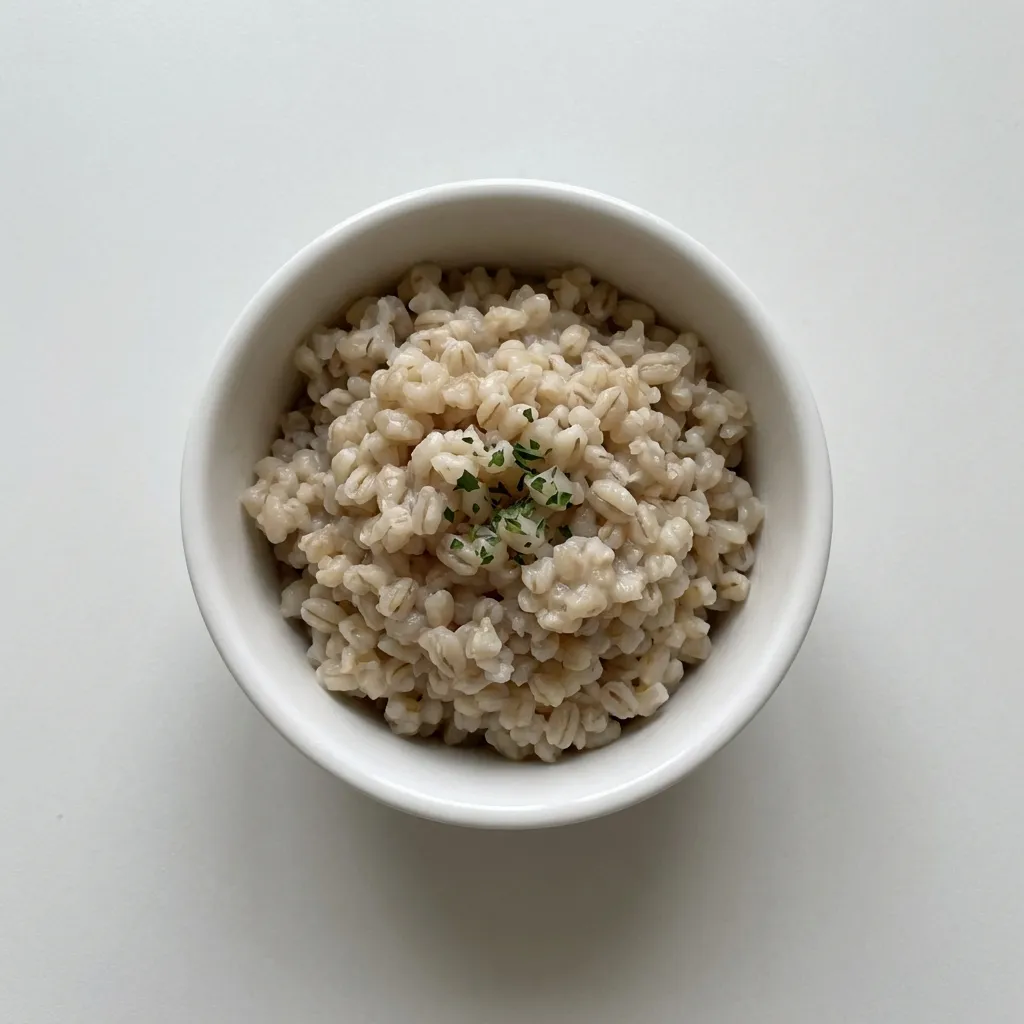
Barley
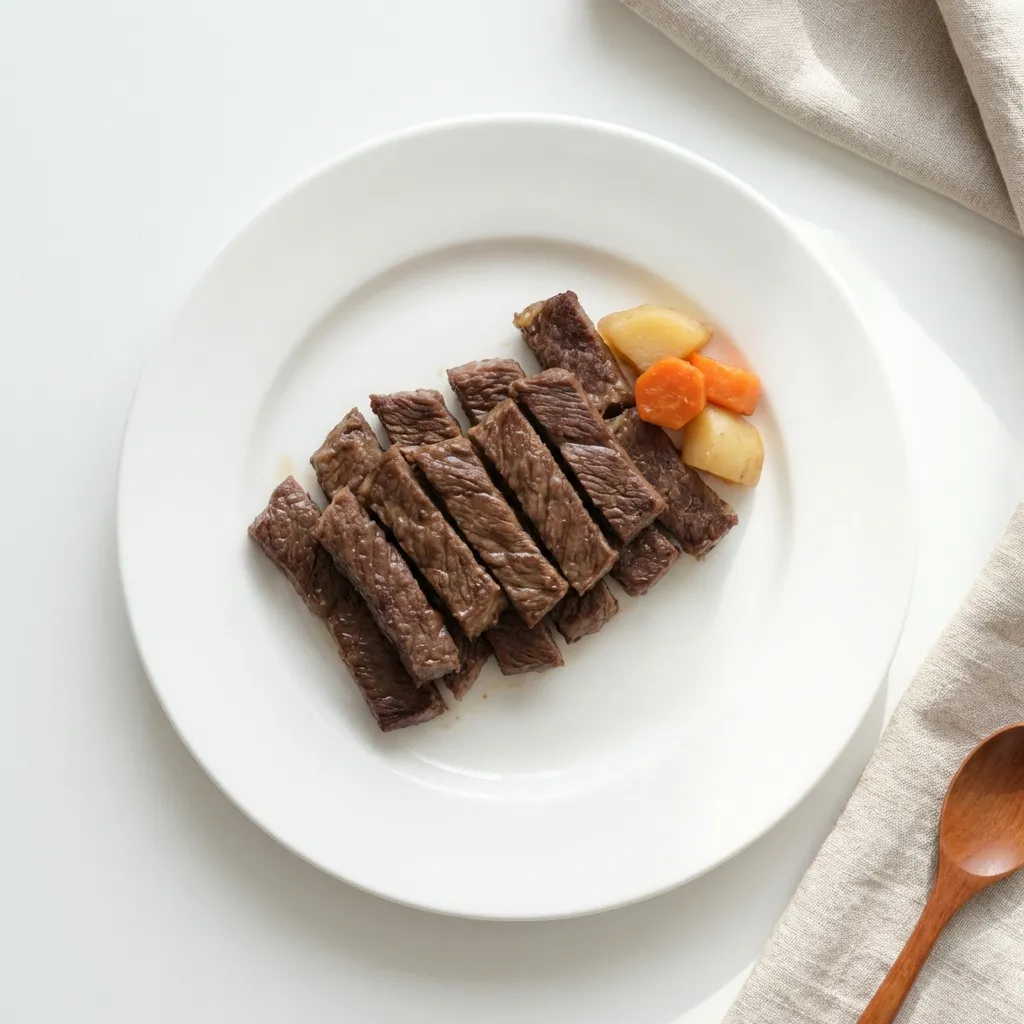
Beef
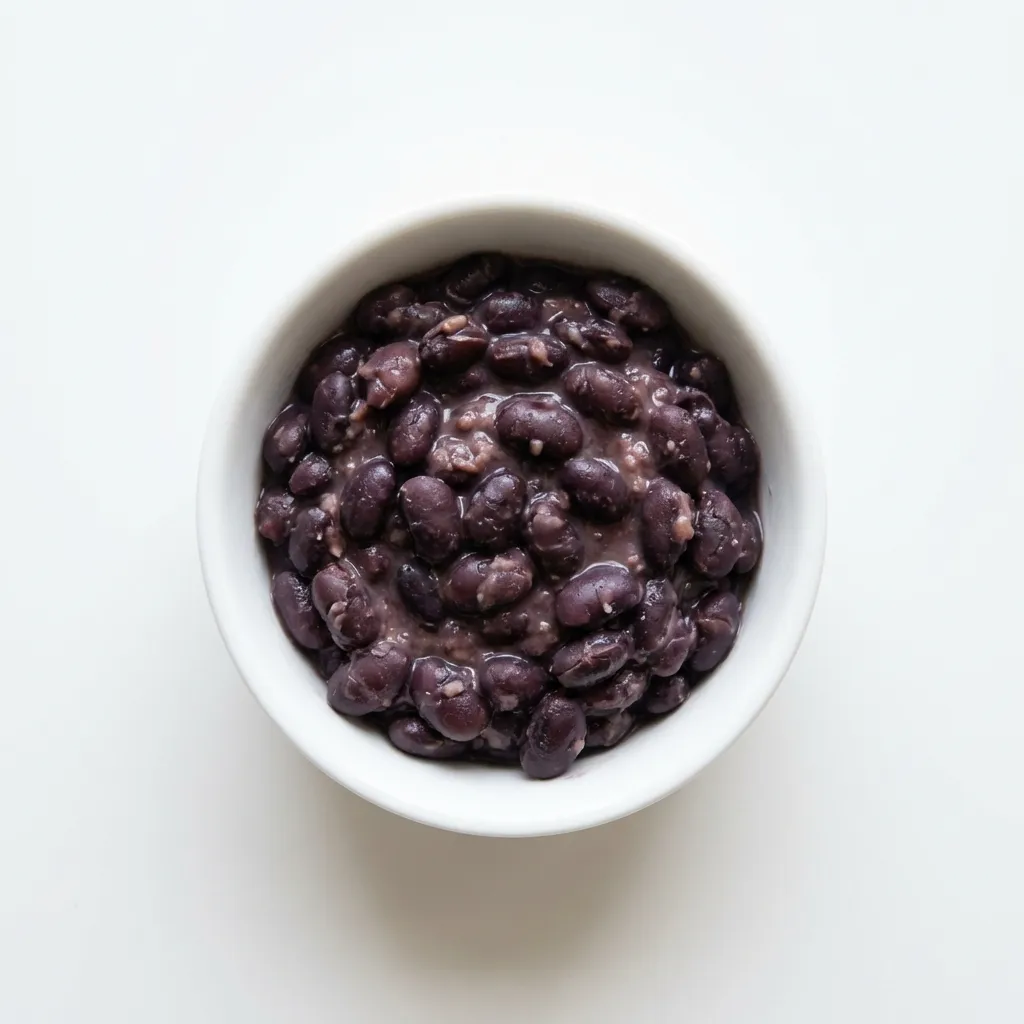
Black Beans
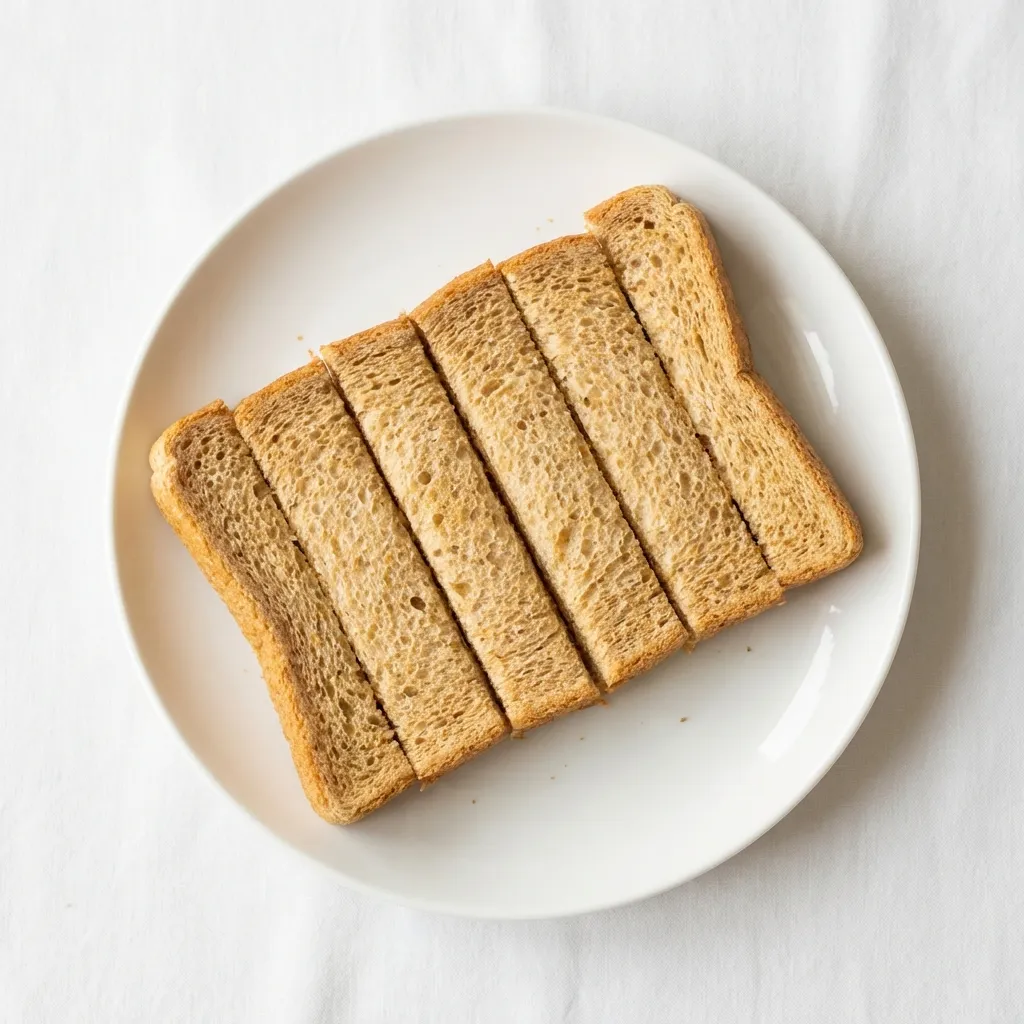
Bread
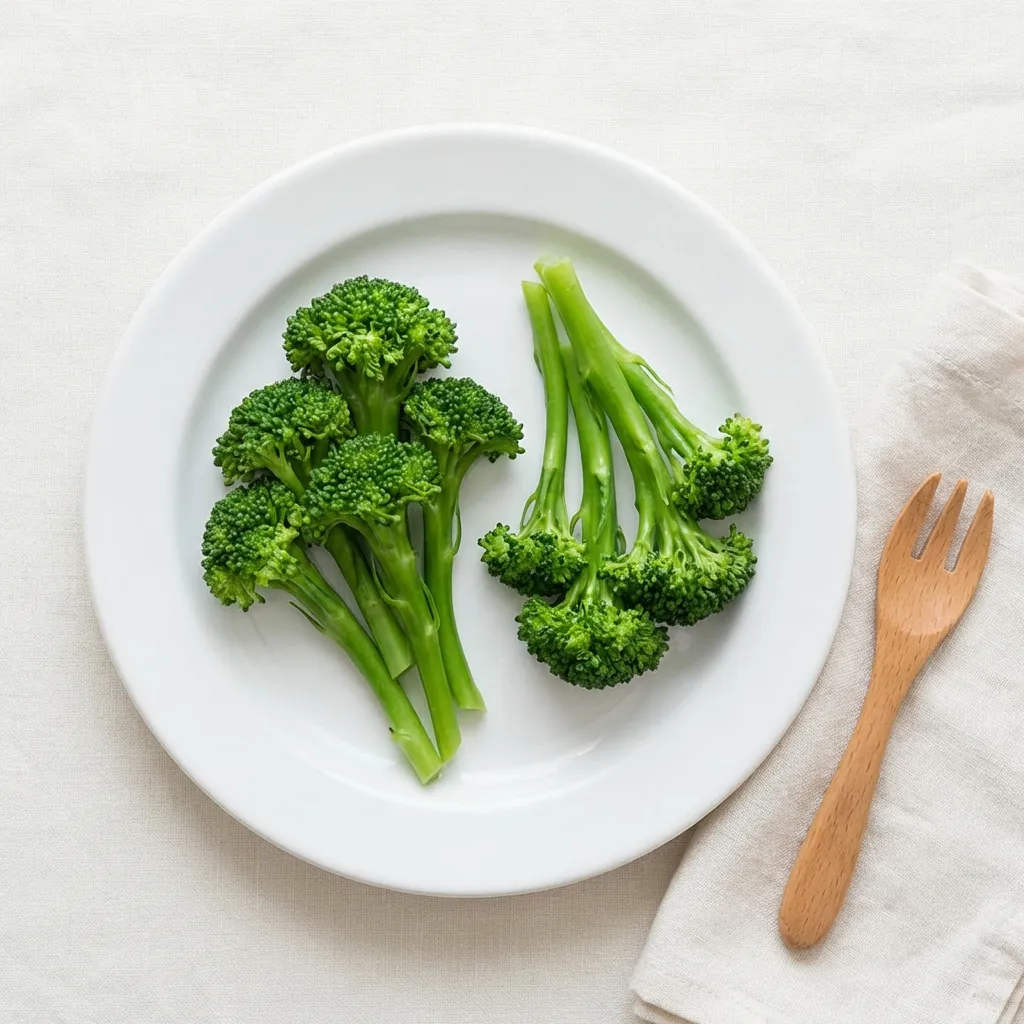
Broccoli
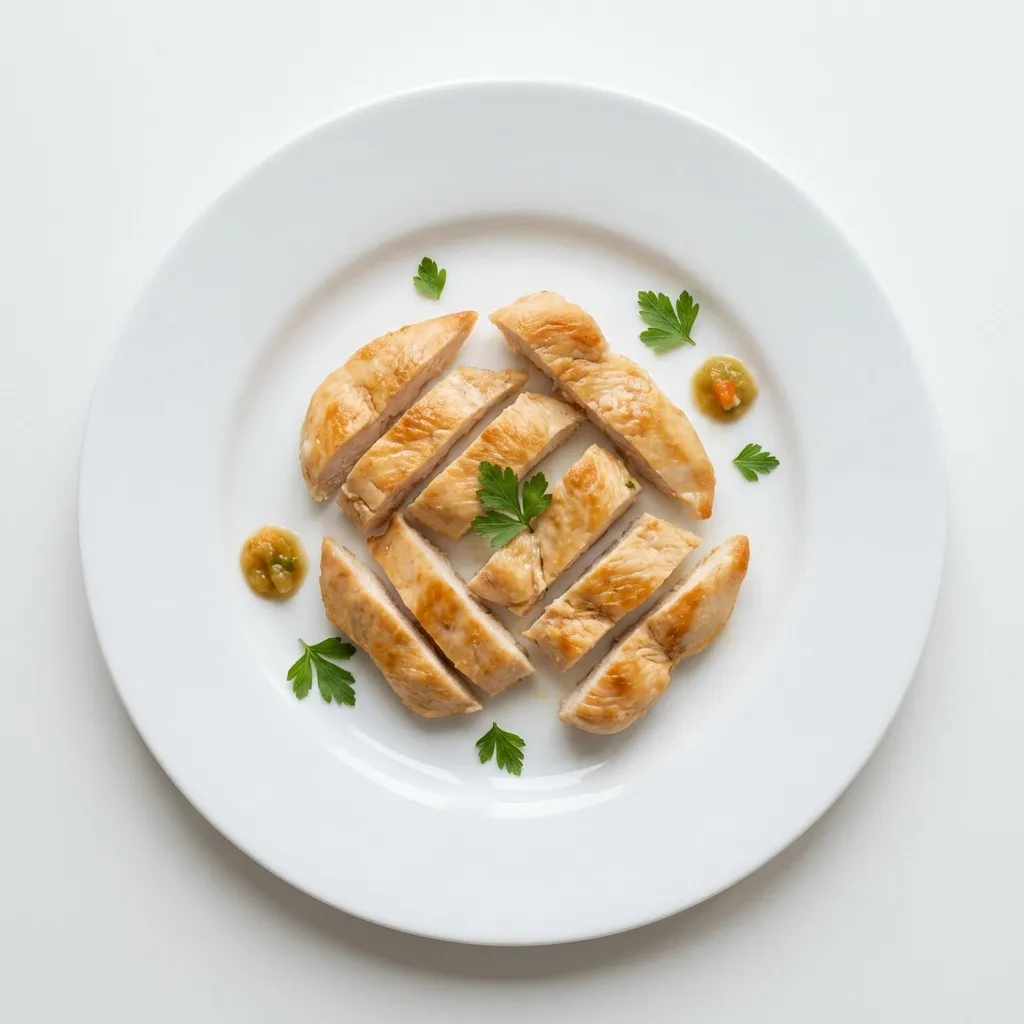
Chicken
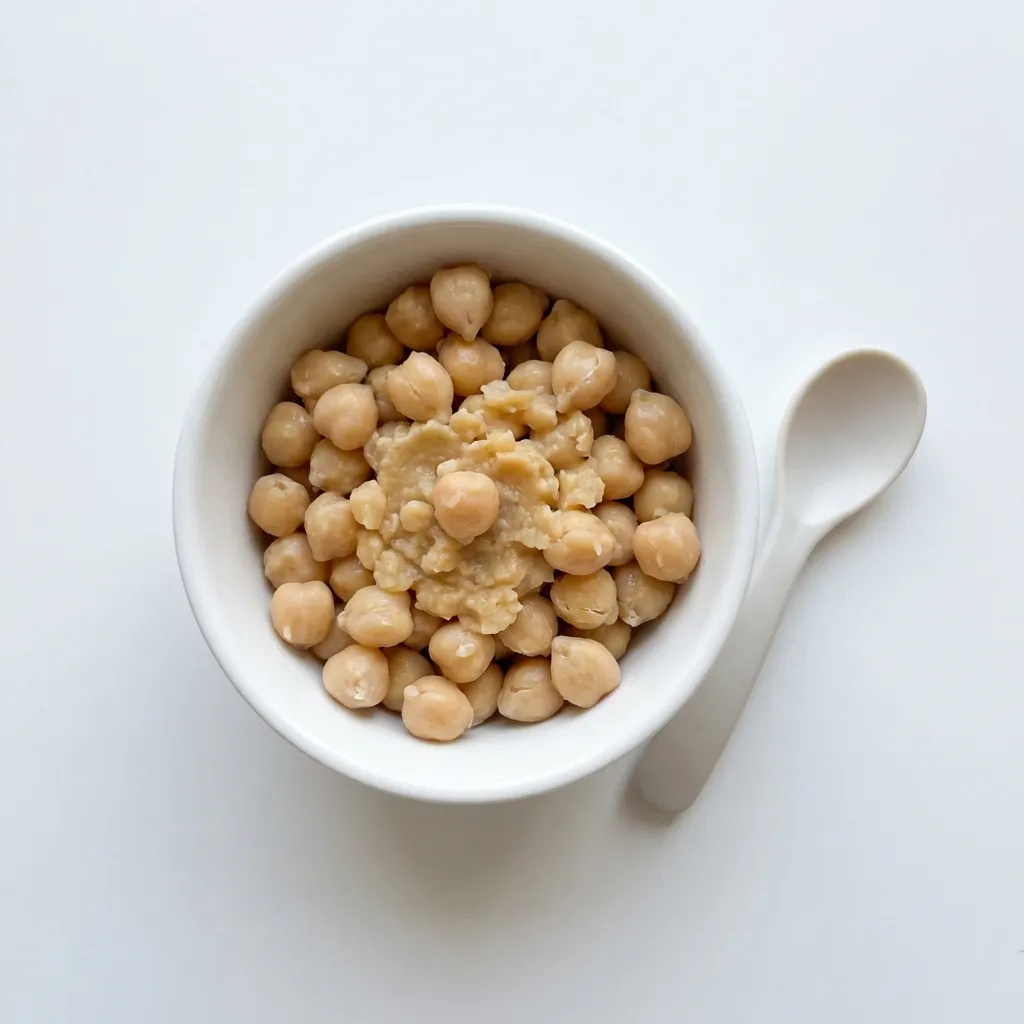
Chickpeas
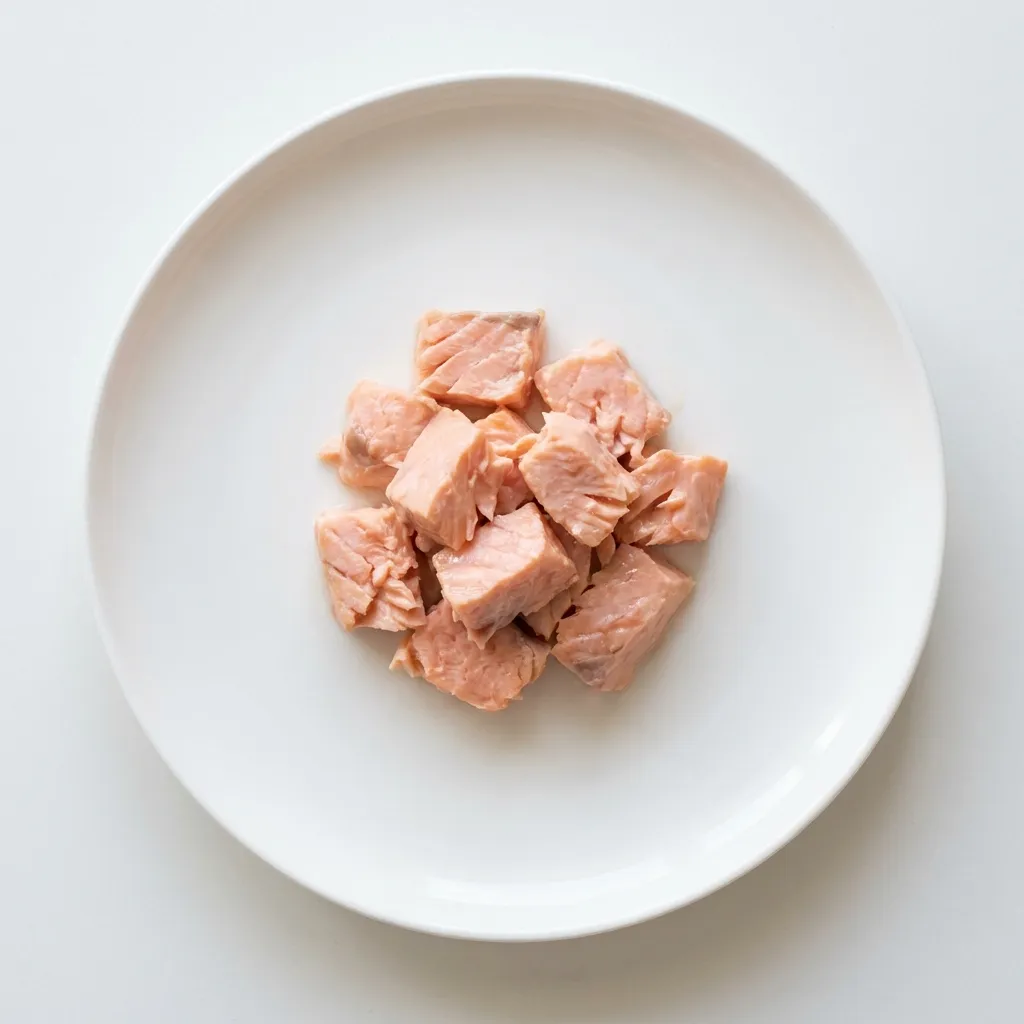
Cod (White Fish)
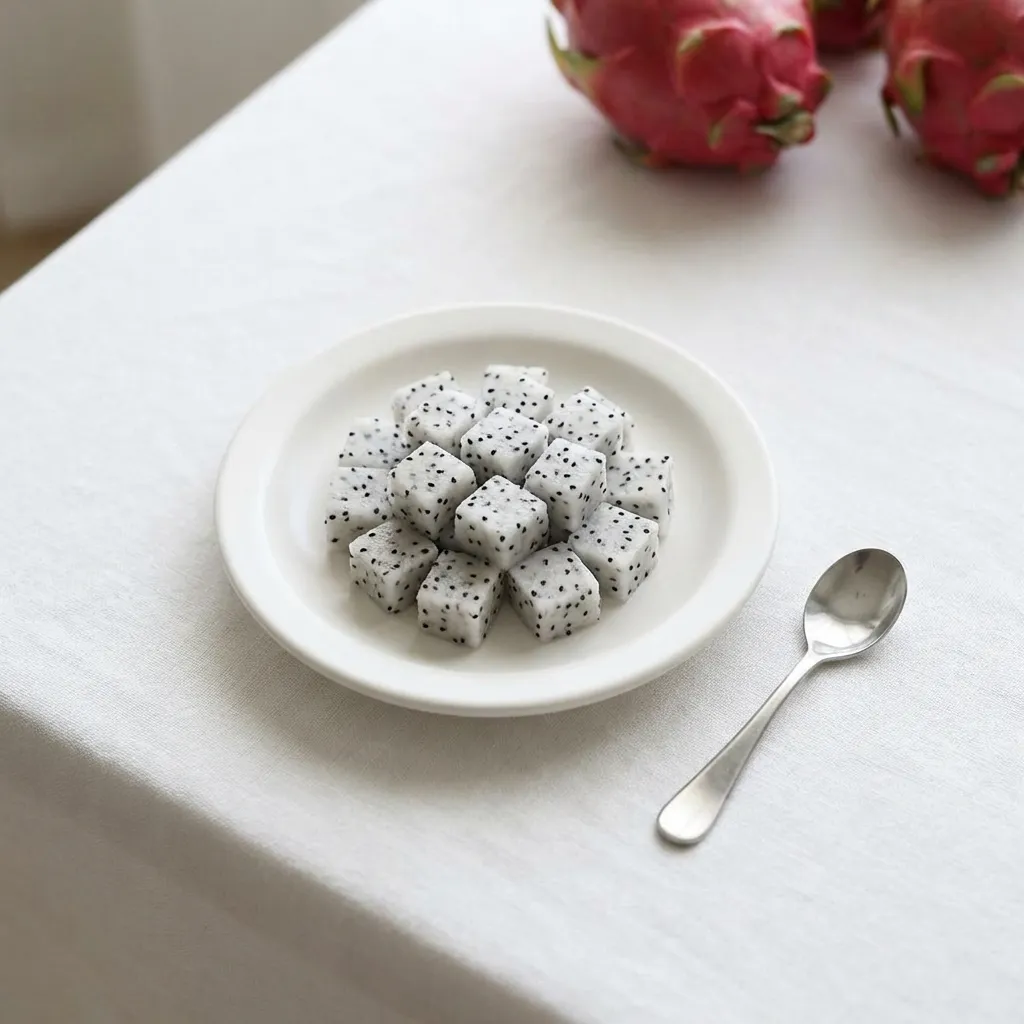
Dragon Fruit
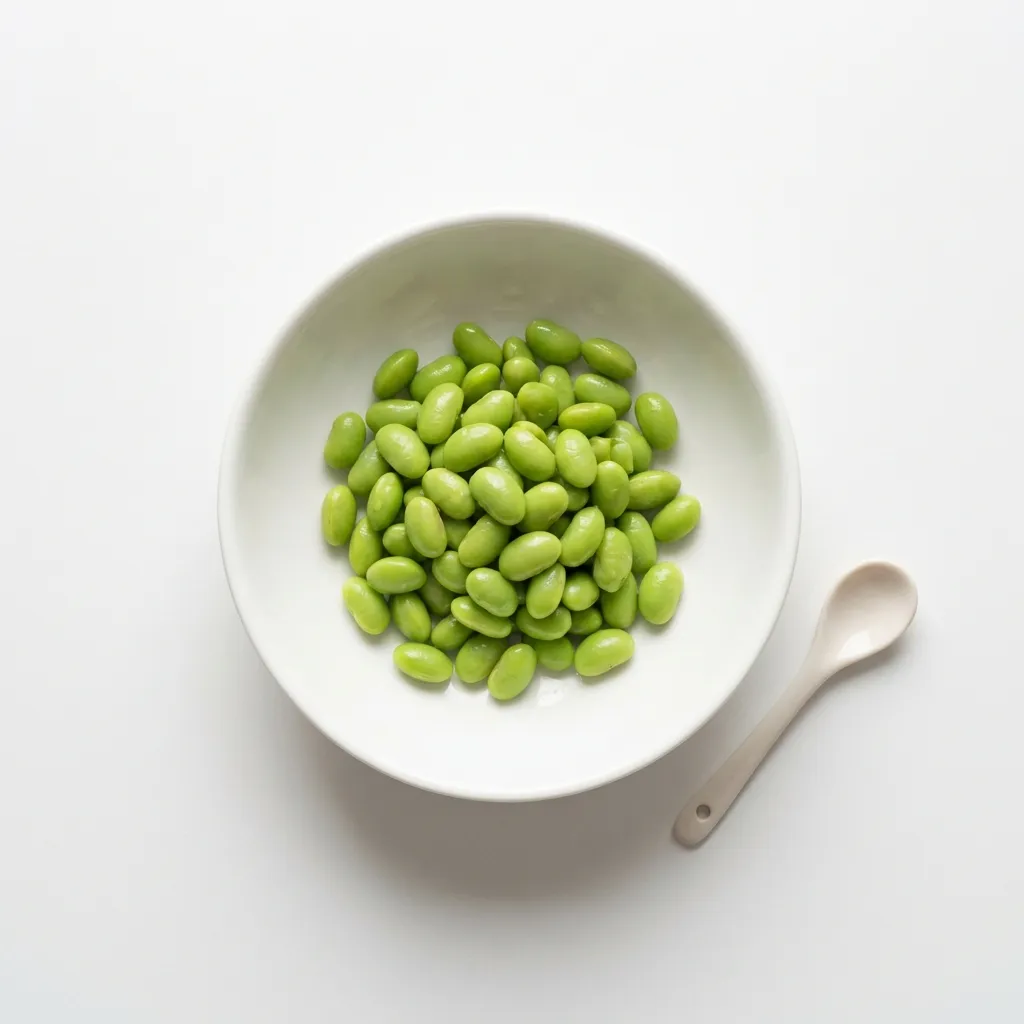
Edamame
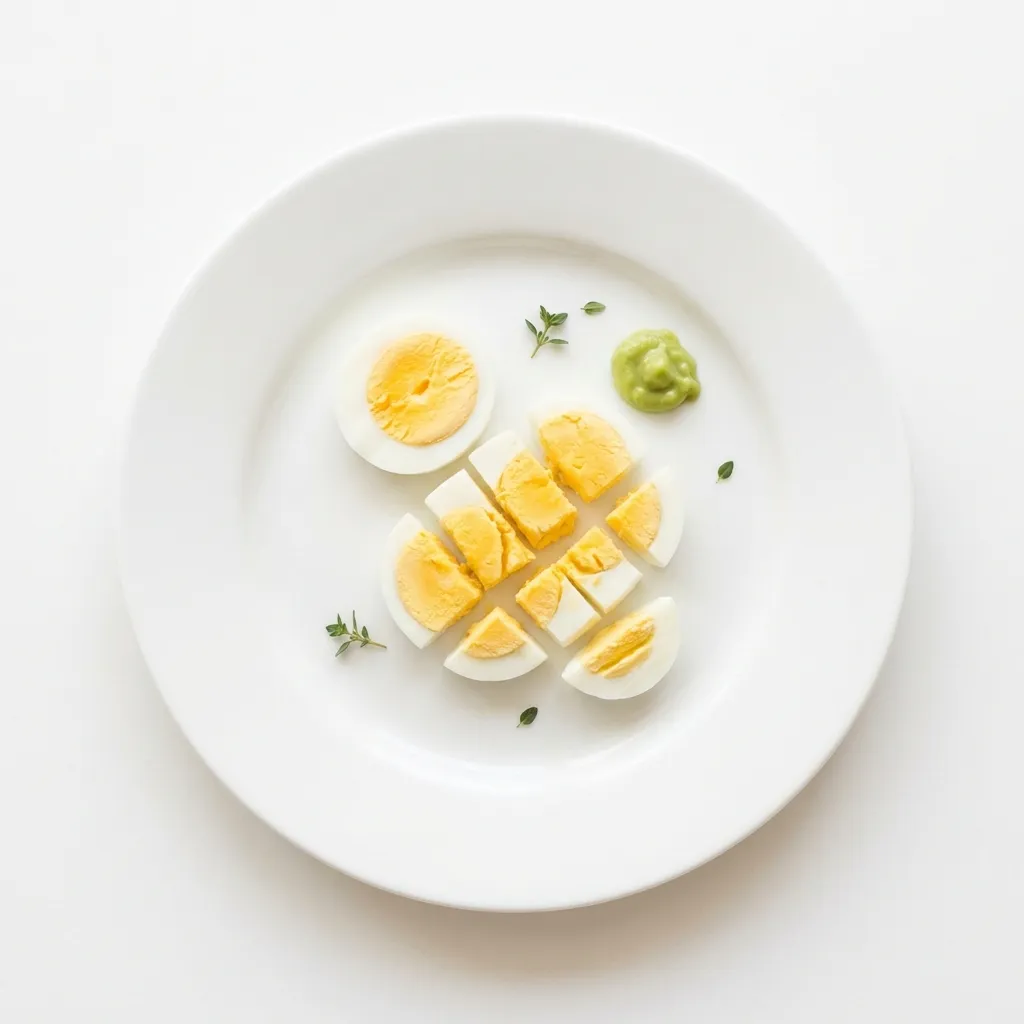
Egg
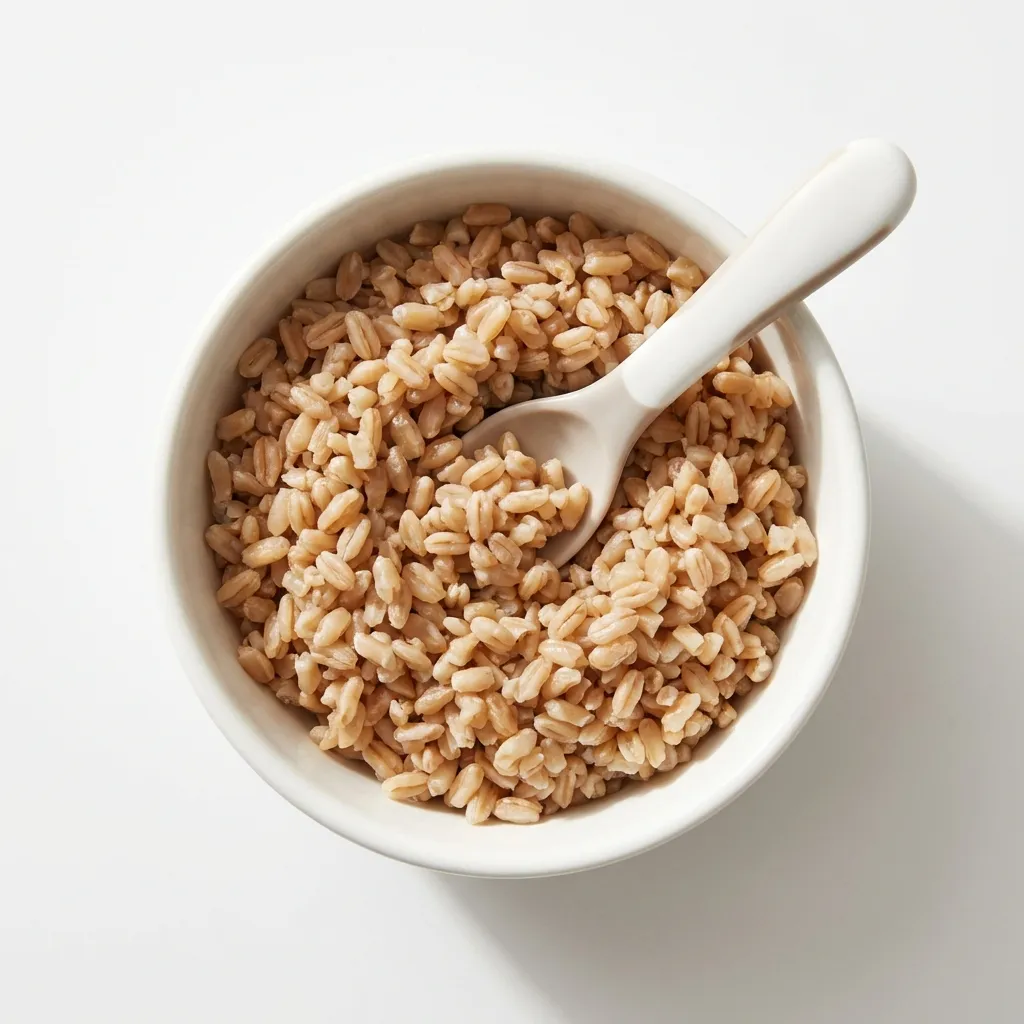
Farro
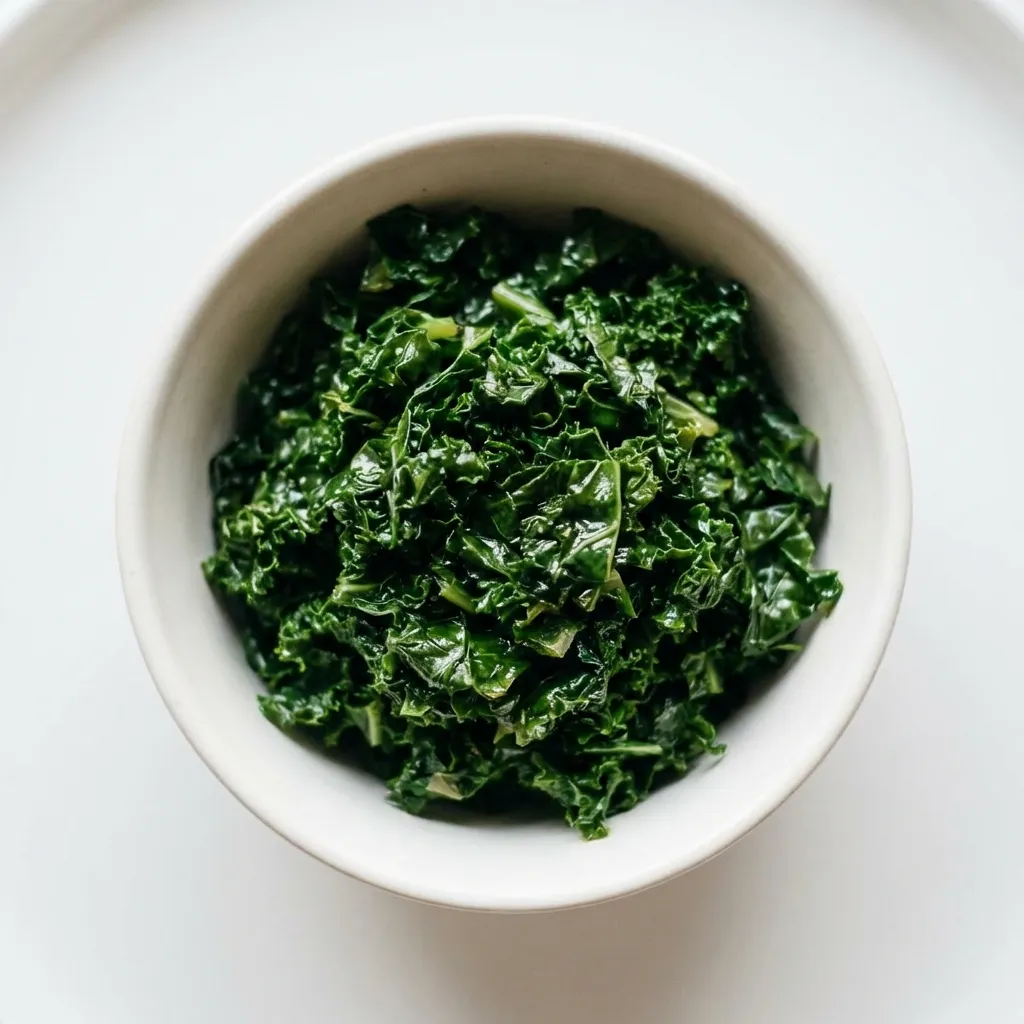
Kale
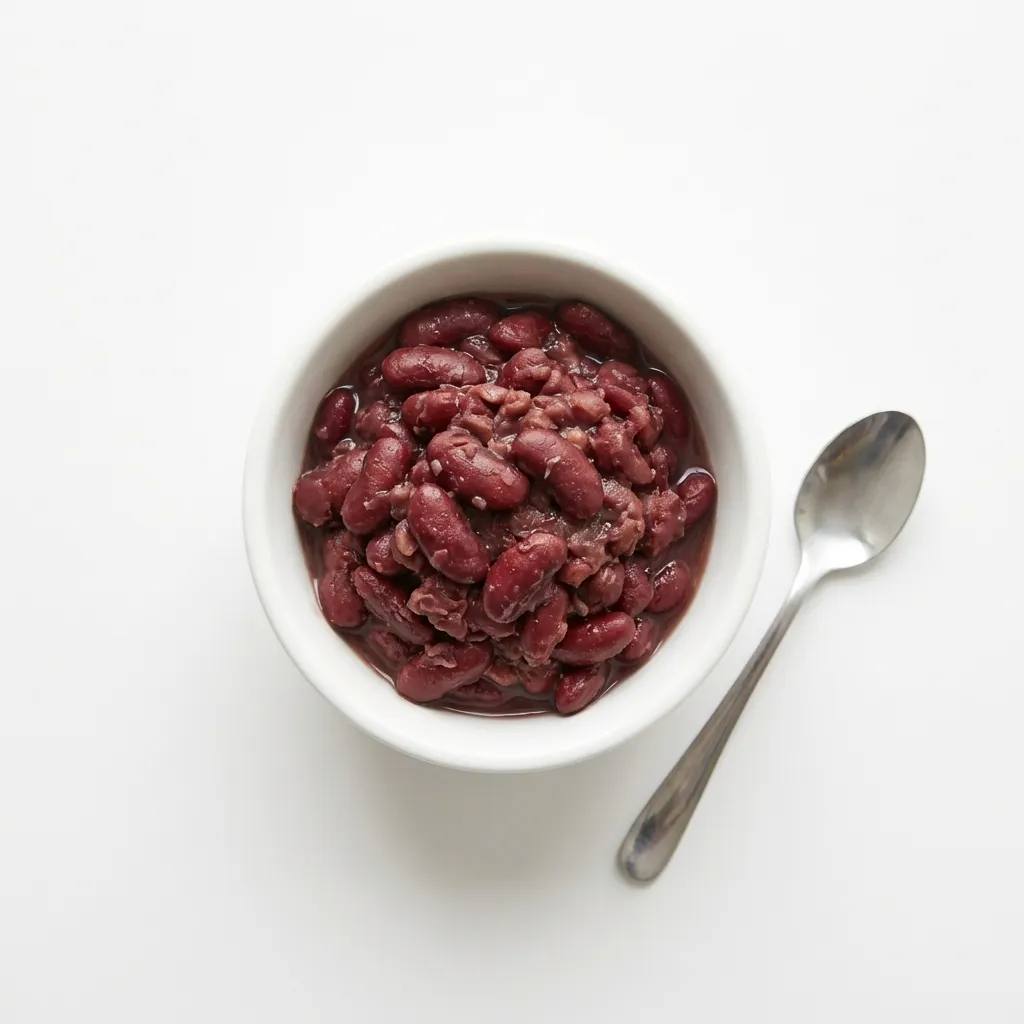
Kidney Beans
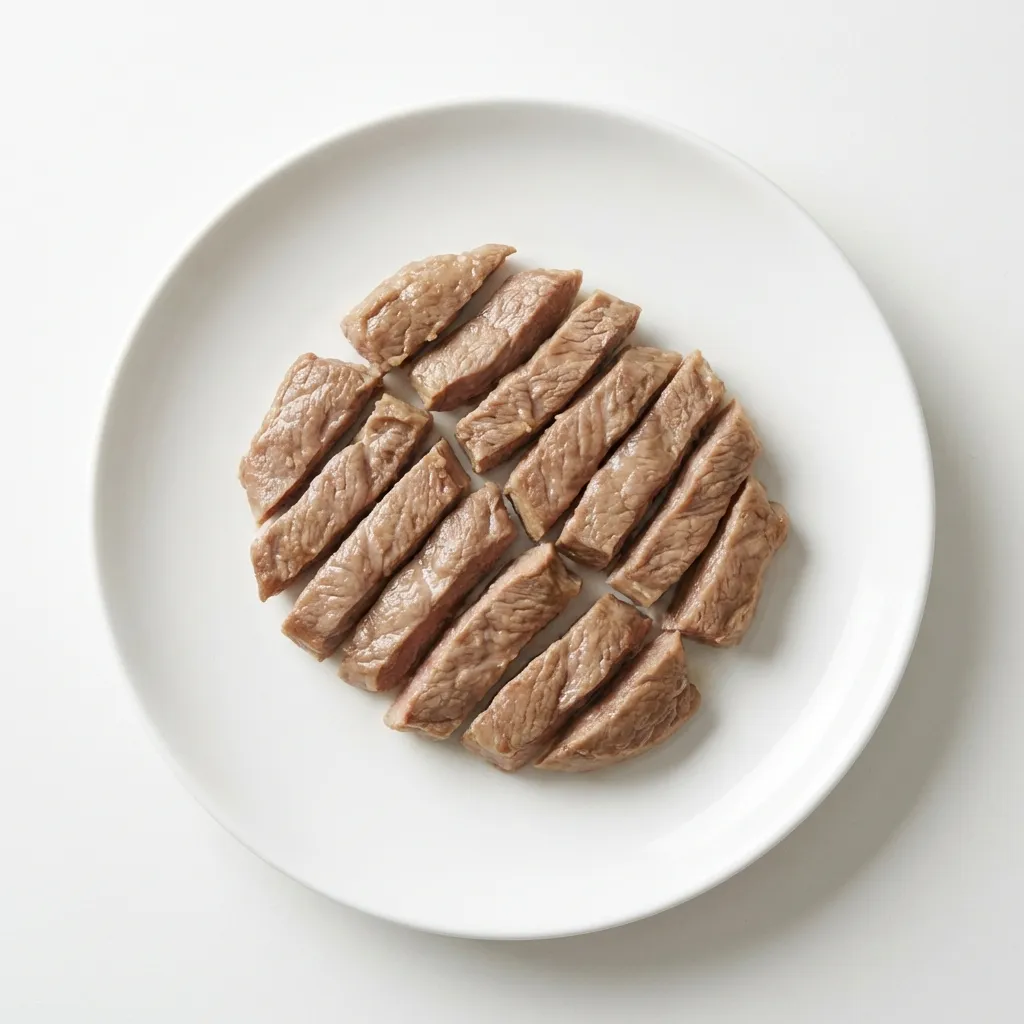
Lamb
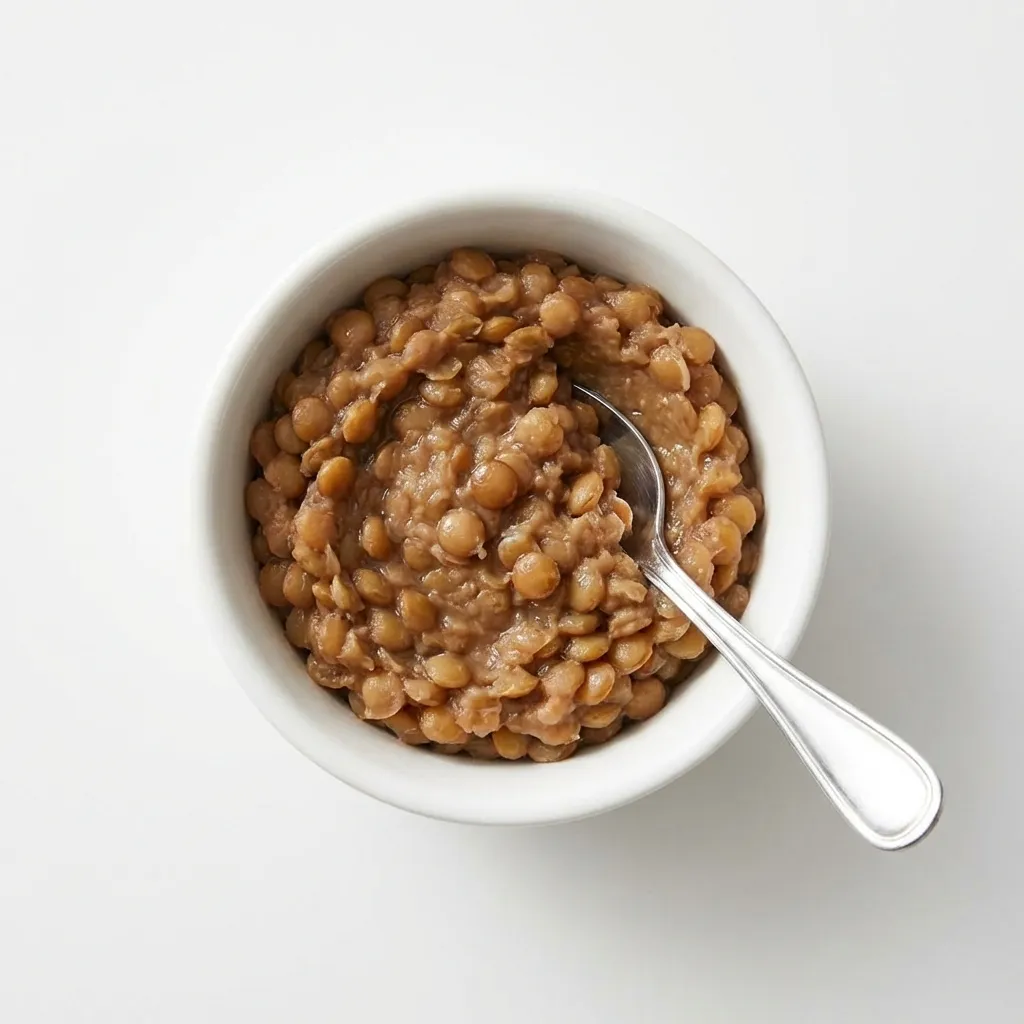
Lentils
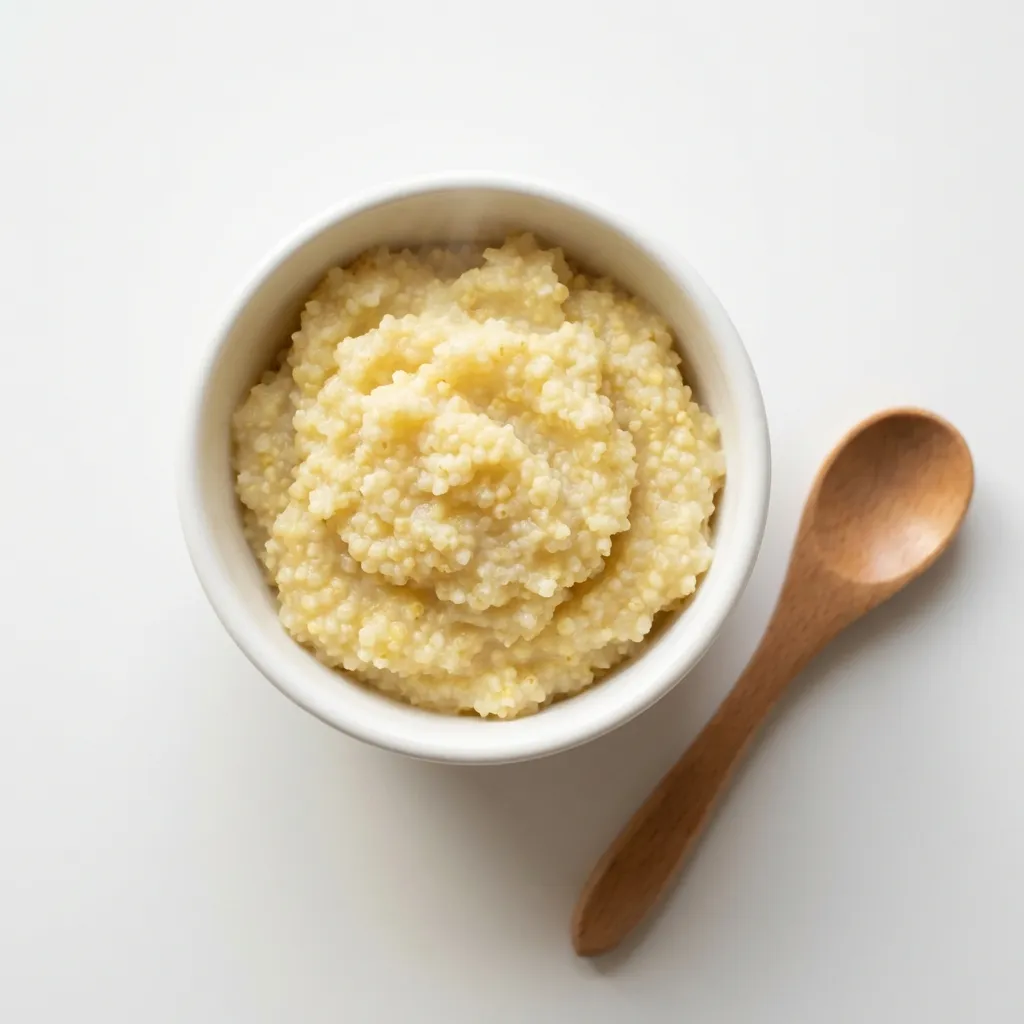
Millet
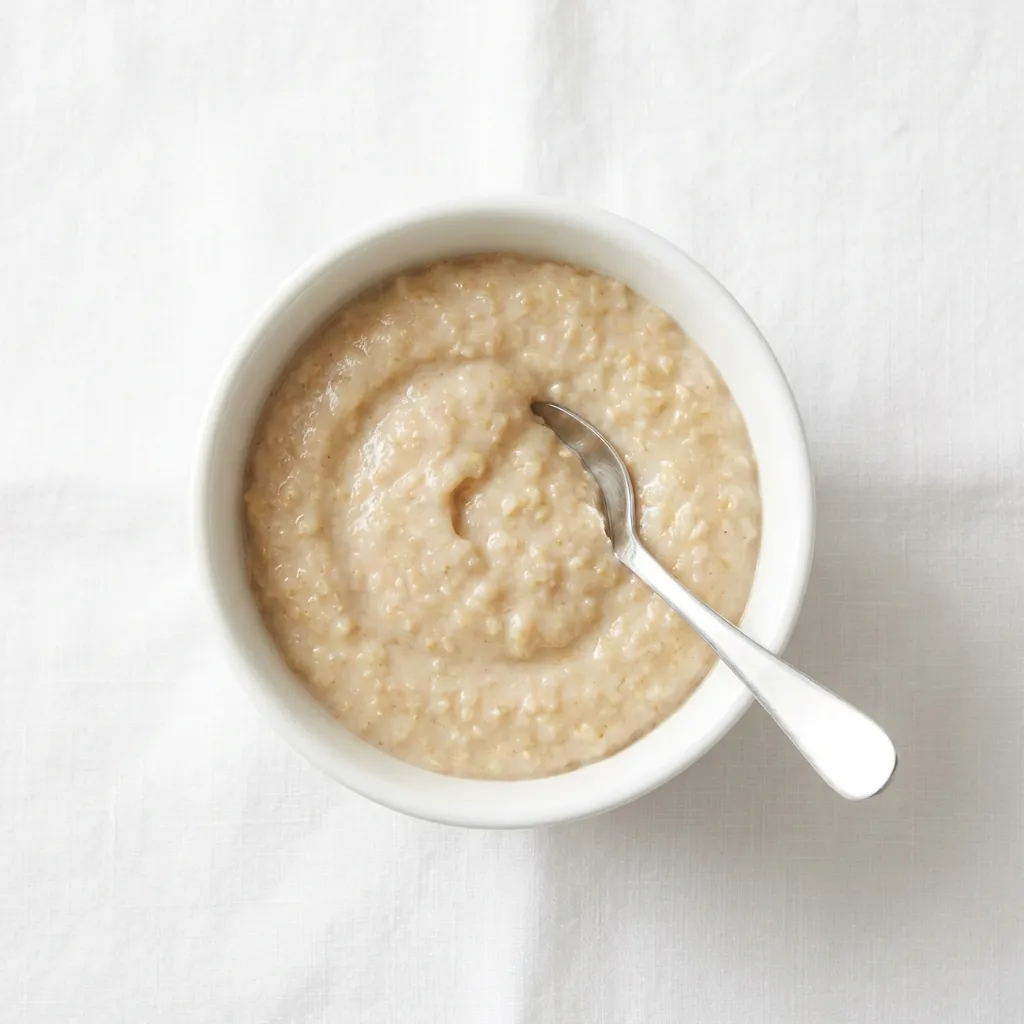
Oatmeal
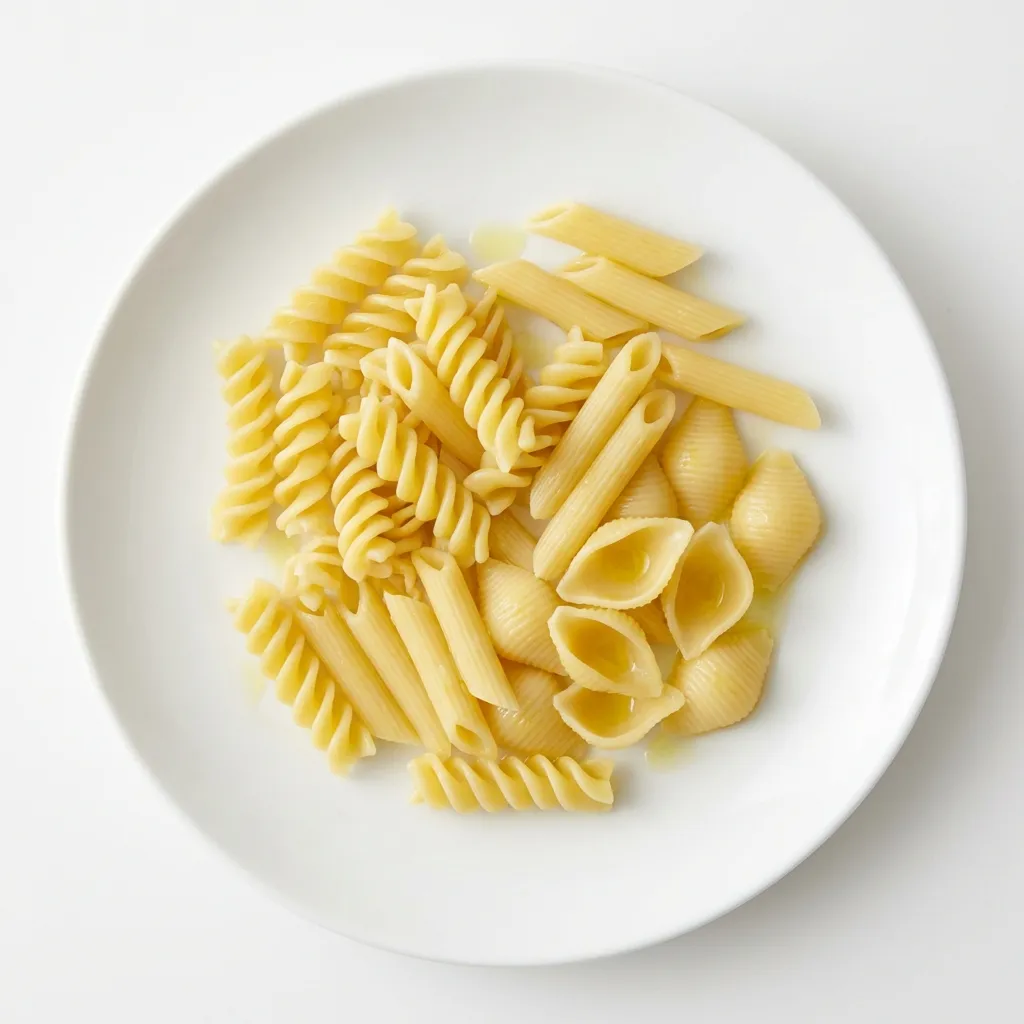
Pasta
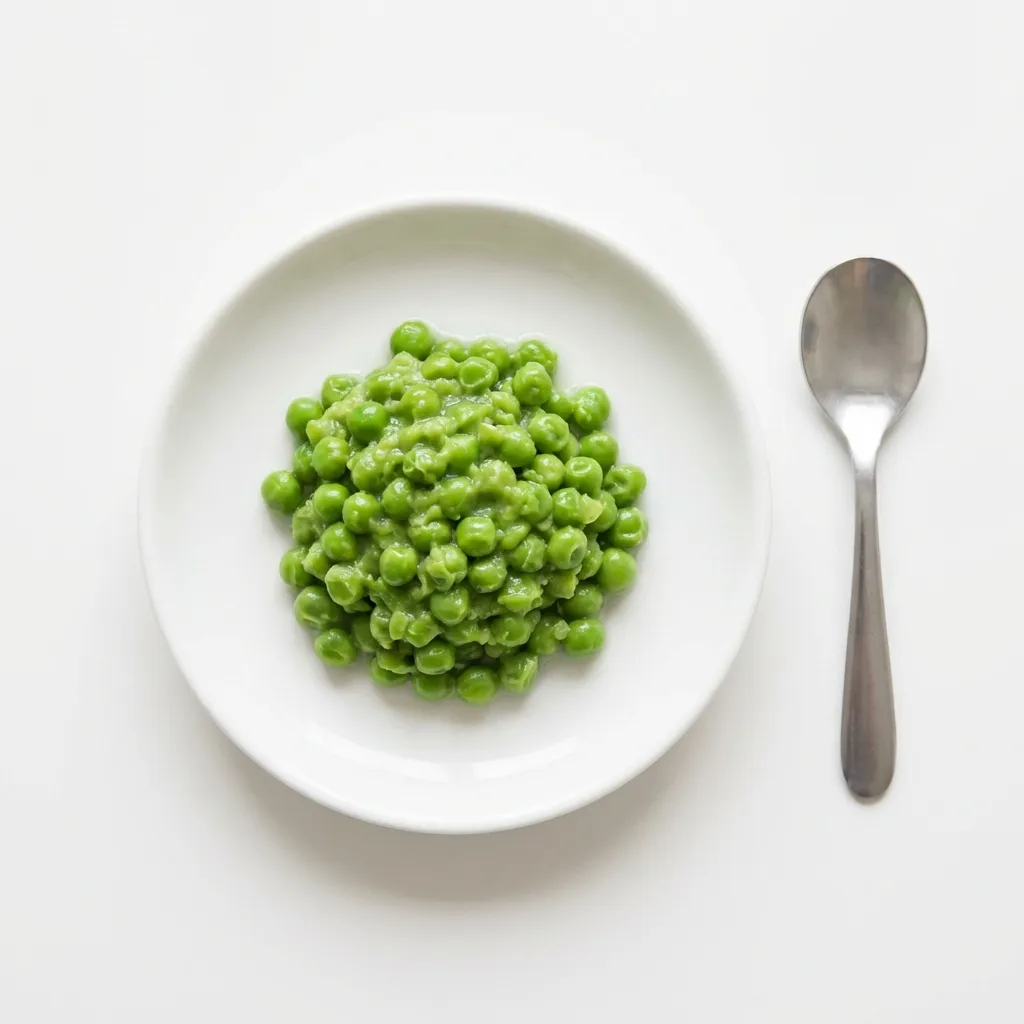
Peas
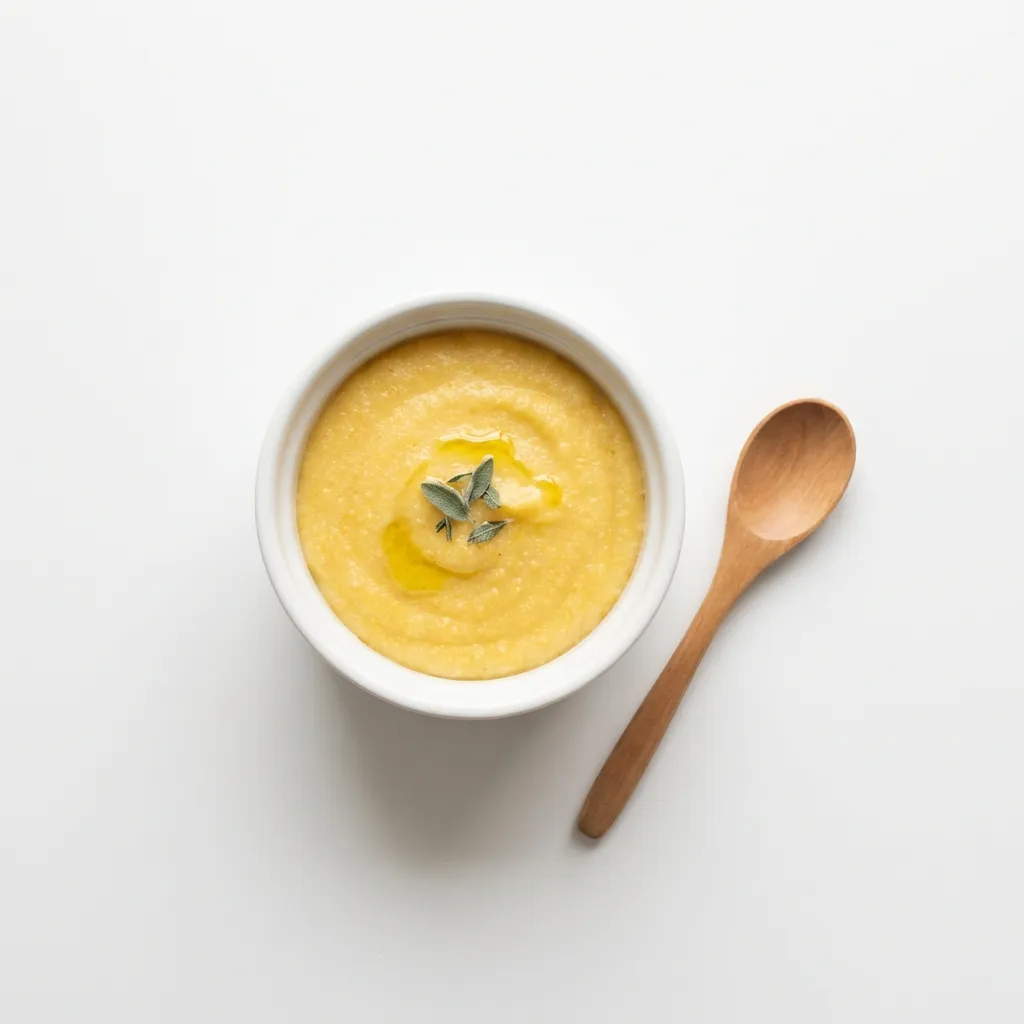
Polenta
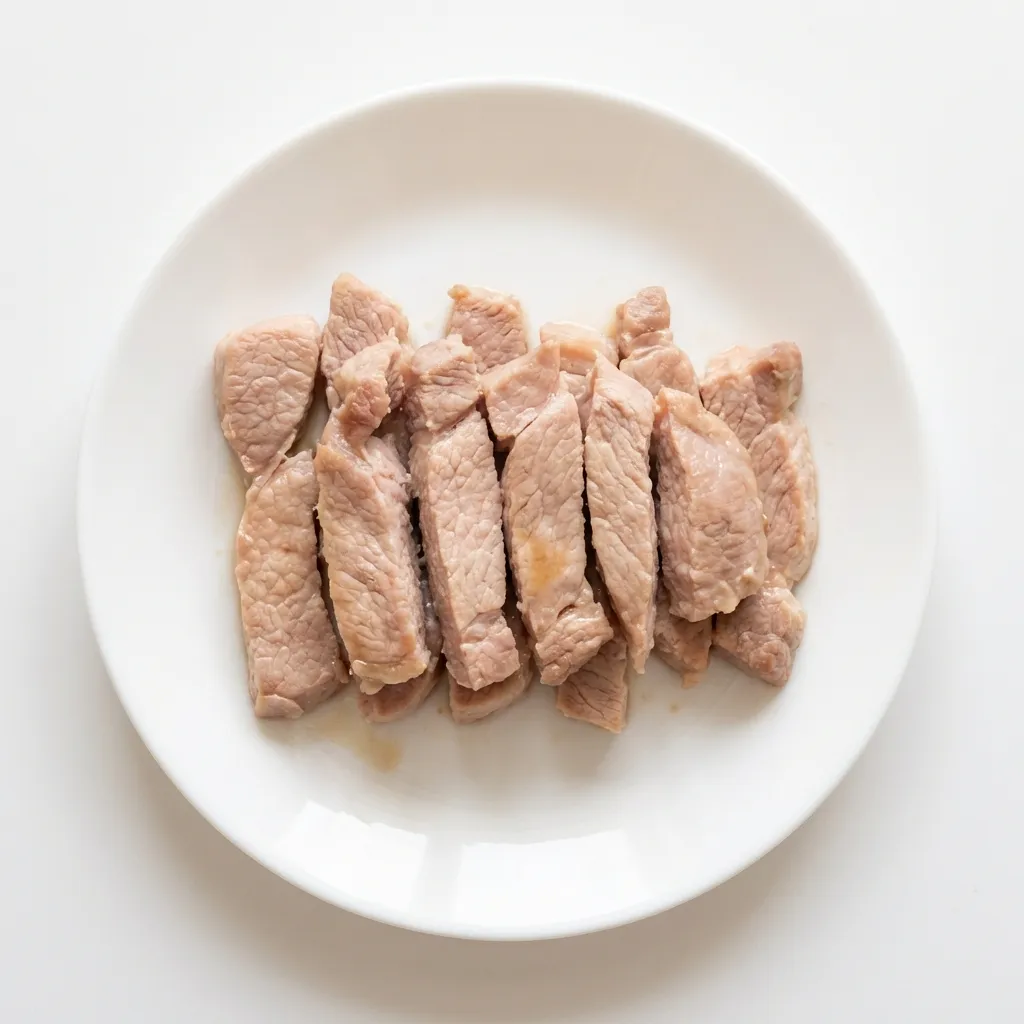
Pork
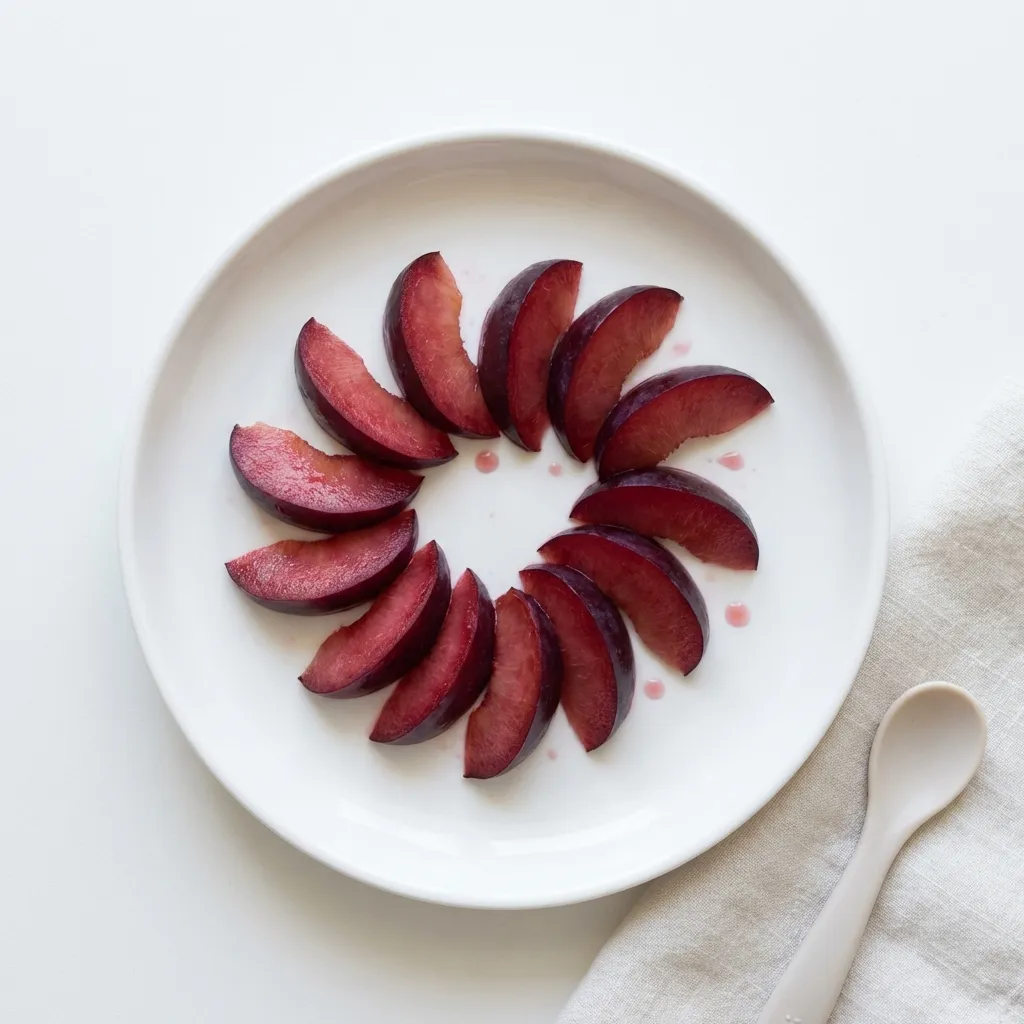
Prunes (Dried Plums)
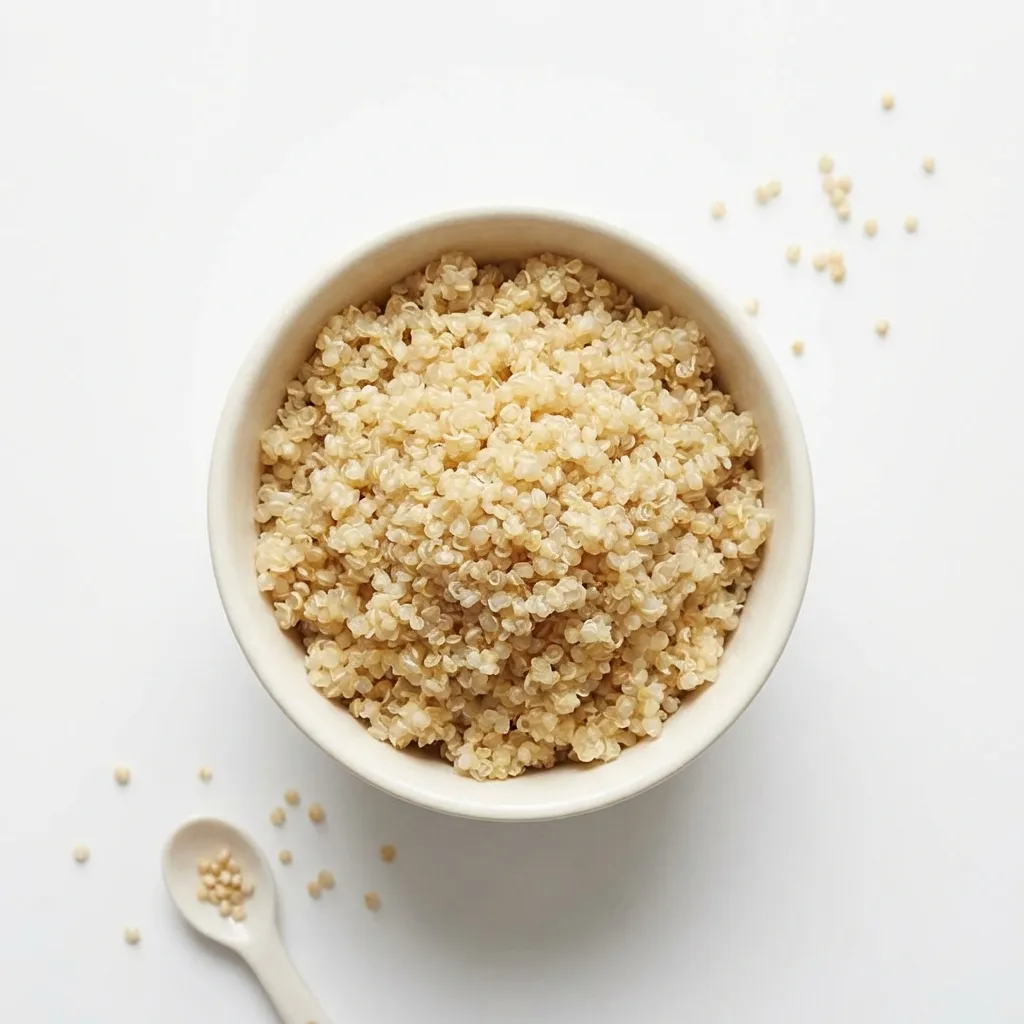
Quinoa
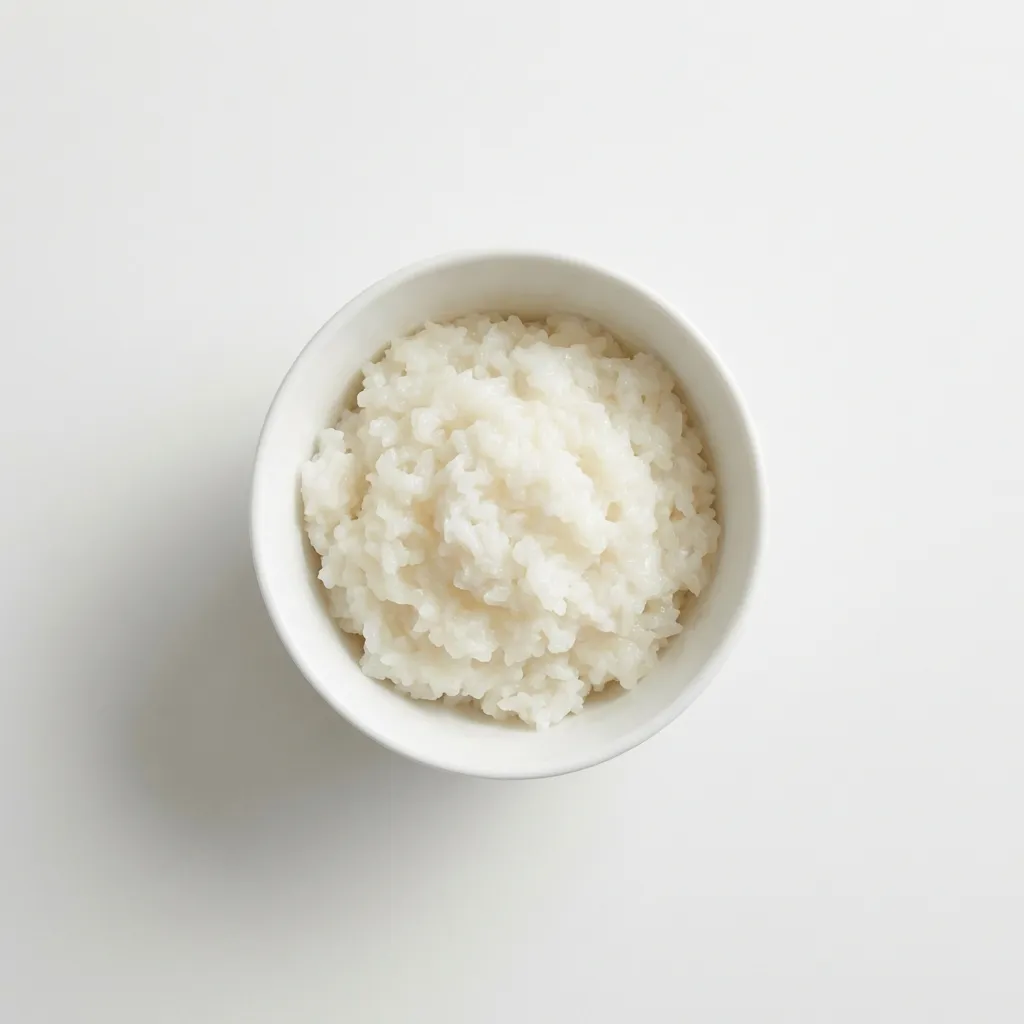
Rice
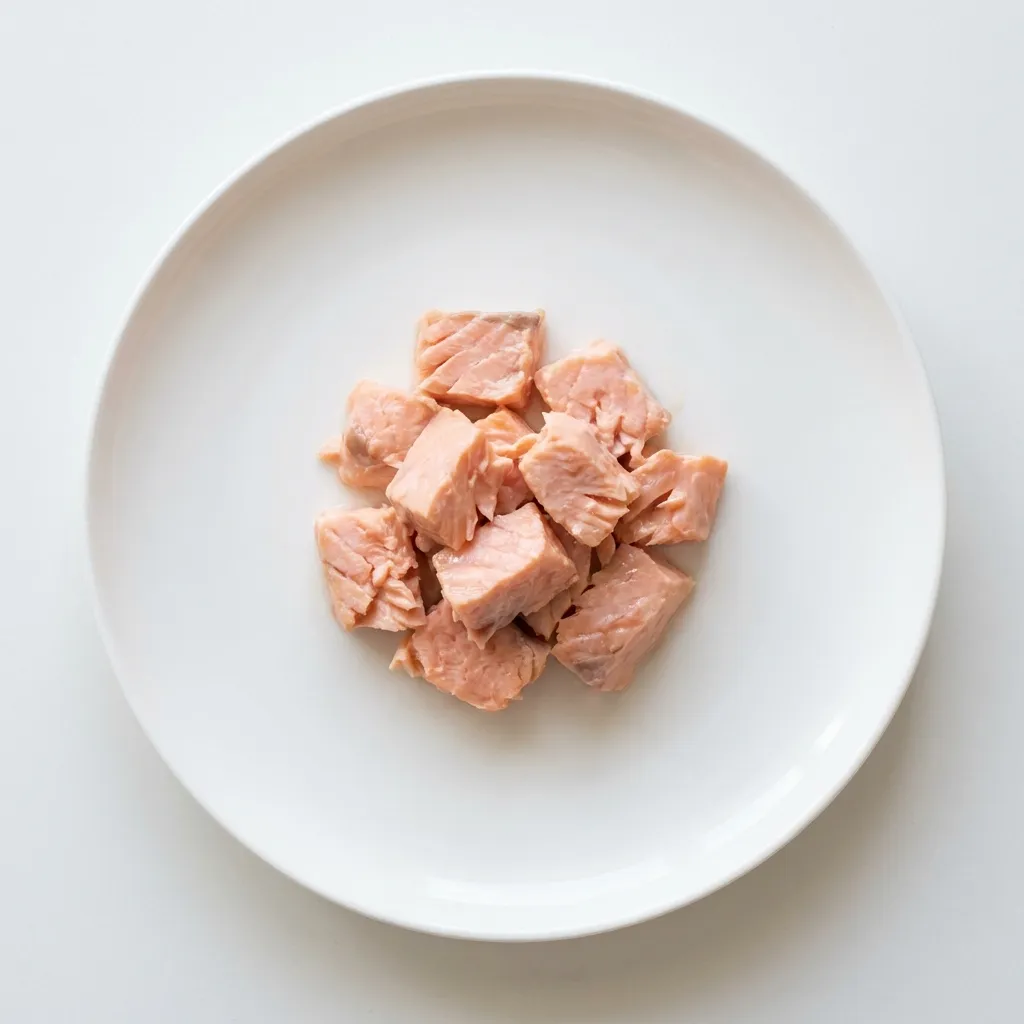
Salmon
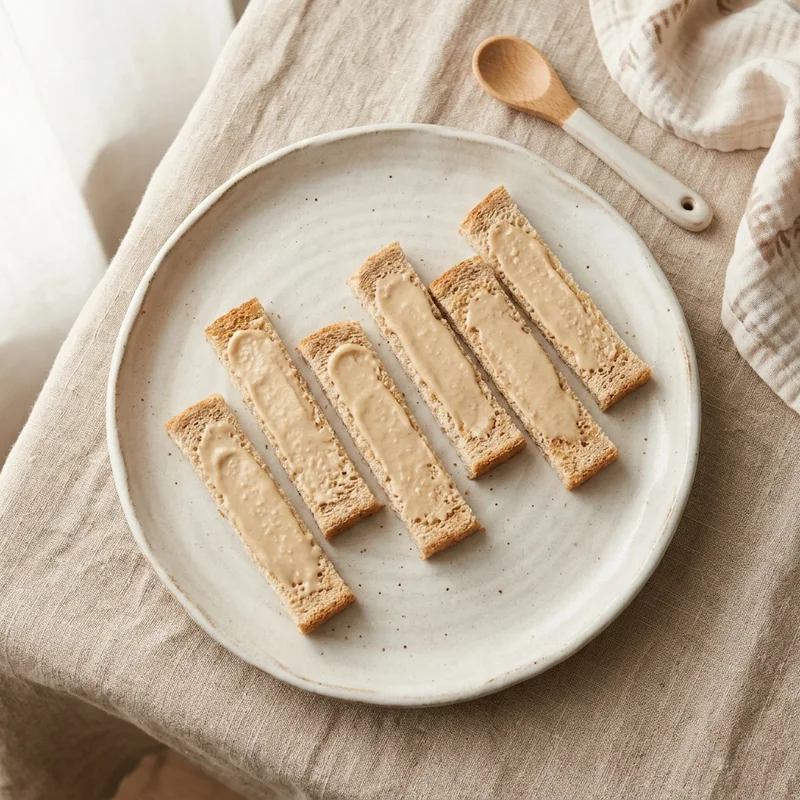
Sesame
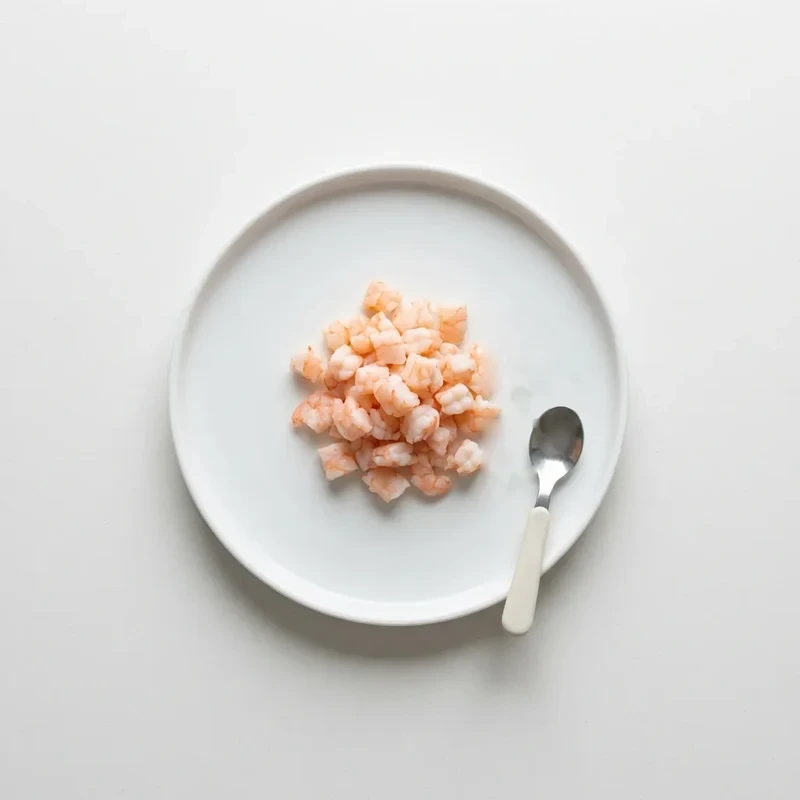
Shrimp
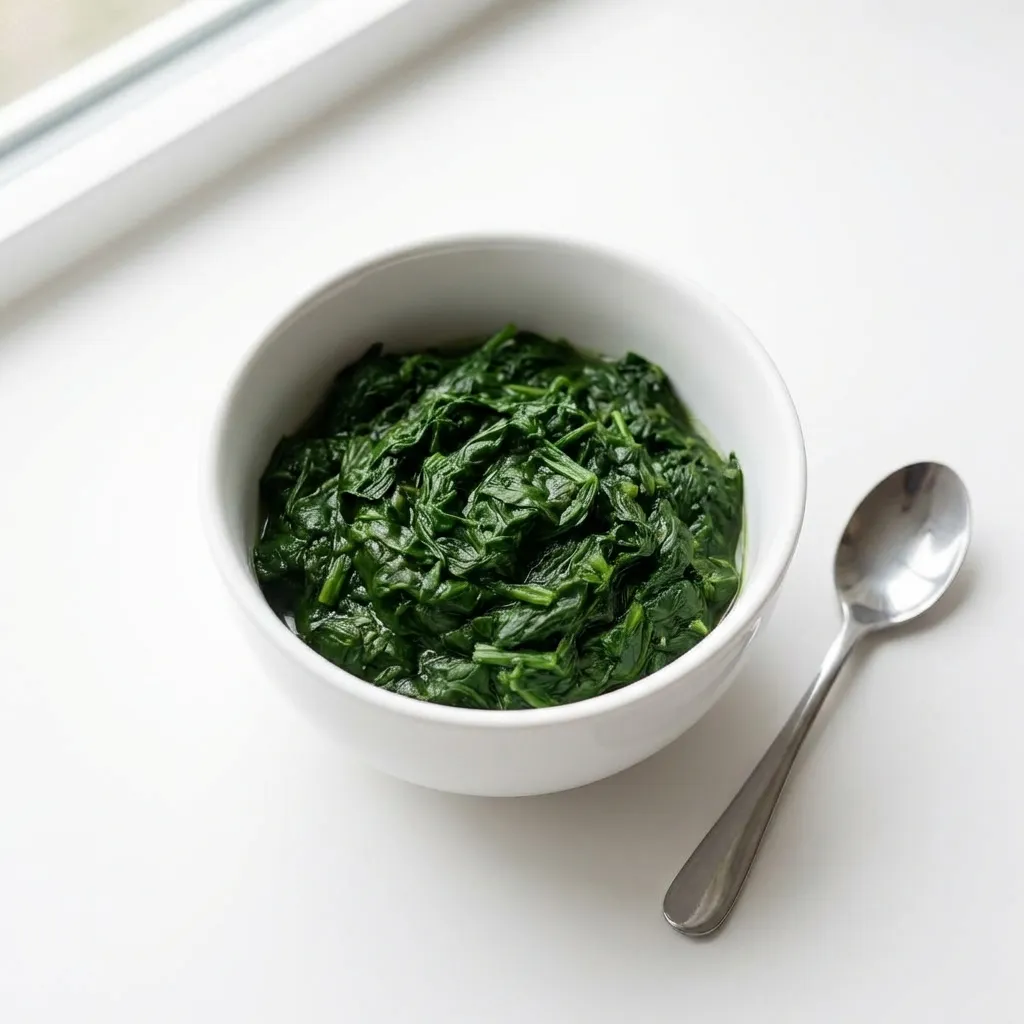
Spinach
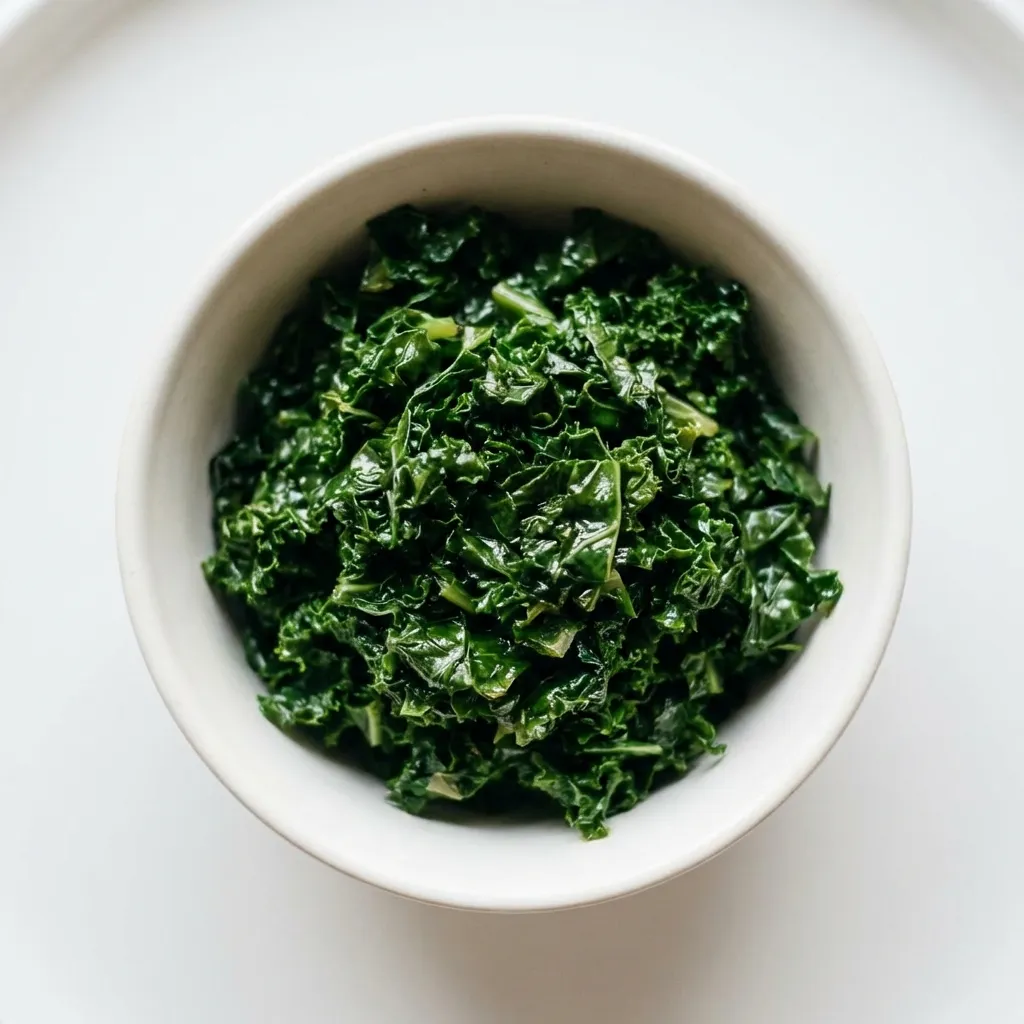
Swiss Chard
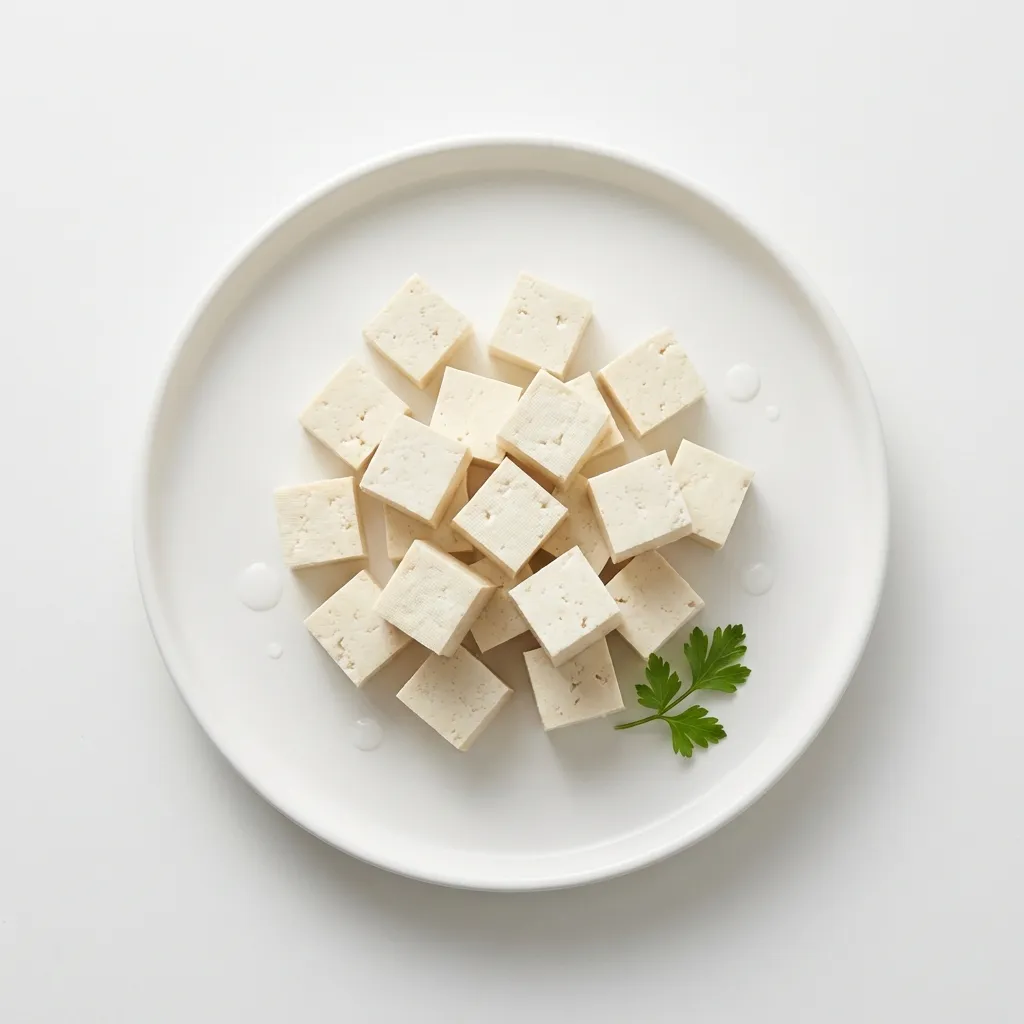
Tofu
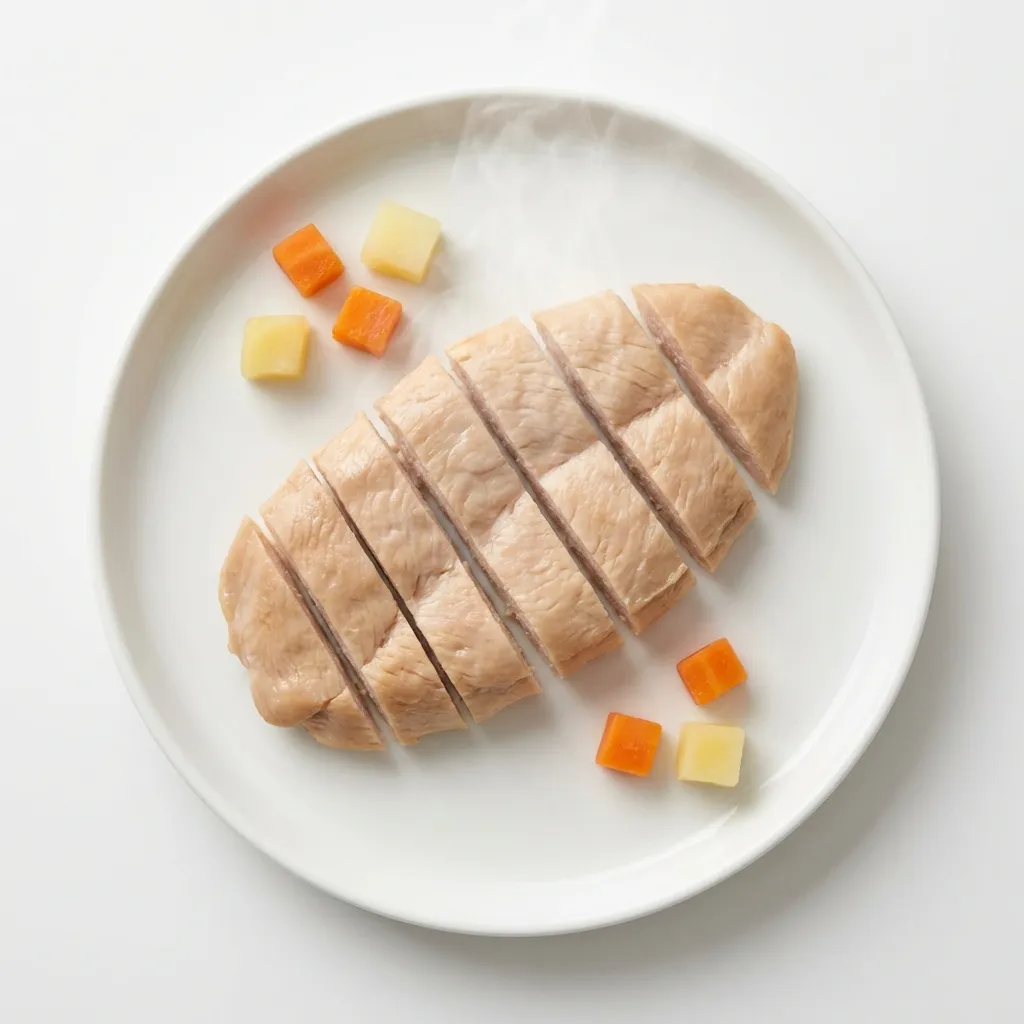
Turkey
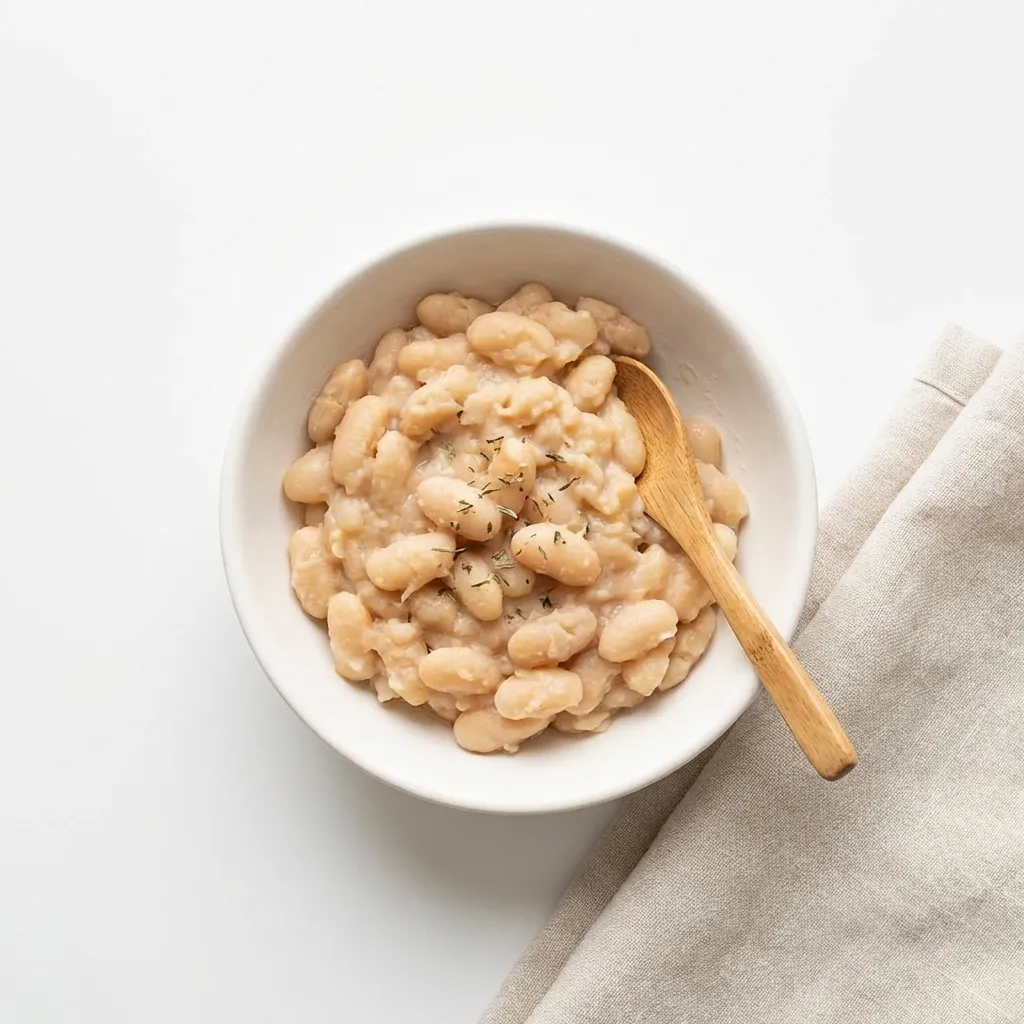
White Beans
Frequently Asked Questions
Answers synthesized from CDC, AAP, Health Canada, Canadian Paediatric Society, Alberta Health Services, NHS, and WHO references.
What is the difference between heme and non-heme iron for babies?
Heme iron comes from animal foods like beef, dark-meat chicken, turkey, and salmon and is absorbed most efficiently by the body. Non-heme iron comes from lentils, beans, tofu, spinach, eggs, sesame, and iron-fortified cereals—serving them alongside vitamin C fruits or vegetables significantly boosts absorption.
How can a 6-month-old safely eat beef or chicken?
Simmer or slow-cook meat until very tender, then blend smoothly with unsalted broth or vegetable puree for spoon-feeding, or mince finely into soft mashes. For baby-led weaning, a soft moist meatball or tender shredded mix bound with mashed sweet potato prevents dry choking hazards.
Are plant-based iron-rich foods enough for vegetarian babies?
Well-planned vegetarian infant diets can meet iron needs by serving iron-fortified infant oatmeal, soft lentils, calcium-set tofu, beans, eggs, and thinned tahini regularly paired with vitamin C foods. Check with your baby’s pediatrician or family doctor about individualized iron and B12 needs.
Why does cow’s milk affect infant iron status?
CDC, AAP, and Health Canada all advise waiting until 12 months before serving whole cow’s milk as a main drink (small amounts of plain yogurt or cheese in food are fine from 6 months). Cow’s milk is low in iron and can irritate immature infant intestines or crowd out iron-rich foods.
Explore More Feeding Hubs
Browse by Age Stage & Safety Priority
6-Month First Foods
Age Stage · 6–8 Months
9-Month Finger Foods
Age Stage · 9–12 Months
Top 9 / 11 Allergens
Allergy Safety · US Top 9 & CA Priority 11
BLW Finger Foods
Self-Feeding · BLW Shapes
Choking Hazards
Safety Priority · Modify Before Serving
Official Public-Health Sources Cited
- Canadian Paediatric Society (Caring for Kids):Iron Needs of Babies and Children
- Health Canada:Nutrition for Healthy Term Infants: Iron-Rich First Foods
- Centers for Disease Control and Prevention (CDC):Iron: Infant and Toddler Nutrition
How to Use This Information
This content summarizes official health guidelines from CDC, American Academy of Pediatrics, and Health Canada. We organize their recommendations—we don't create our own. Official guidelines are general; your child's needs may differ.
⚠️ Important:
- •Always consult your pediatrician before introducing new foods, especially if your child has a history of allergies, medical conditions, or special dietary needs.
- •Every child is different. Readiness for foods varies by individual development, not just age.
- •In emergencies, call 911 or your local emergency number immediately.
Based on guidelines from: