
Baby Food Choking Hazards & Safe Cut Modifications
Quick Answer · Official Public-Health Synthesis
Many nutritious everyday foods—including raw apple, whole blueberries, whole grapes, whole tree nuts, thick nut butter, and rubbery shrimp—pose a serious choking hazard for babies and toddlers unless modified by cooking, grating, squishing, lengthwise quartering, mincing, or thinning. High-risk foods are listed first below with exact age-by-age prep fixes.
- Round foods (grapes, cherry tomatoes, blueberries): NEVER serve whole—quarter grapes lengthwise and squish or quarter blueberries.
- Hard raw produce (raw apple, raw carrot): steam or bake until fork-mashable, or finely grate raw peeled apple for older infants.
- Sticky spreads & whole nuts (peanut butter, tree-nut butter, tahini): NEVER serve whole nuts under age 4 or thick globs on a spoon—always thin smoothly with warm liquid or puree.
- Emergency rule: choking is often silent. Always feed seated upright under constant supervision, and call 911 immediately if a child cannot cough, cry, or breathe.
US vs. Canada Official Guideline Notes
Curated from public-health agencies — non-clinical referenceUnited States (CDC & AAP)
CDC and AAP classify whole grapes, raw hard fruits/vegetables, whole nuts/seeds, globs of nut butter, hot dog rounds, popcorn, and tough meat chunks as top pediatric choking hazards through age 4, emphasizing cooking, grating, quartering lengthwise, and thinning.
Canada (Health Canada & Canadian Paediatric Society)
Health Canada and CPS echo the same under-age-4 hazard rules—warning never to serve hard, small, round, smooth, or sticky foods unmodified, requiring seated upright supervision (never in moving strollers or car seats), and encouraging infant CPR/choking first-aid readiness.
Key Takeaway: Choking prevention is never paywalled and follows universal physics across the US, Canada, UK, and WHO: eliminate firm coin-sized cylinders, hard raw chunks, whole nuts, and sticky clumps before food reaches the tray.
Choking Hazards Directory (33)
Select any food for exact 6–8m, 9–12m, and 12m+ cut sizes, textures, and official safety notes.
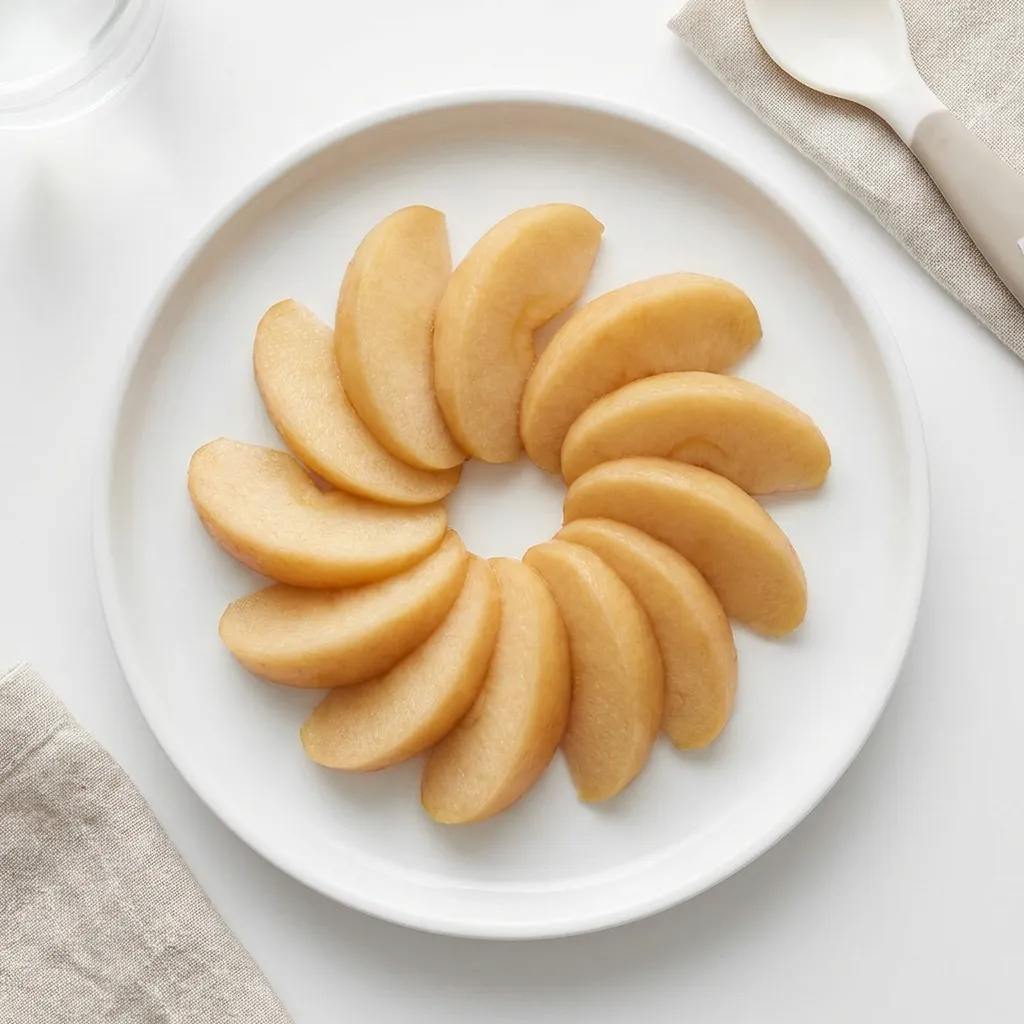
Apple
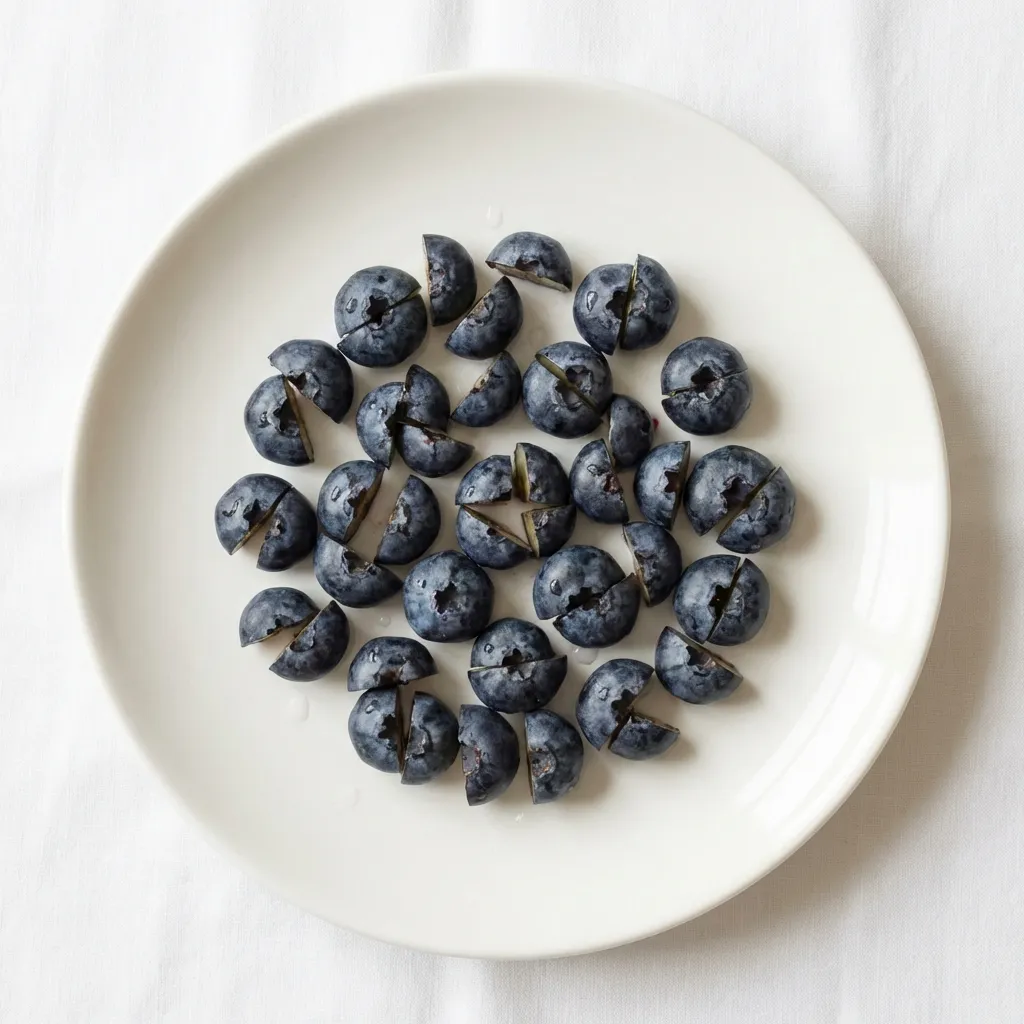
Blueberry
Dates
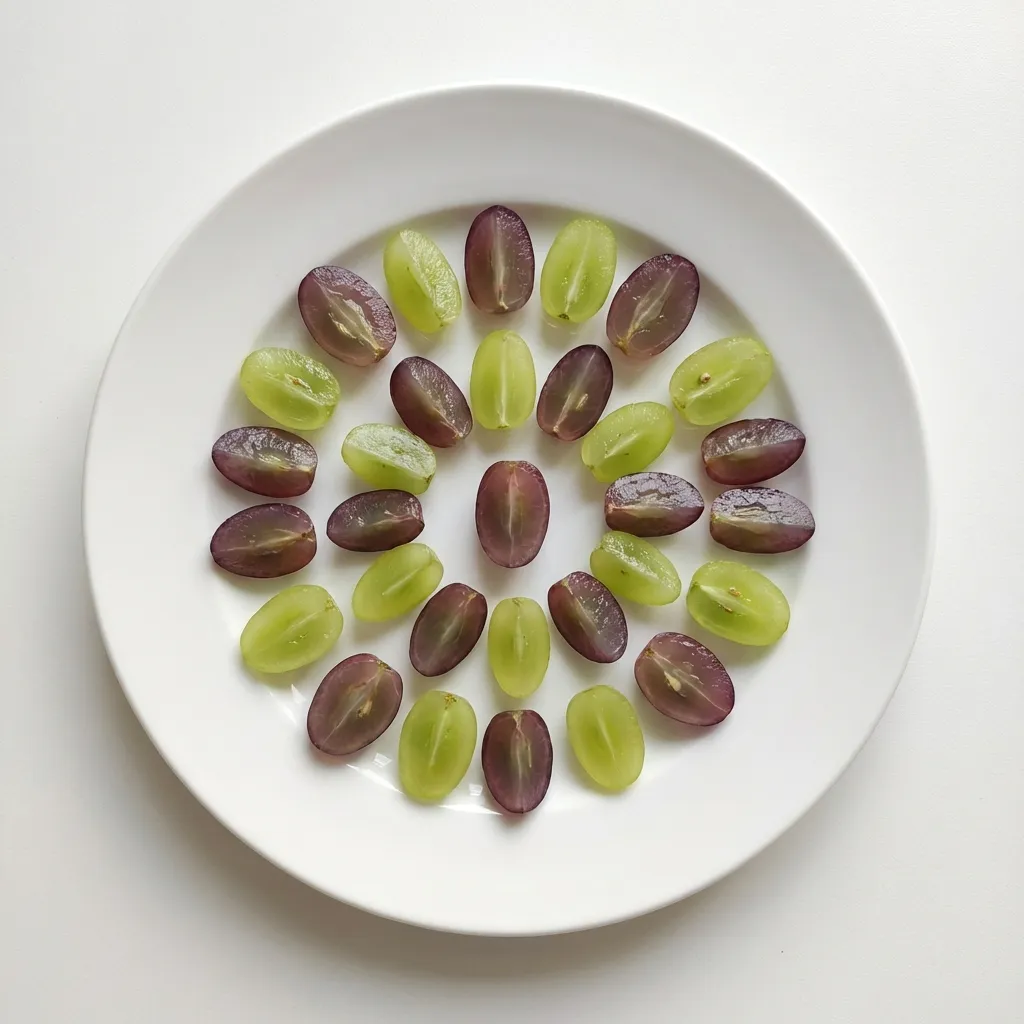
Grape
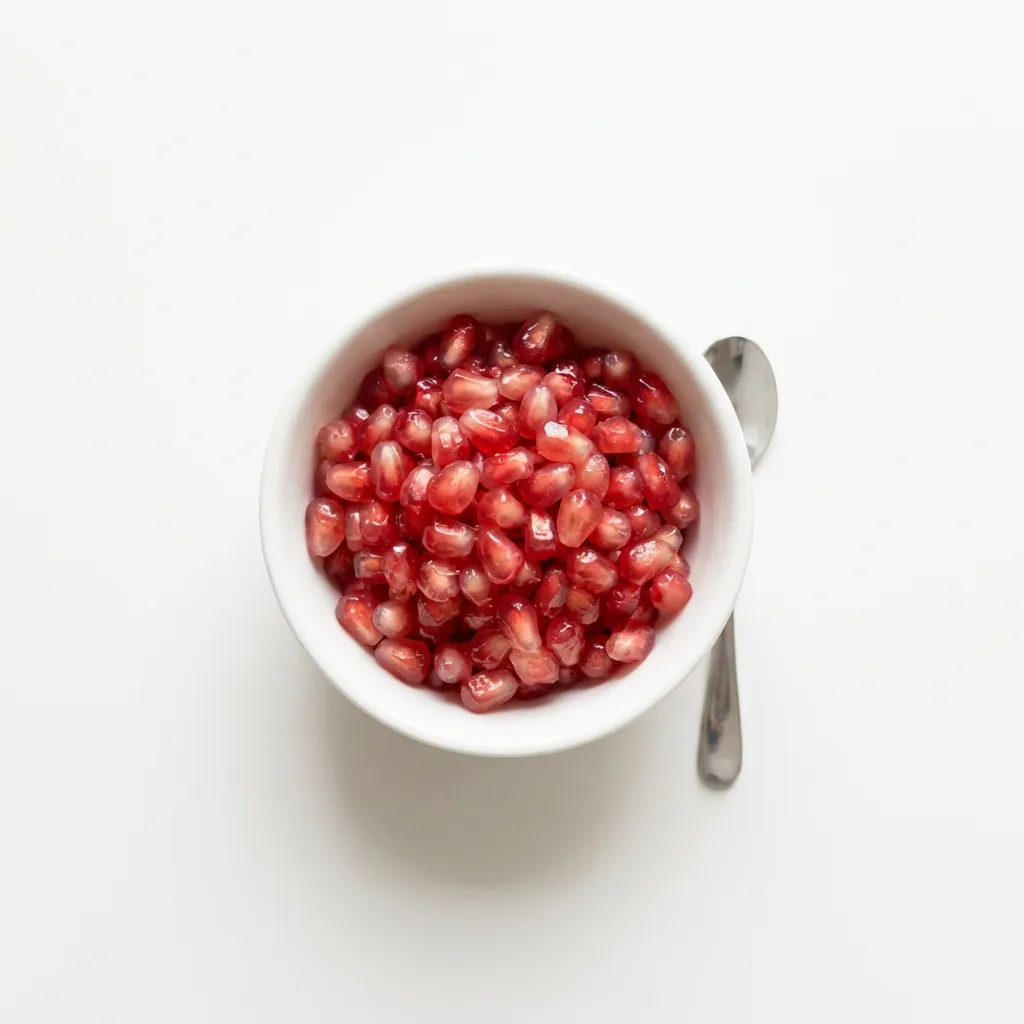
Pomegranate
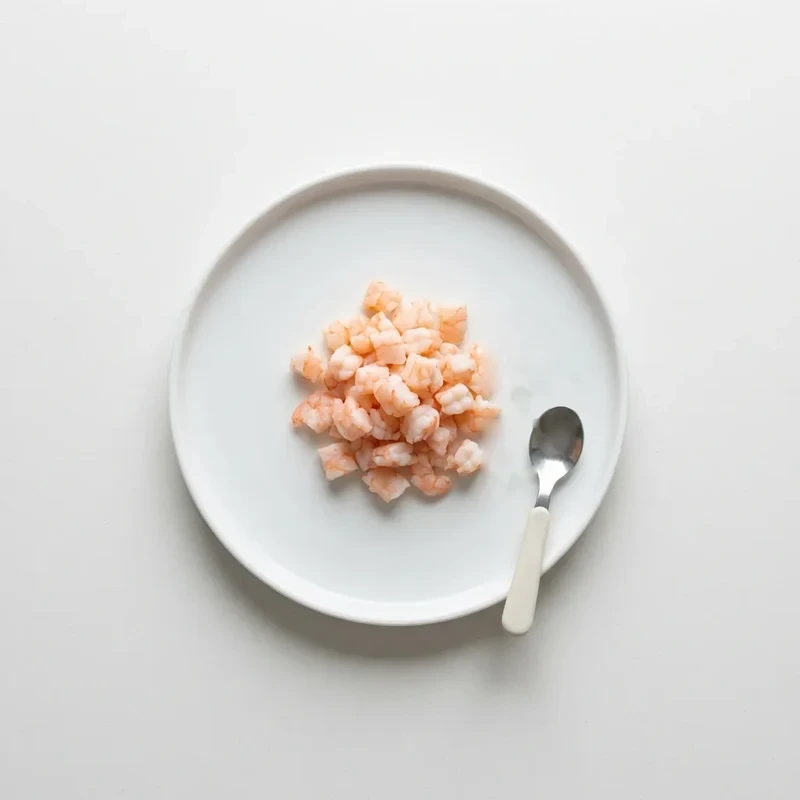
Shrimp
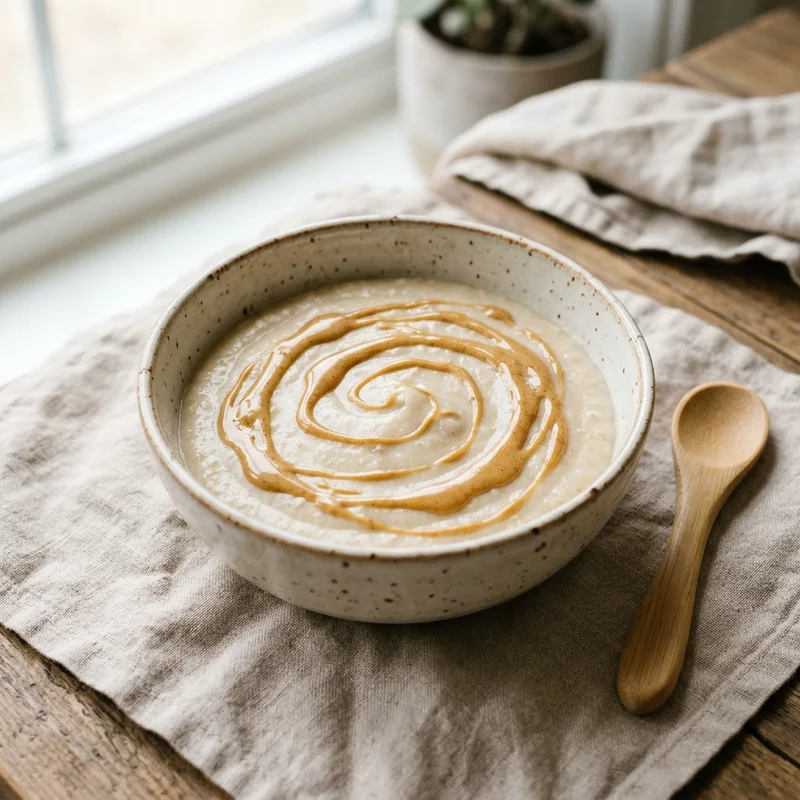
Tree Nuts
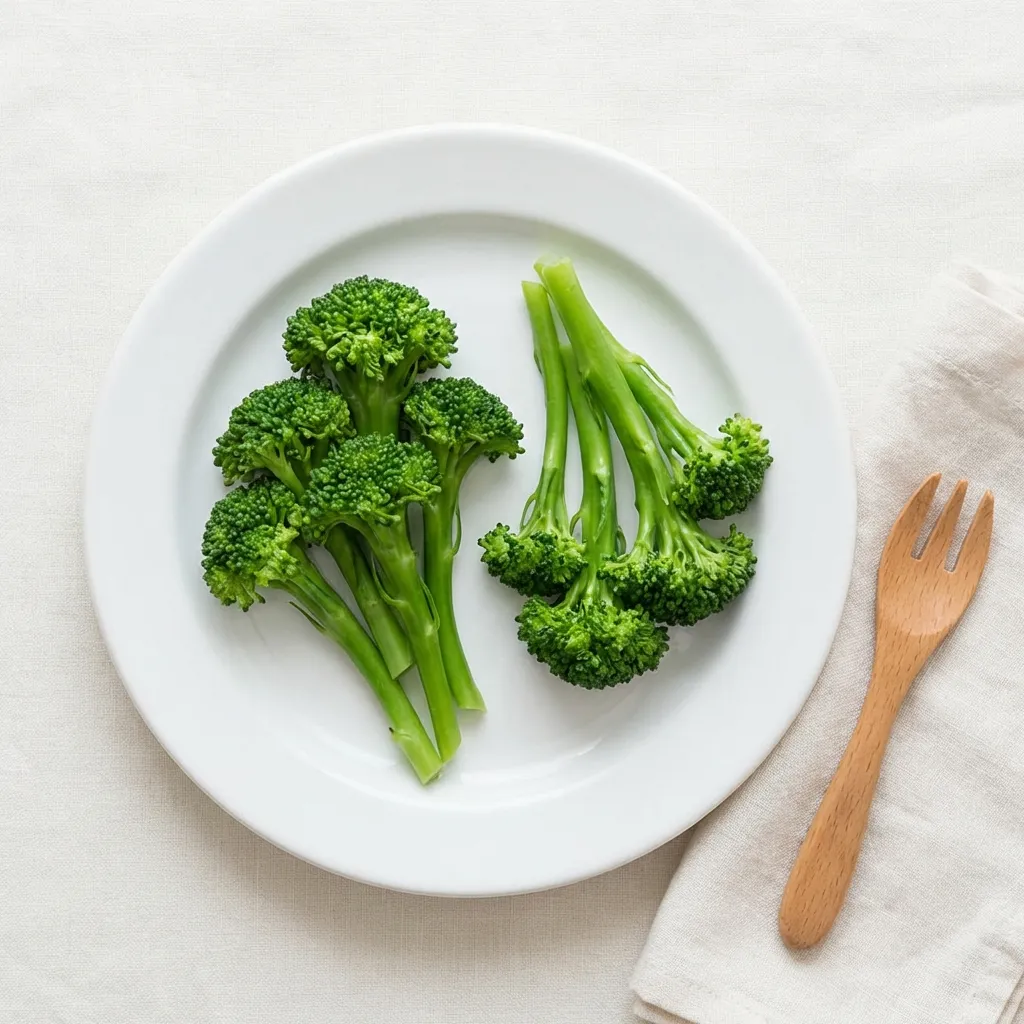
Artichoke
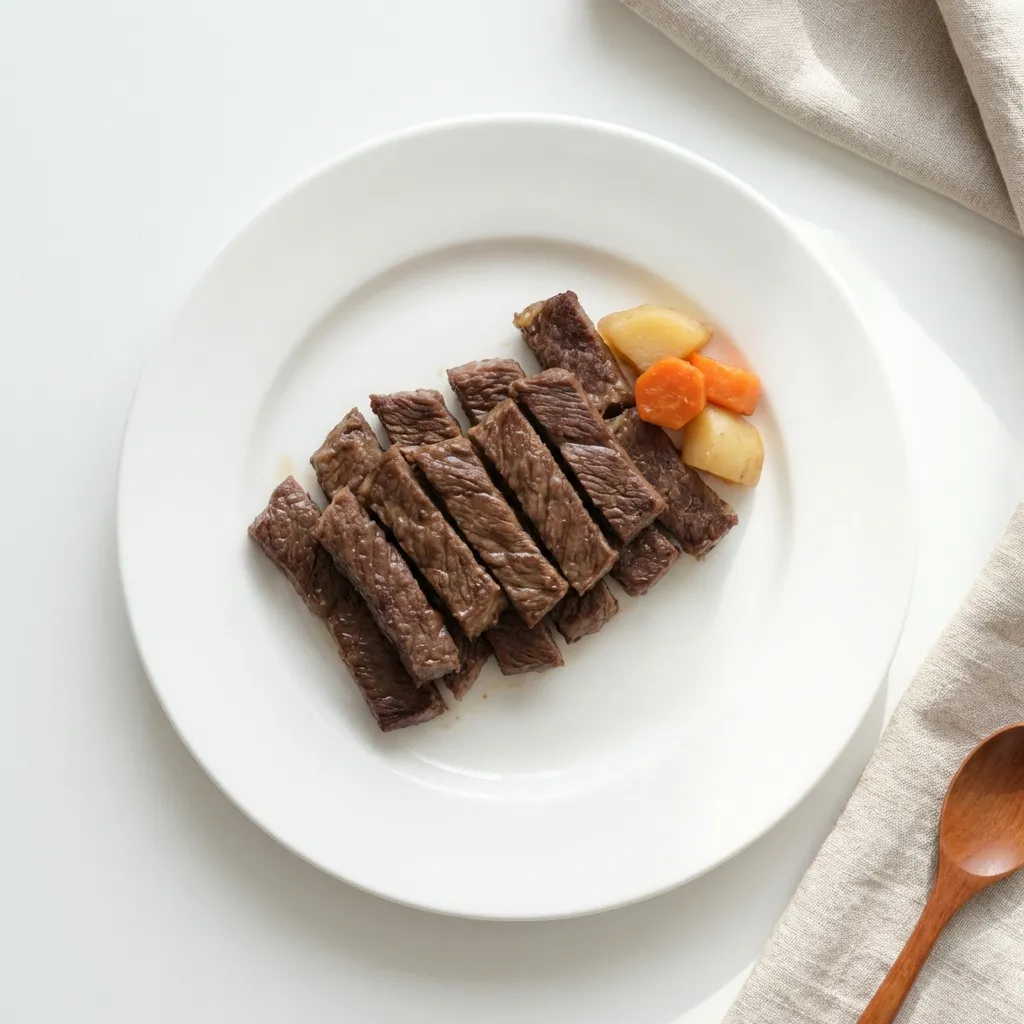
Beef
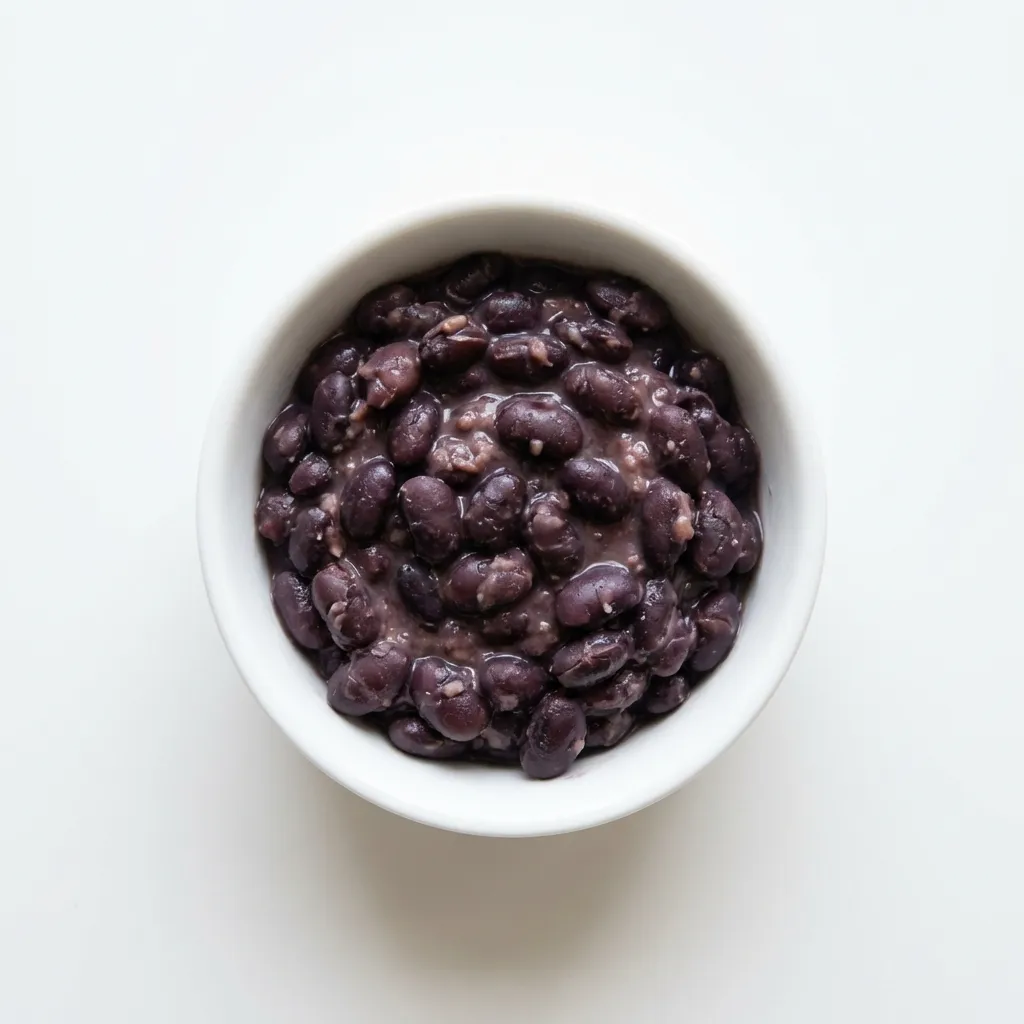
Black Beans
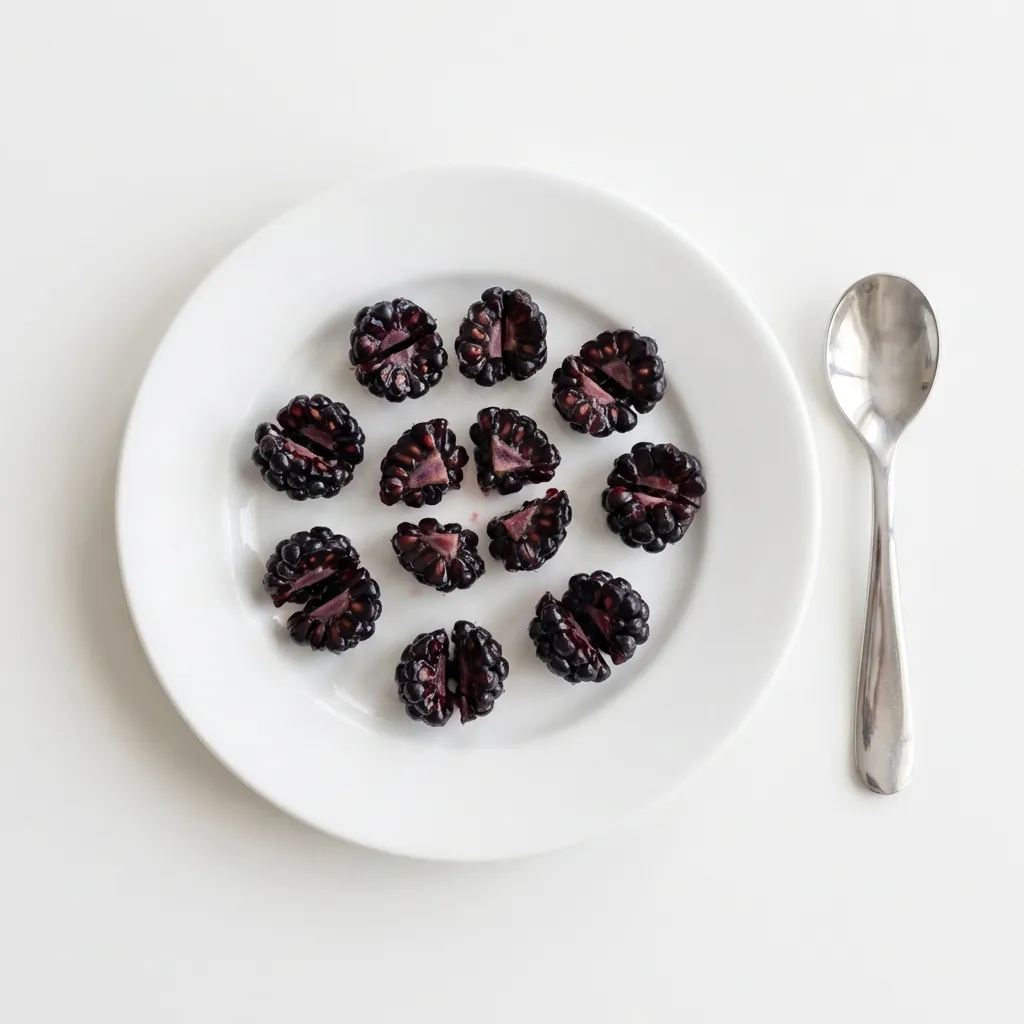
Blackberry
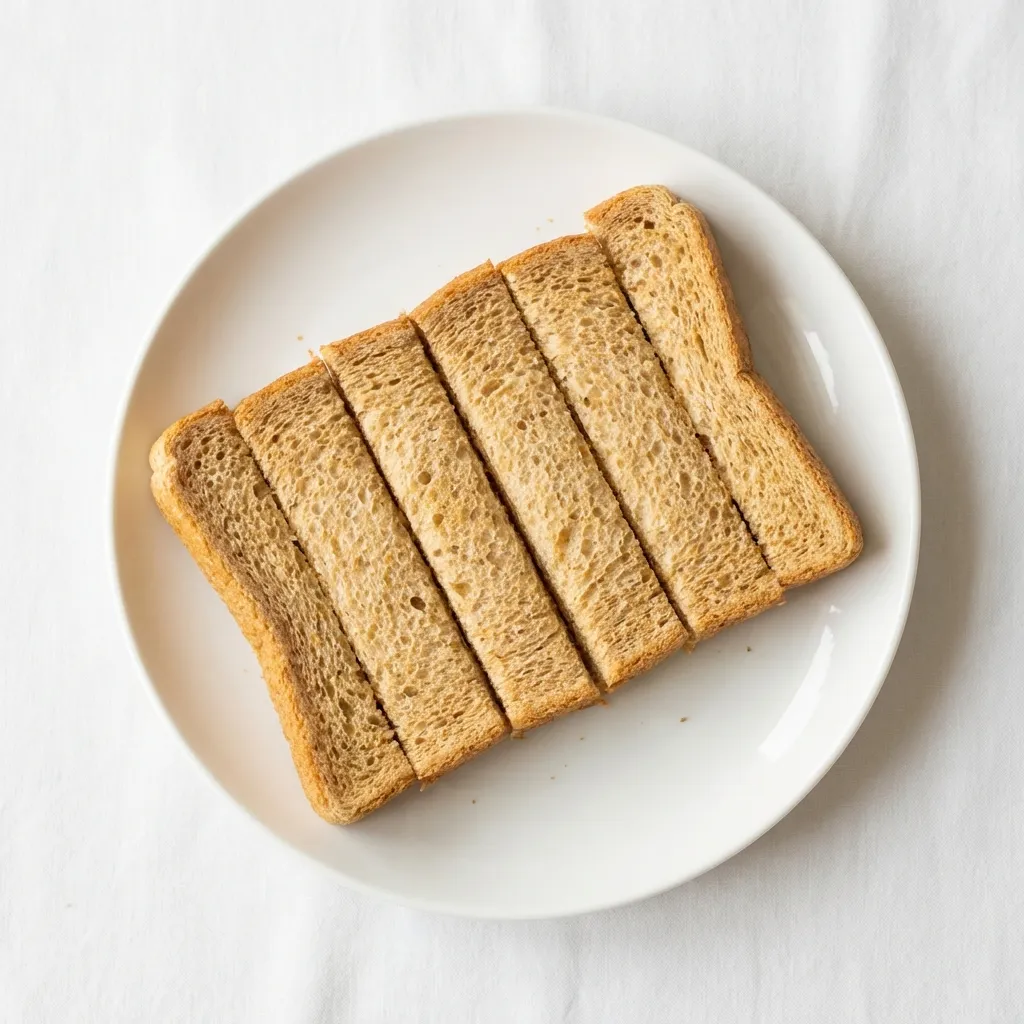
Bread
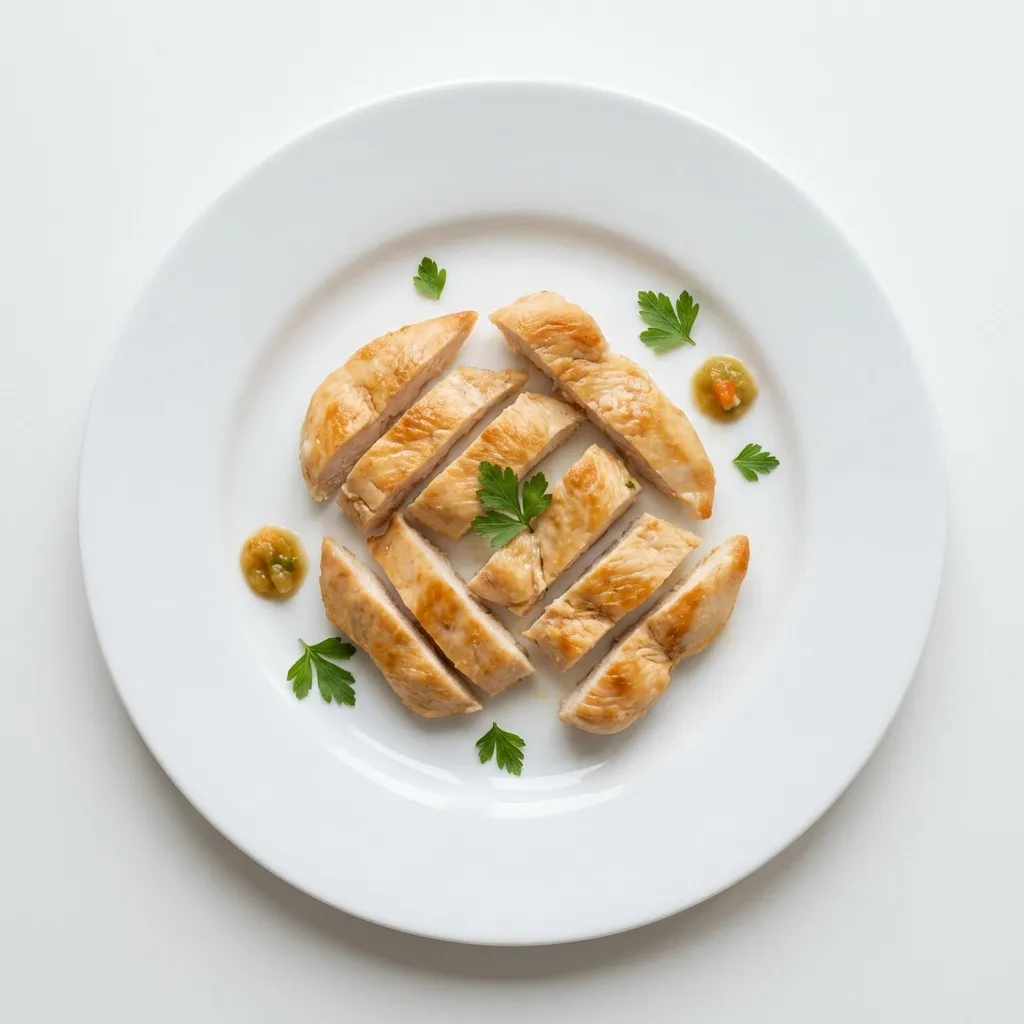
Chicken
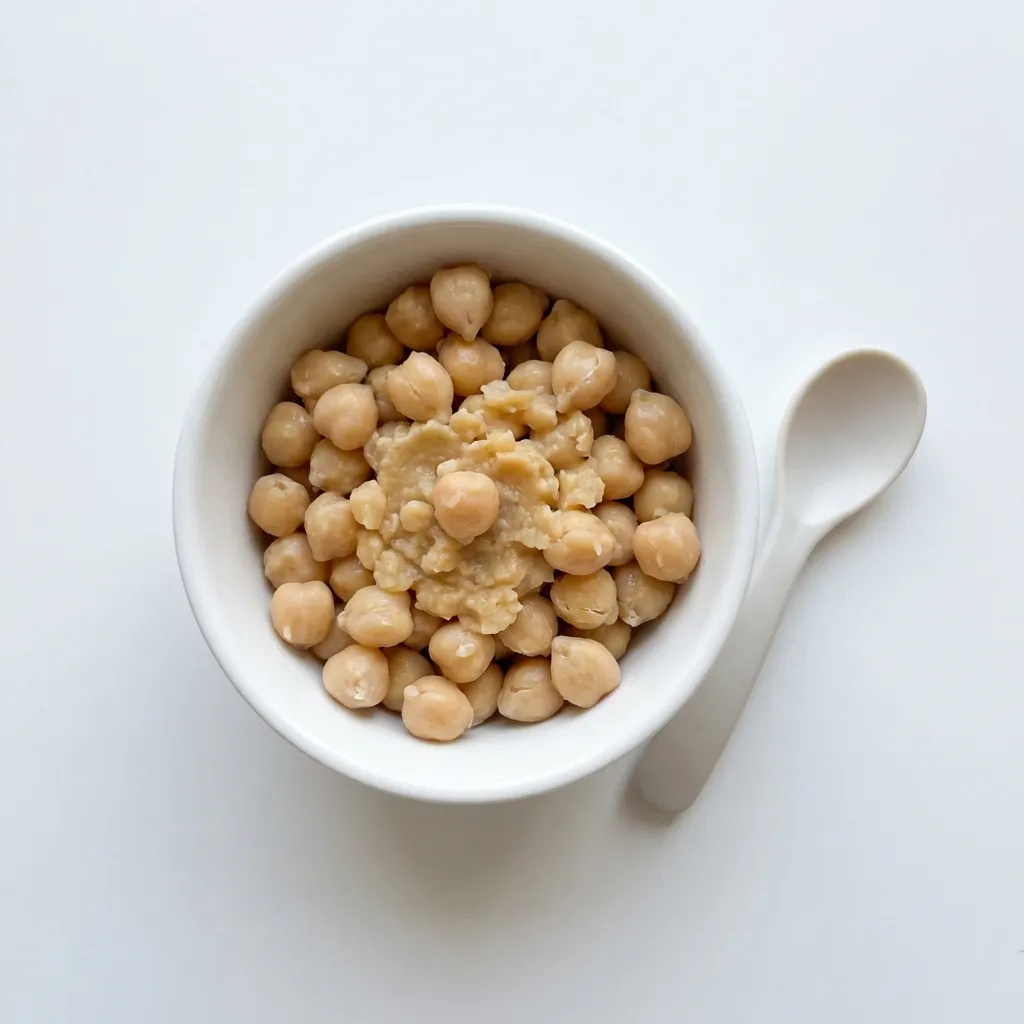
Chickpeas
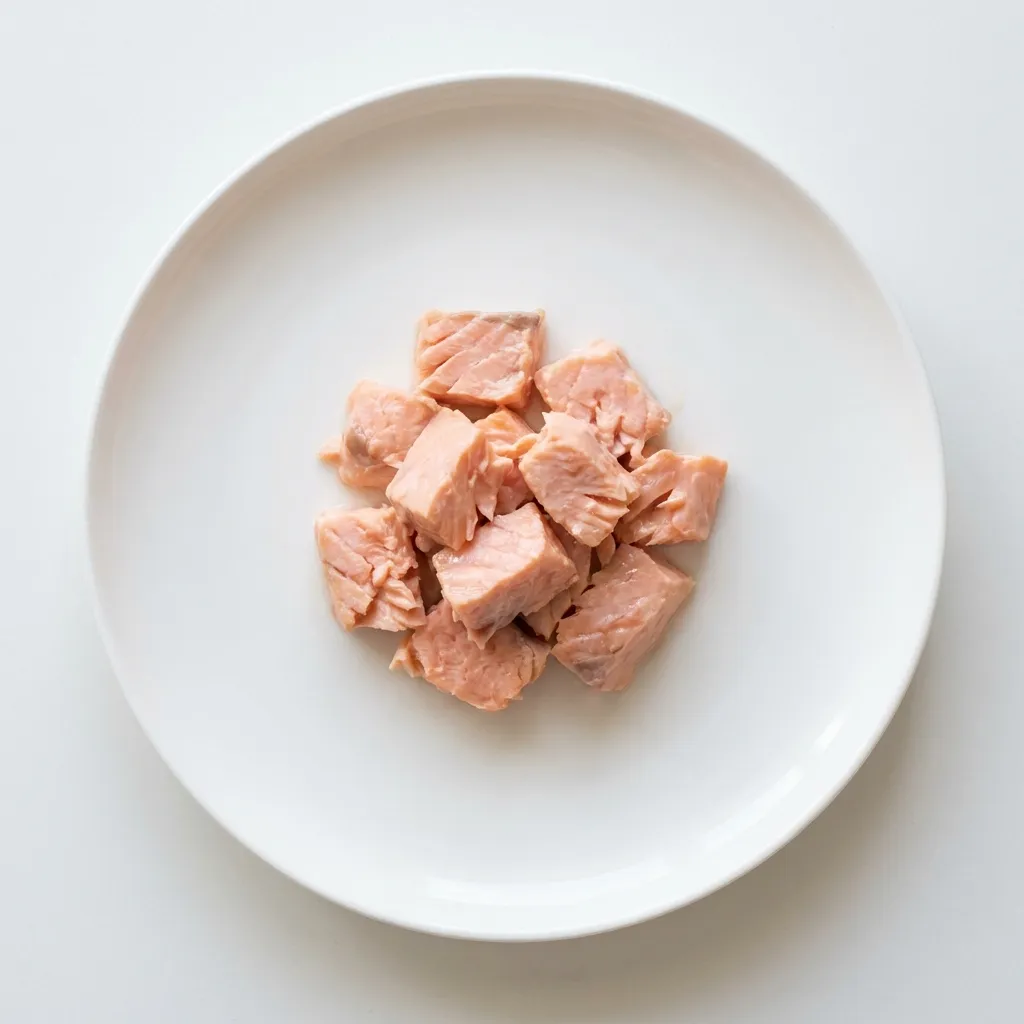
Cod (White Fish)
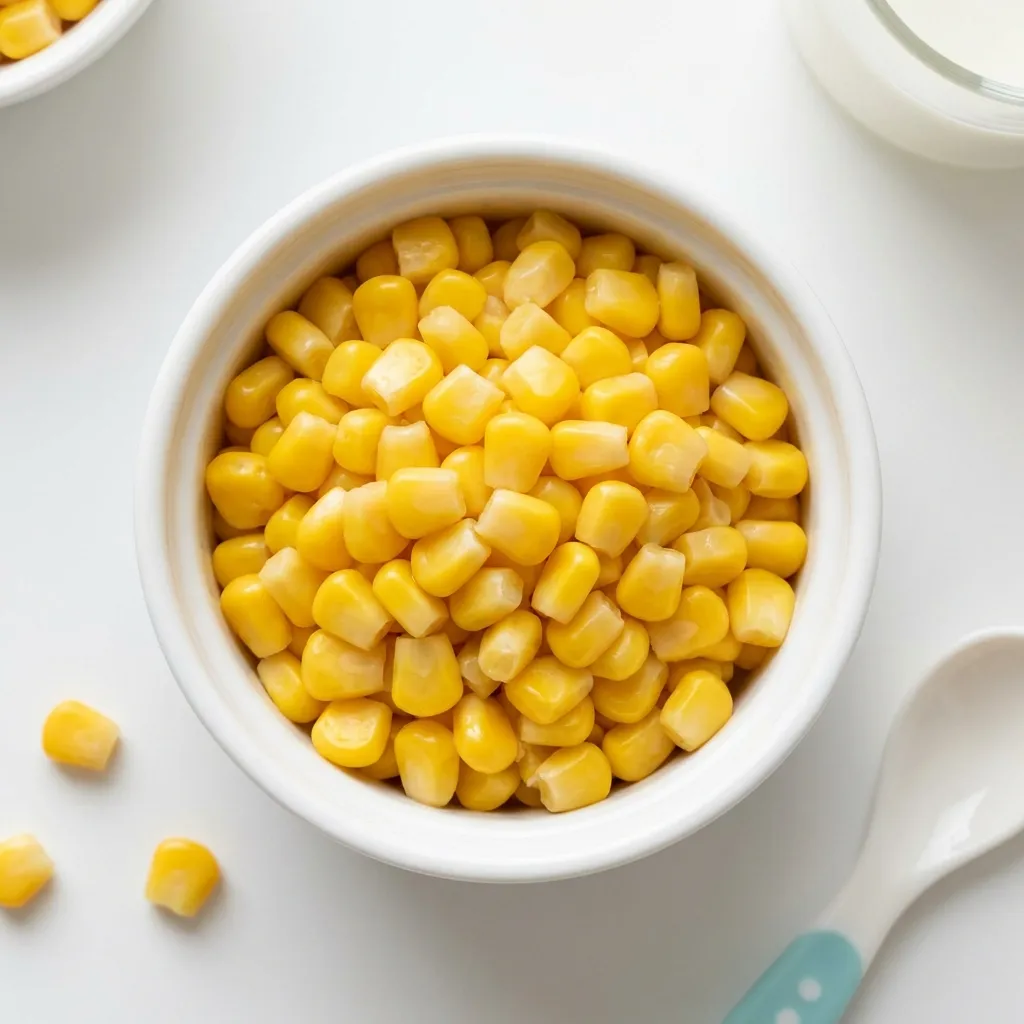
Corn
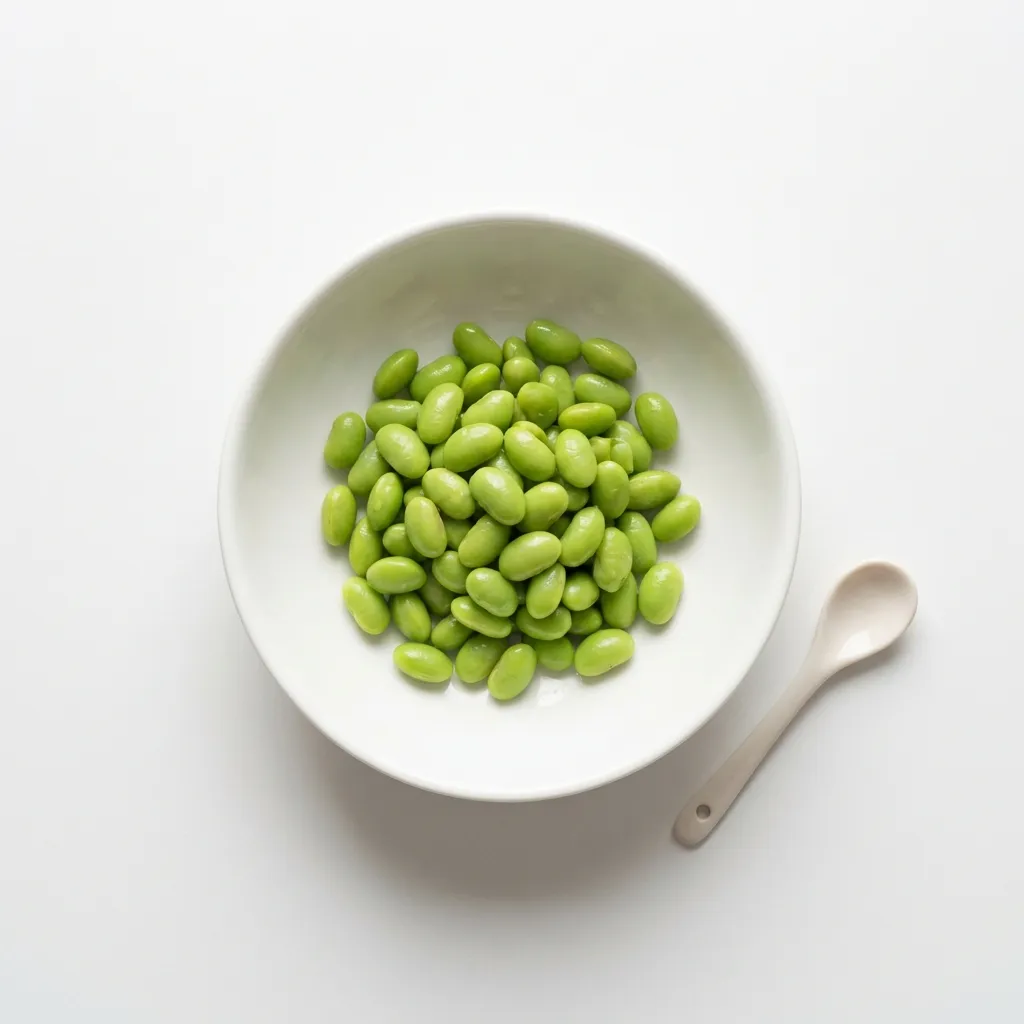
Edamame
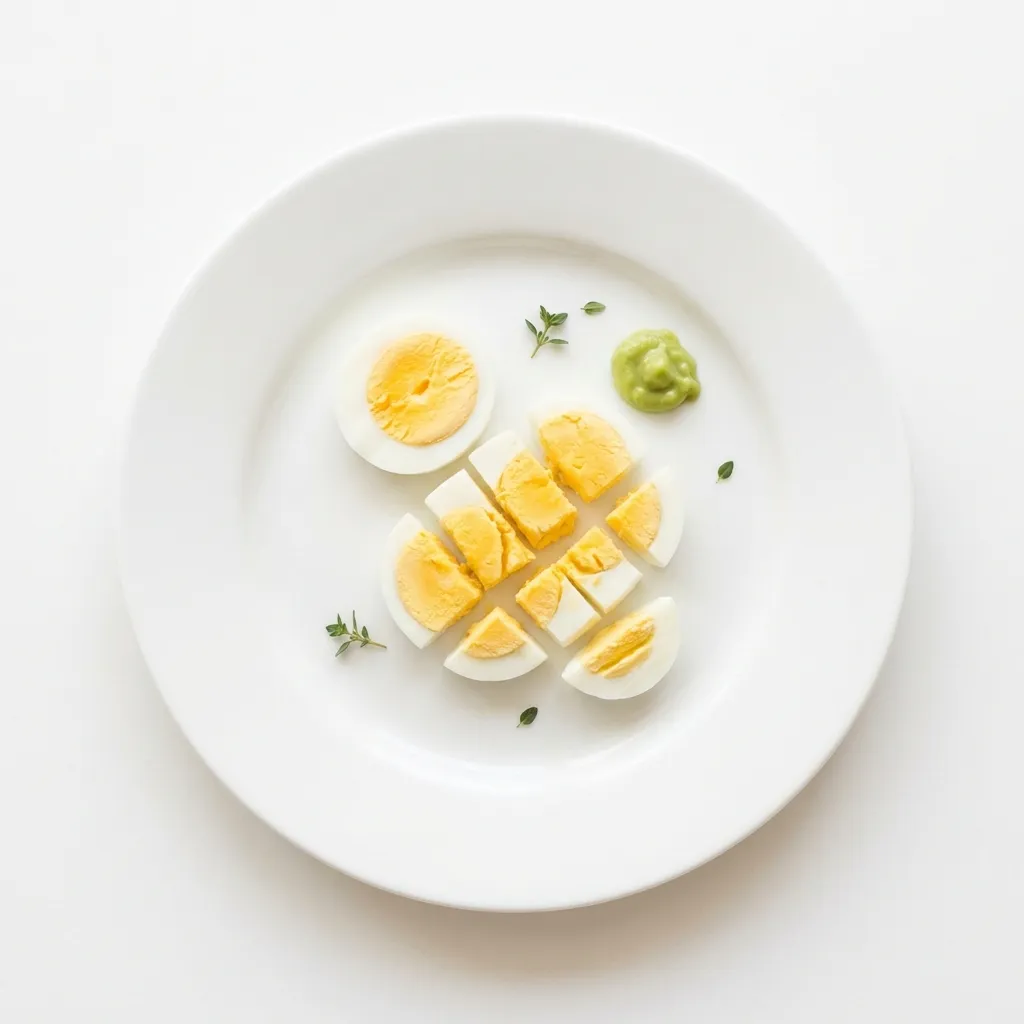
Egg
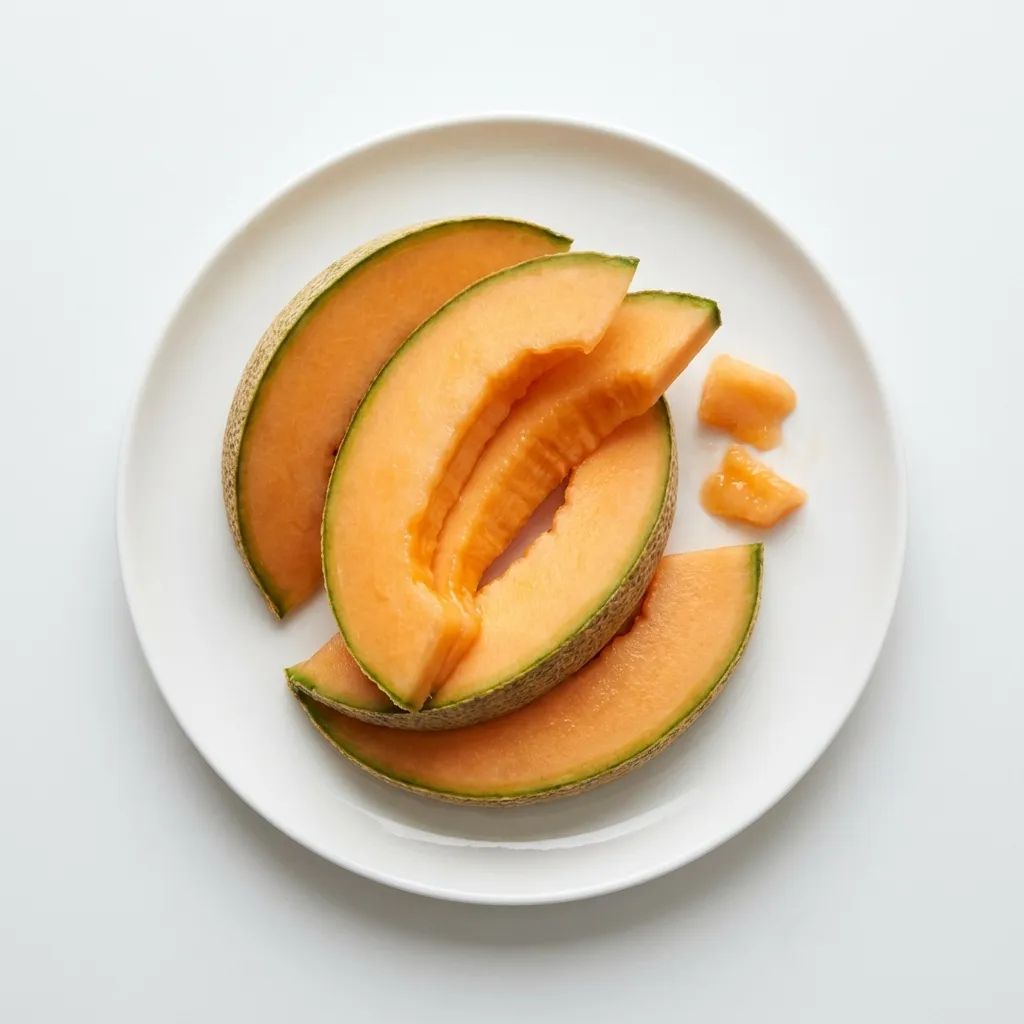
Honeydew Melon
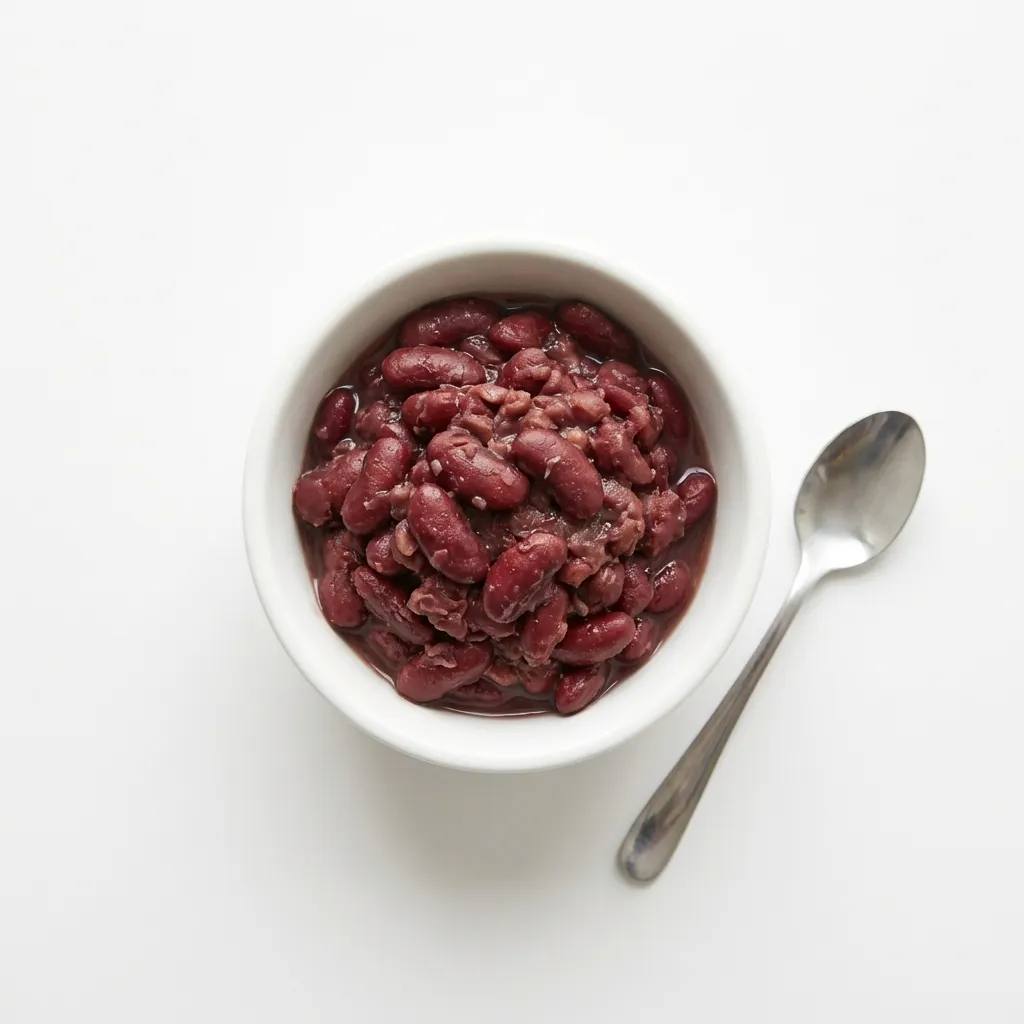
Kidney Beans
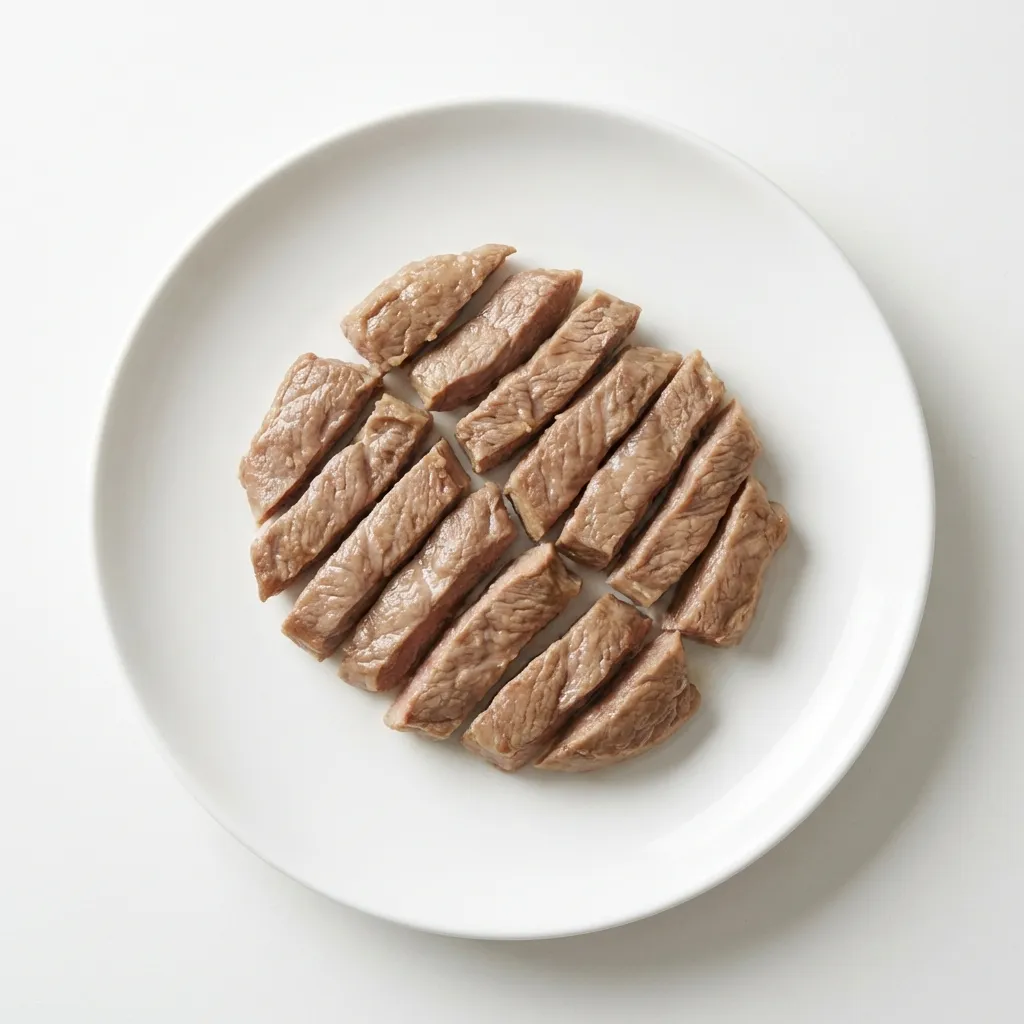
Lamb
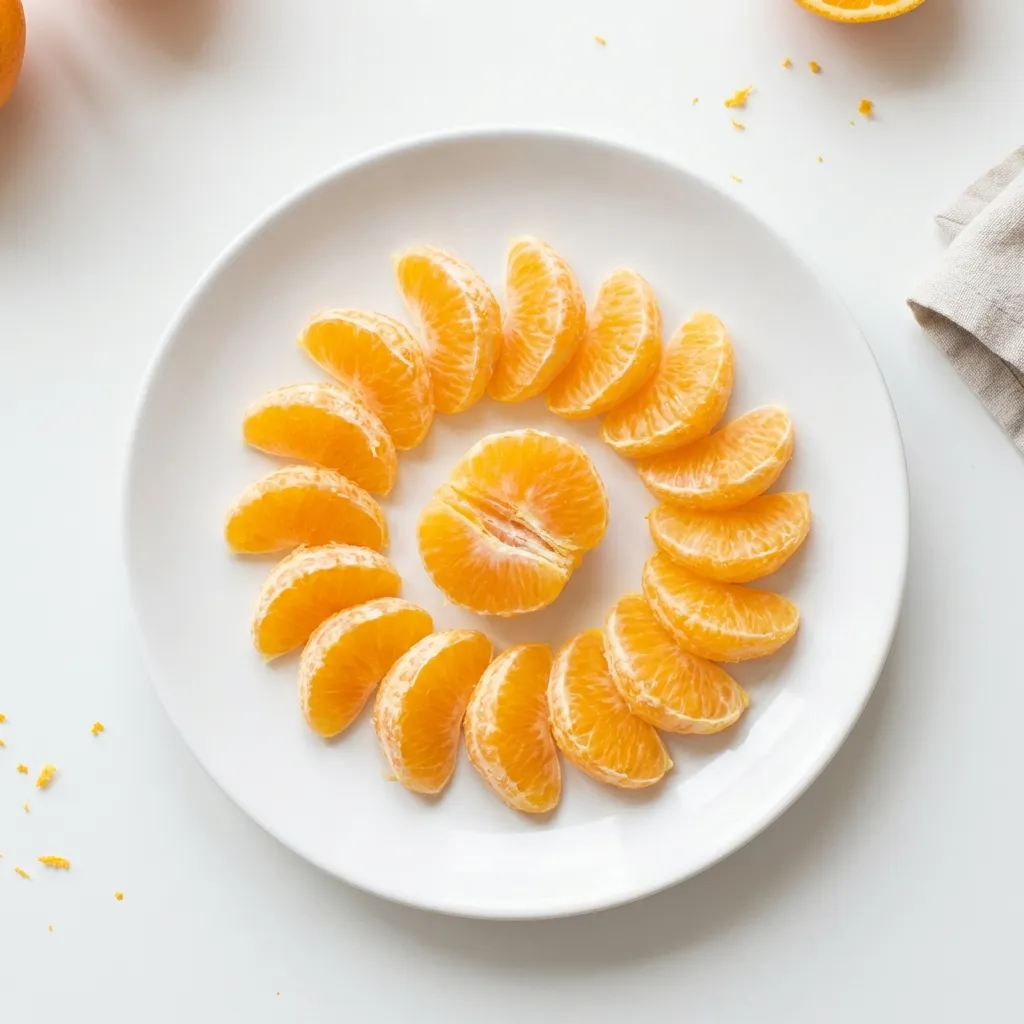
Orange
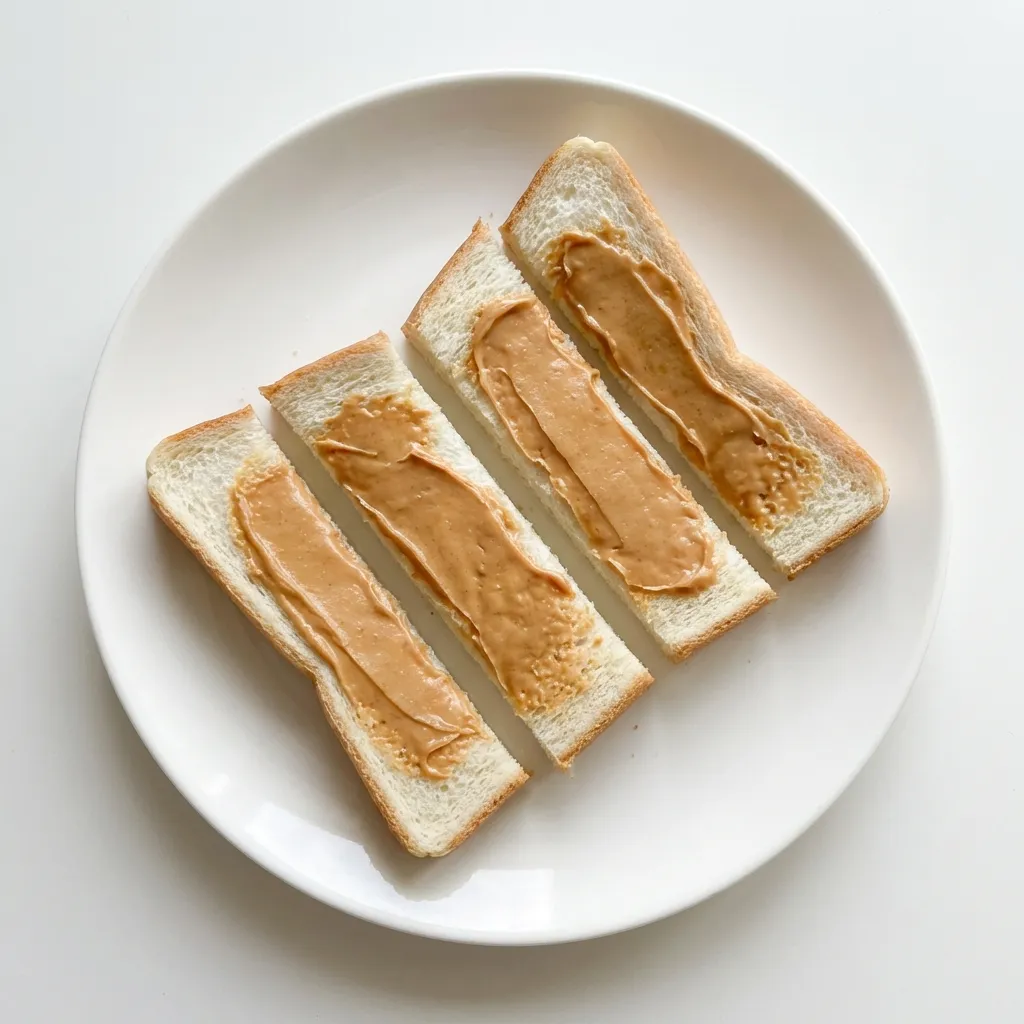
Peanut butter
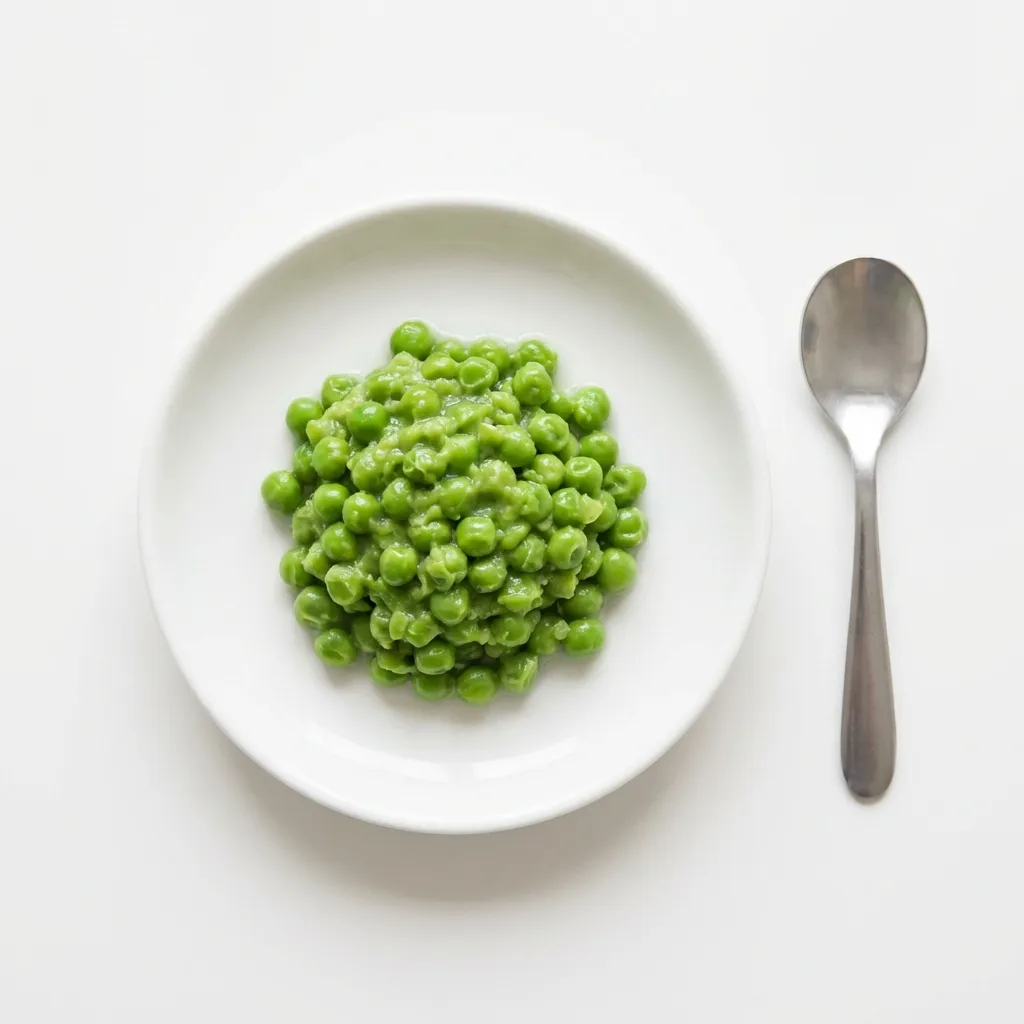
Peas
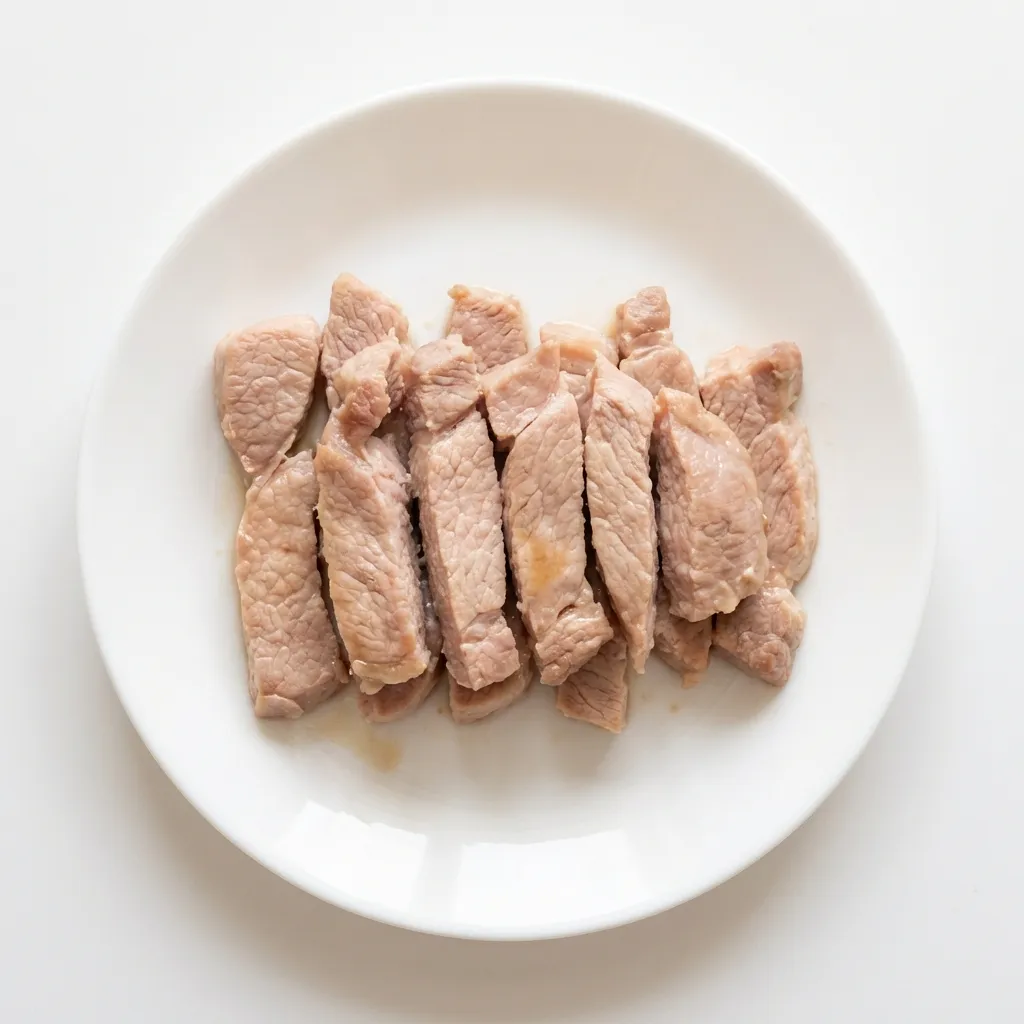
Pork
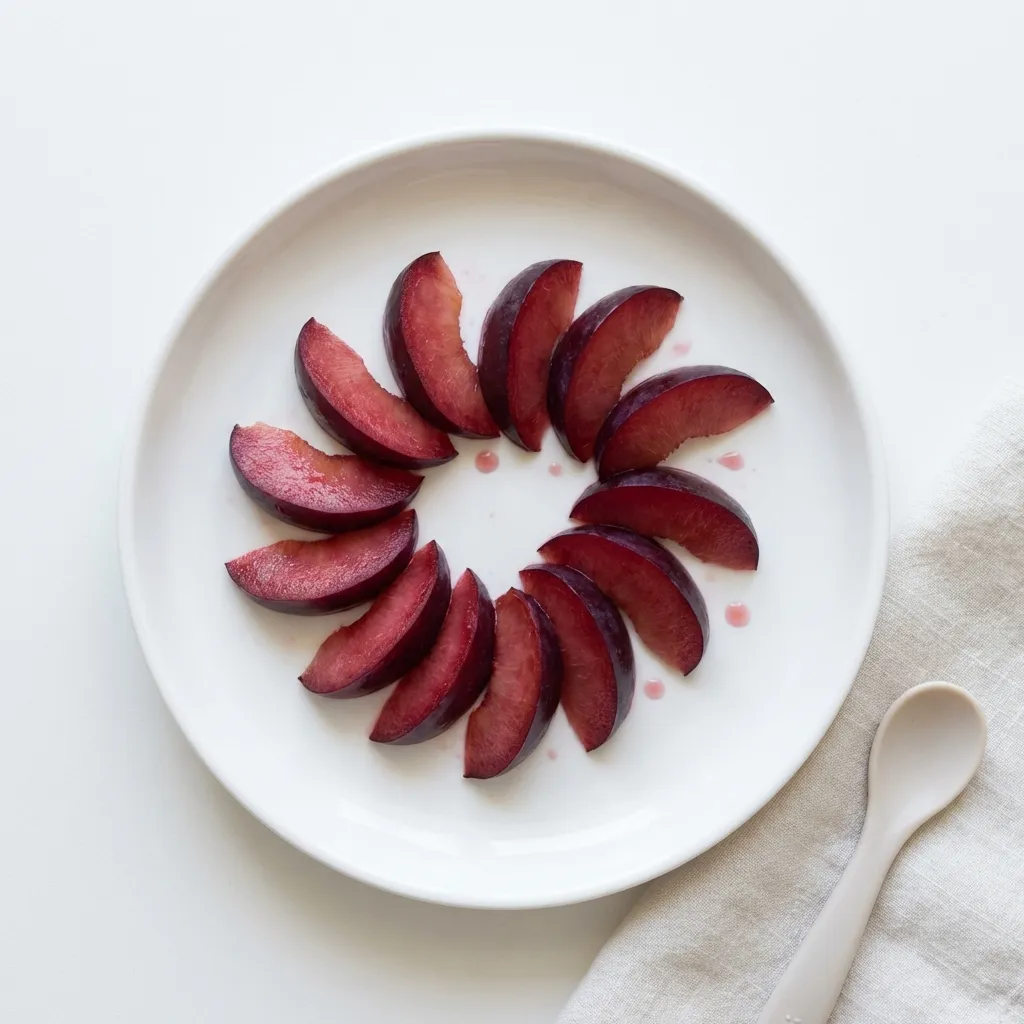
Prunes (Dried Plums)
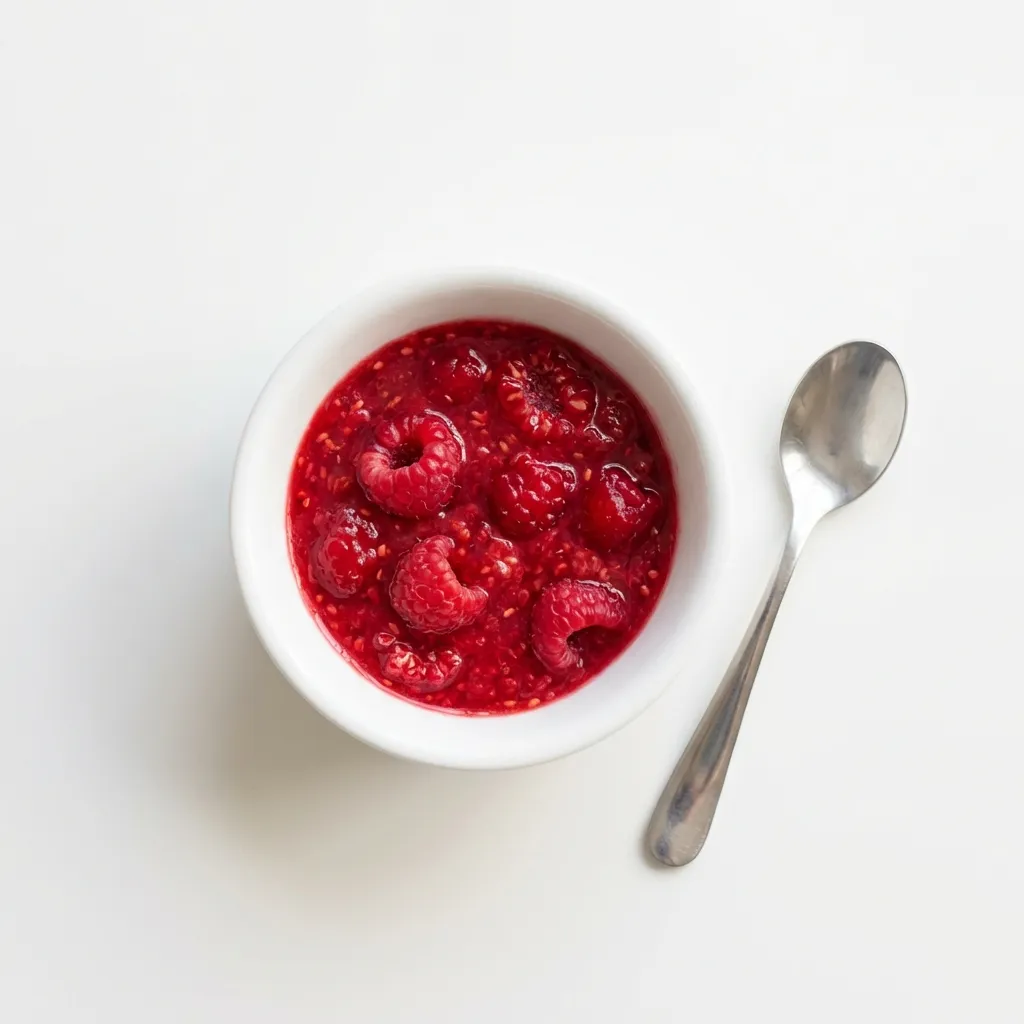
Raspberry
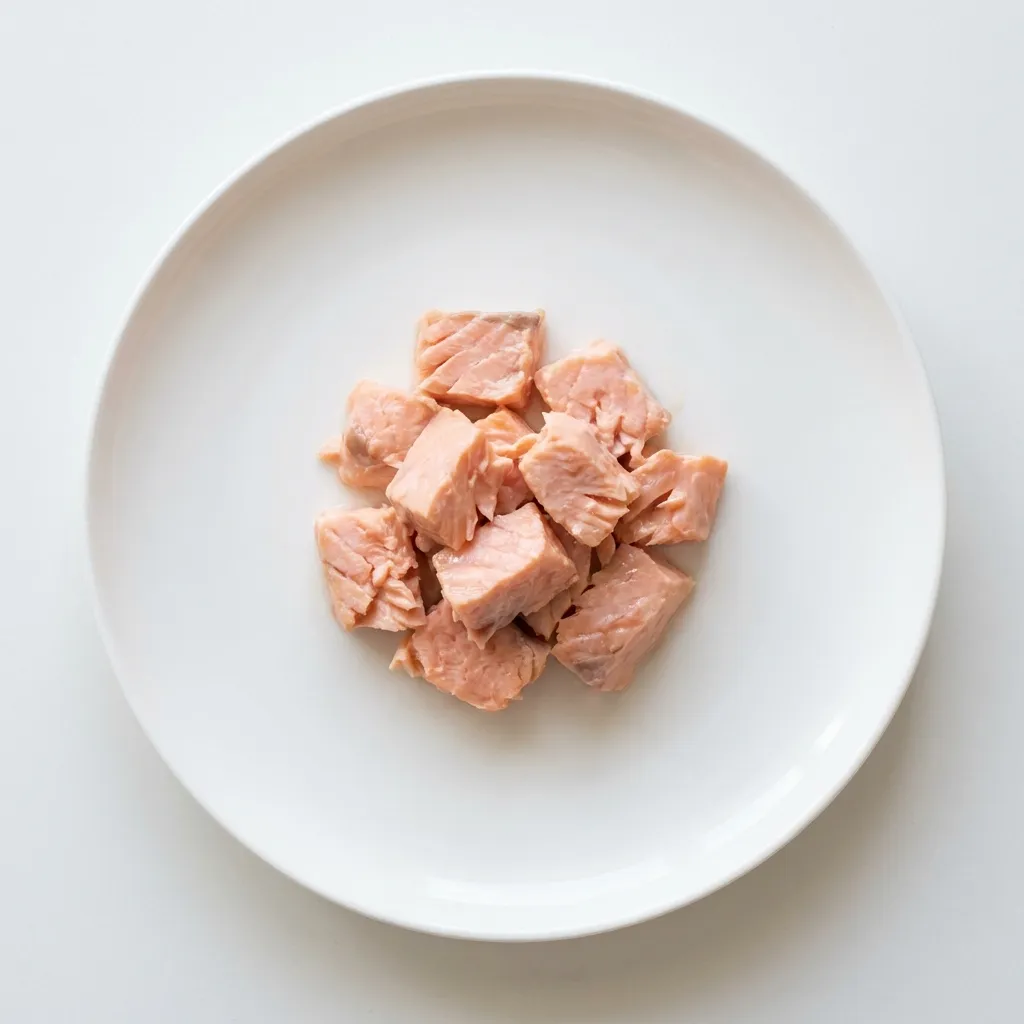
Salmon
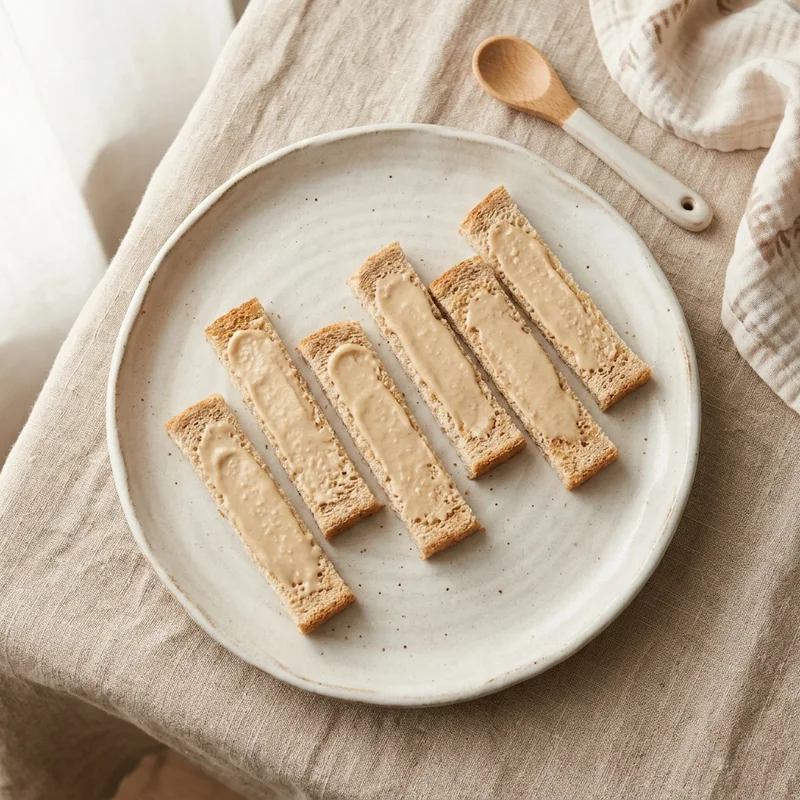
Sesame
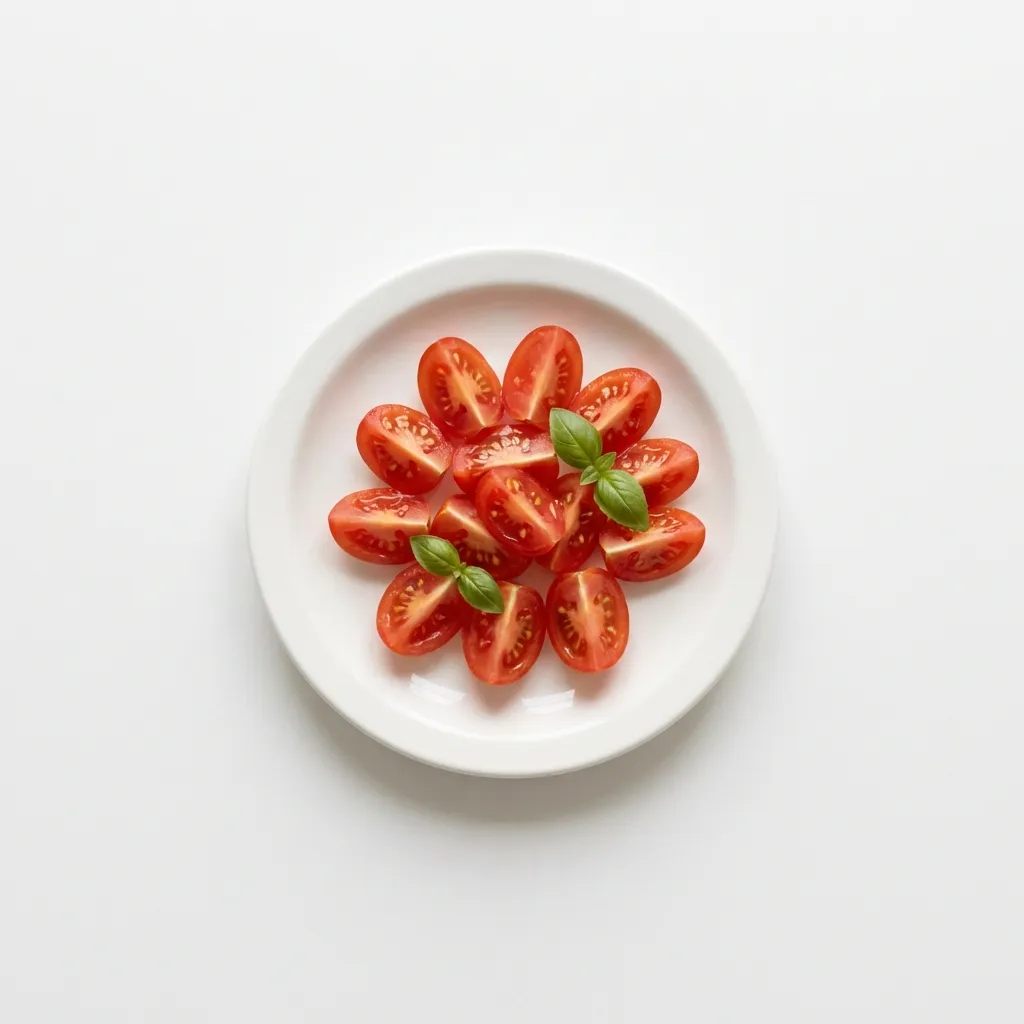
Tomato
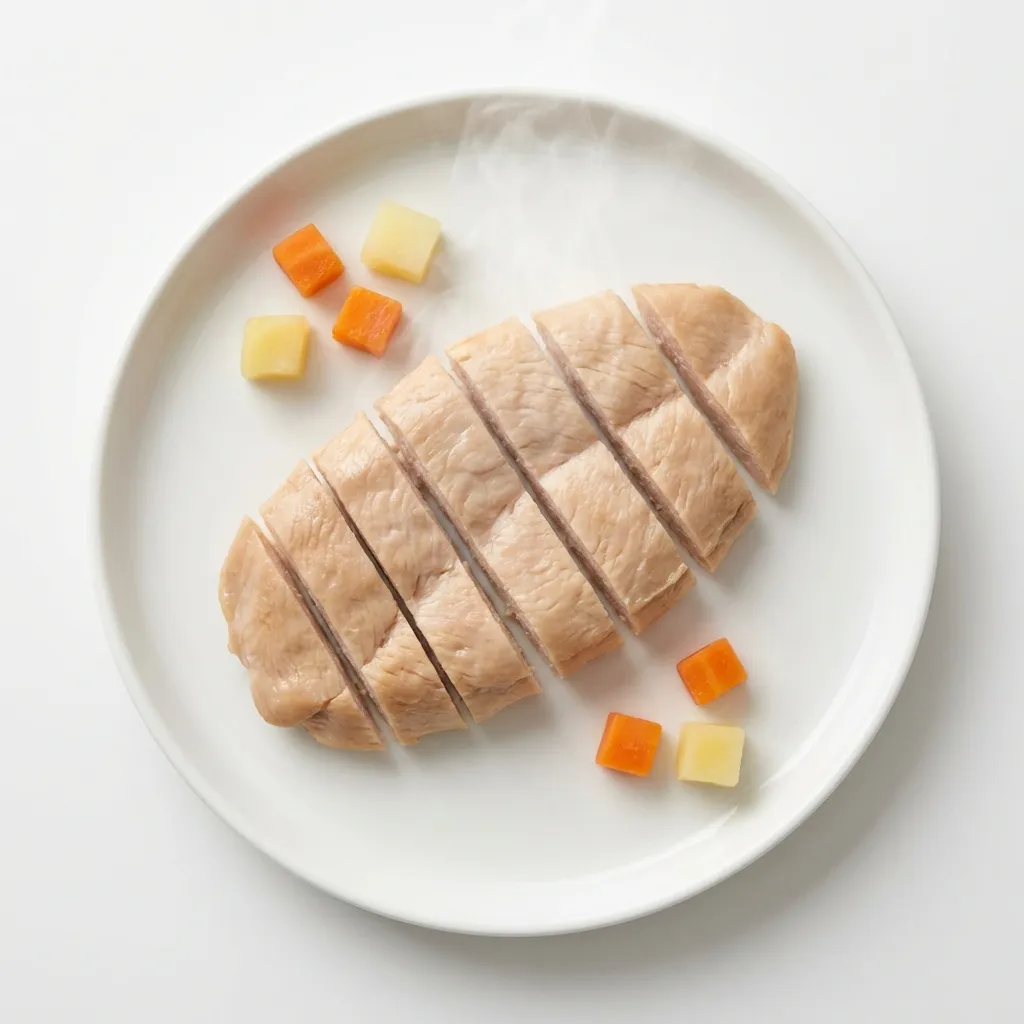
Turkey
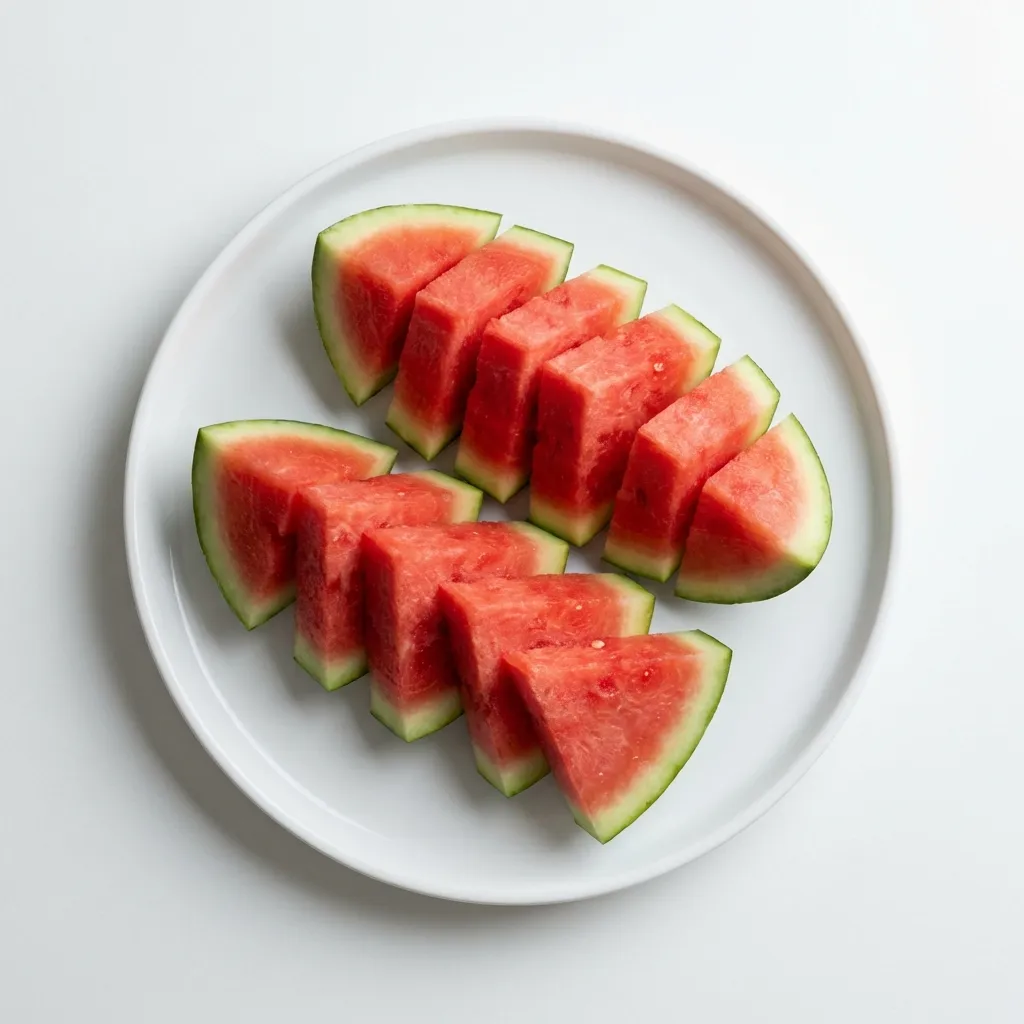
Watermelon
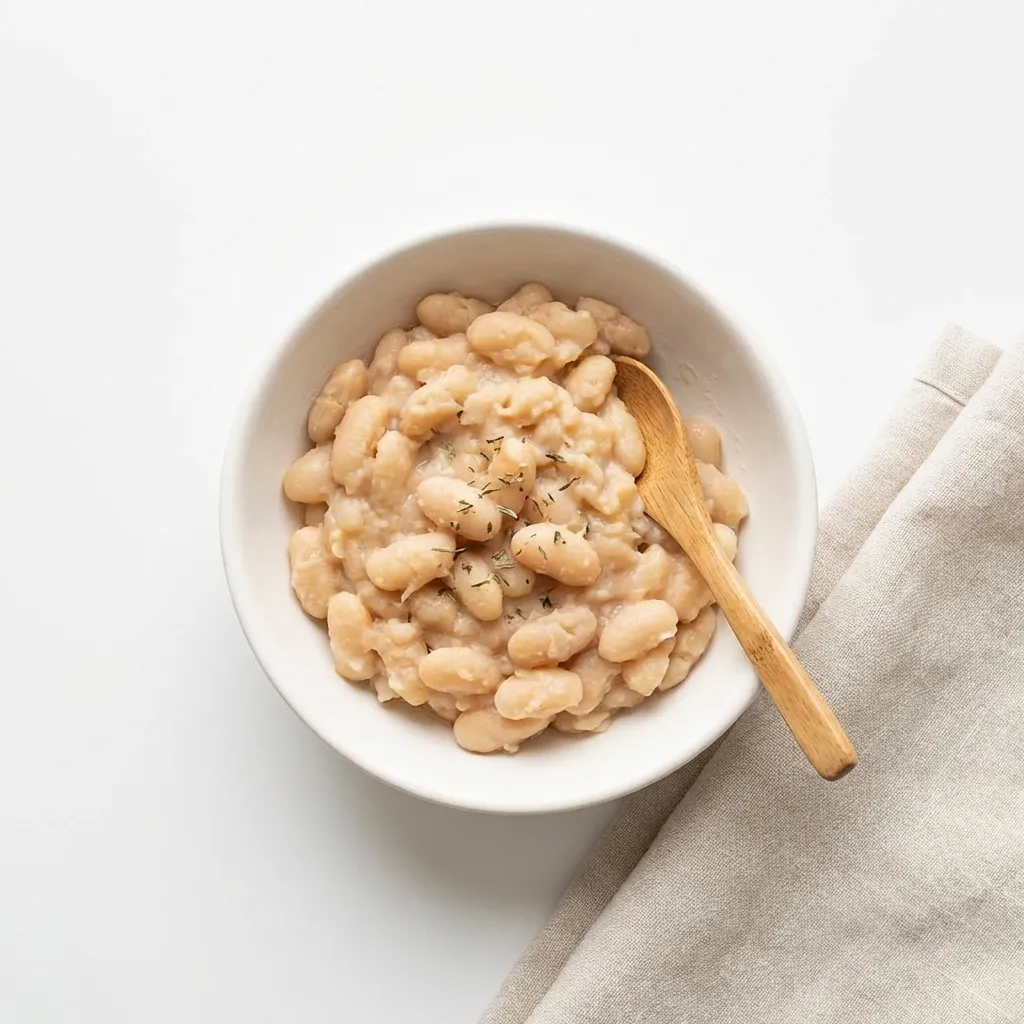
White Beans
Frequently Asked Questions
Answers synthesized from CDC, AAP, Health Canada, Canadian Paediatric Society, Alberta Health Services, NHS, and WHO references.
Why are apples and blueberries listed as High Risk foods?
Raw apple is dense, crisp, and slippery—a small crescent piece can wedge tightly in an infant airway. Whole blueberries match the exact diameter of a young child’s windpipe. Steaming or finely grating apple and flattening or quartering blueberries removes those mechanical hazards while keeping their nutrients.
How do I tell the difference between gagging and choking?
Gagging is loud and protective: your baby coughs, sputters, turns slightly red, and pushes food forward on their own. Choking is quiet or silent: baby cannot cough effectively, make sound, or breathe, and may turn pale or bluish—begin infant choking rescue immediately and have someone call 911.
Until what age do I need to quarter grapes and avoid whole nuts?
CDC, AAP, Health Canada, and CPS all recommend quartering grapes lengthwise and avoiding whole nuts, popcorn, and hard candies until at least age 4, when molars and mature swallowing coordination are more reliably developed.
Are medium-risk foods like beef, chicken, salmon, or egg unsafe for babies?
No—they are nutritious, iron- and protein-rich foods that simply need smart preparation. Keep beef and chicken very tender and moist (never dry or stringy), rub cooked salmon between your fingers to remove any pin bones, and serve cooked egg as soft strips or mashed pieces.
Explore More Feeding Hubs
Browse by Age Stage & Safety Priority
6-Month First Foods
Age Stage · 6–8 Months
9-Month Finger Foods
Age Stage · 9–12 Months
Iron-Rich Foods
Nutrient Priority · Iron-First
Top 9 / 11 Allergens
Allergy Safety · US Top 9 & CA Priority 11
BLW Finger Foods
Self-Feeding · BLW Shapes
Official Public-Health Sources Cited
- Centers for Disease Control and Prevention (CDC):Choking Hazards for Infants and Toddlers
- American Academy of Pediatrics / HealthyChildren.org:Choking Prevention for Babies and Young Children
- Canadian Paediatric Society (Caring for Kids):Preventing Choking in Babies and Young Children
How to Use This Information
This content summarizes official health guidelines from CDC, American Academy of Pediatrics, and Health Canada. We organize their recommendations—we don't create our own. Official guidelines are general; your child's needs may differ.
⚠️ Important:
- •Always consult your pediatrician before introducing new foods, especially if your child has a history of allergies, medical conditions, or special dietary needs.
- •Every child is different. Readiness for foods varies by individual development, not just age.
- •In emergencies, call 911 or your local emergency number immediately.
Based on guidelines from: