
Top 9 (US) & Priority 11 (Canada) Allergen Foods for Babies
Quick Answer · Official Public-Health Synthesis
Current pediatric guidelines from AAP, NIAID, Health Canada, and CPS recommend introducing common allergenic foods around 6 months in baby-safe, non-choking forms rather than delaying them. Serve one new major allergen earlier in the day while your baby is alert, watch for reactions over several hours, and keep tolerated foods in regular weekly rotation.
- US Top 9 allergens: milk/dairy, egg, peanut, tree nuts, soy, wheat, finfish, crustacean shellfish, and sesame.
- Canada Priority allergens cover the same core foods (including molluscs with seafood) plus mustard and sulphites.
- Always convert high-risk allergen textures into safe forms: thin smooth nut butter or tahini with warm liquid, fully cook eggs, check fish for pin bones, and finely mince shrimp.
- If your baby has severe eczema or an existing food allergy, ask your pediatrician about timing before introducing peanut or egg. Call 911 immediately for breathing trouble, tongue/lip swelling, or severe hives.
US vs. Canada Official Guideline Notes
Curated from public-health agencies — non-clinical referenceUnited States (FDA, CDC, AAP & NIAID)
US federal labeling tracks the Top 9 major food allergens (sesame became #9 under the FASTER Act). NIAID and AAP endorse early introduction of safe peanut and cooked egg around 6 months (and as early as 4–6 months under pediatric guidance for infants with severe eczema).
Canada (Health Canada & Canadian Paediatric Society)
Health Canada tracks Priority Allergens—including milk, eggs, peanuts, tree nuts, soy, wheat/triticale, sesame, seafood (fish, crustaceans, molluscs), plus mustard and sulphites. CPS recommends introducing common allergenic solids around 6 months (not before 4 months) and continuing to offer tolerated allergens several times per week.
Key Takeaway: Delaying common allergens does not prevent food allergies. Both US and Canadian authorities recommend early, safe-texture daytime introduction and consistent ongoing weekly exposure once tolerated.
Top 9 / 11 Allergens Directory (17)
Select any food for exact 6–8m, 9–12m, and 12m+ cut sizes, textures, and official safety notes.
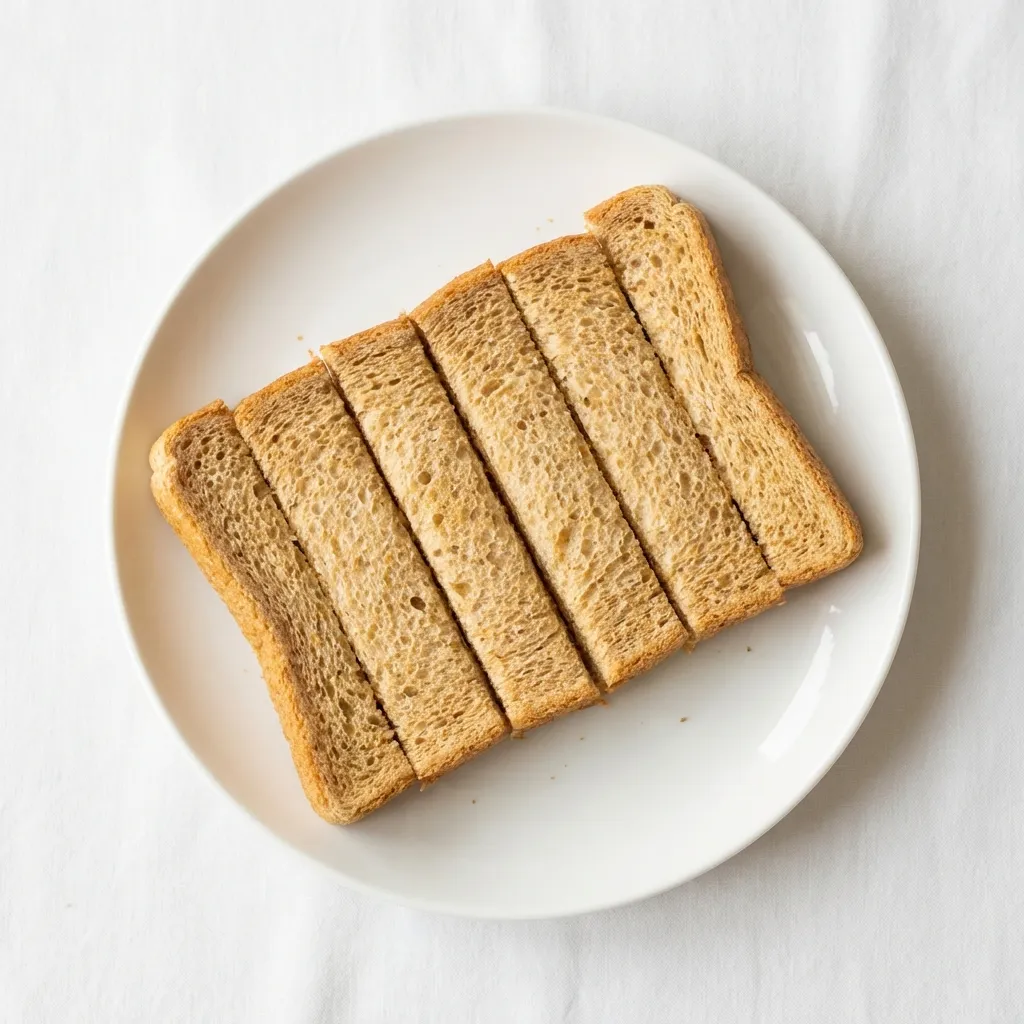
Bread

Cheese
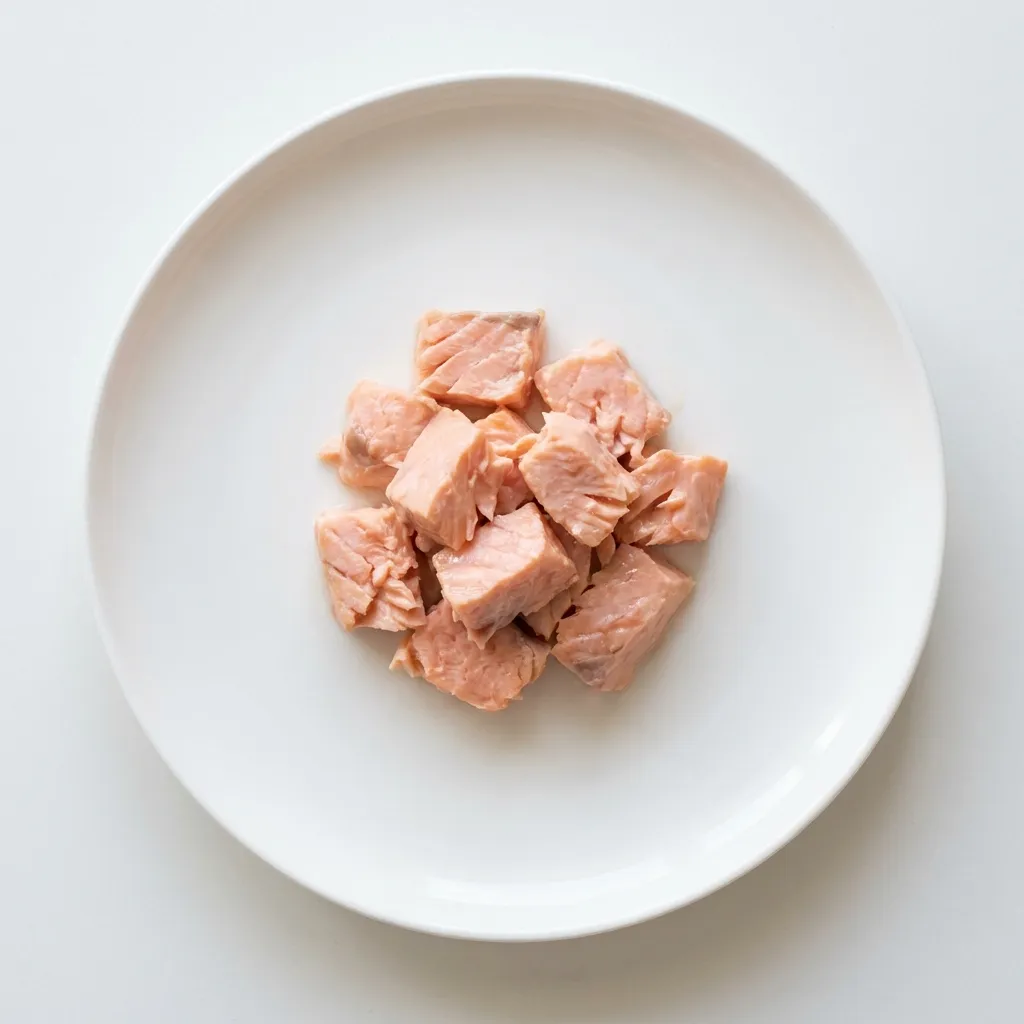
Cod (White Fish)
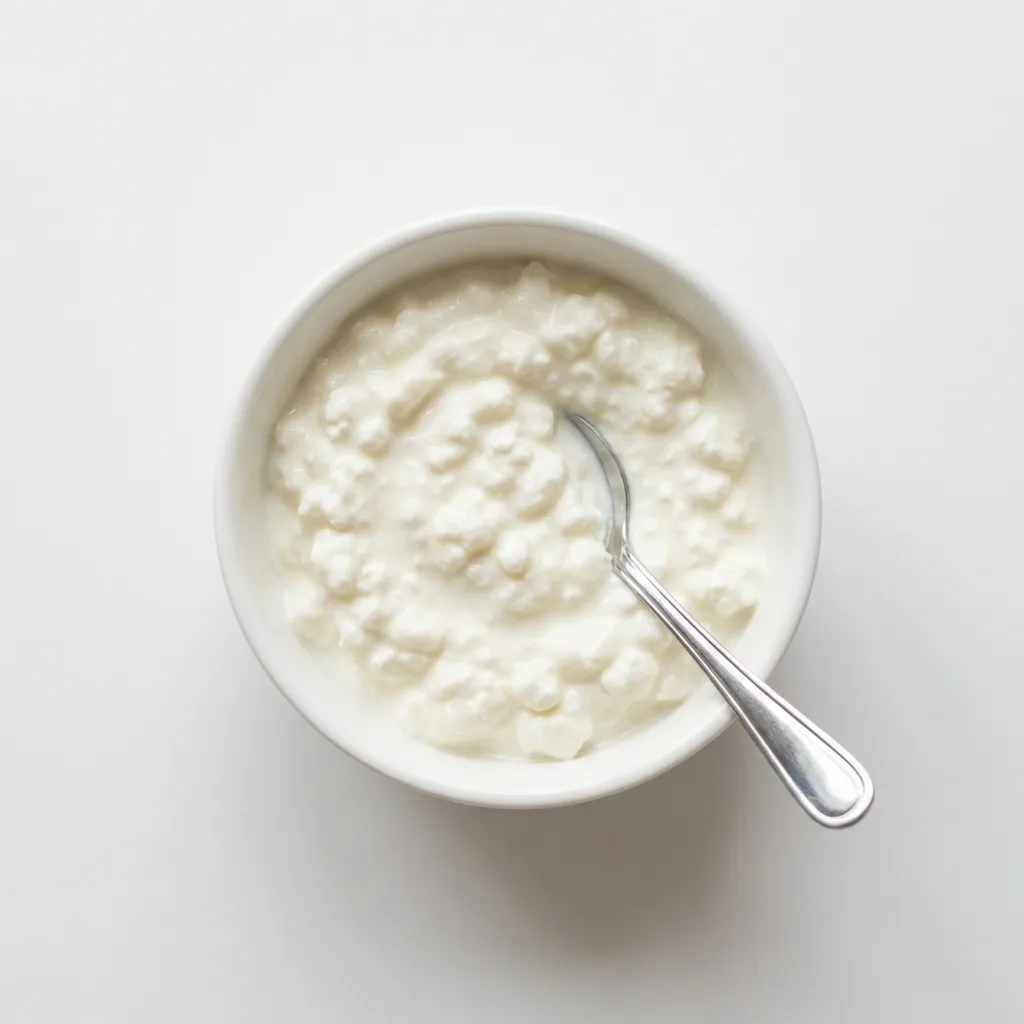
Cottage Cheese
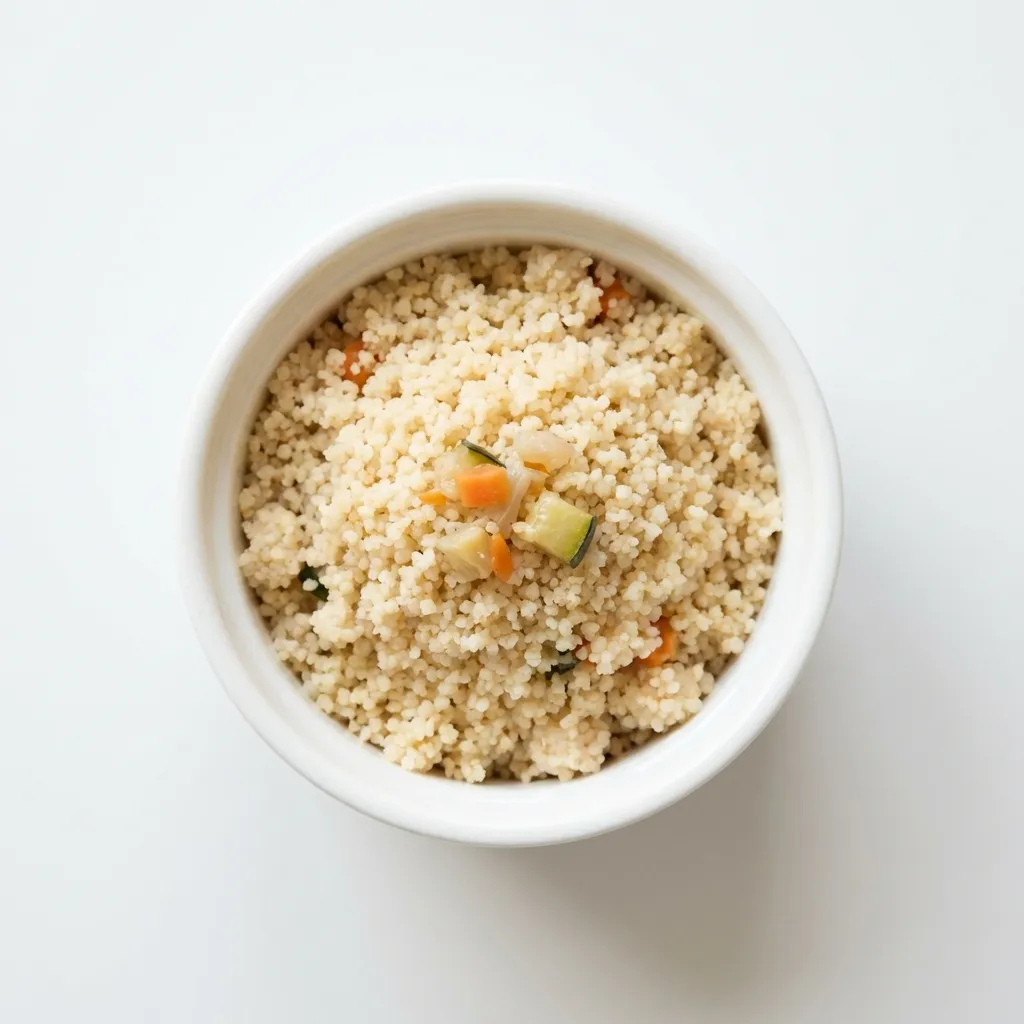
Couscous

Cream Cheese
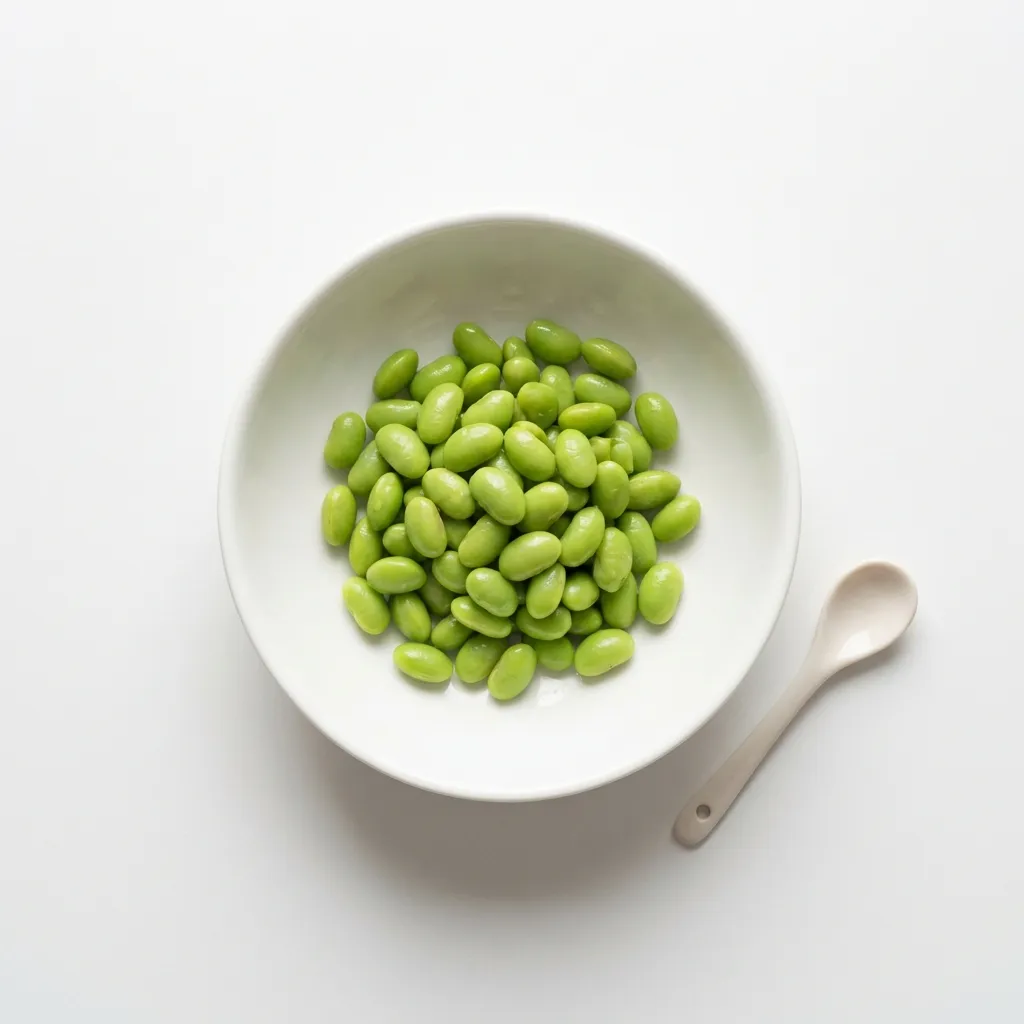
Edamame

Egg
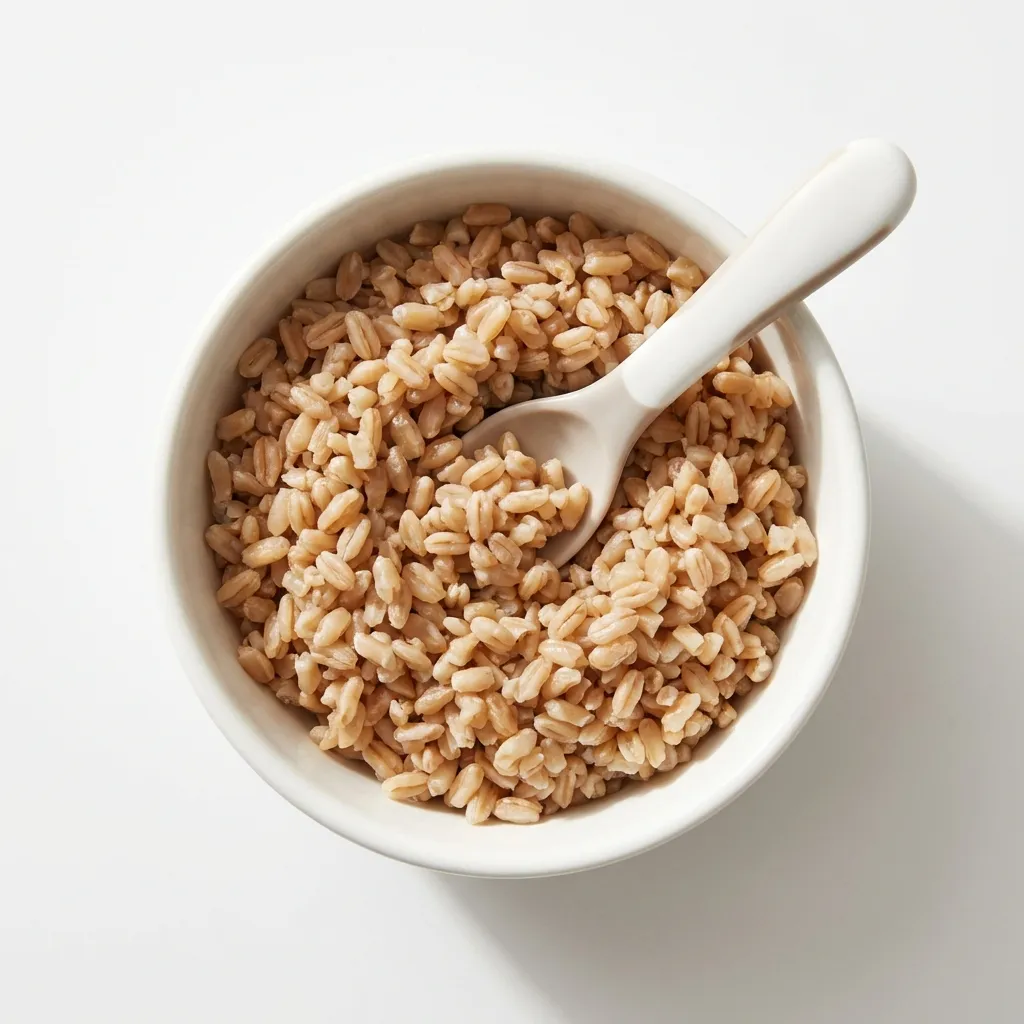
Farro
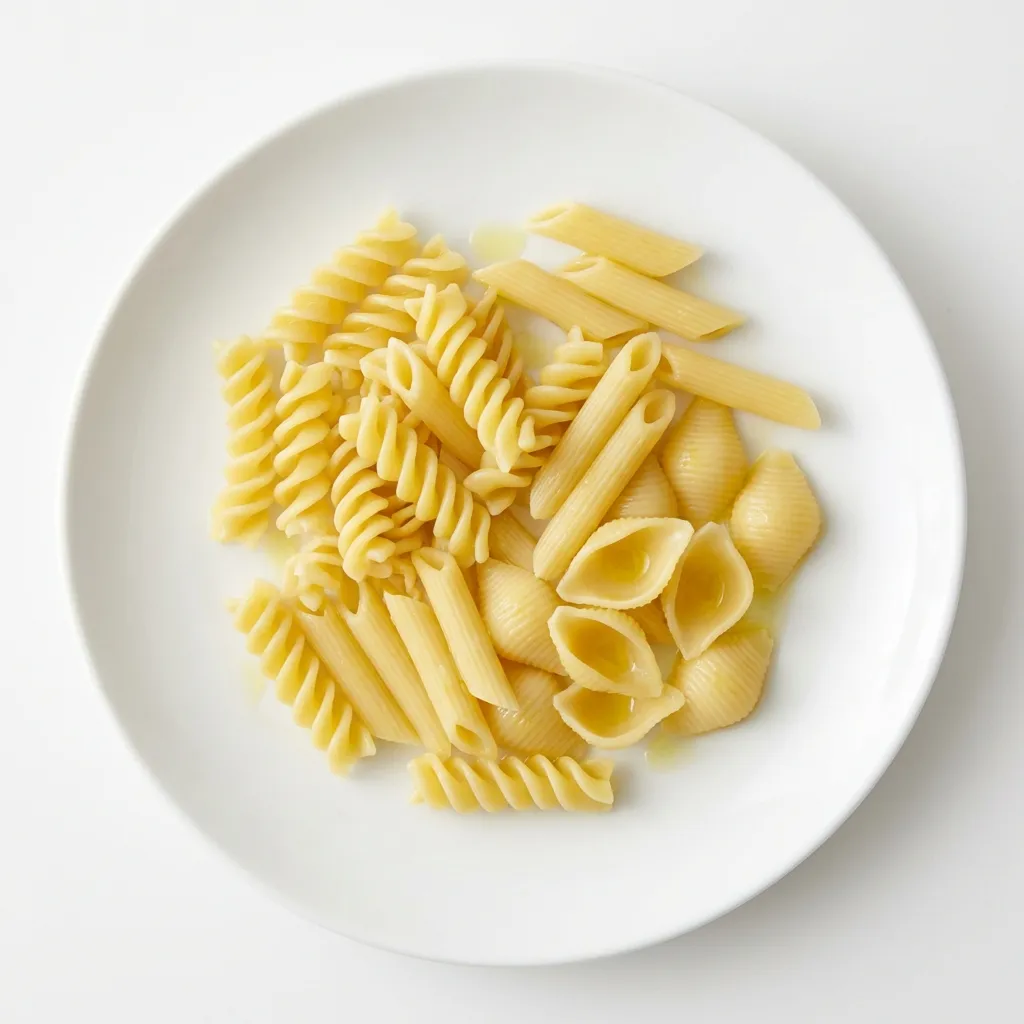
Pasta

Peanut butter

Plain Yogurt
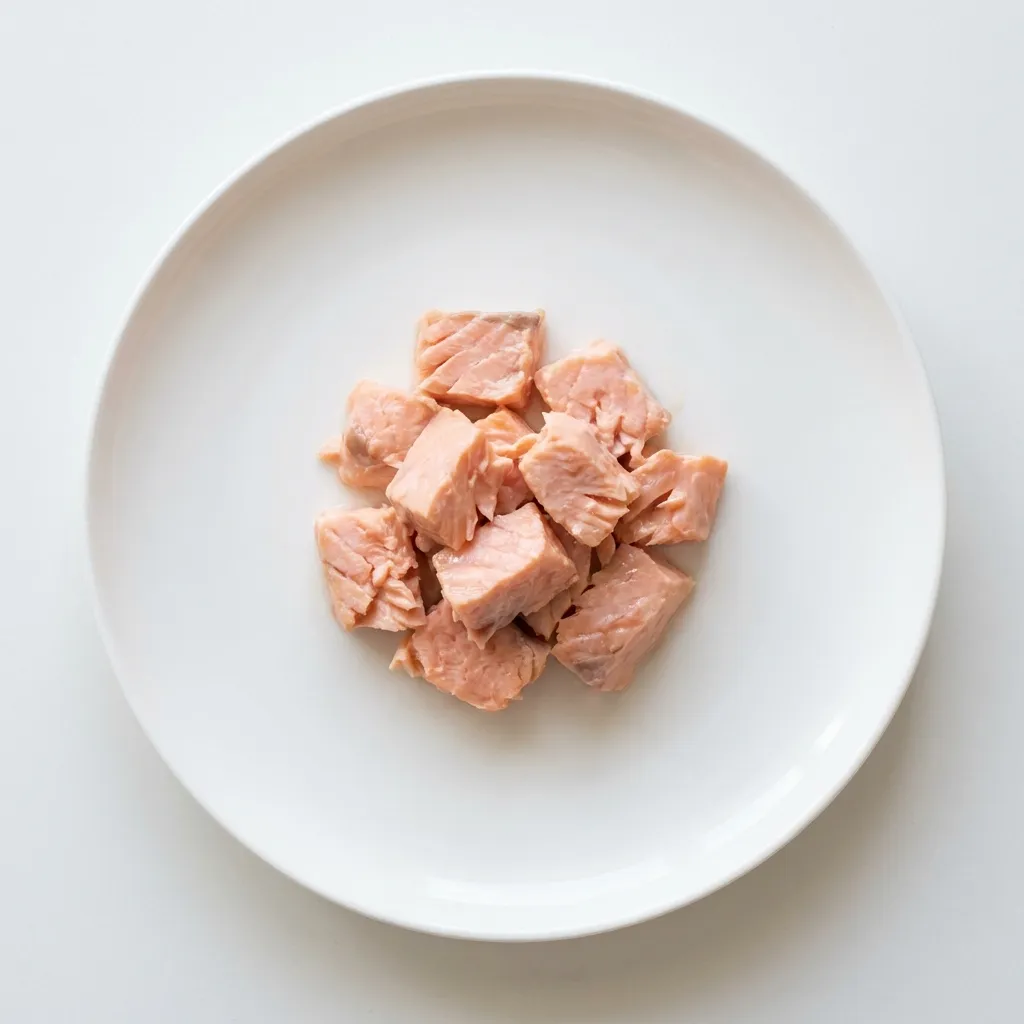
Salmon

Sesame

Shrimp
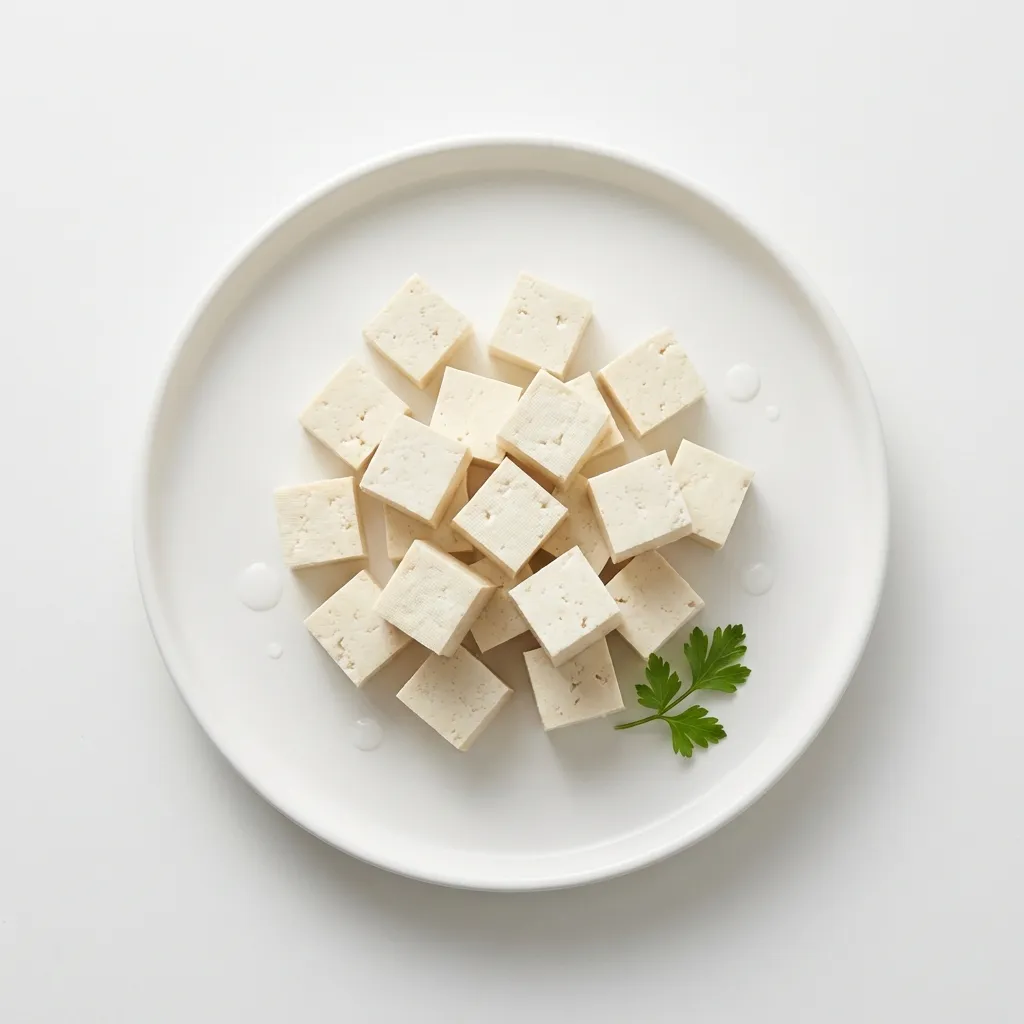
Tofu

Tree Nuts
Frequently Asked Questions
Answers synthesized from CDC, AAP, Health Canada, Canadian Paediatric Society, Alberta Health Services, NHS, and WHO references.
What is the difference between US Top 9 and Canada Priority 11 allergens?
Both countries cover milk, egg, peanut, tree nuts, soy, wheat, sesame, fish, and shellfish. Health Canada additionally classifies mustard and sulphites as priority food allergens on Canadian ingredient labels and lists molluscs alongside crustaceans and fish.
How do I safely introduce peanut, tree nuts, and sesame at 6 months?
Never offer whole nuts, chopped nuts, or thick sticky globs of nut butter or tahini. Whisk 1/4 to 1 teaspoon of smooth unsalted nut butter or tahini into 2–3 teaspoons of warm water, breast milk, formula, plain yogurt, or oatmeal until completely runny and clump-free.
What symptoms signal an allergic reaction vs. normal skin irritation?
Mild acid redness around the mouth from tomato or berries without hives elsewhere is often harmless contact irritation. True allergic symptoms include hives, facial or lip swelling, sudden repeated vomiting, coughing, wheezing, or sudden limpness—seek emergency care (911) immediately for any breathing, throat, or multi-system symptoms.
How often should I keep serving an allergen once my baby tolerates it?
Both CPS and AAP-aligned allergy prevention guidance emphasize maintaining tolerated allergens regularly—often 2 to 3 times per week—in varied everyday meals rather than testing a food once and stopping.
Explore More Feeding Hubs
Browse by Age Stage & Safety Priority
6-Month First Foods
Age Stage · 6–8 Months
9-Month Finger Foods
Age Stage · 9–12 Months
Iron-Rich Foods
Nutrient Priority · Iron-First
BLW Finger Foods
Self-Feeding · BLW Shapes
Choking Hazards
Safety Priority · Modify Before Serving
Official Public-Health Sources Cited
- Canadian Paediatric Society (CPS):Timing of Introduction of Allergenic Solids for Infants at High Risk
- U.S. Food and Drug Administration (FDA):Food Allergies Overview (Top 9 Major Allergens)
- Health Canada:Common Food Allergens in Canada
How to Use This Information
This content summarizes official health guidelines from CDC, American Academy of Pediatrics, and Health Canada. We organize their recommendations—we don't create our own. Official guidelines are general; your child's needs may differ.
⚠️ Important:
- •Always consult your pediatrician before introducing new foods, especially if your child has a history of allergies, medical conditions, or special dietary needs.
- •Every child is different. Readiness for foods varies by individual development, not just age.
- •In emergencies, call 911 or your local emergency number immediately.
Based on guidelines from: