
Finger Foods for 9-Month-Olds
Quick Answer · Official Public-Health Synthesis
Around 8 to 9 months, most babies develop the pincer grasp (thumb and forefinger), enabling a safe shift from long two-finger spears to soft, bite-sized pieces roughly the size of a chickpea or small pea. Advancing from smooth purees to minced, diced, and soft finger textures before 9–10 months supports chewing coordination and wider food acceptance.
- Transition from large spears to soft chickpea- or pea-sized cubes once baby uses a pincer grasp.
- Continue modifying round, firm, and slippery foods: quarter grapes lengthwise, flatten or quarter blueberries, and steam hard fruits and vegetables.
- Serve moist shredded meats, flaked boneless fish, soft beans, and iron-fortified grains daily.
- Seat baby upright at 90 degrees with footrest support and keep every meal actively supervised.
US vs. Canada Official Guideline Notes
Curated from public-health agencies — non-clinical referenceUnited States (CDC & AAP)
CDC and AAP recommend offering soft, finely chopped finger foods by 8–9 months so infants practice self-feeding, jaw munching, and tongue lateralization, building toward 2–3 meals and small snacks by 10–12 months.
Canada (Health Canada, CPS & Alberta Health Services)
Health Canada specifically cautions against staying on smooth purees past 9 months, recommending lumpy, ground, minced, and soft diced family textures early to support oral-motor development and reduce later picky eating.
Key Takeaway: Both US and Canadian agencies encourage advancing to soft diced, minced, and finger-ready textures by 9 months while strictly modifying round and firm choking hazards.
9-Month Finger Foods Directory (33)
Select any food for exact 6–8m, 9–12m, and 12m+ cut sizes, textures, and official safety notes.
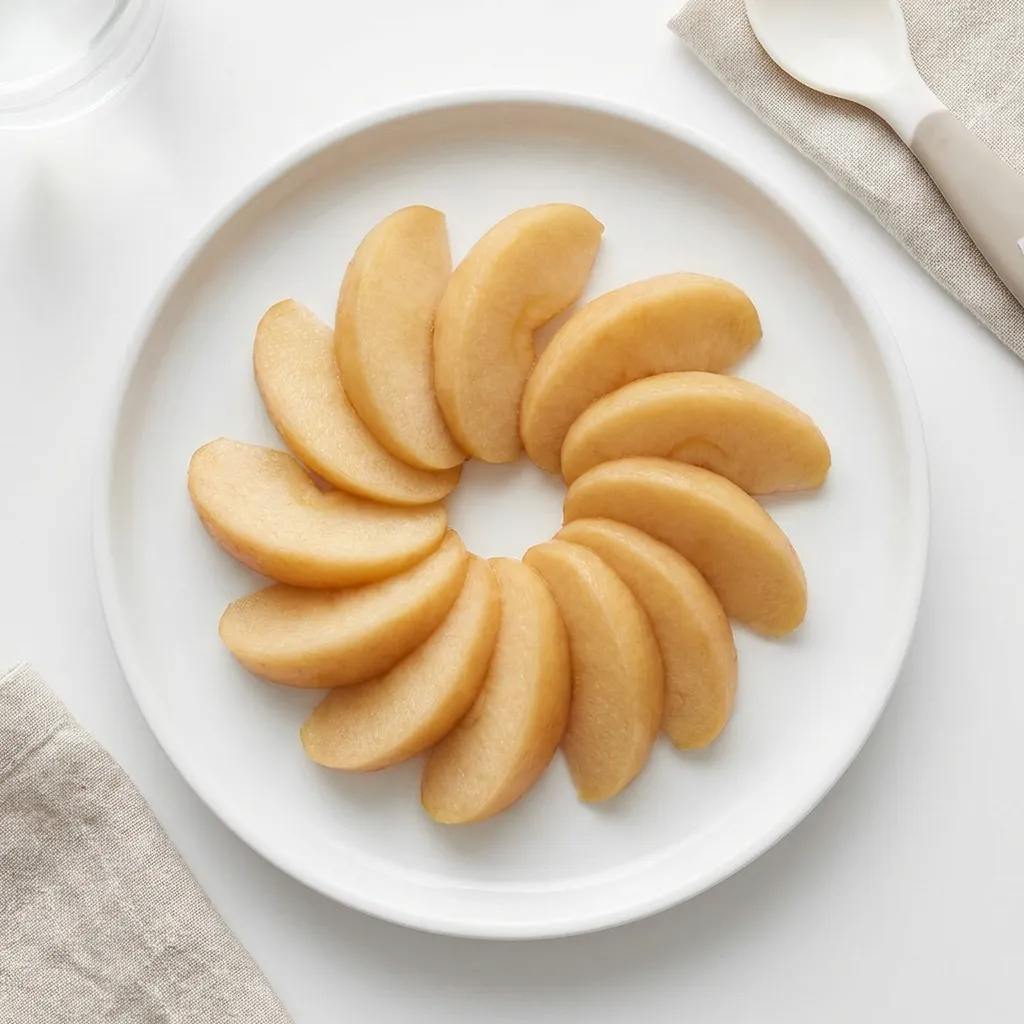
Apple
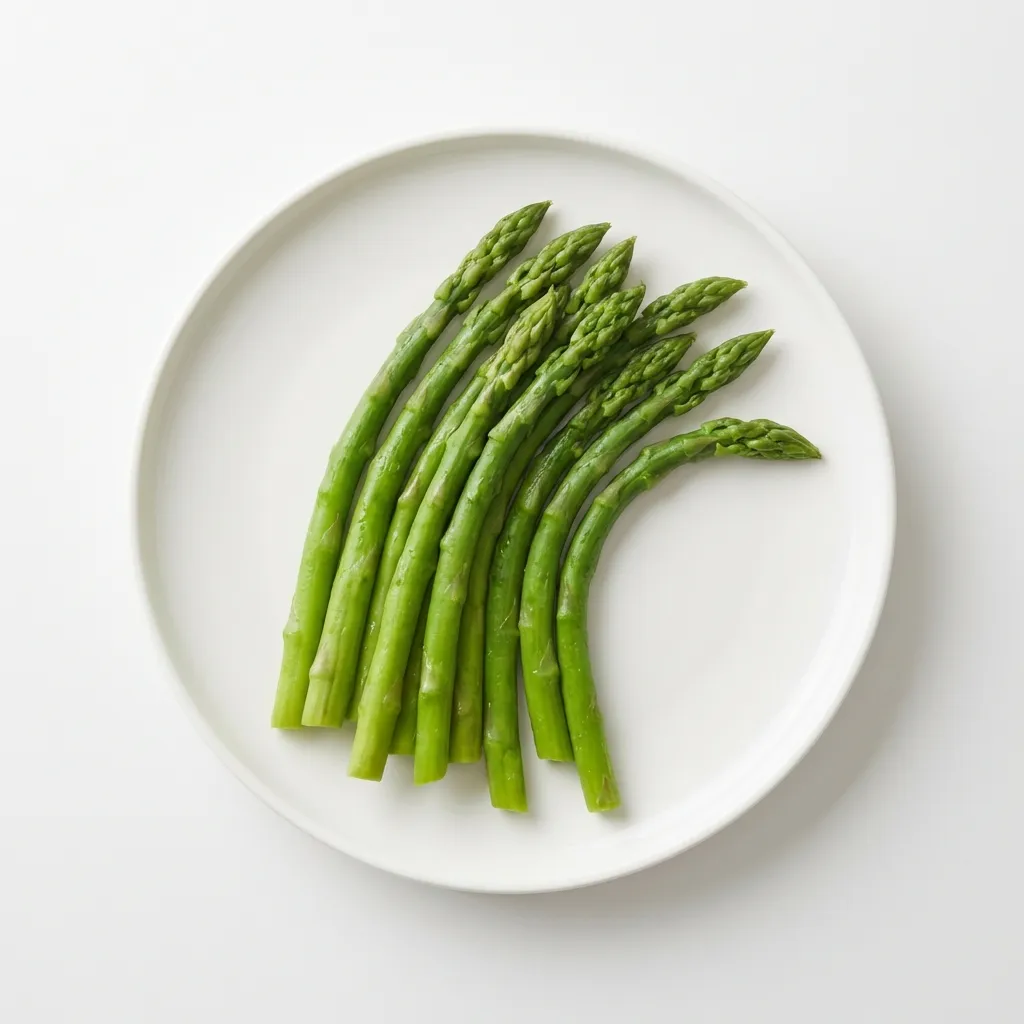
Asparagus
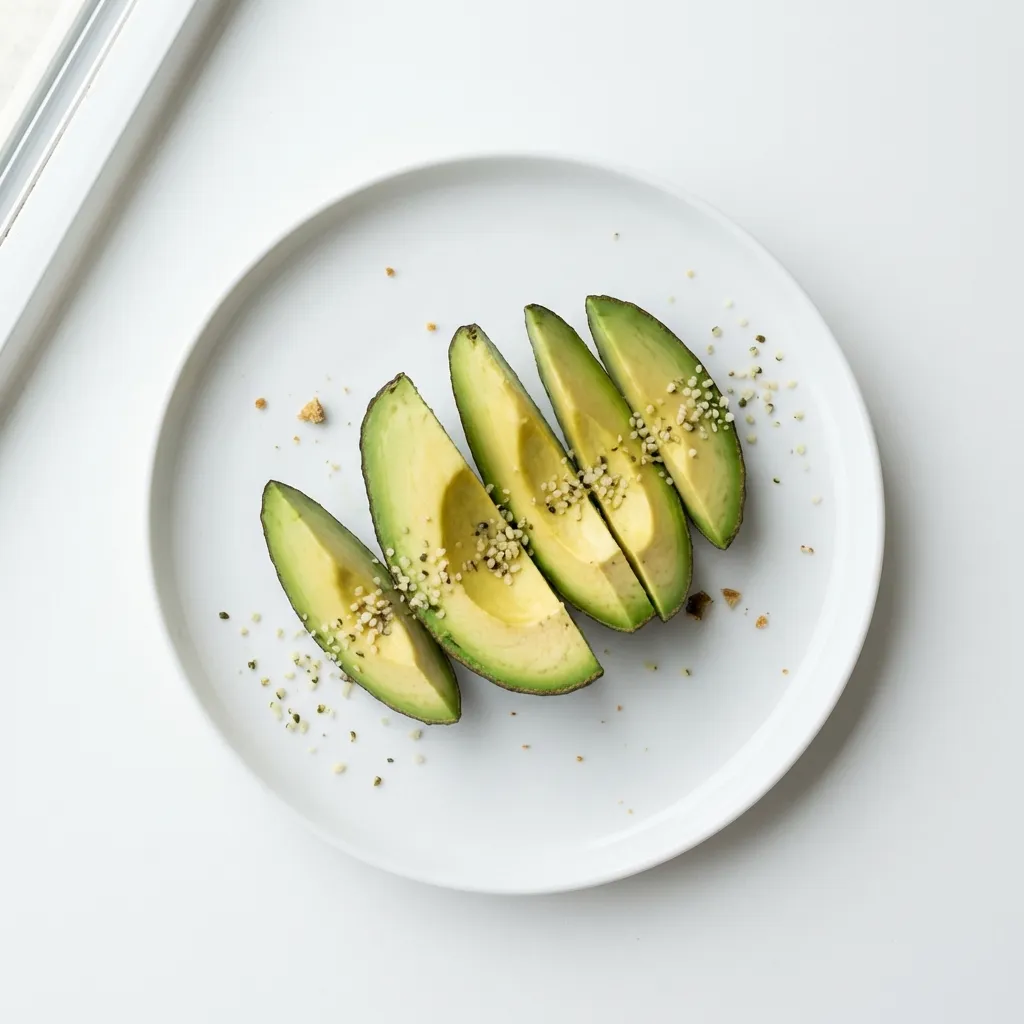
Avocado
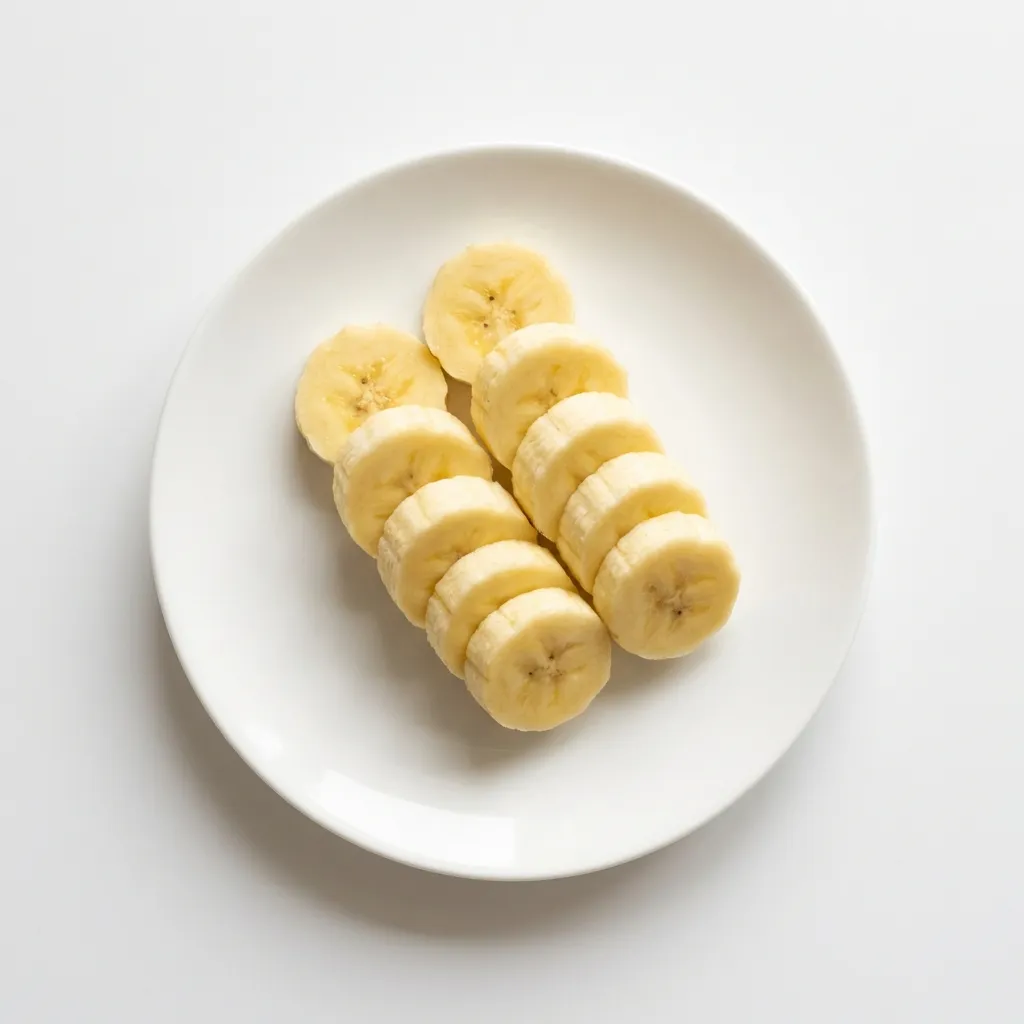
Banana
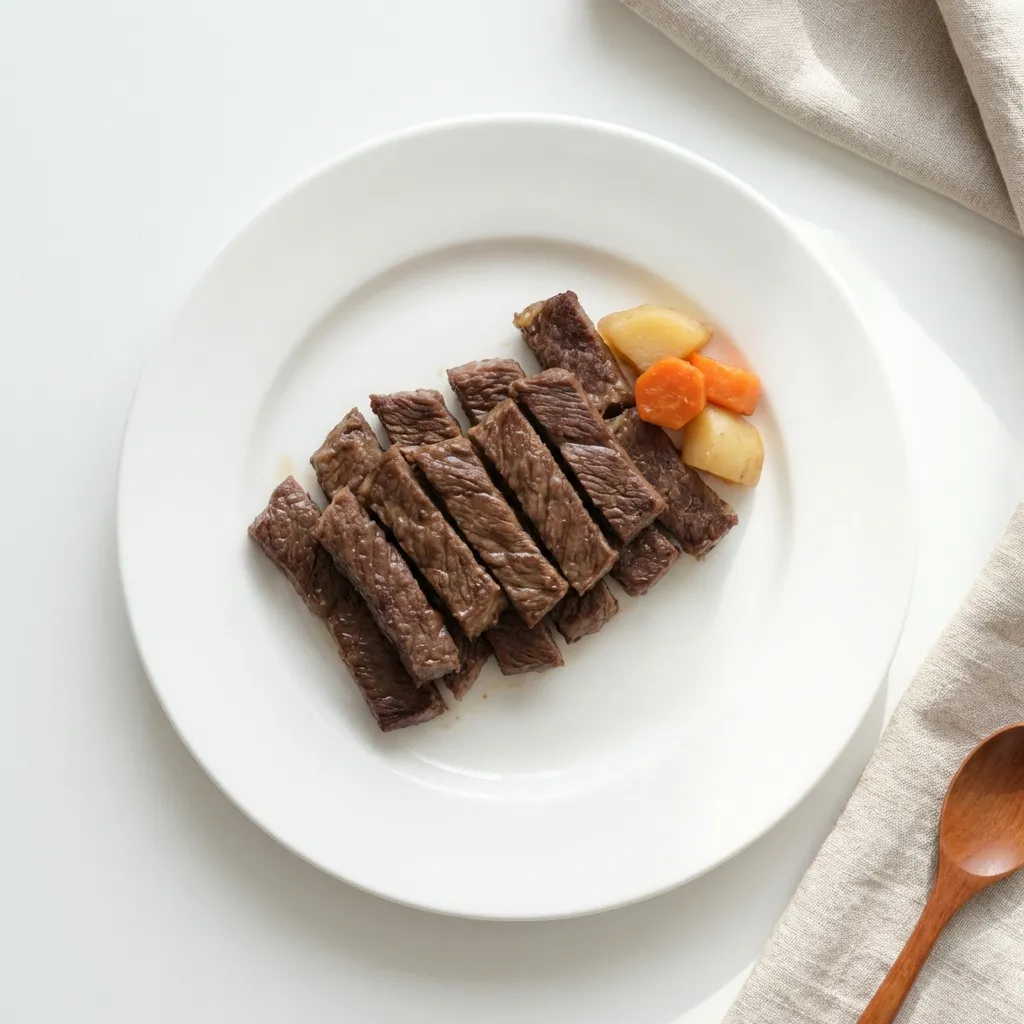
Beef
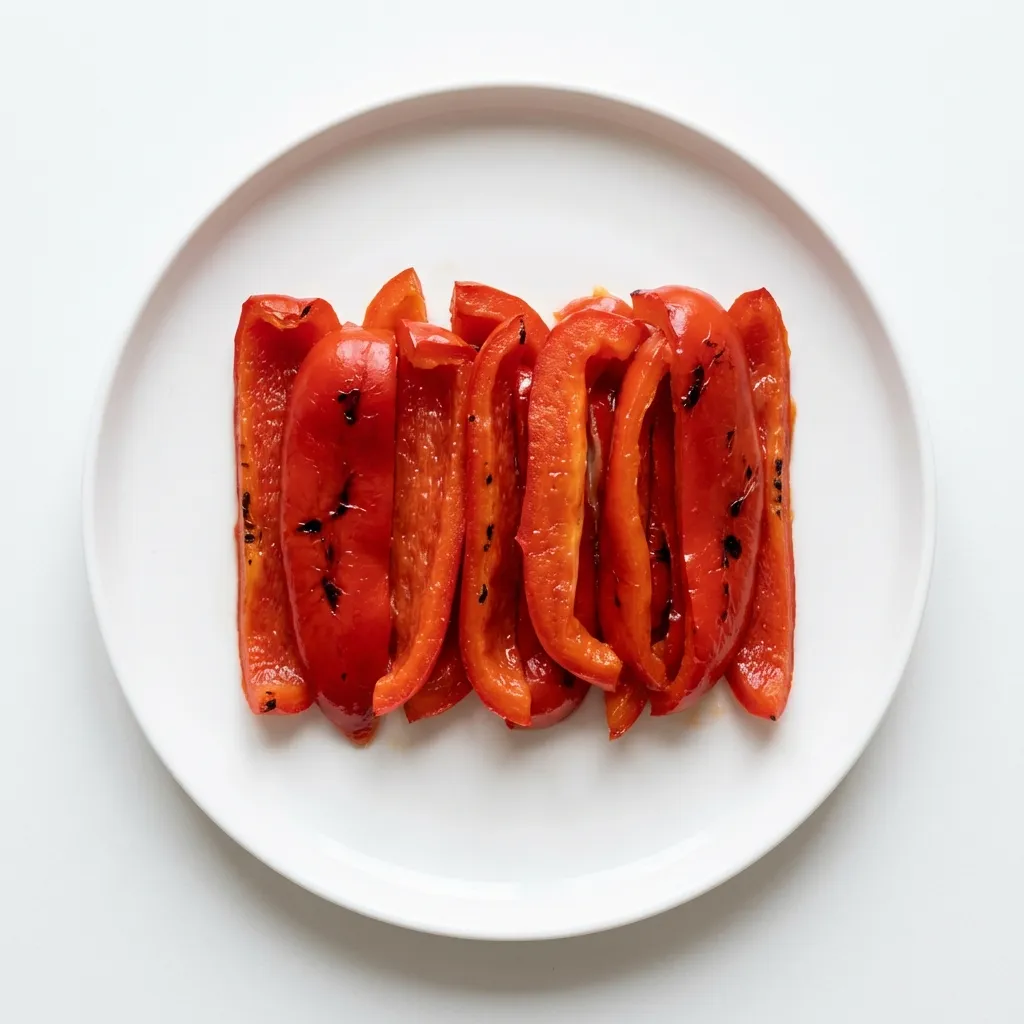
Bell Pepper
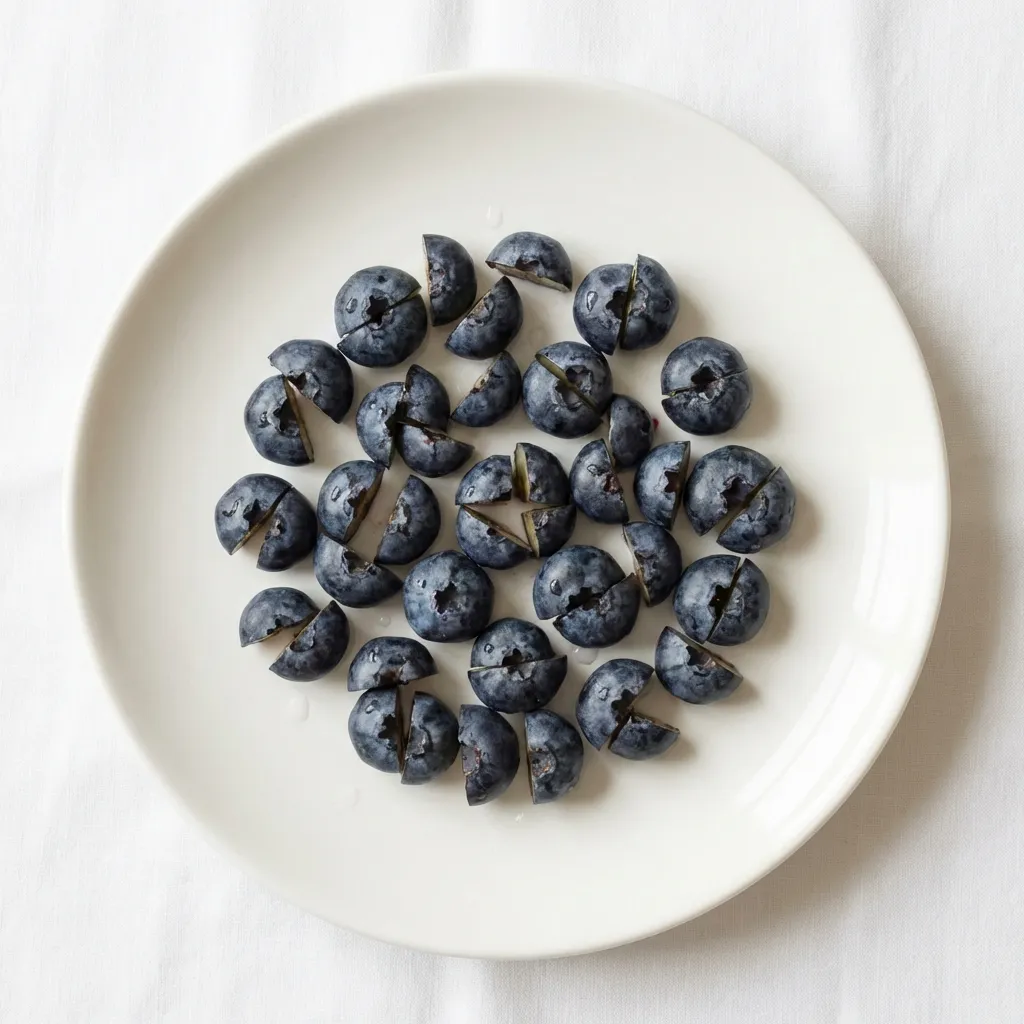
Blueberry
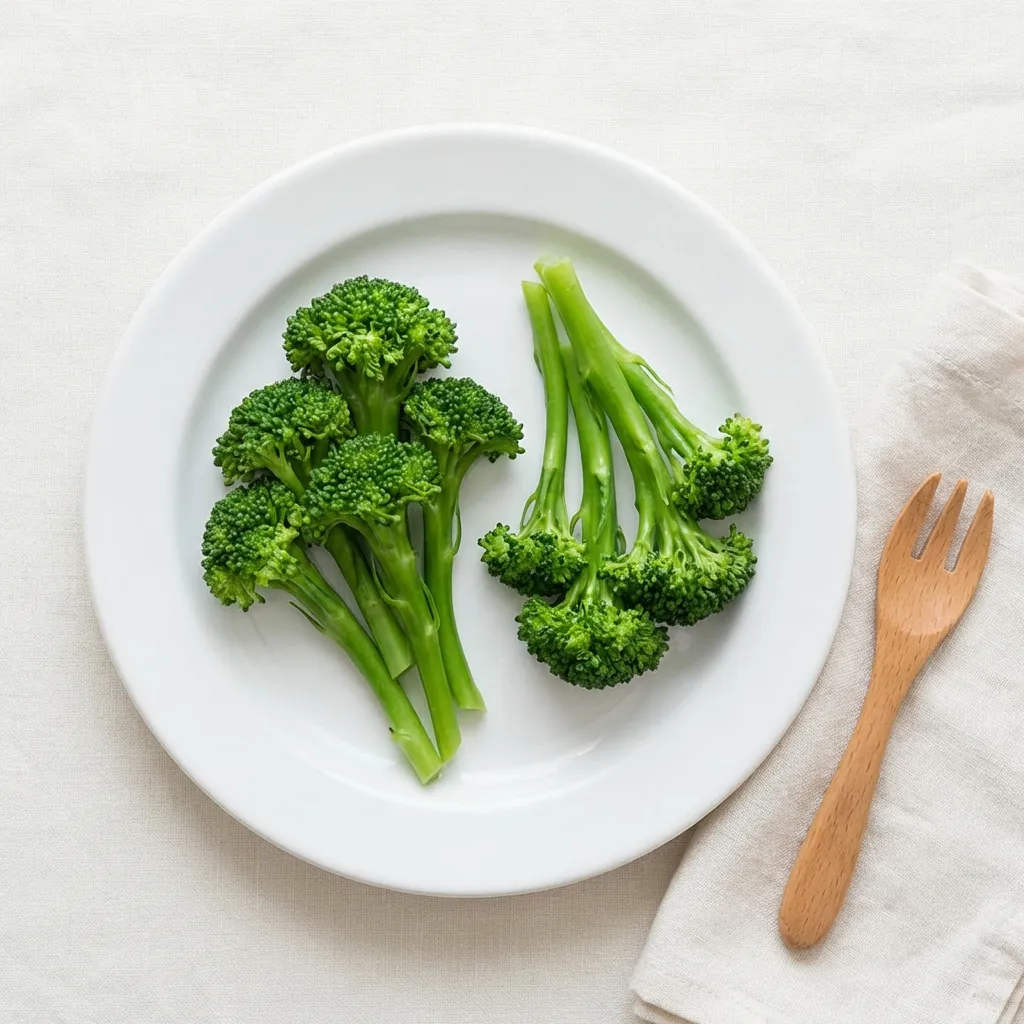
Broccoli
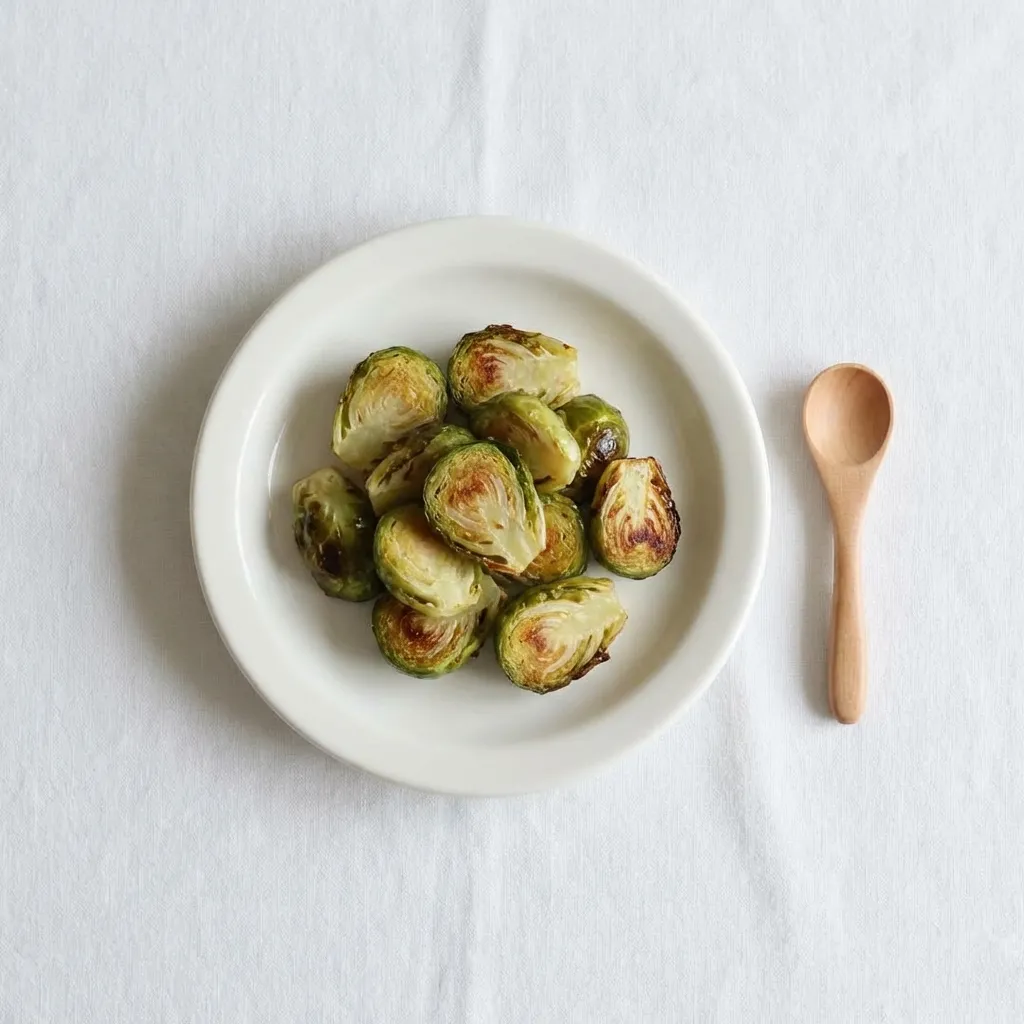
Brussels Sprouts
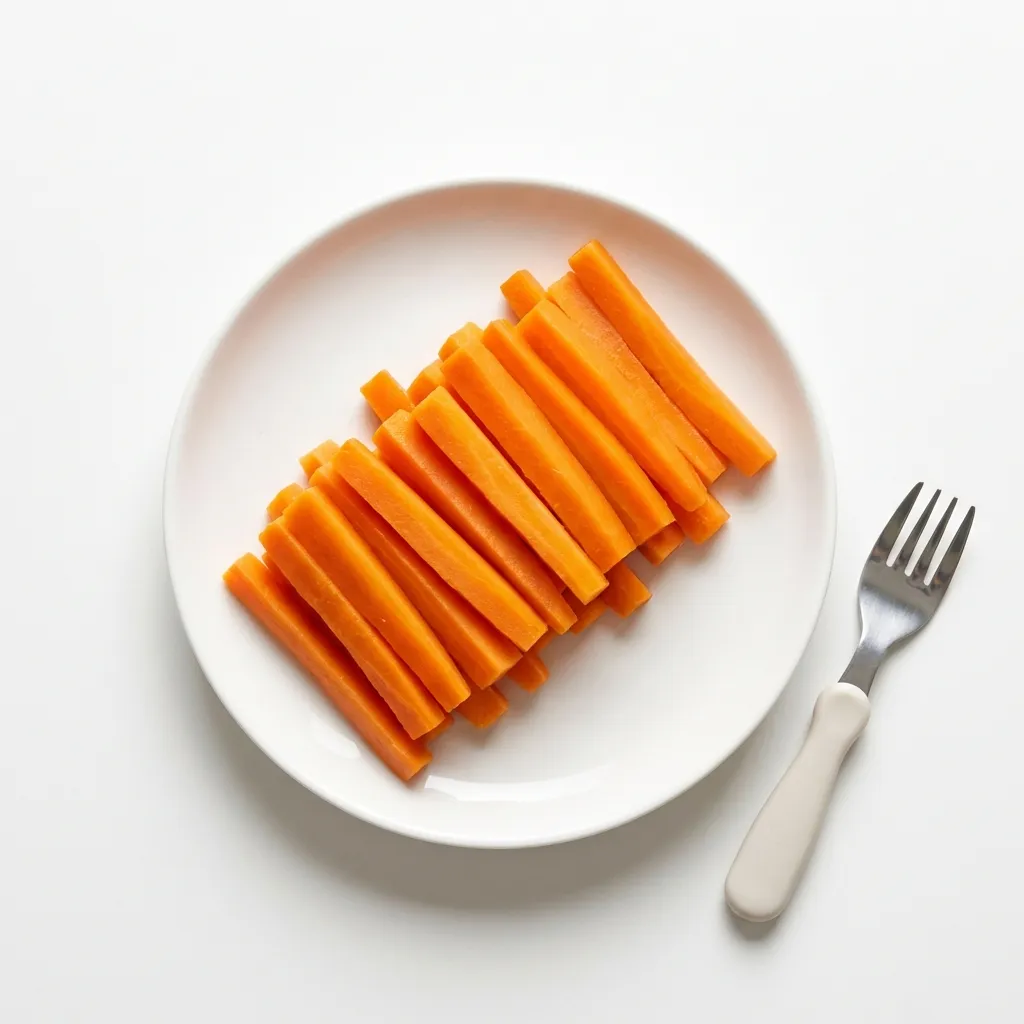
Carrot
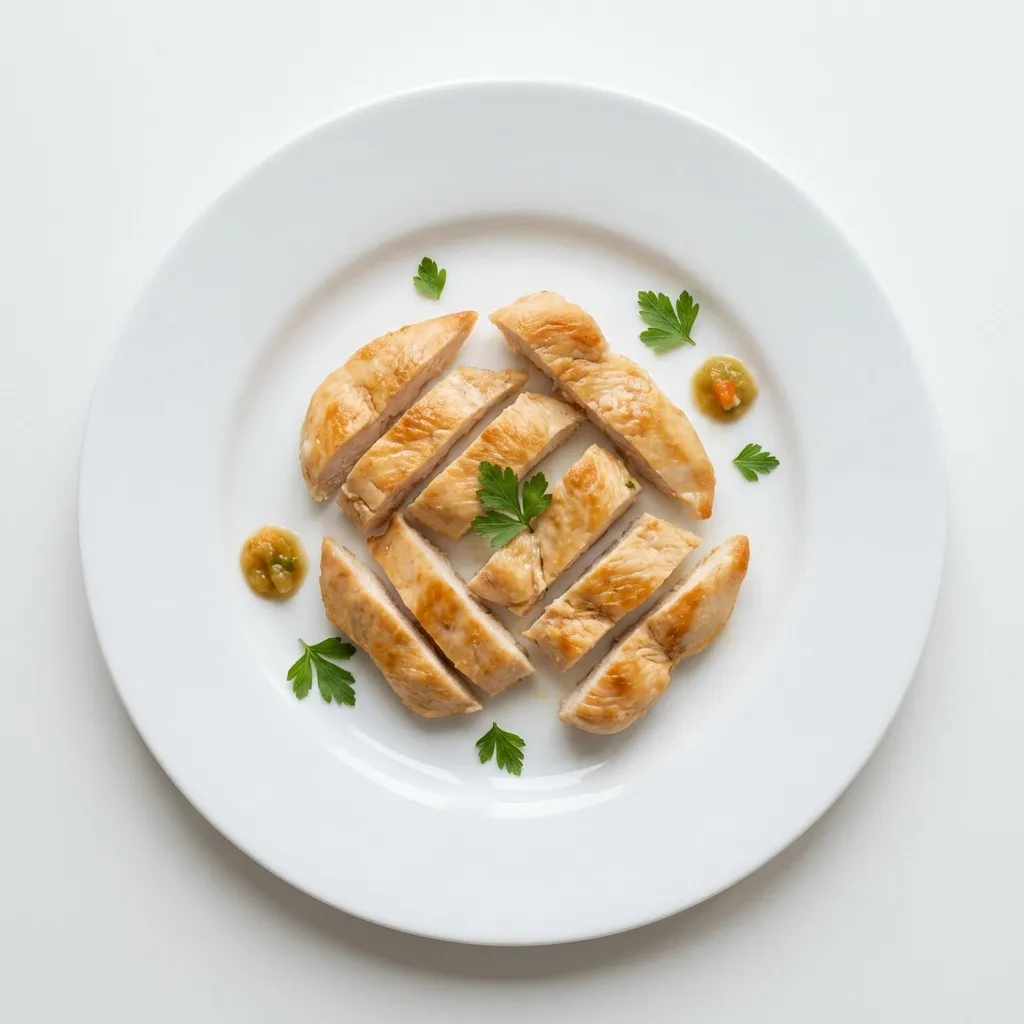
Chicken
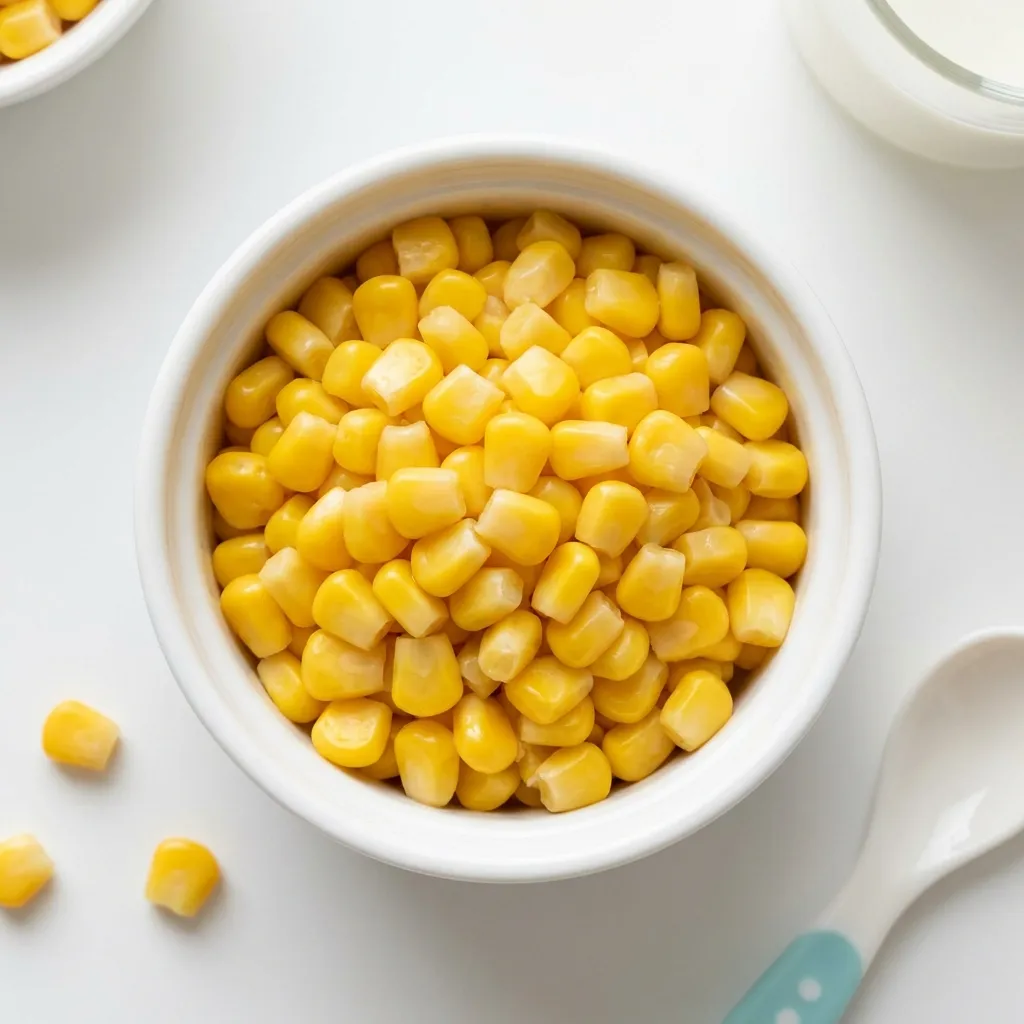
Corn
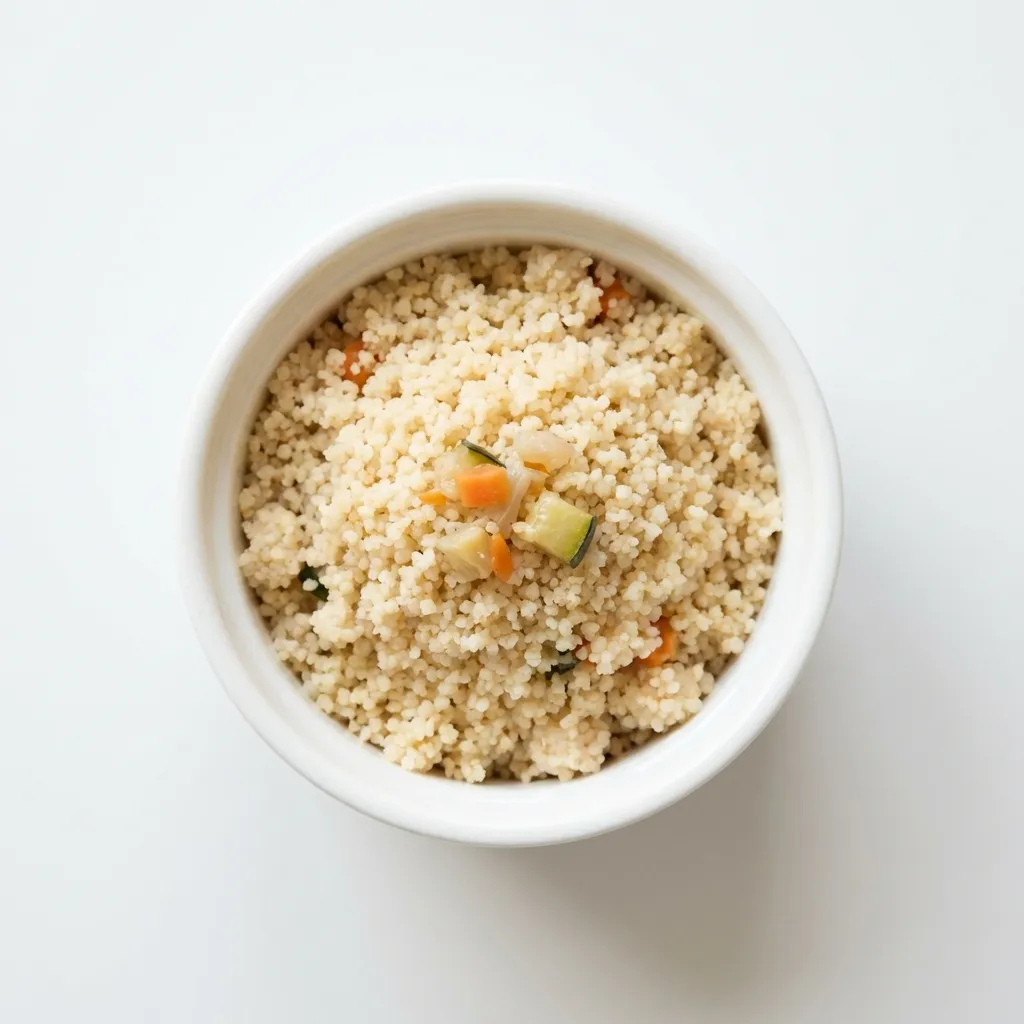
Couscous
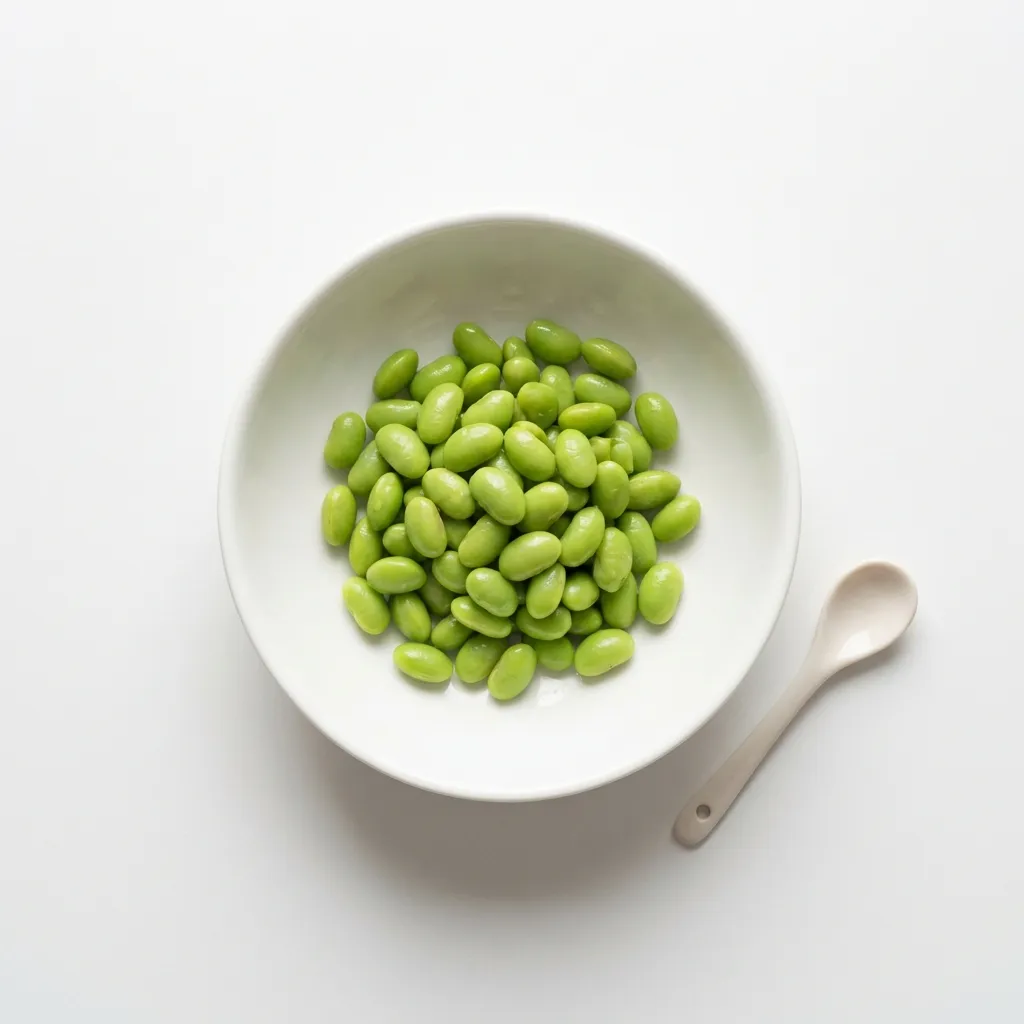
Edamame
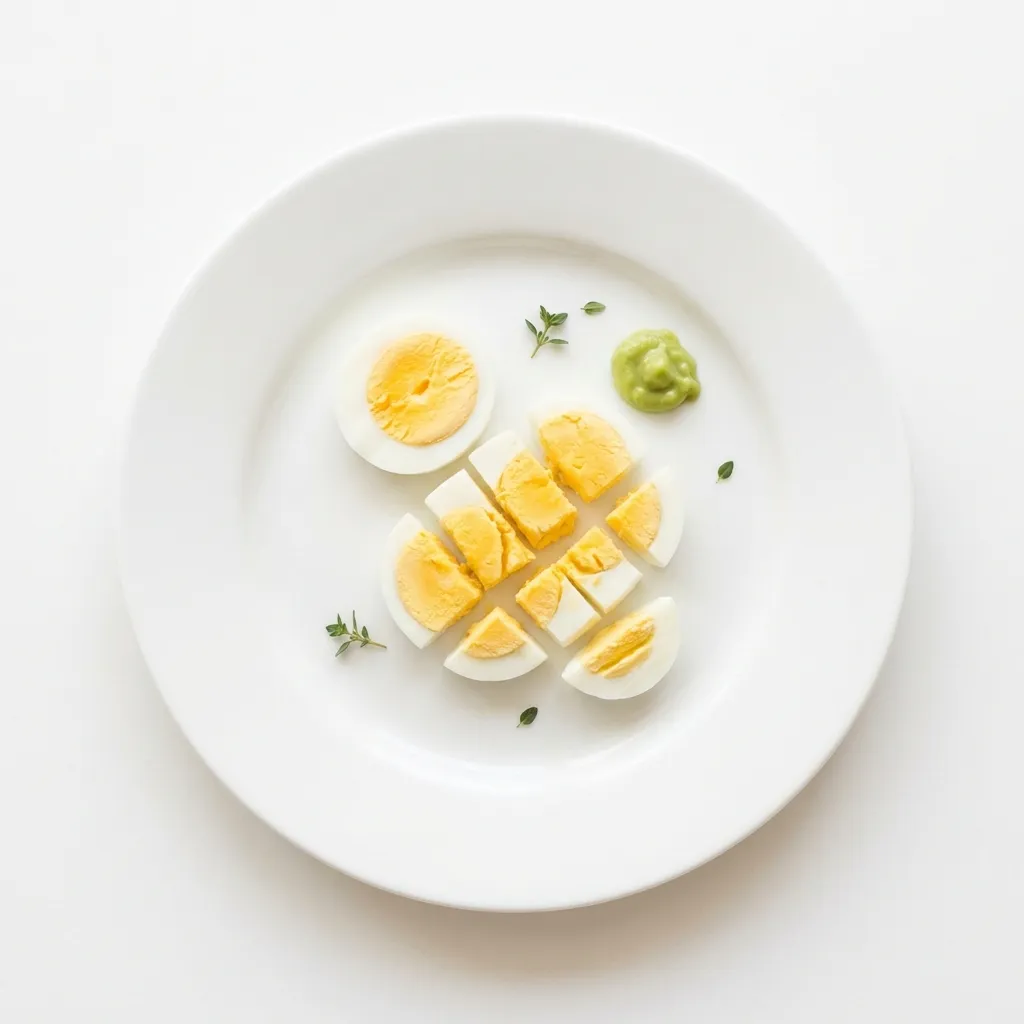
Egg
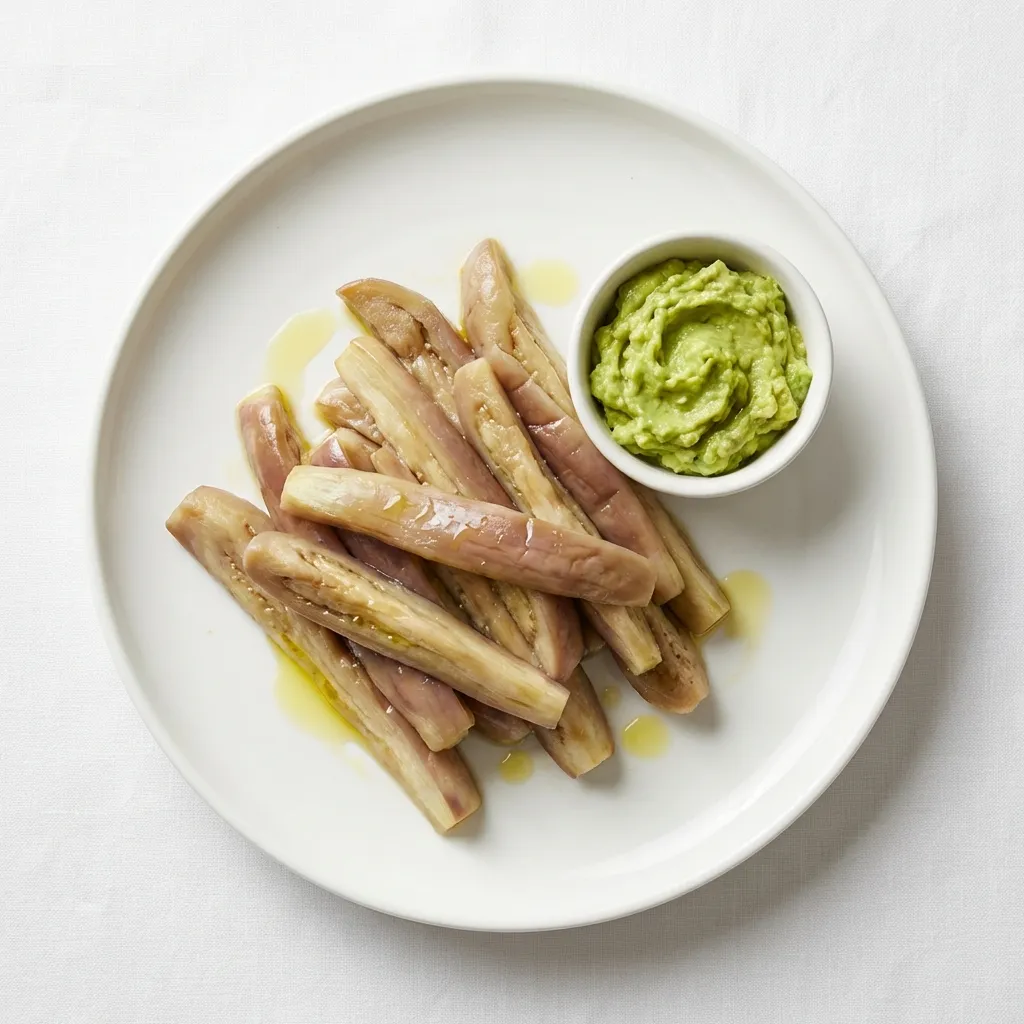
Eggplant
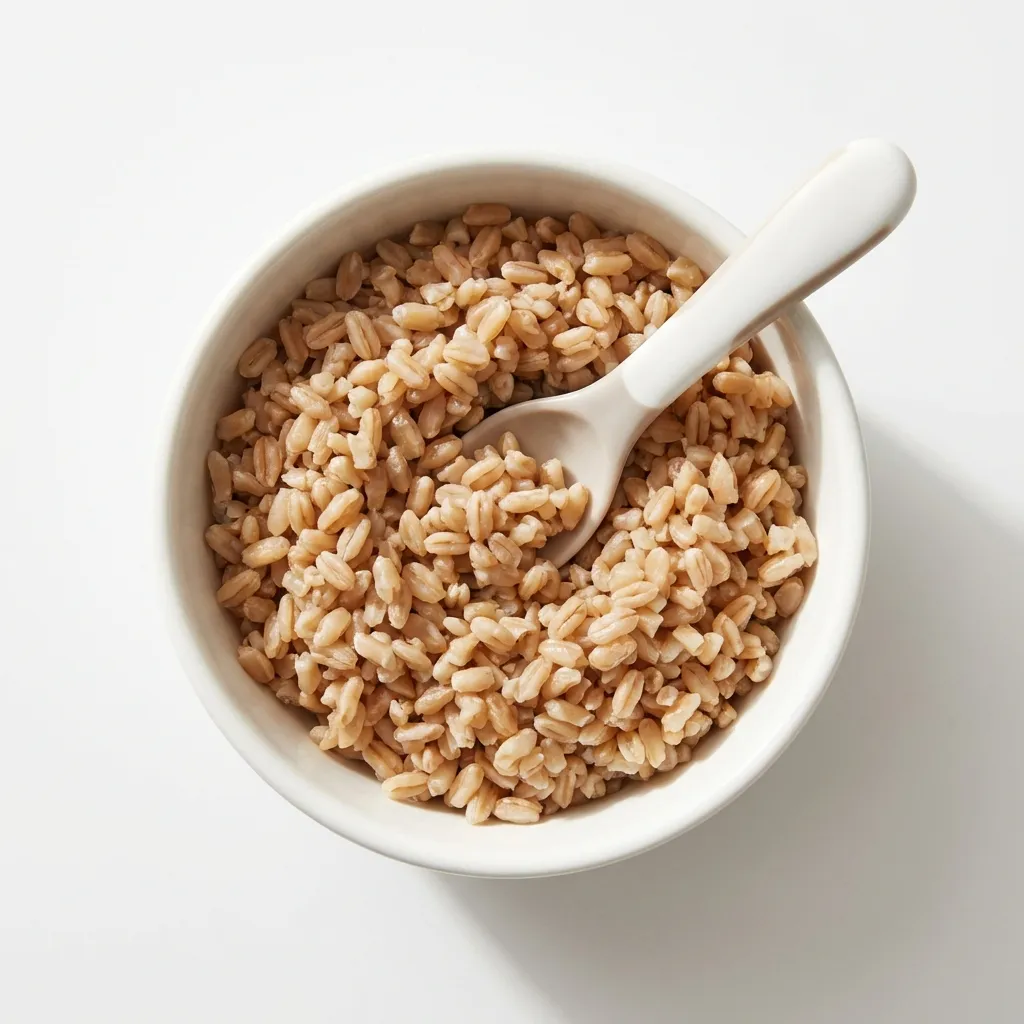
Farro
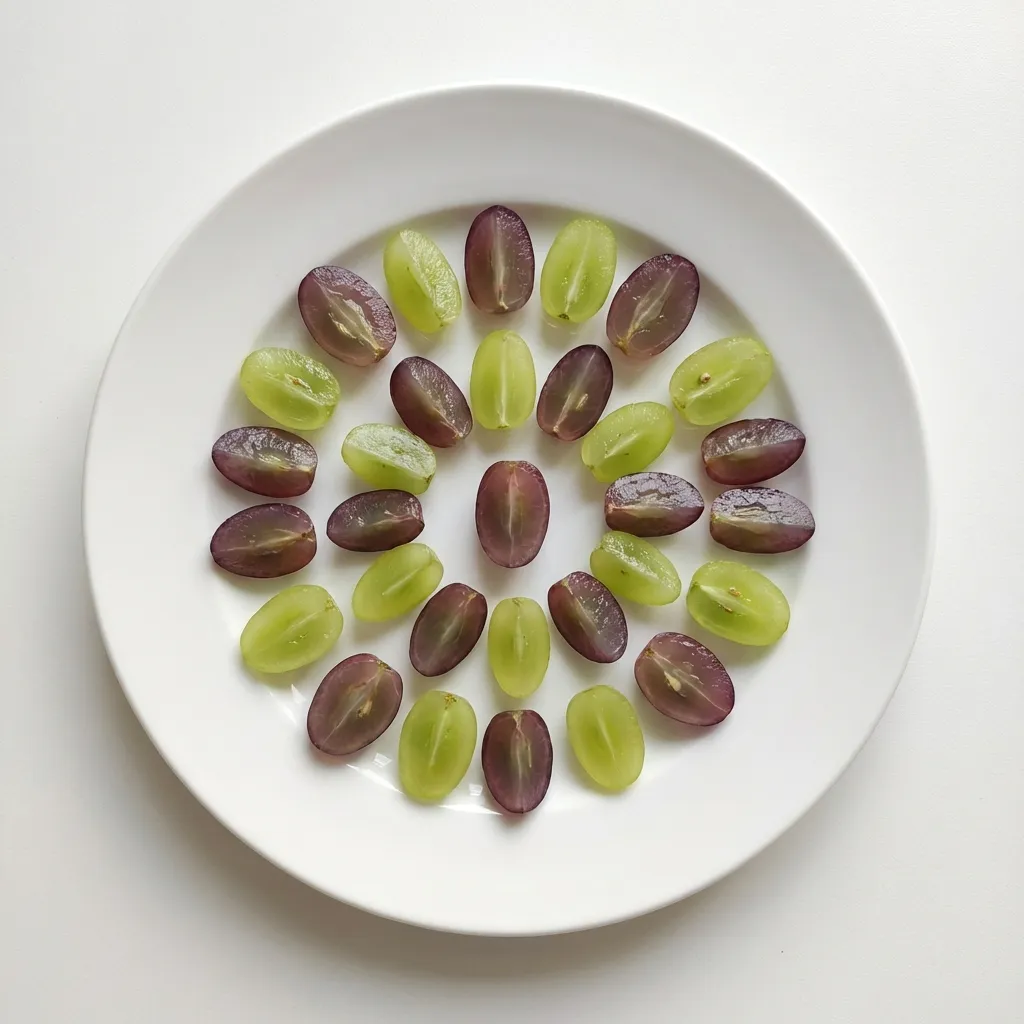
Grape
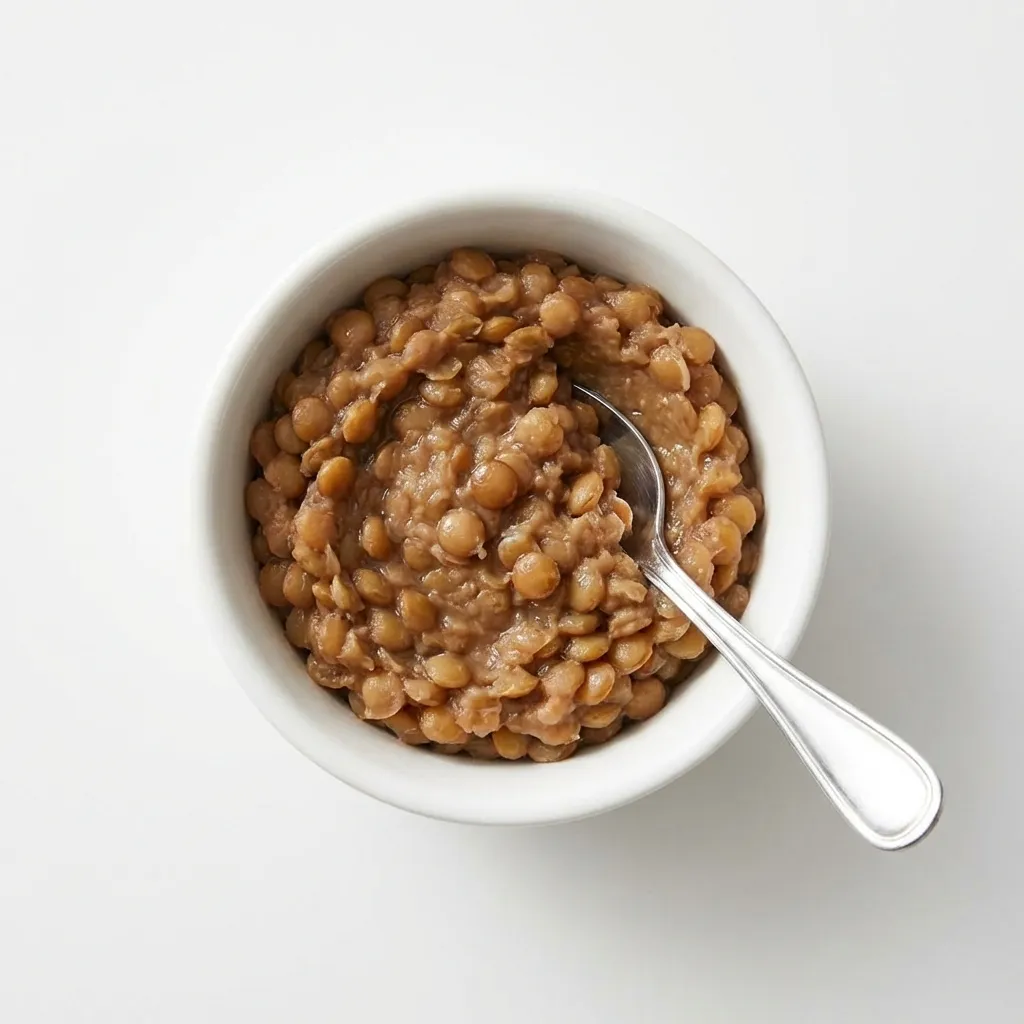
Lentils
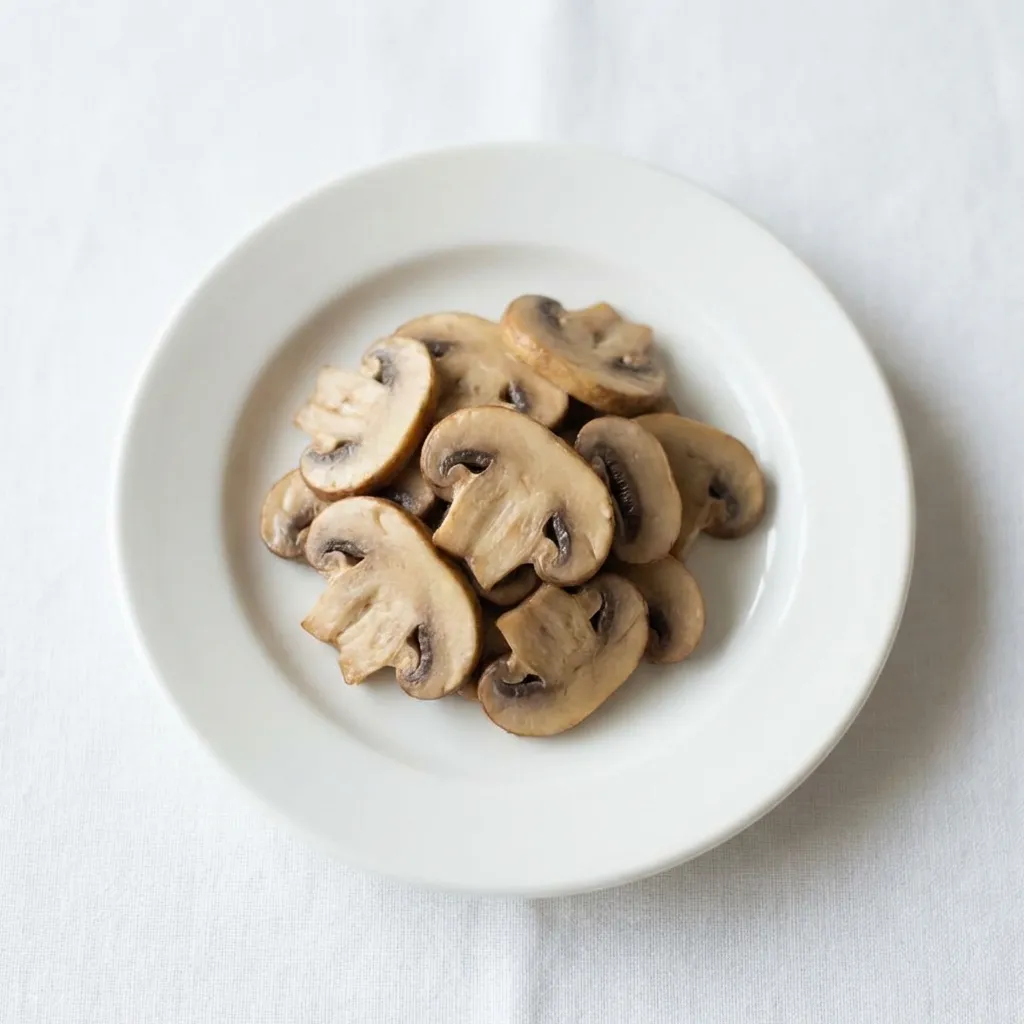
Mushrooms
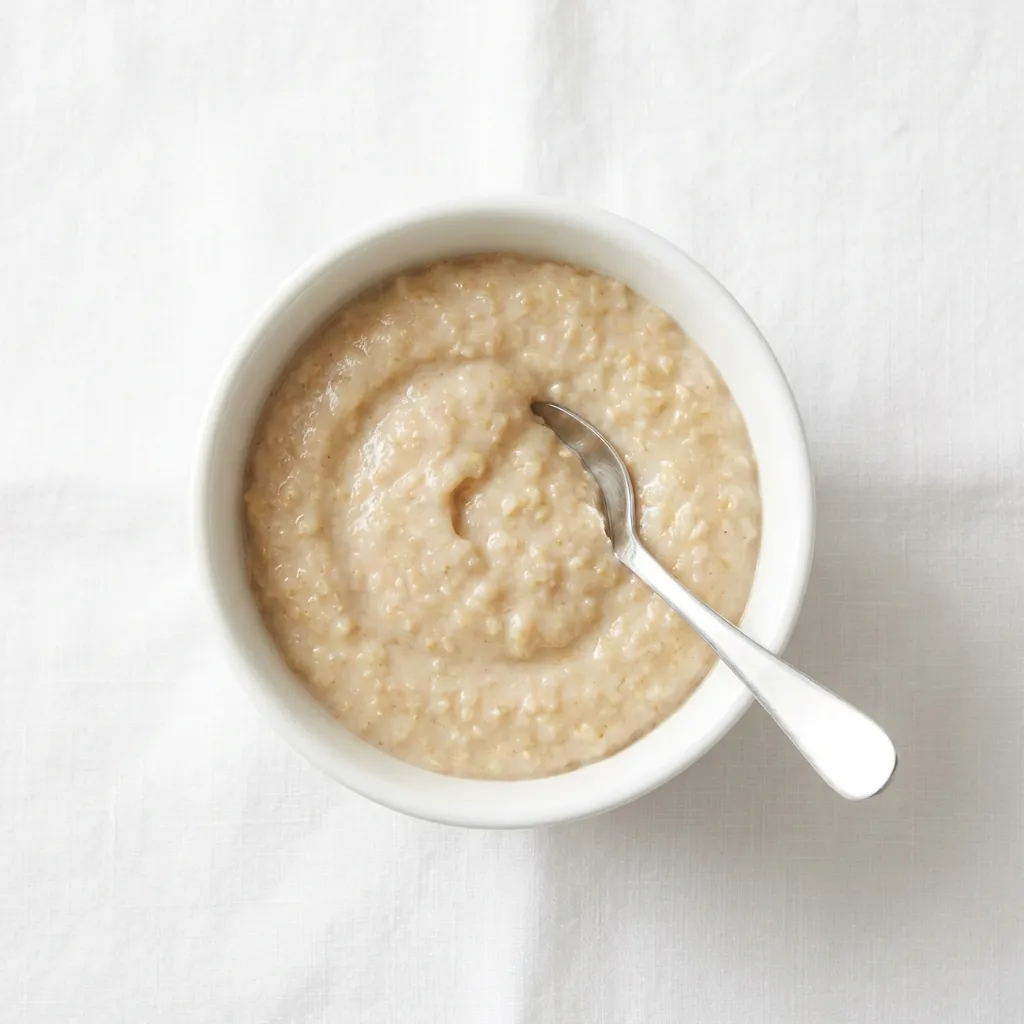
Oatmeal
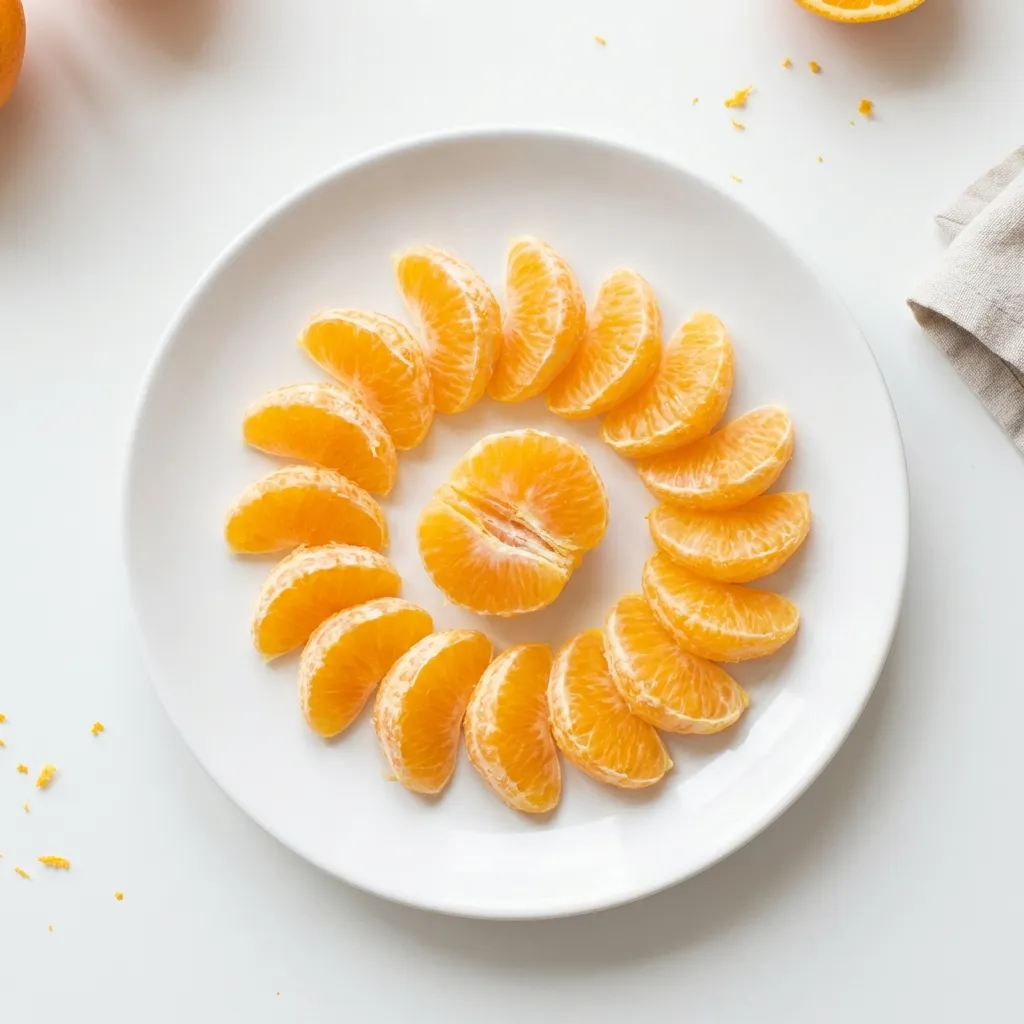
Orange
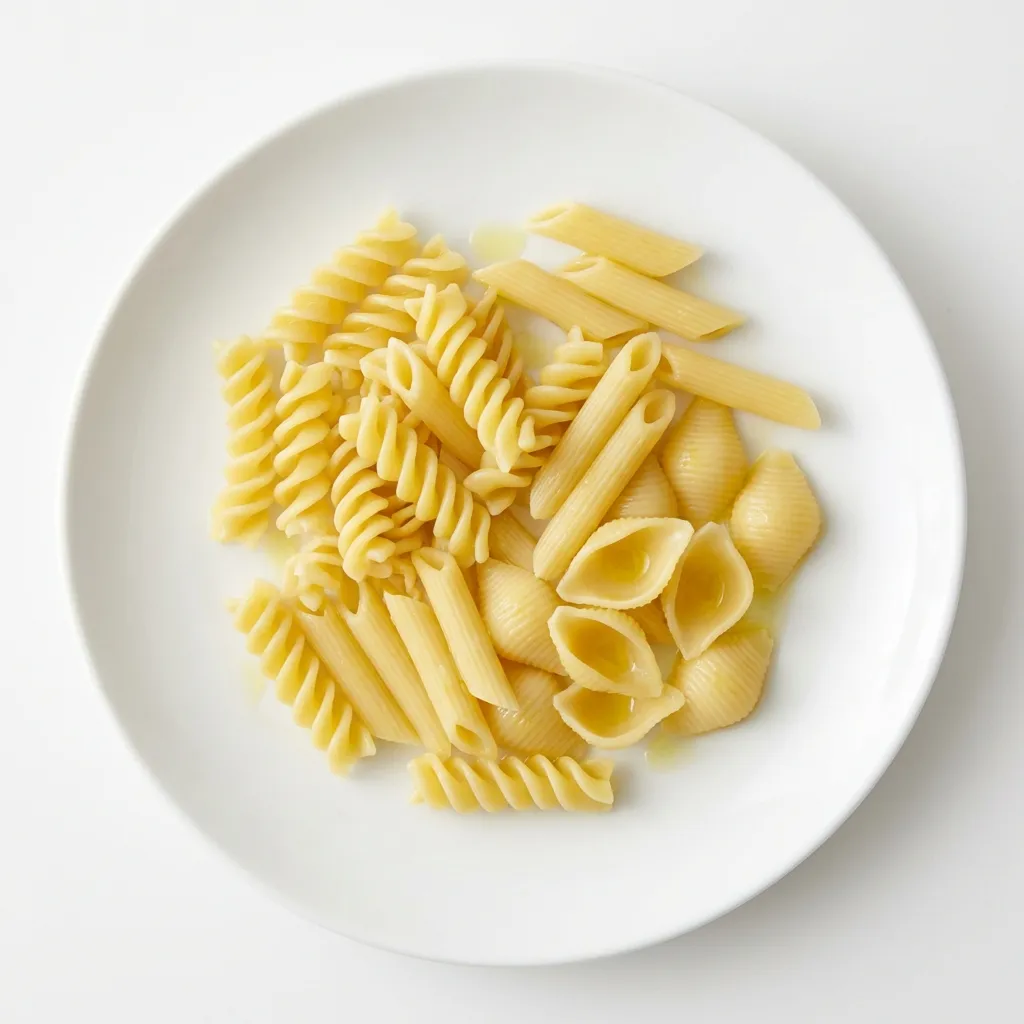
Pasta
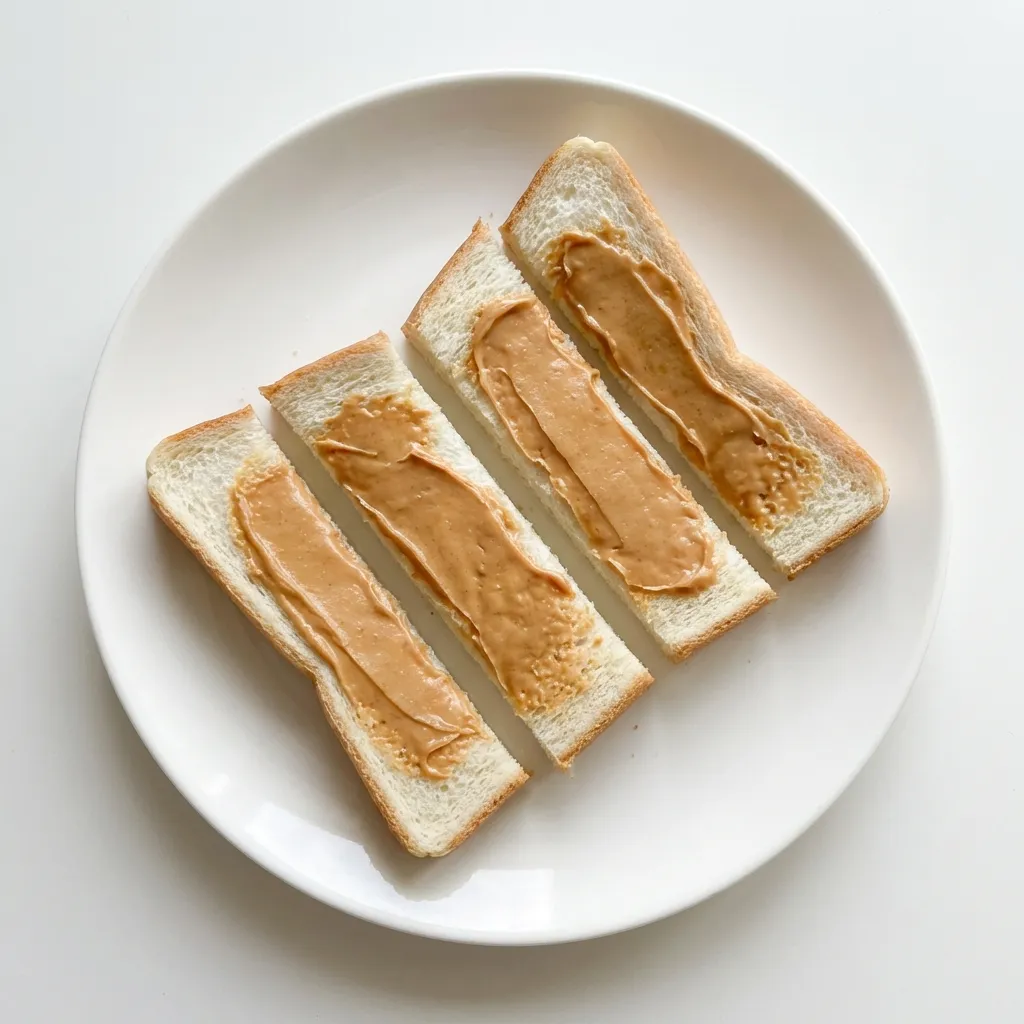
Peanut butter
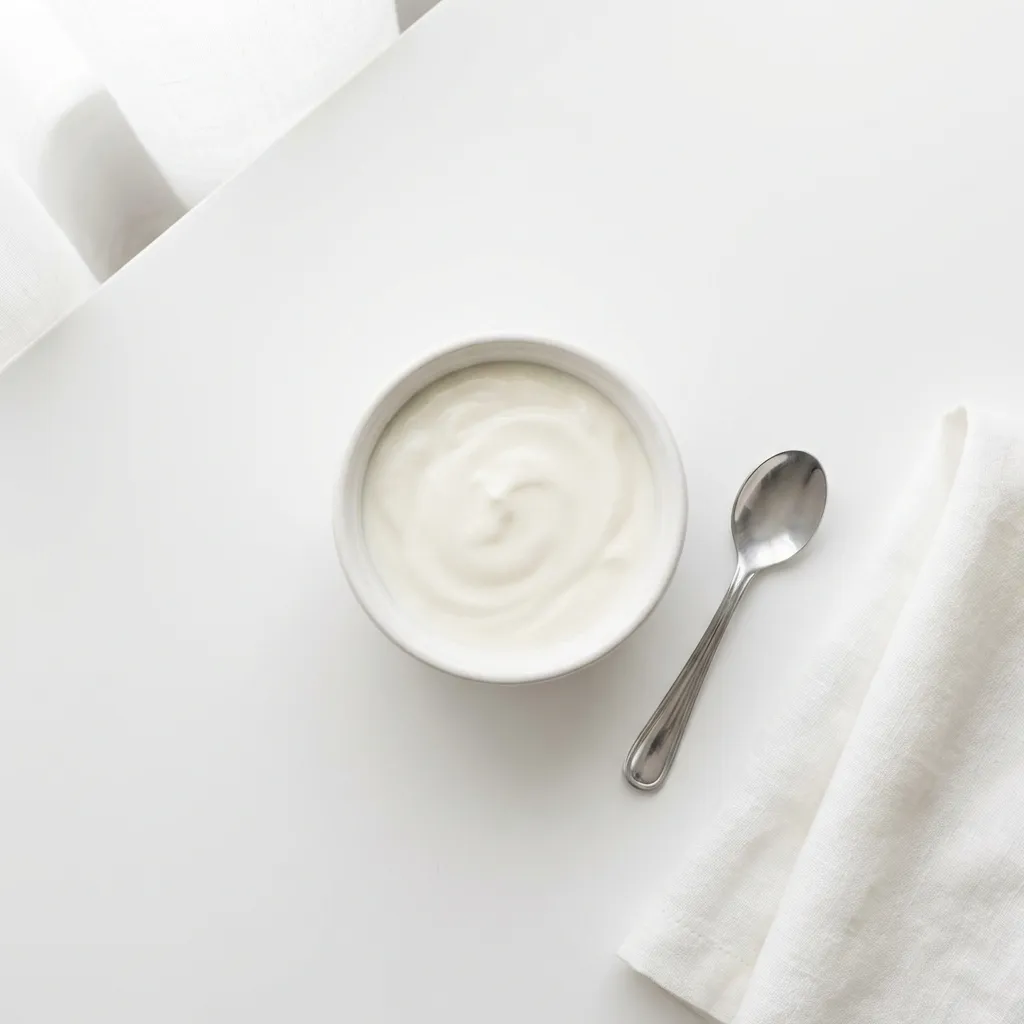
Plain Yogurt
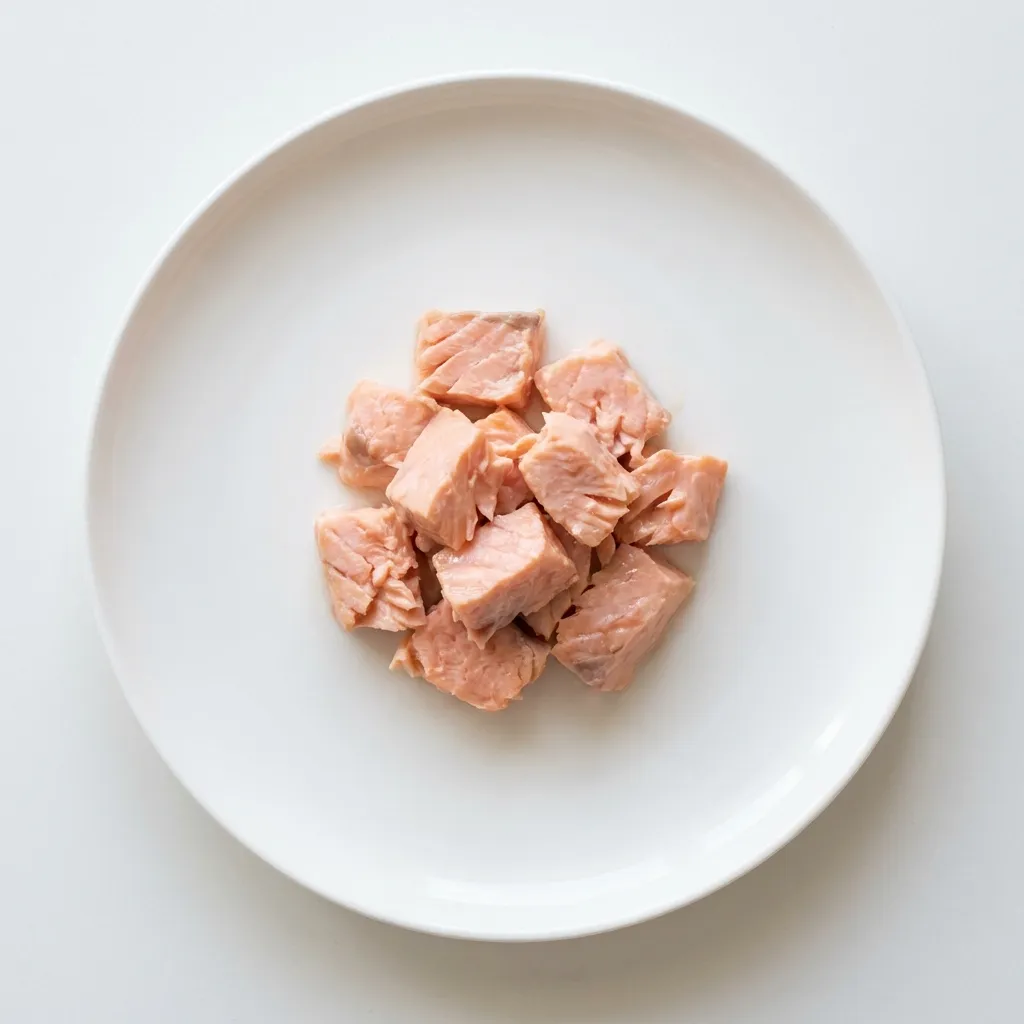
Salmon
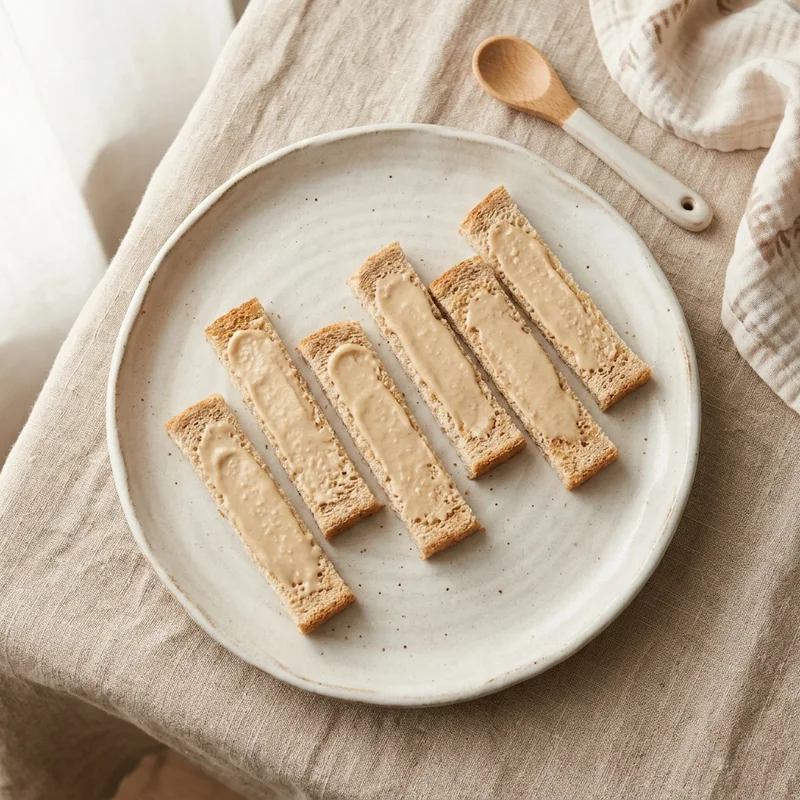
Sesame
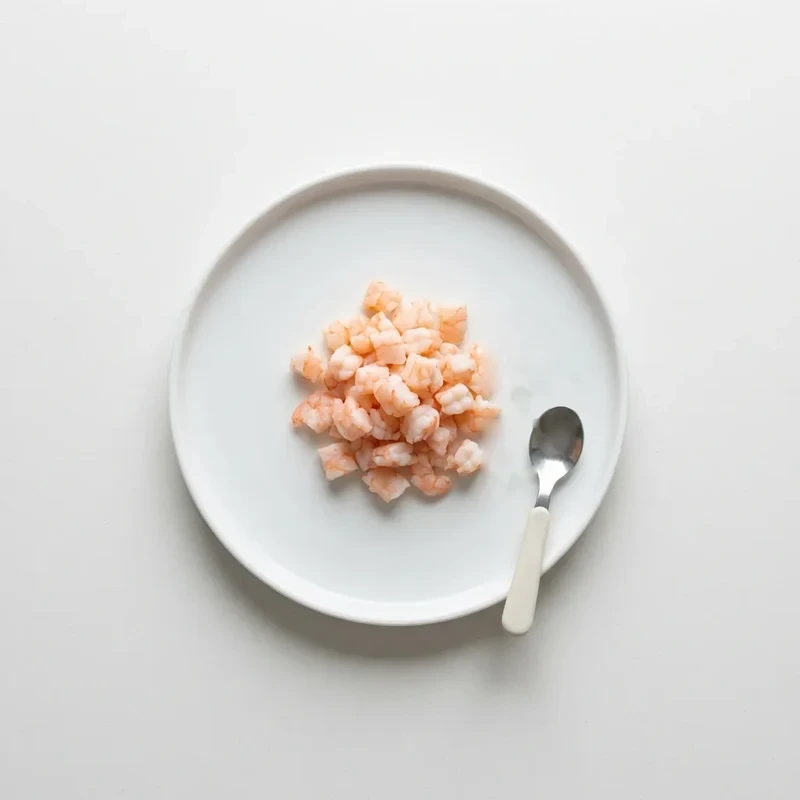
Shrimp
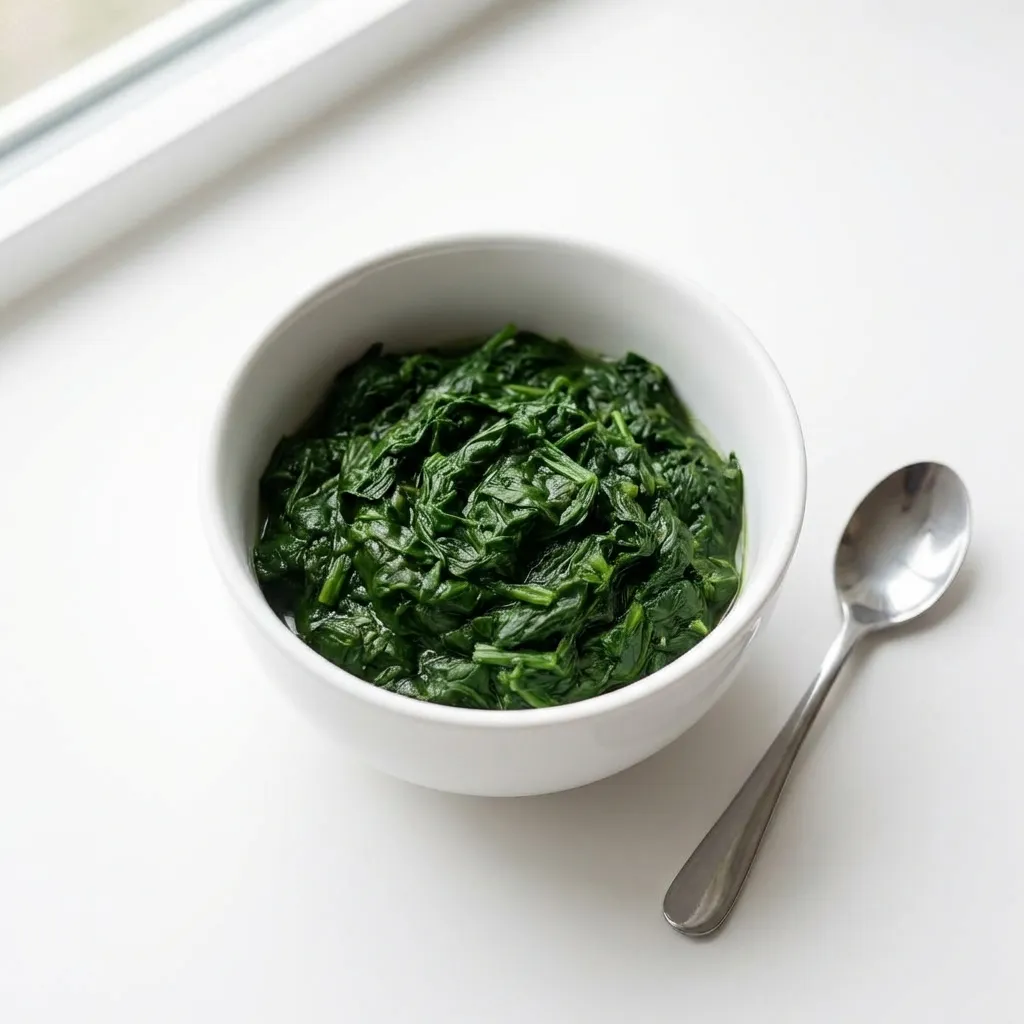
Spinach
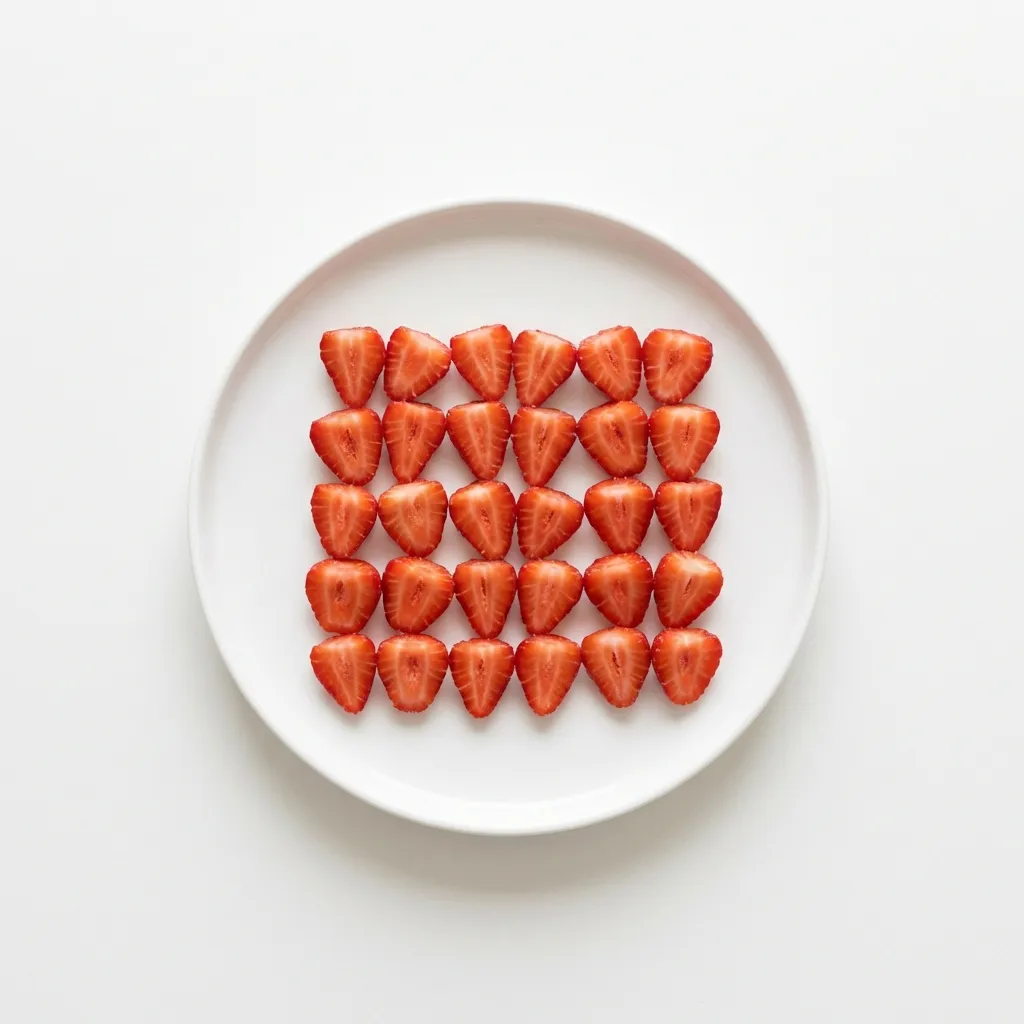
Strawberry
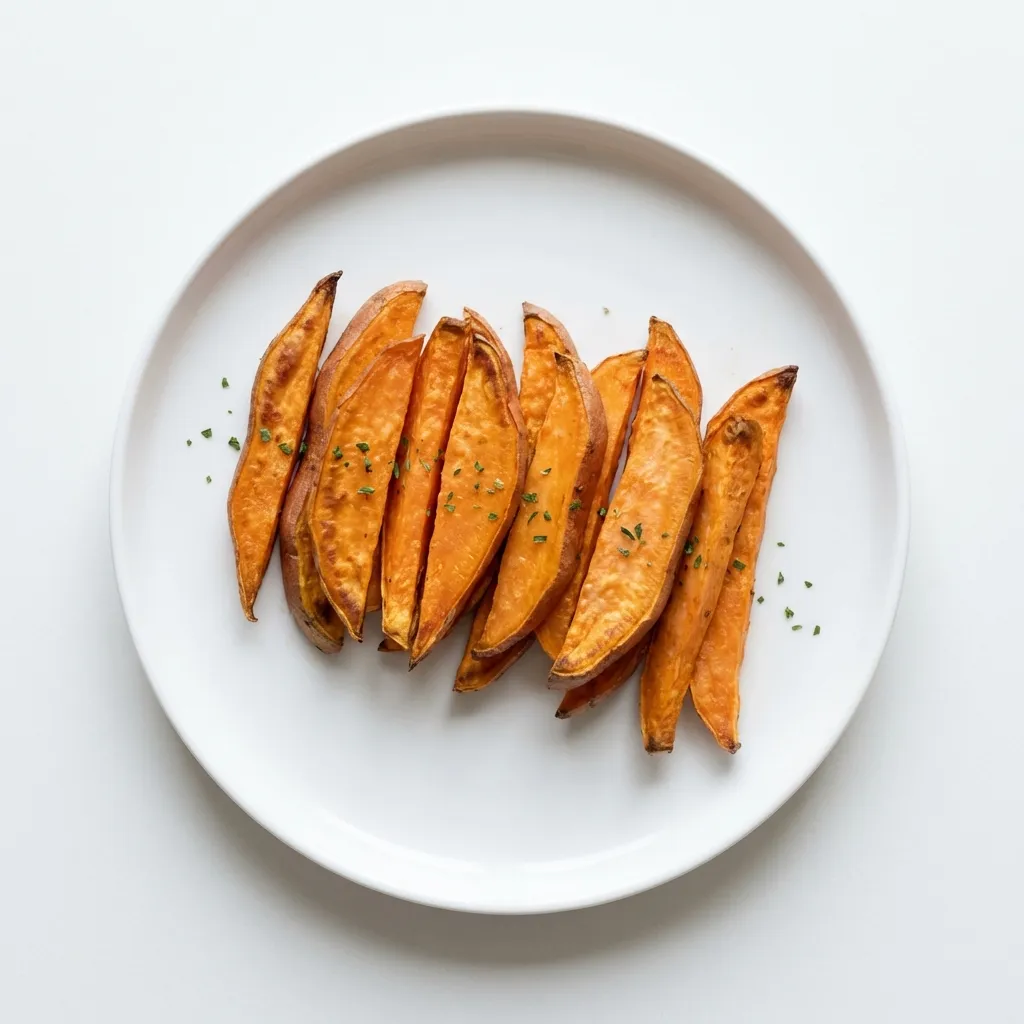
Sweet Potato
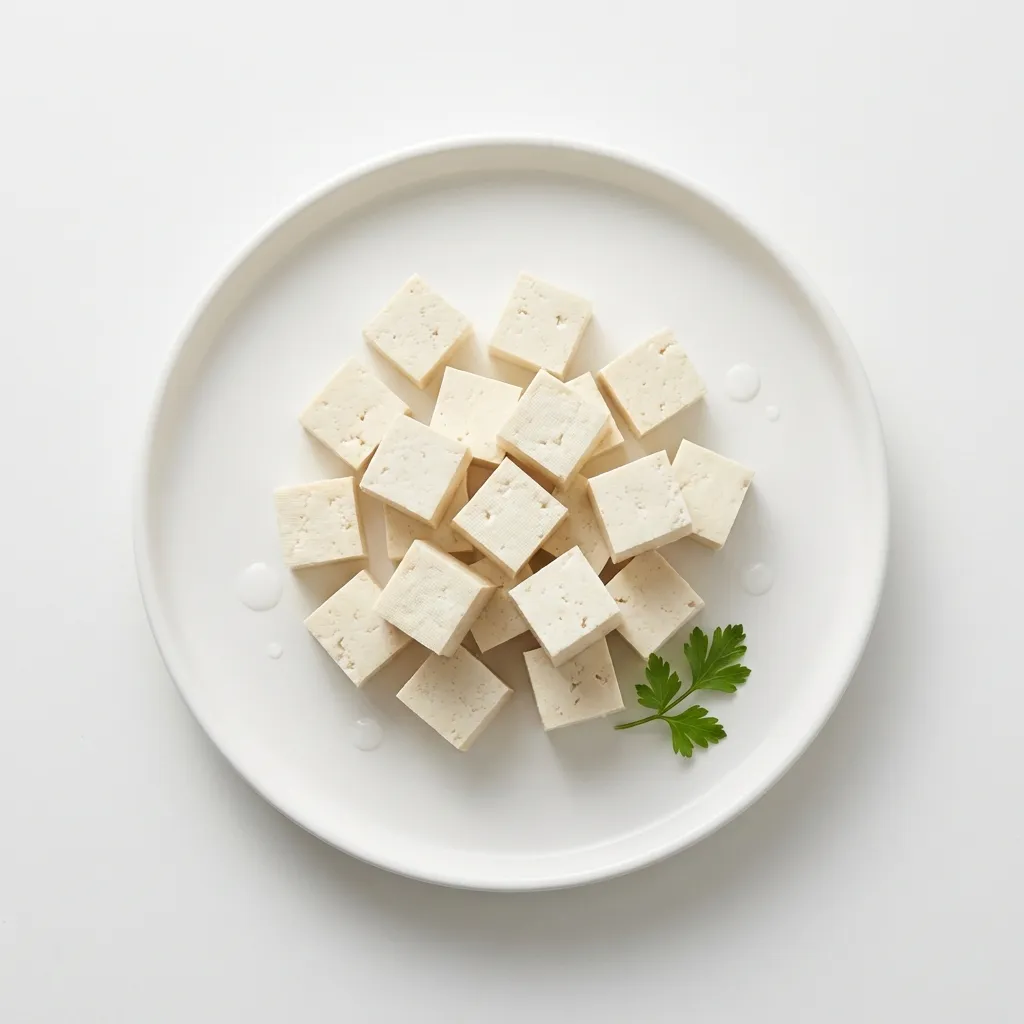
Tofu
Tree Nuts
Frequently Asked Questions
Answers synthesized from CDC, AAP, Health Canada, Canadian Paediatric Society, Alberta Health Services, NHS, and WHO references.
How small should I cut food for a 9-month-old?
Once your baby picks up small items with thumb and forefinger, offer soft, easily squishable pieces about the size of a chickpea or small cube (roughly 1/4 to 1/2 inch). Keep round foods like blueberries squished or quartered and grapes strictly quartered lengthwise.
What if my 9-month-old gags on chunkier food?
Mild, noisy gagging with watery eyes or coughing is a normal protective reflex as babies learn to move textured food from the front to the back of the tongue. Silent struggling, inability to cough or cry, or color change is choking—an immediate 911 emergency.
Can my 9-month-old eat modified family meals?
Yes. Health Canada, CDC, and AAP all encourage sharing family meals modified for infant safety: pull out baby’s portion before adding salt or spicy sauces, avoid honey under 12 months, and cook vegetables and meats until very soft and moist.
How many meals a day should a 9-month-old eat?
Many 9-month-olds naturally eat 2 to 3 small solid meals per day alongside breast milk or infant formula, including iron-rich foods at least twice daily and regular exposure to previously tolerated allergens.
Explore More Feeding Hubs
Browse by Age Stage & Safety Priority
6-Month First Foods
Age Stage · 6–8 Months
Iron-Rich Foods
Nutrient Priority · Iron-First
Top 9 / 11 Allergens
Allergy Safety · US Top 9 & CA Priority 11
BLW Finger Foods
Self-Feeding · BLW Shapes
Choking Hazards
Safety Priority · Modify Before Serving
Official Public-Health Sources Cited
- Centers for Disease Control and Prevention (CDC):Tastes and Textures for Infants
- Health Canada:Nutrition for Healthy Term Infants: 6 to 24 Months
- Alberta Health Services:Healthy Eating Starts Here: Feeding Your Baby 6 to 12 Months
How to Use This Information
This content summarizes official health guidelines from CDC, American Academy of Pediatrics, and Health Canada. We organize their recommendations—we don't create our own. Official guidelines are general; your child's needs may differ.
⚠️ Important:
- •Always consult your pediatrician before introducing new foods, especially if your child has a history of allergies, medical conditions, or special dietary needs.
- •Every child is different. Readiness for foods varies by individual development, not just age.
- •In emergencies, call 911 or your local emergency number immediately.
Based on guidelines from: