
Baby-Led Weaning (BLW) Finger Foods
Quick Answer · Official Public-Health Synthesis
Safe baby-led weaning (BLW) finger foods match your baby’s hand grasp and chewing stage: long, soft two-finger-width spears at 6–8 months (palmar grasp) and soft chickpea-sized bites at 9–12 months (pincer grasp). Every piece must pass the squish test between your thumb and forefinger while baby sits fully upright under active supervision.
- 6–8 months (palmar grasp): offer soft spears about the length and width of two adult fingers so baby can hold one end and gum the other.
- Coat slippery spears (like avocado or ripe banana) in crushed iron-fortified infant oat cereal or hemp hearts for easier grip.
- 9–12 months (pincer grasp): switch to soft bite-sized cubes, shredded tender meats, flattened berries, and soft pasta shapes.
- Combine BLW finger foods with pre-loaded spoons for iron-rich mashes like lentils, oatmeal, and yogurt whenever helpful.
US vs. Canada Official Guideline Notes
Curated from public-health agencies — non-clinical referenceUnited States (AAP & CDC)
CDC and AAP emphasize responsive feeding and safe soft finger foods as soon as babies show readiness, stressing strict avoidance of firm, round, slippery, or sticky choking hazards and reminding parents to include iron-rich foods daily.
Canada (Health Canada & CPS)
Health Canada supports baby-led and parent-assisted finger foods from 6 months alongside soft mashes, noting that responsive self-feeding helps infants follow internal satiety cues—provided parents prioritize iron-rich options and monitor choking modifications closely.
Key Takeaway: Whether you practice strict BLW or combo-feeding with pre-loaded spoons, official agencies share the same non-negotiables: upright 90-degree posture, squish-test softness, daily iron sources, and zero unsupervised eating.
BLW Finger Foods Directory (75)
Select any food for exact 6–8m, 9–12m, and 12m+ cut sizes, textures, and official safety notes.
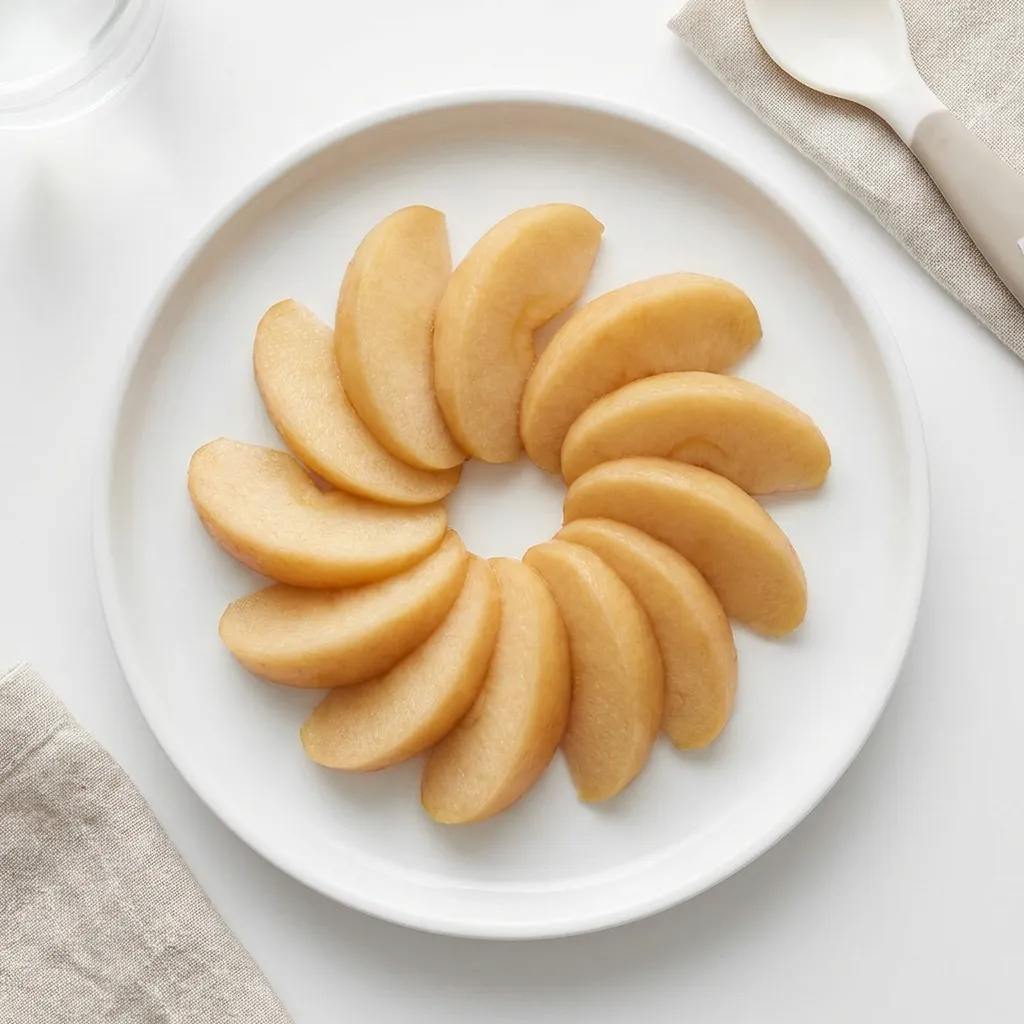
Apple
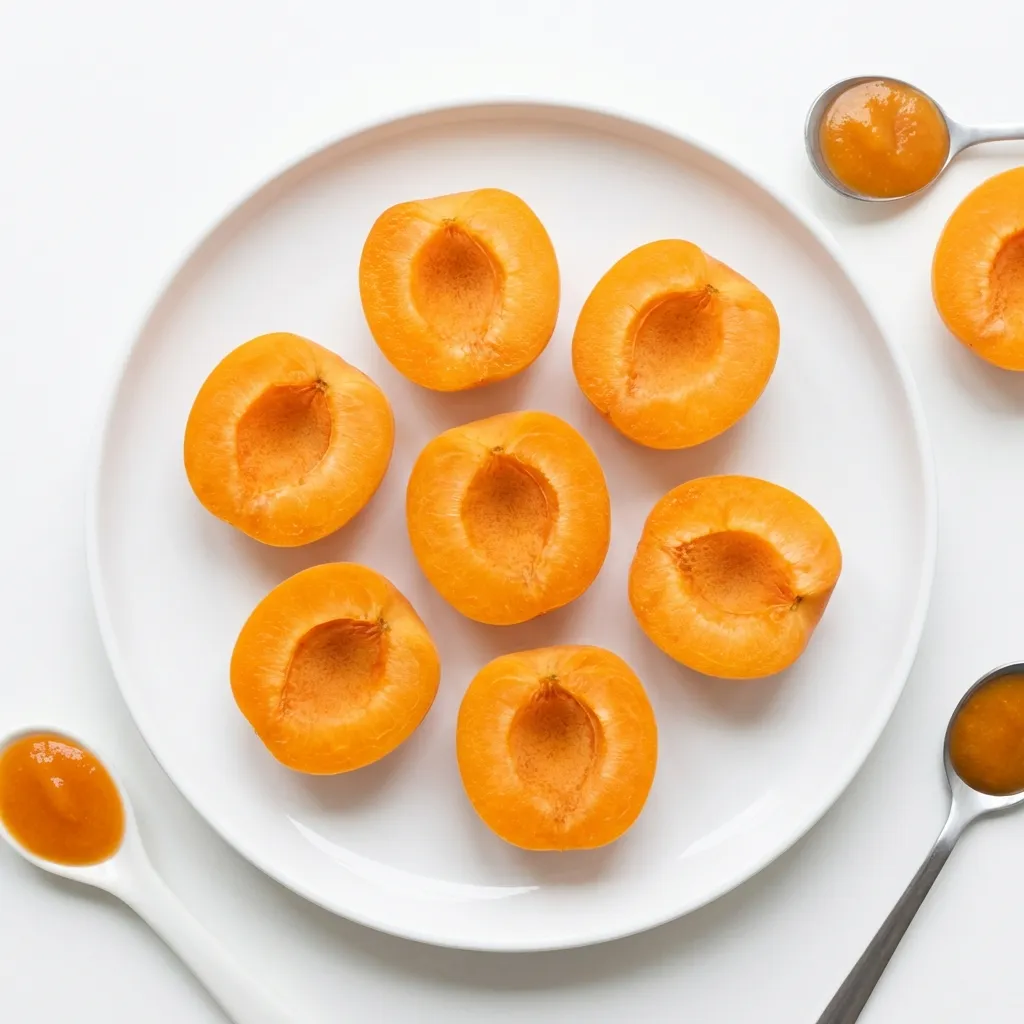
Apricot
Artichoke
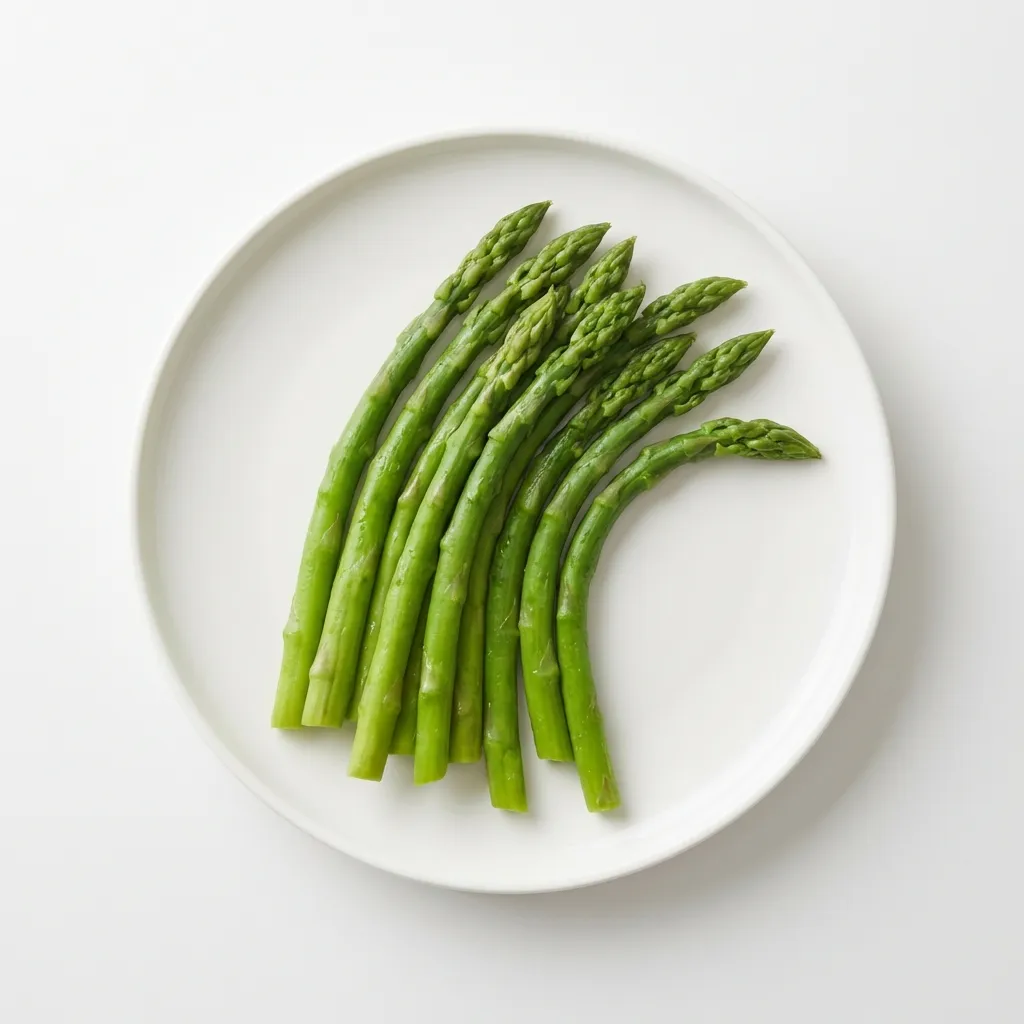
Asparagus
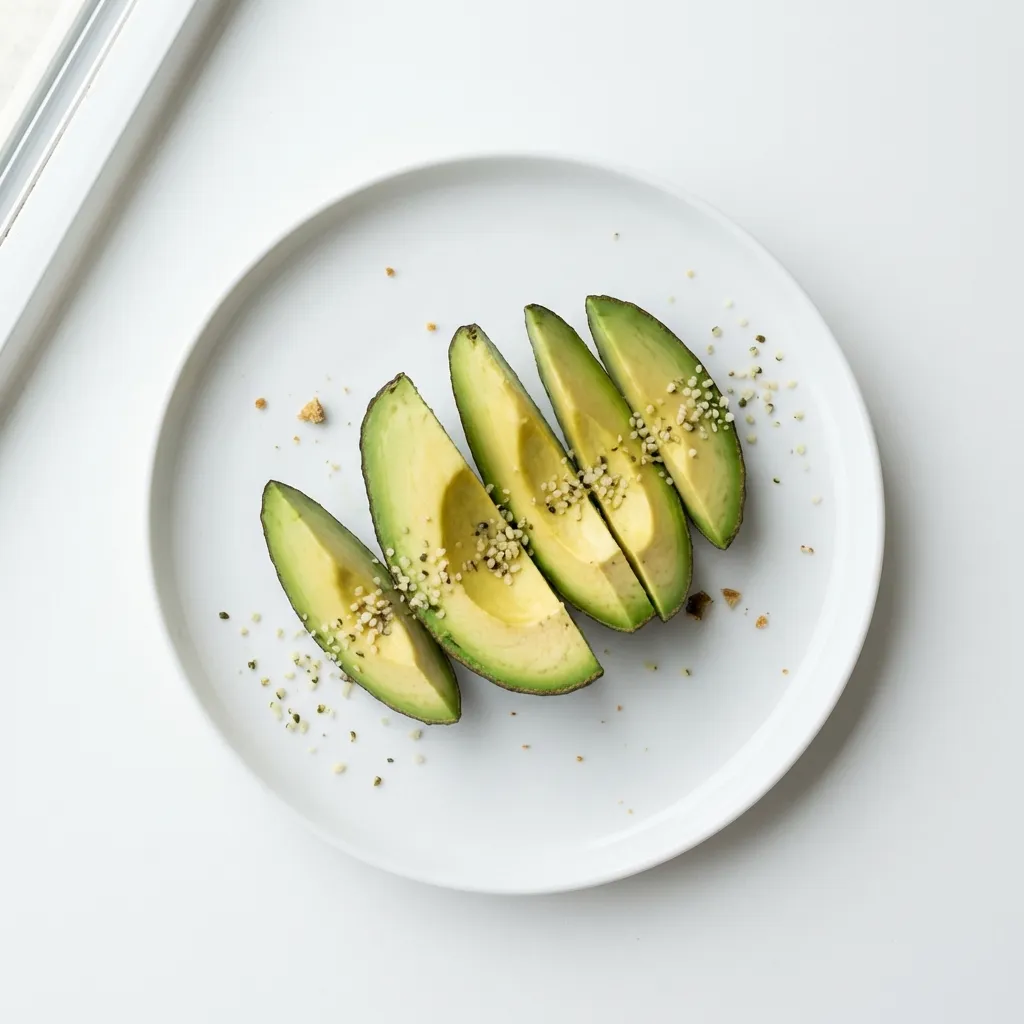
Avocado
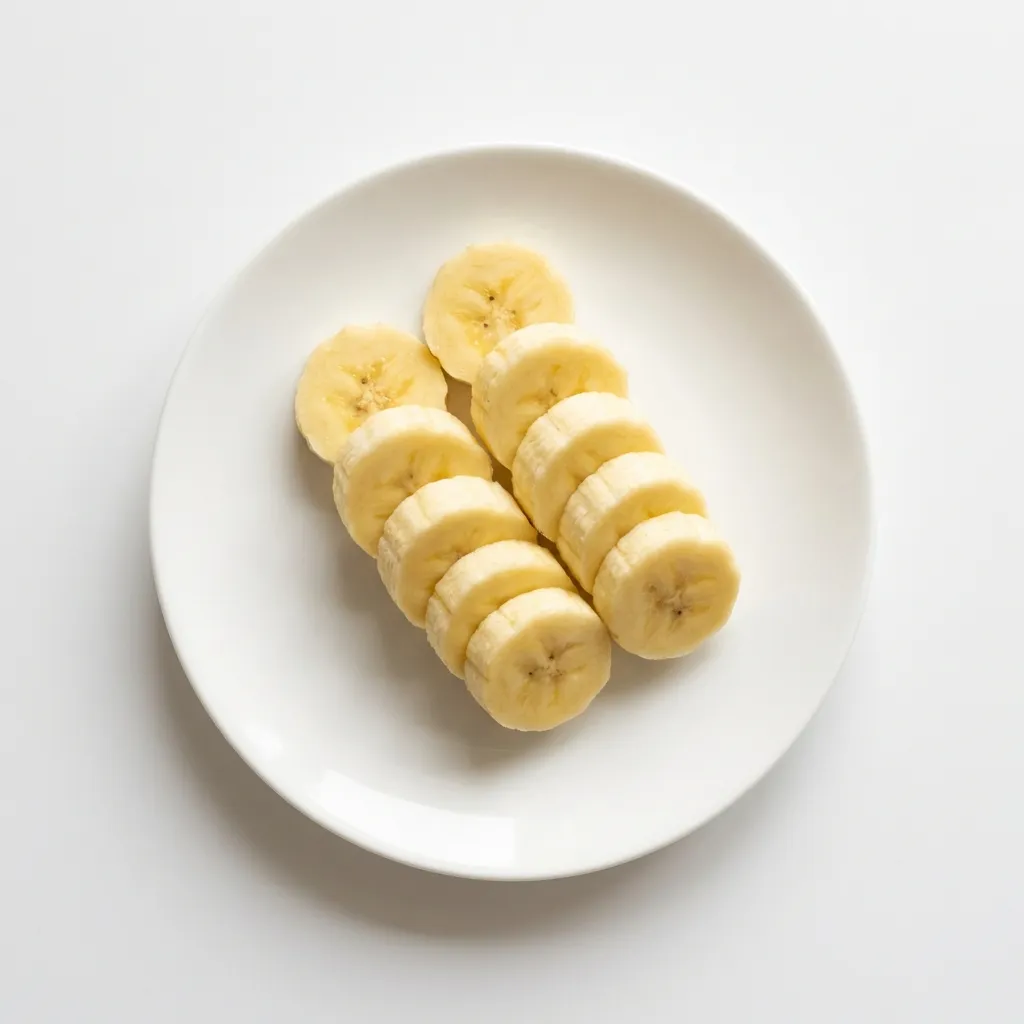
Banana
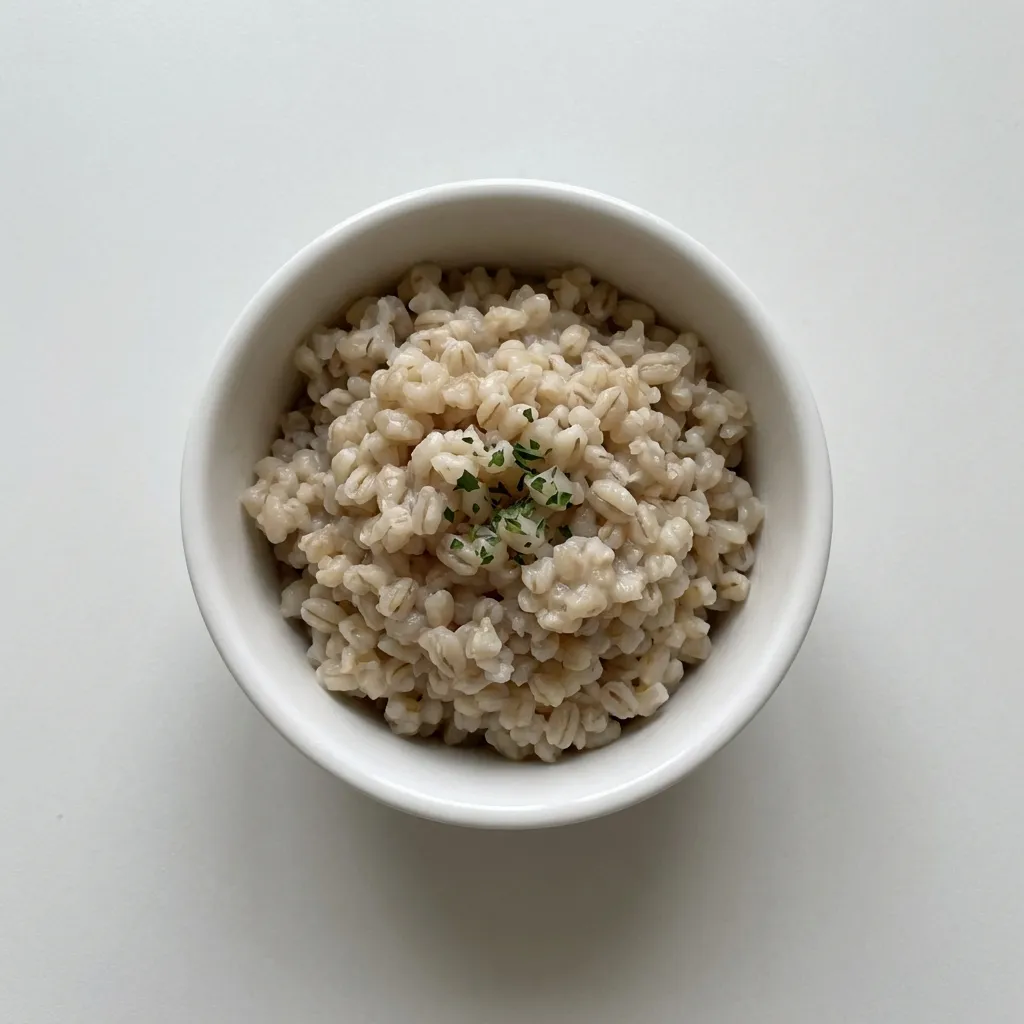
Barley
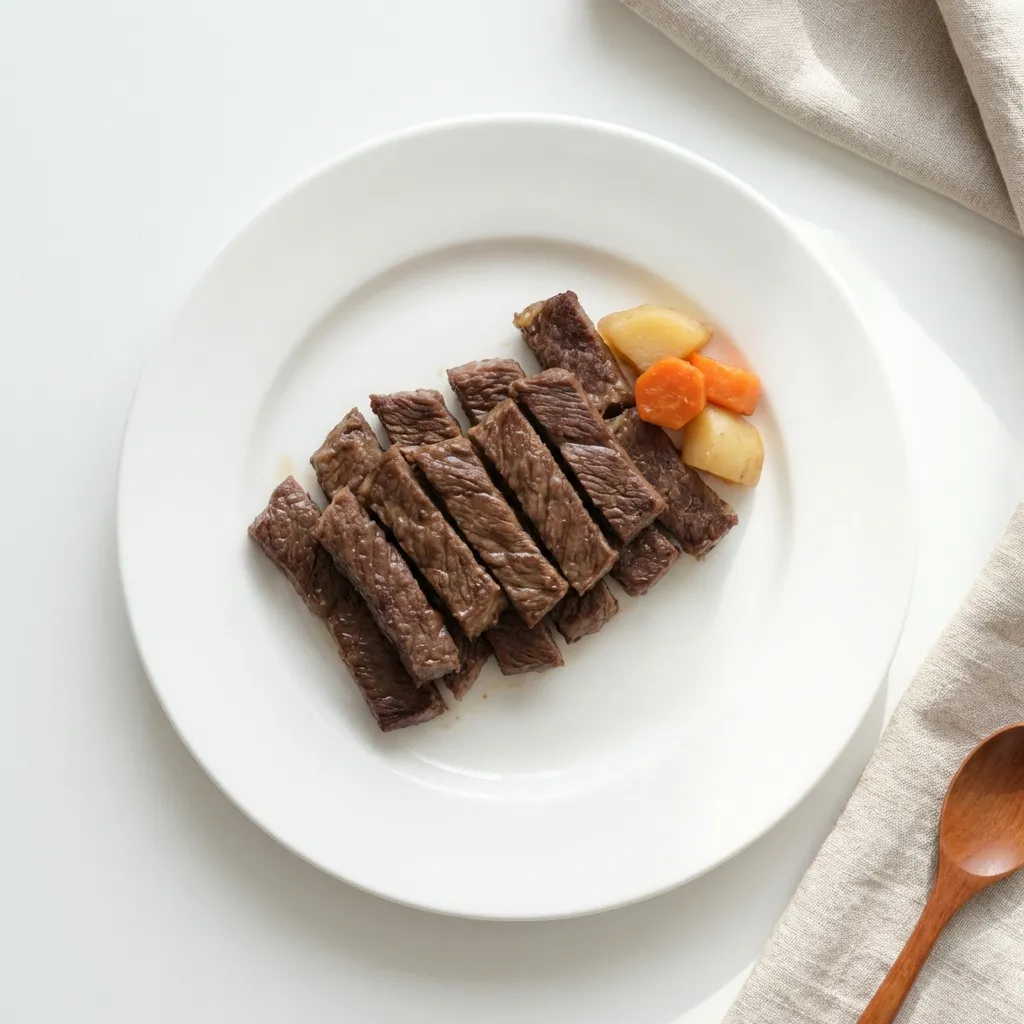
Beef
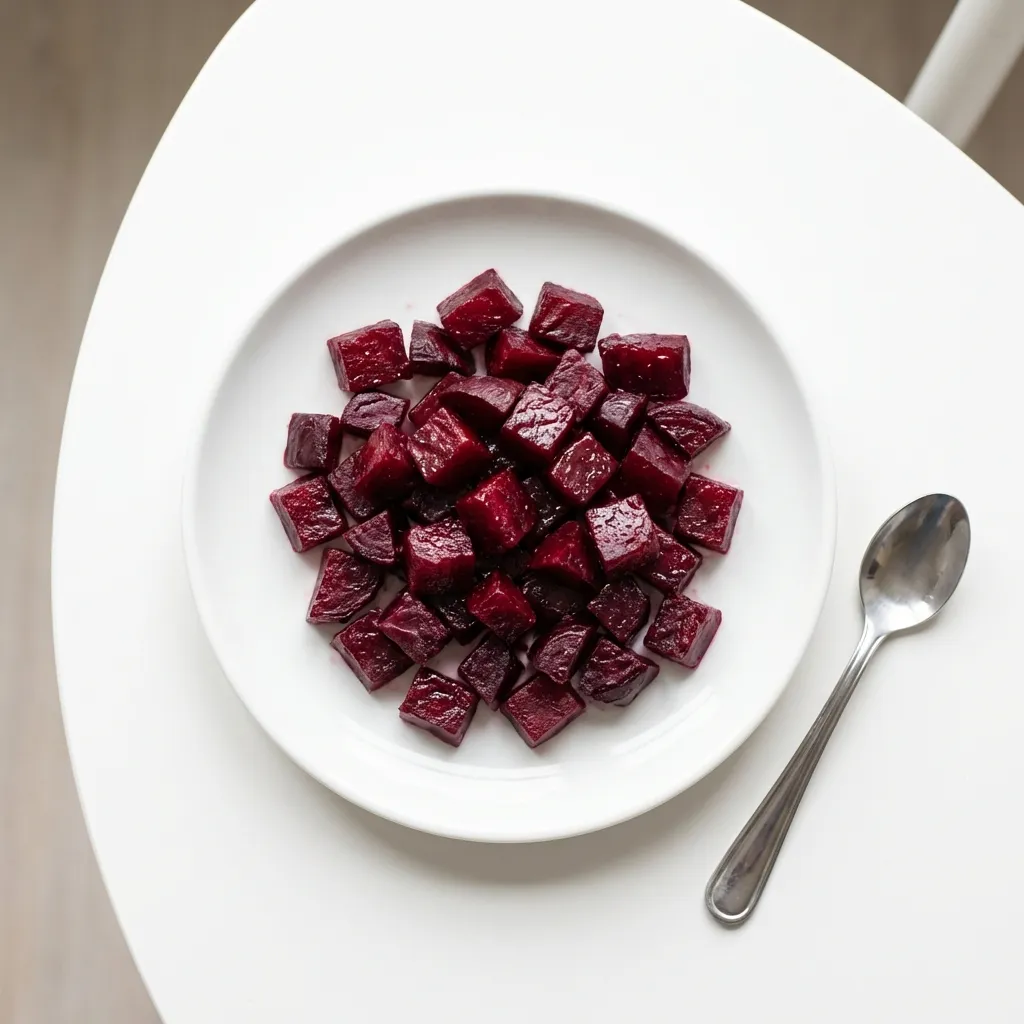
Beets
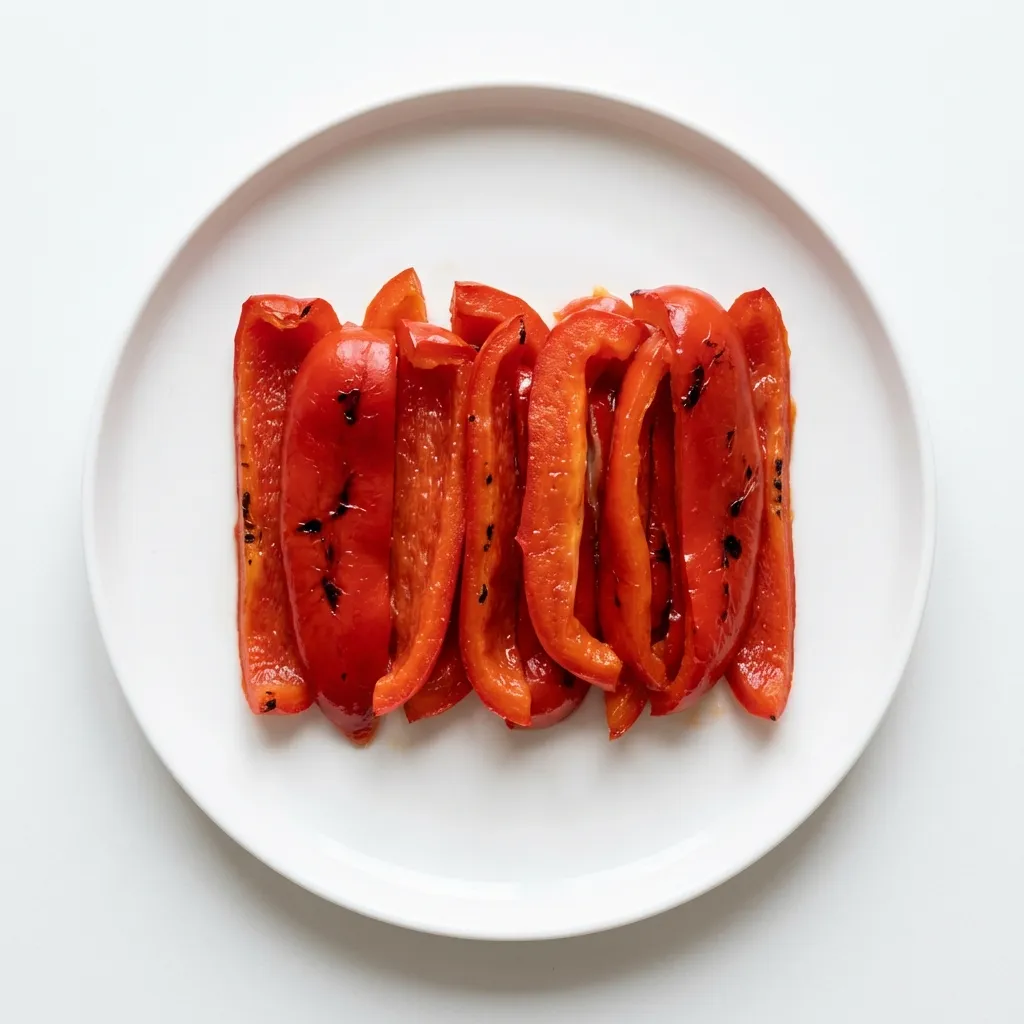
Bell Pepper
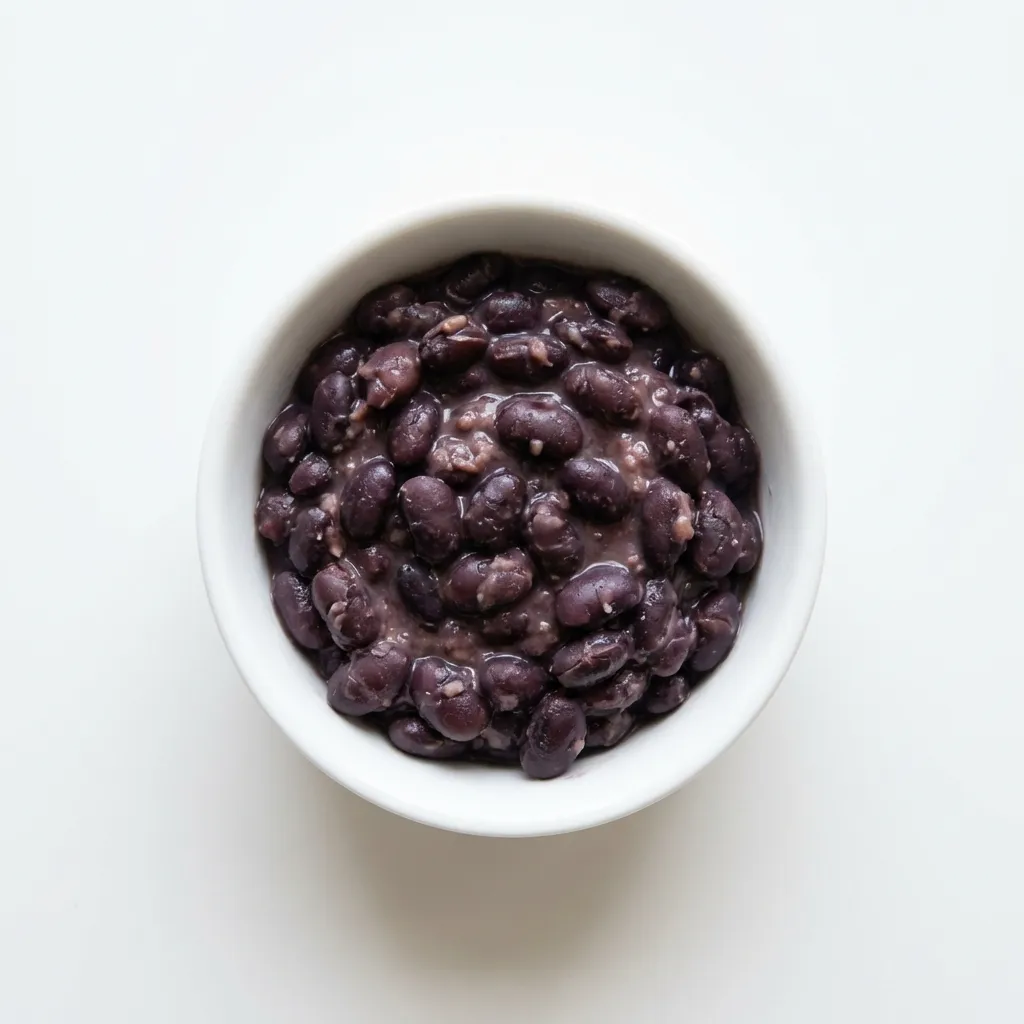
Black Beans
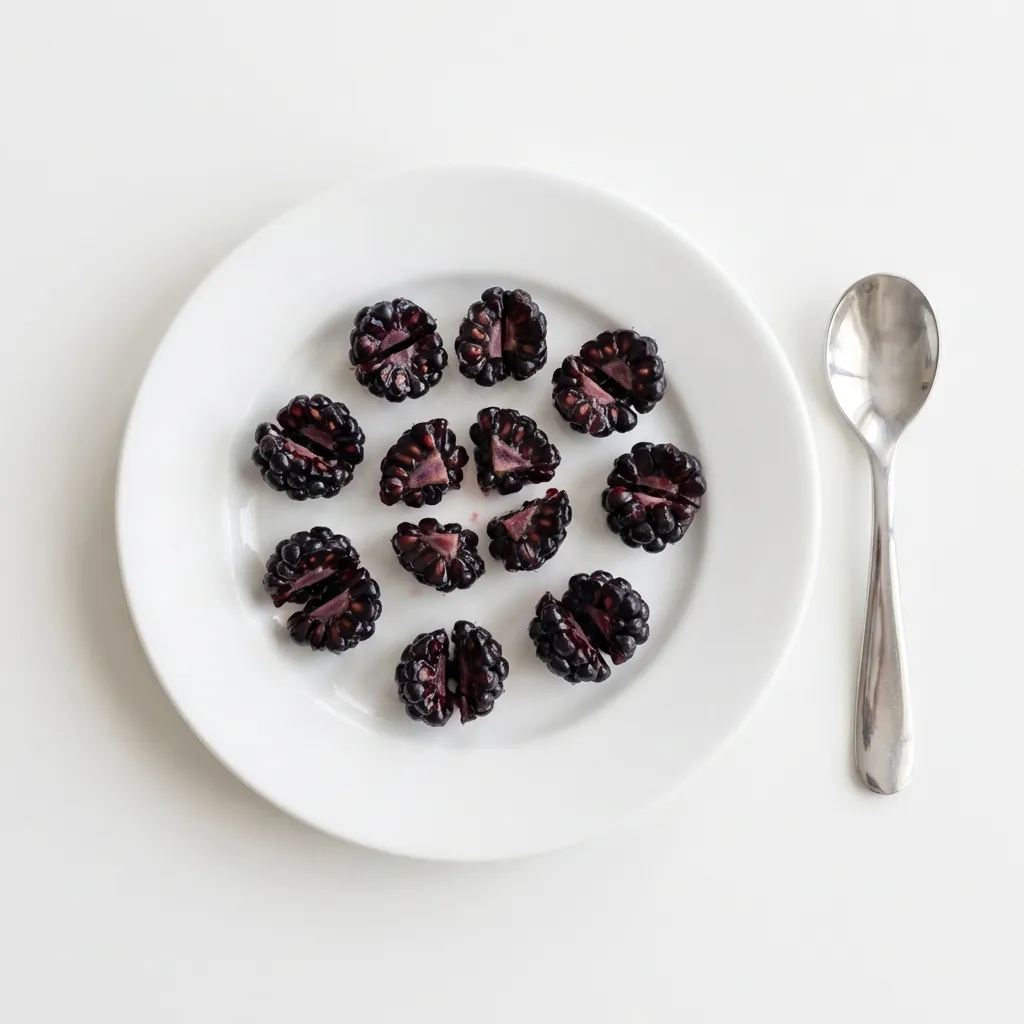
Blackberry
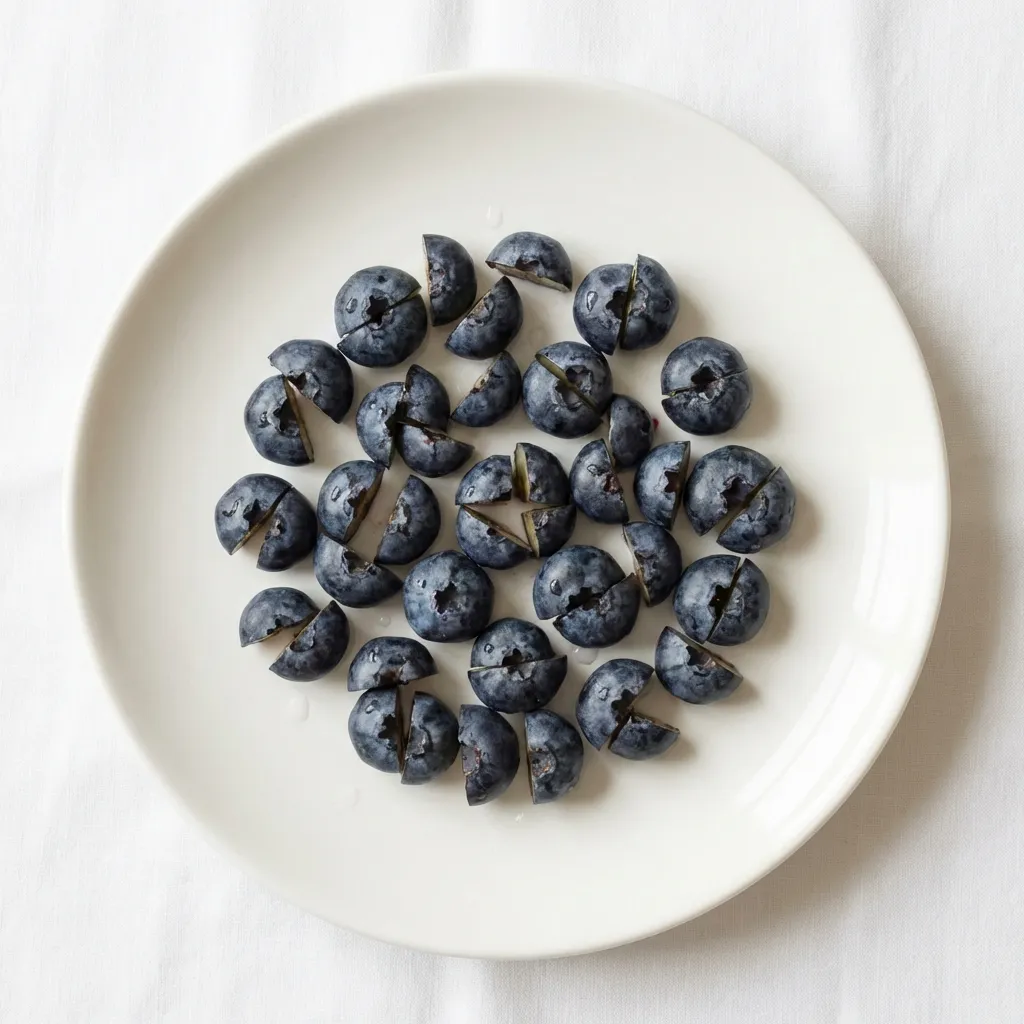
Blueberry
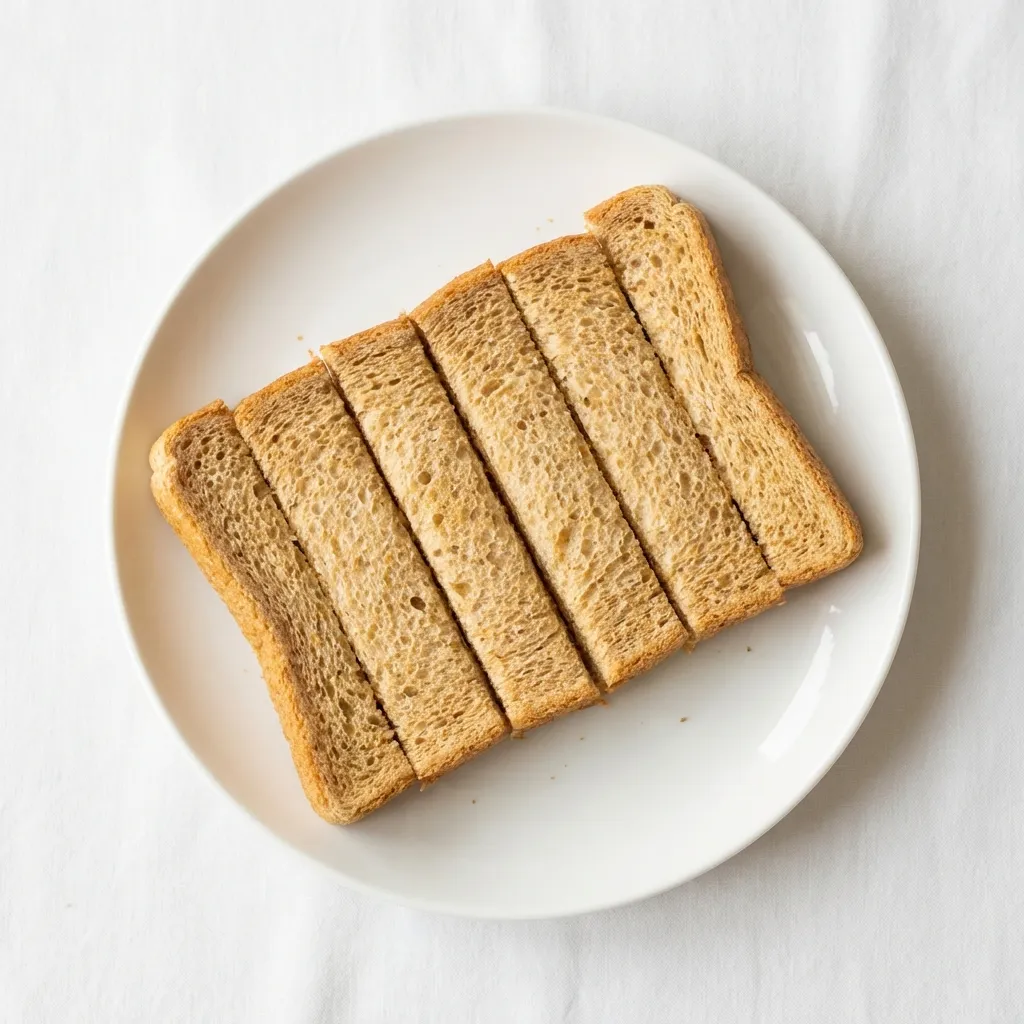
Bread
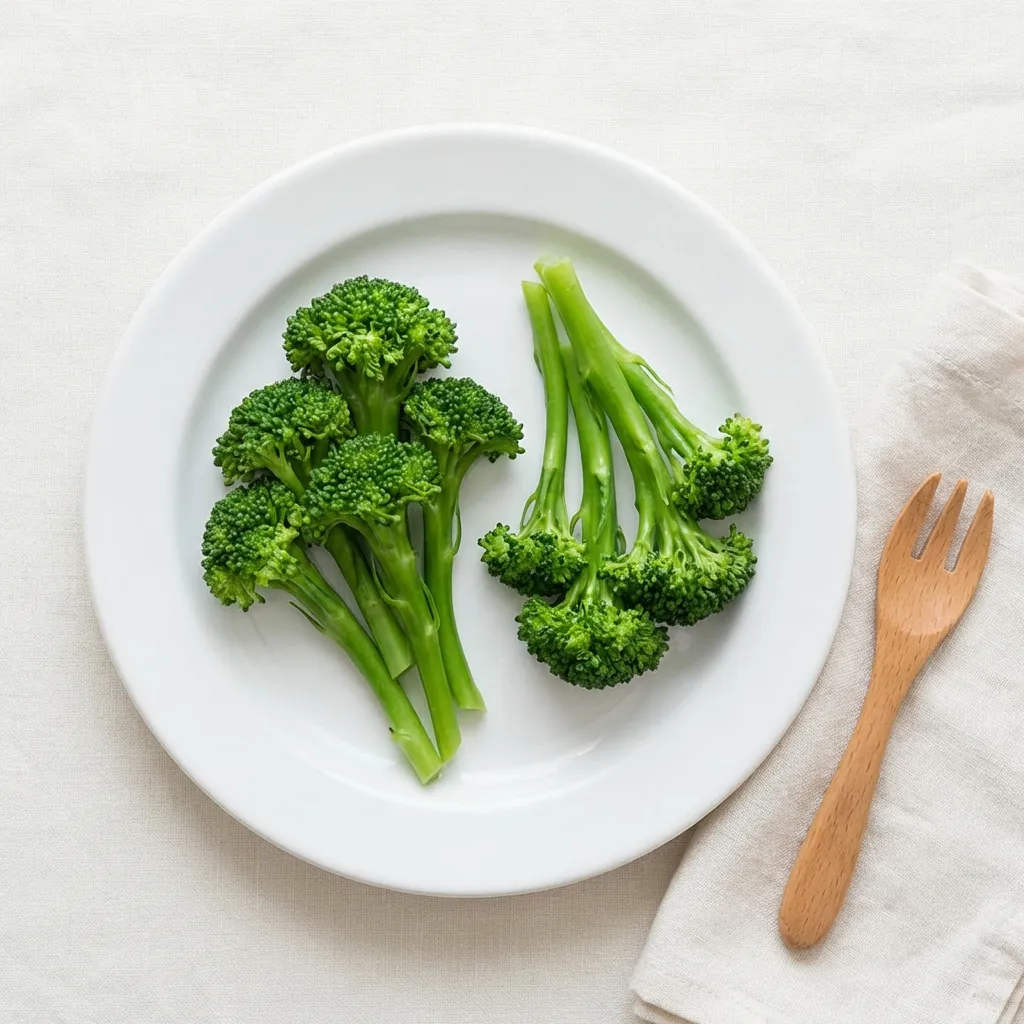
Broccoli
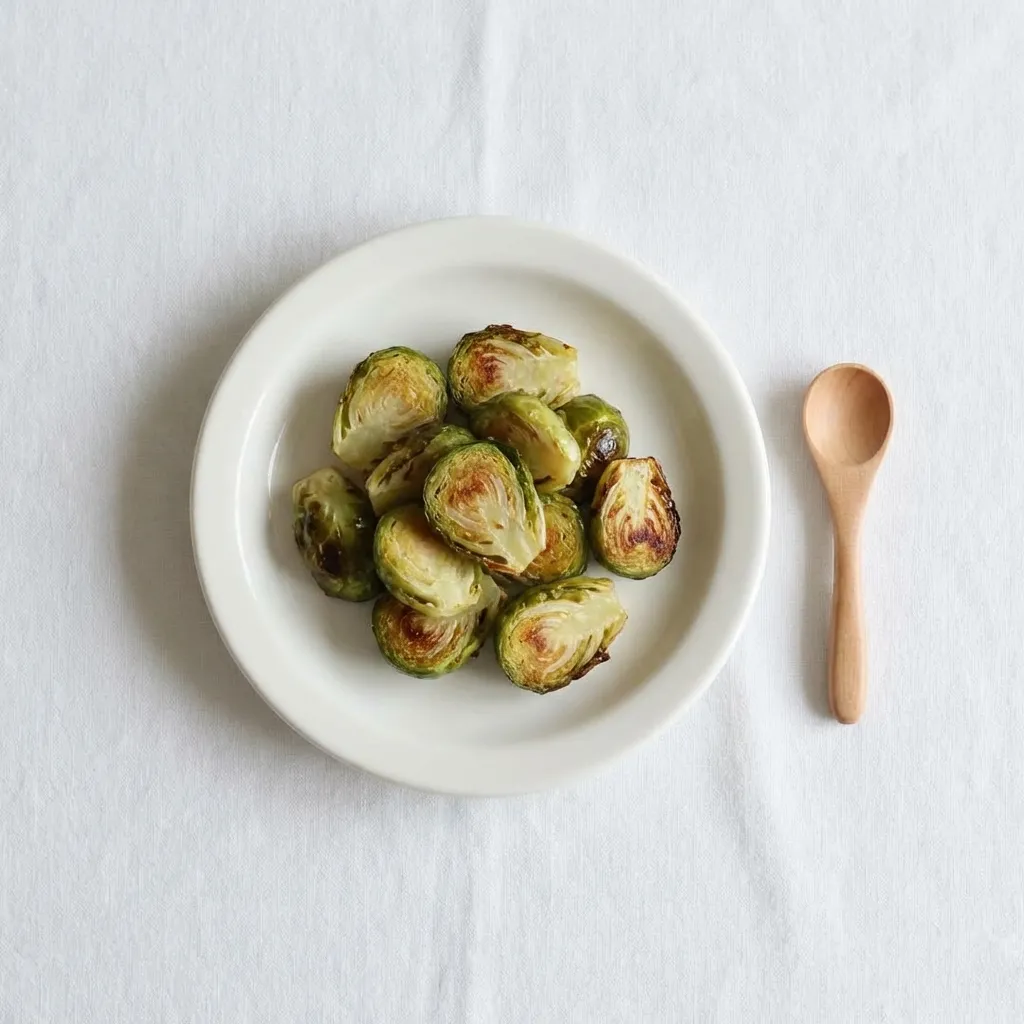
Brussels Sprouts
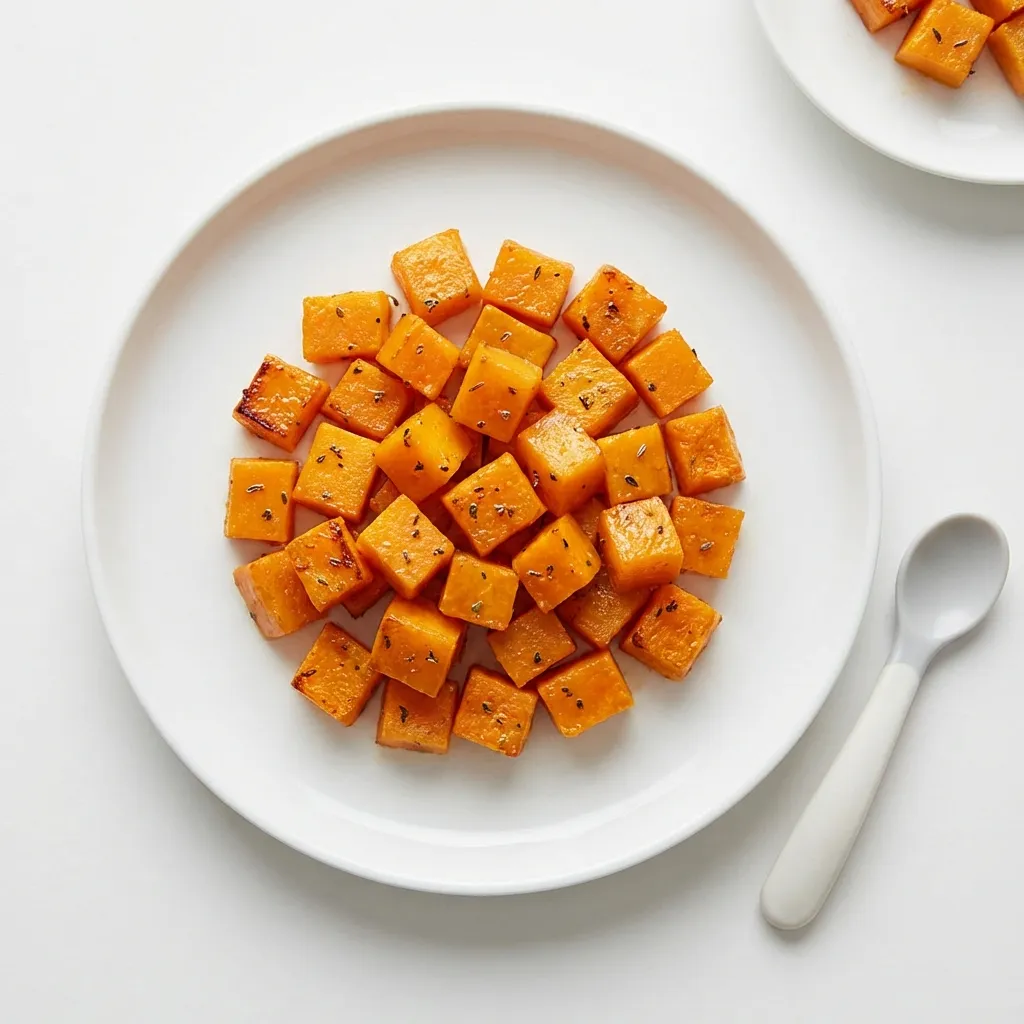
Butternut Squash
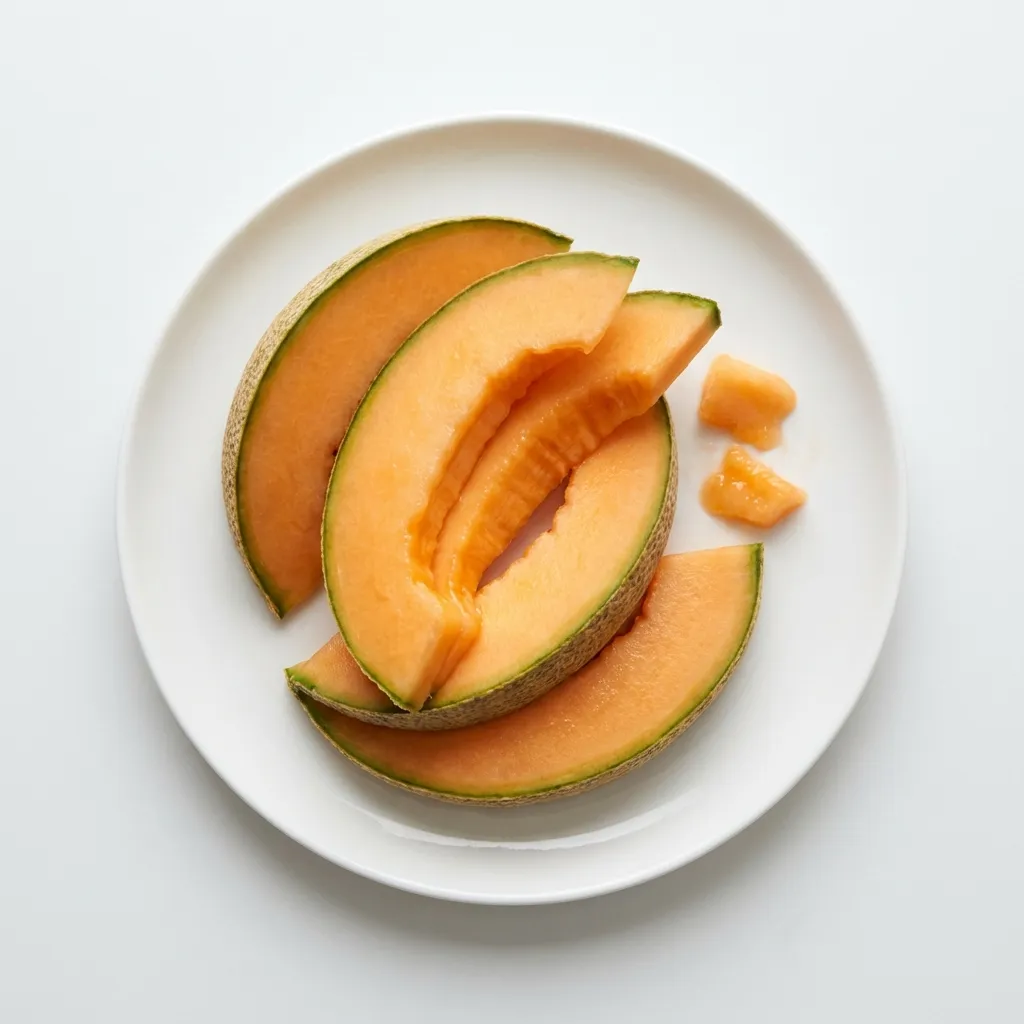
Cantaloupe
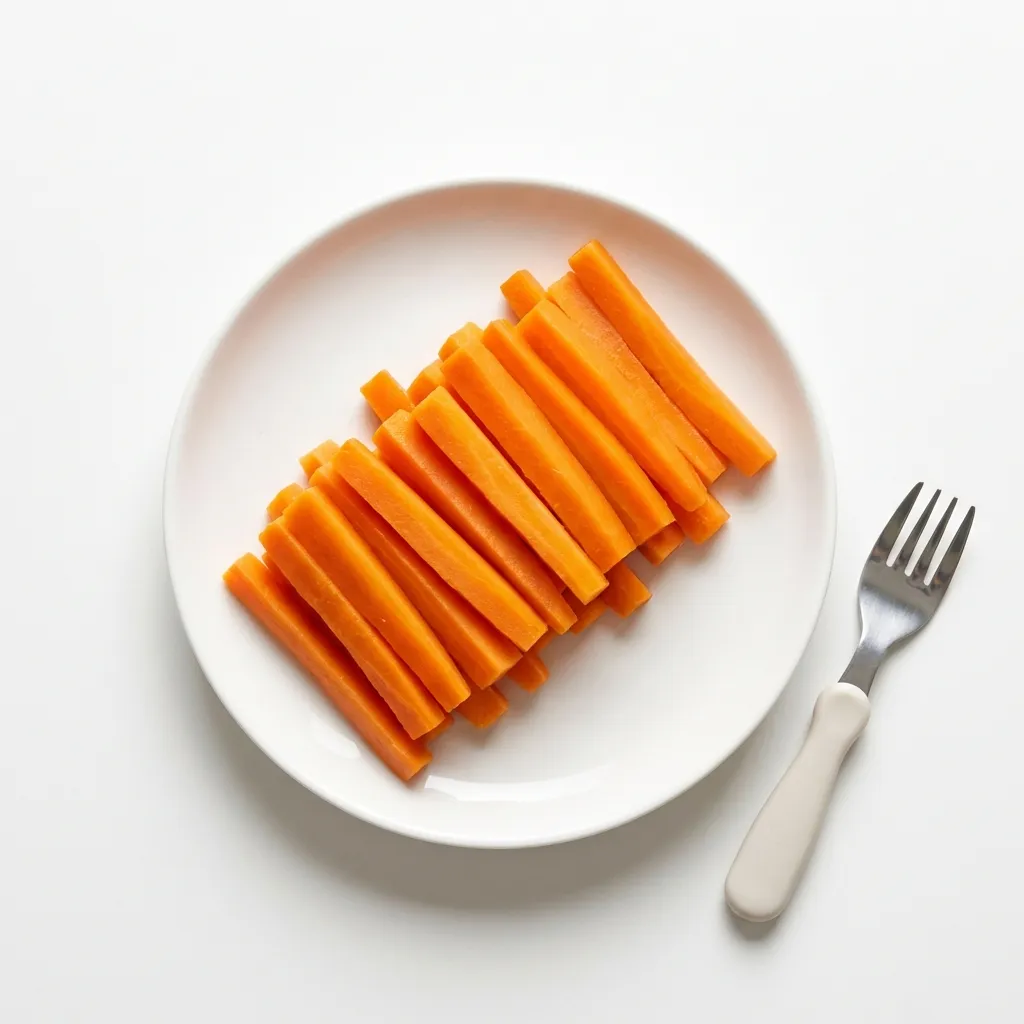
Carrot
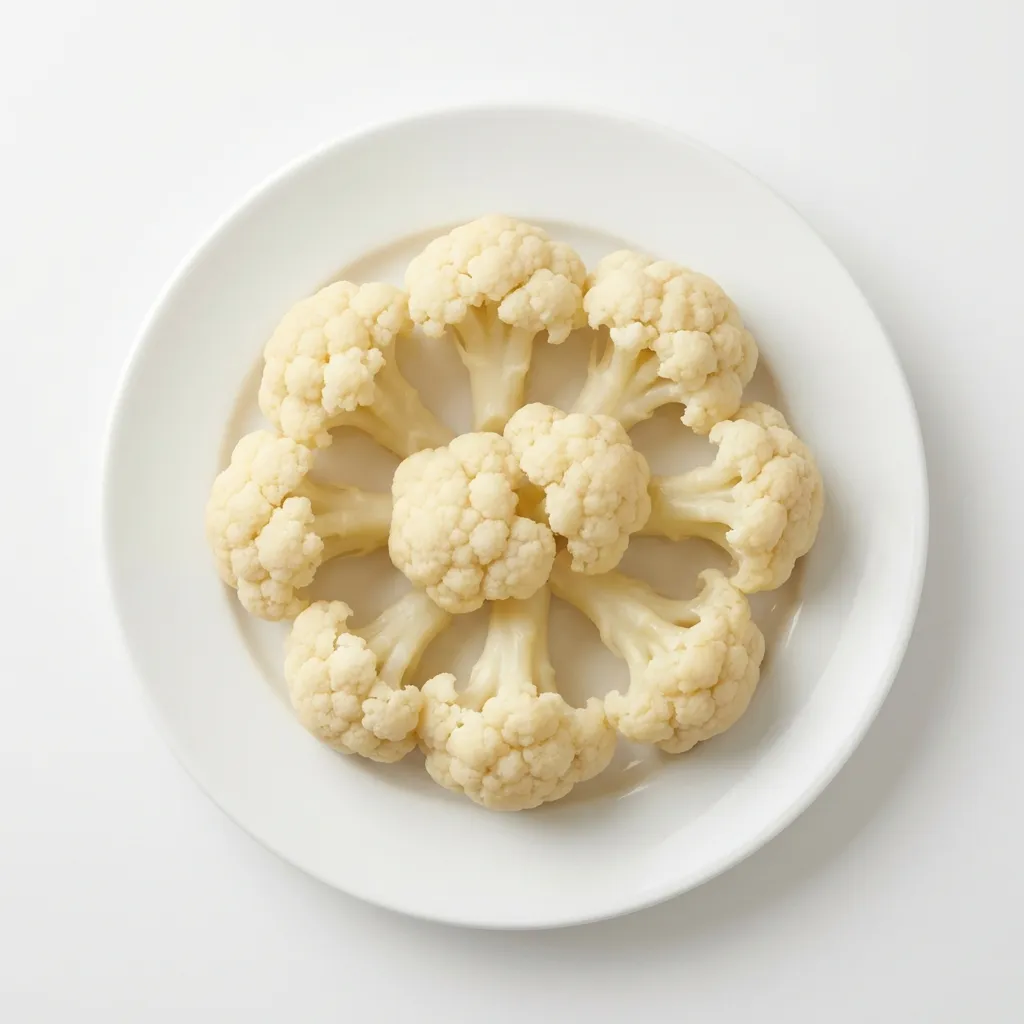
Cauliflower
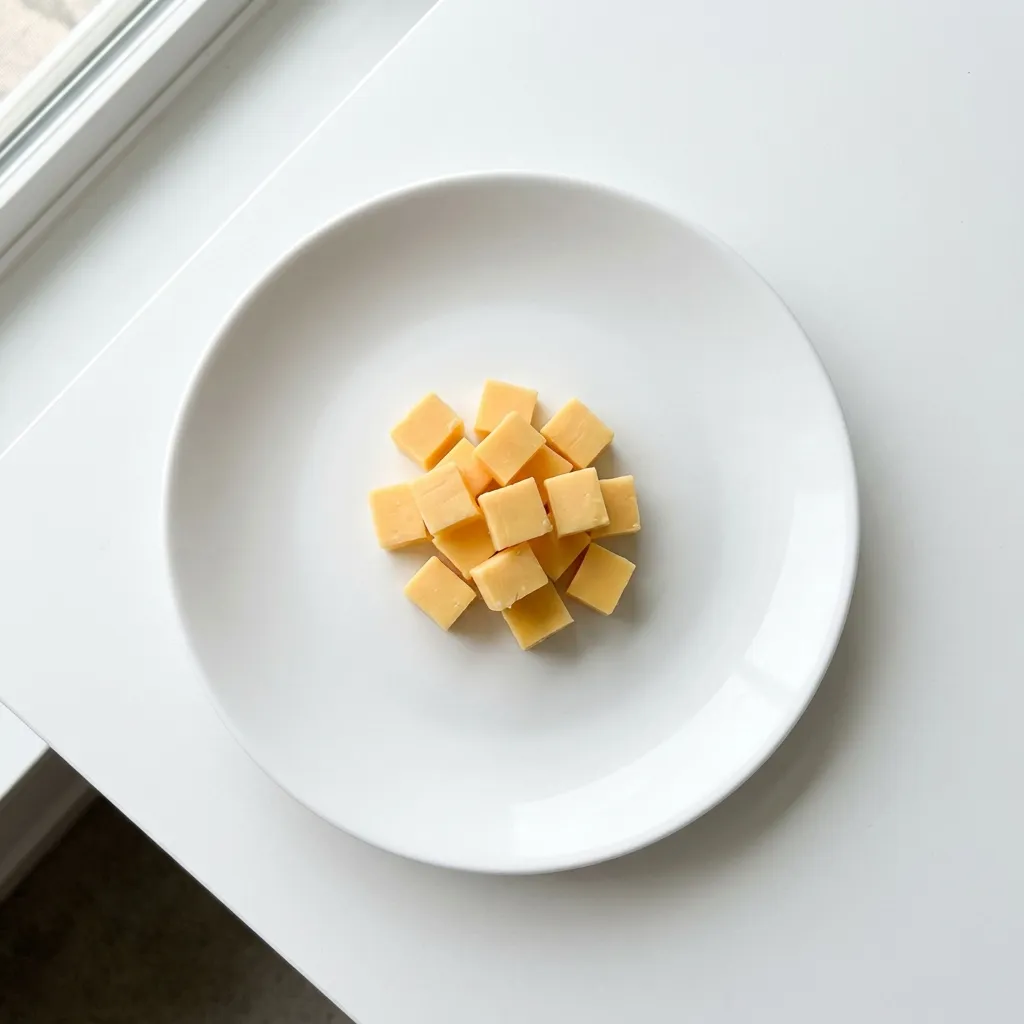
Cheese
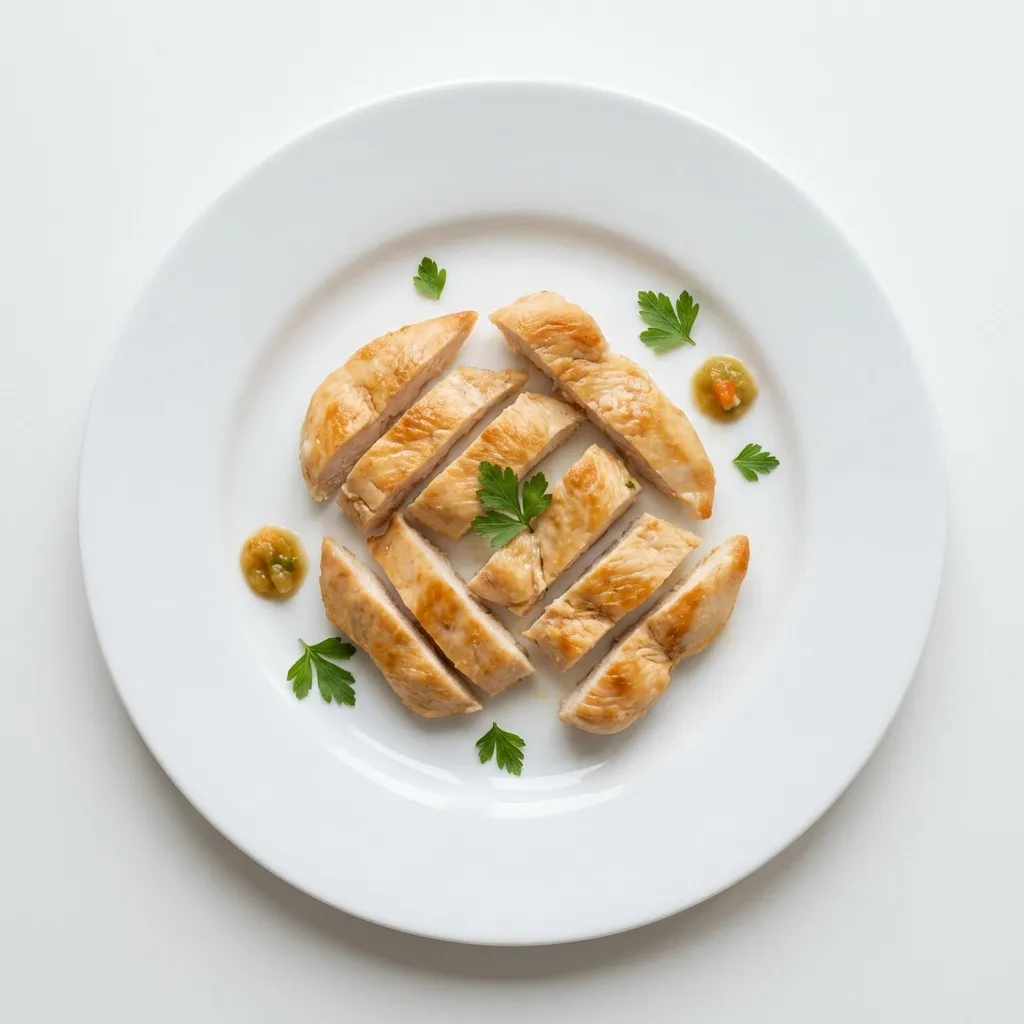
Chicken
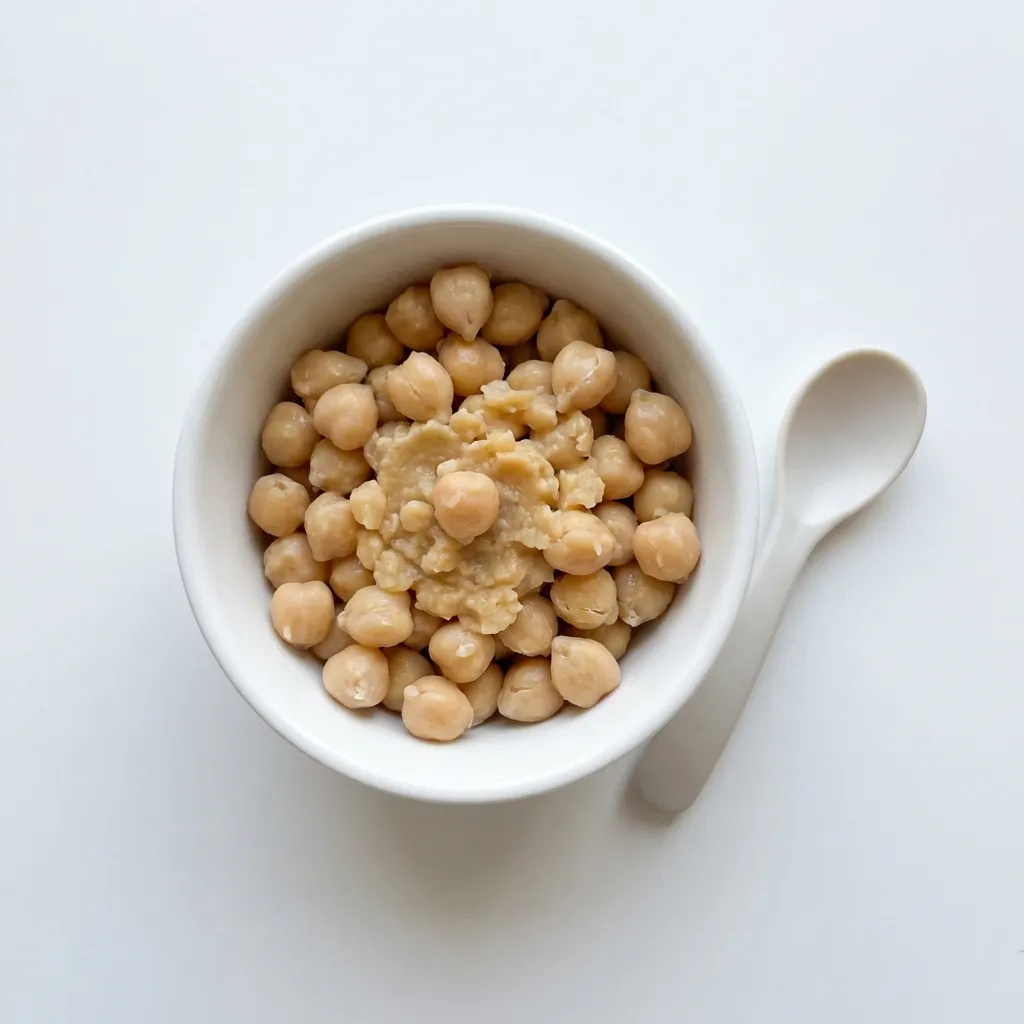
Chickpeas
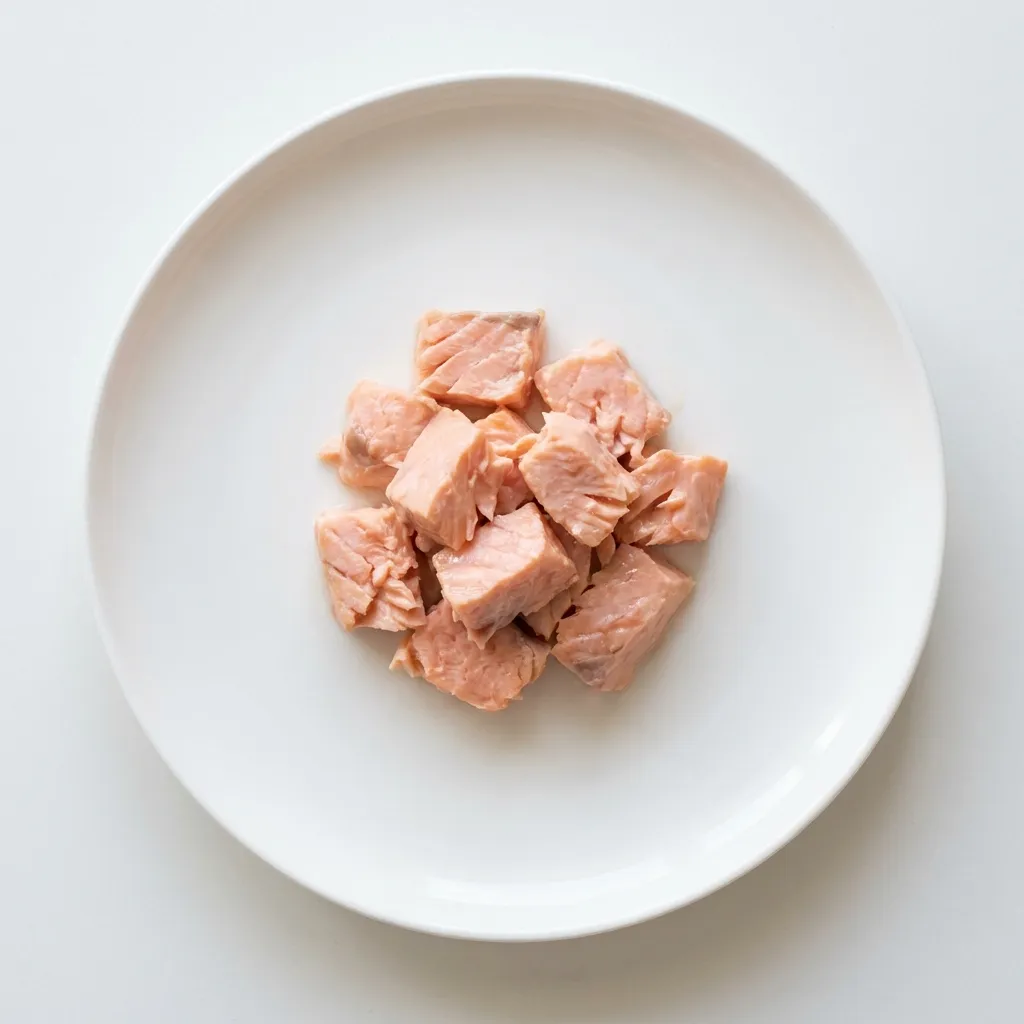
Cod (White Fish)
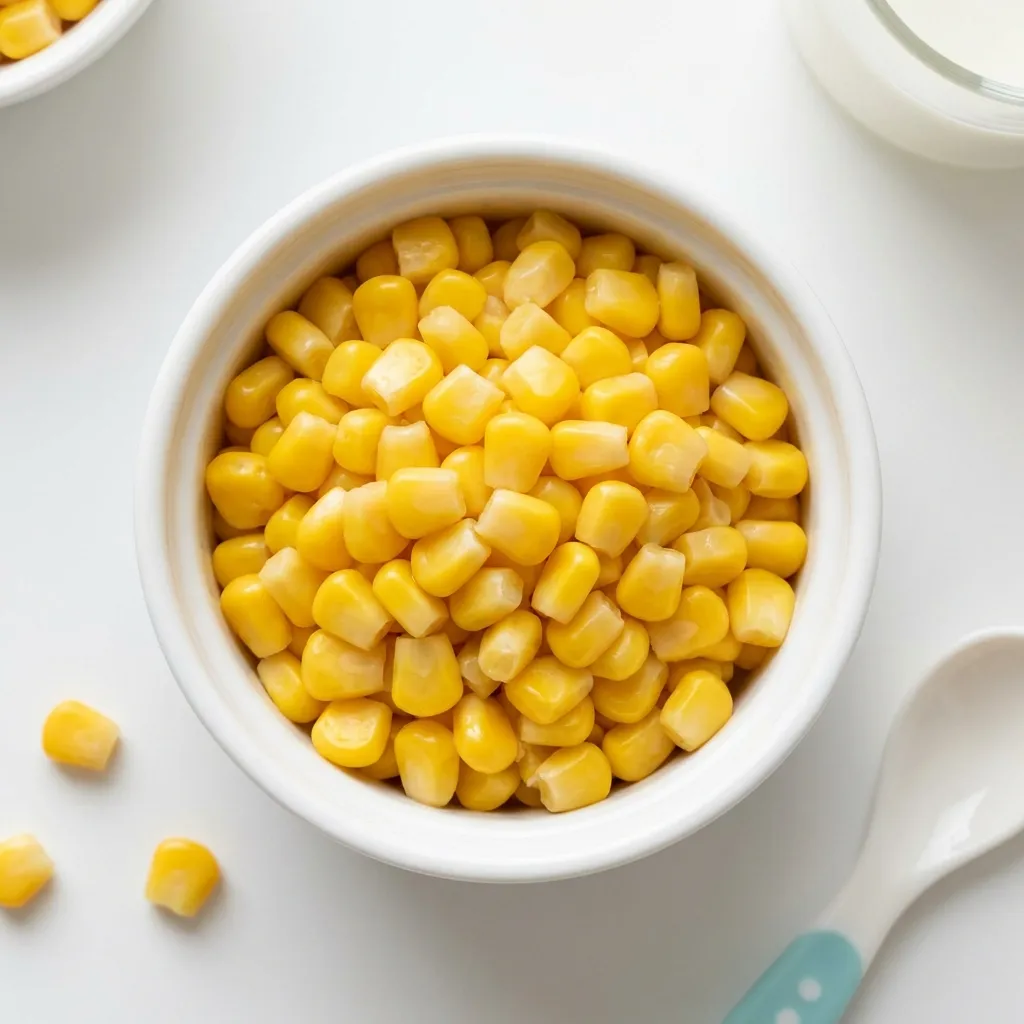
Corn
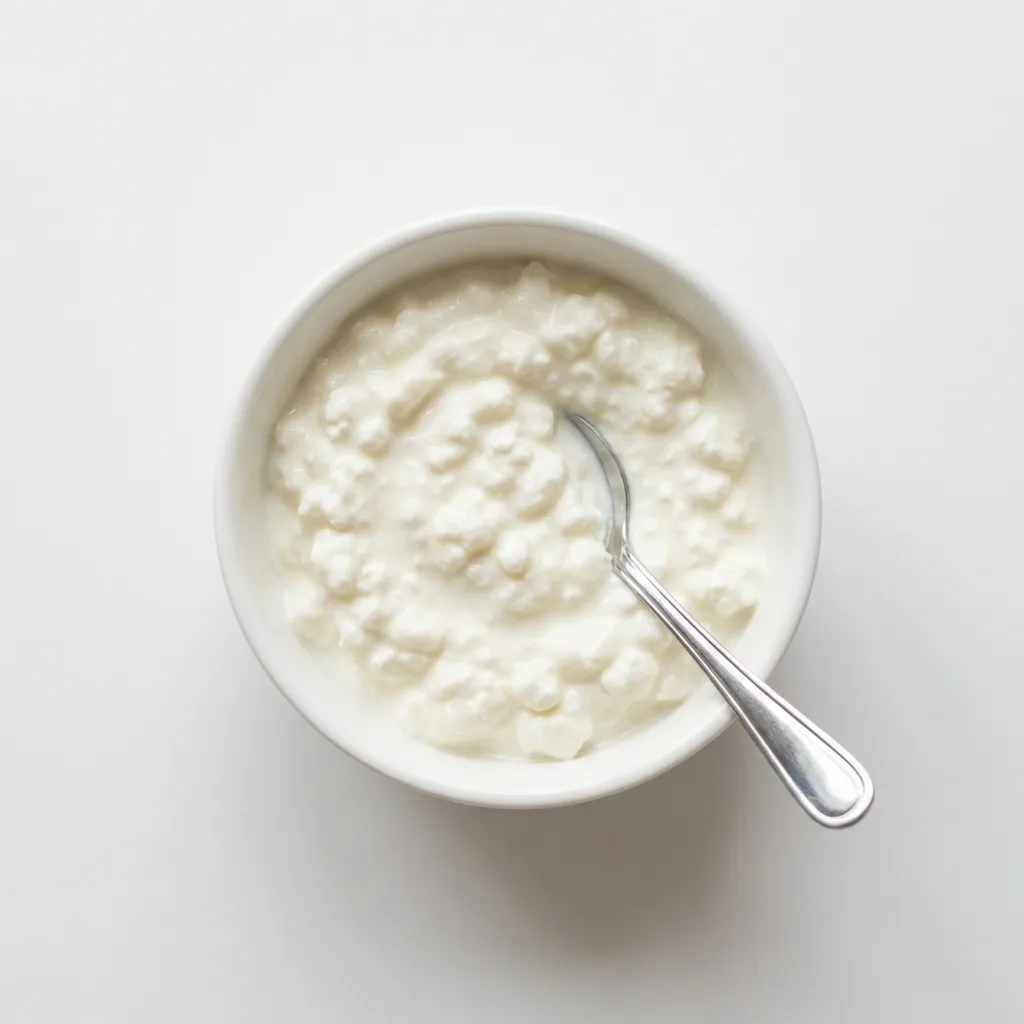
Cottage Cheese
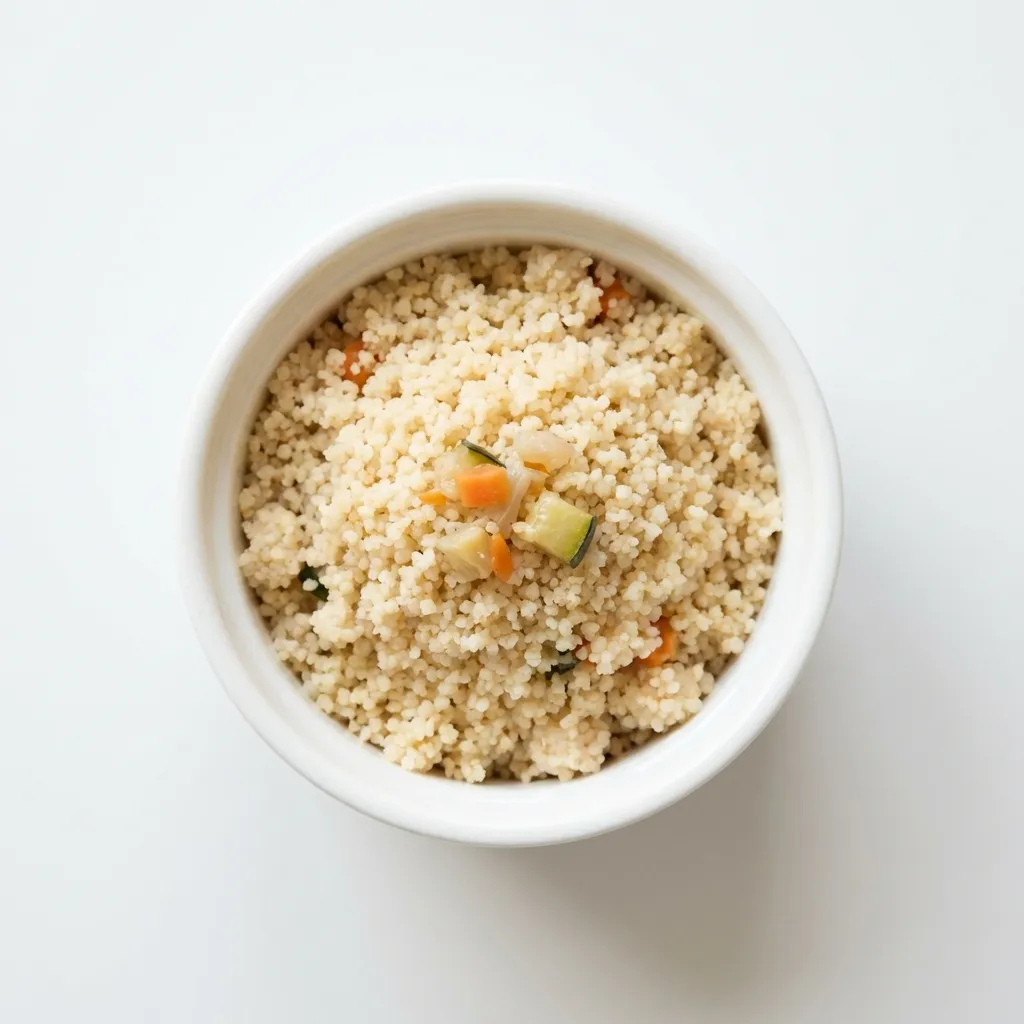
Couscous
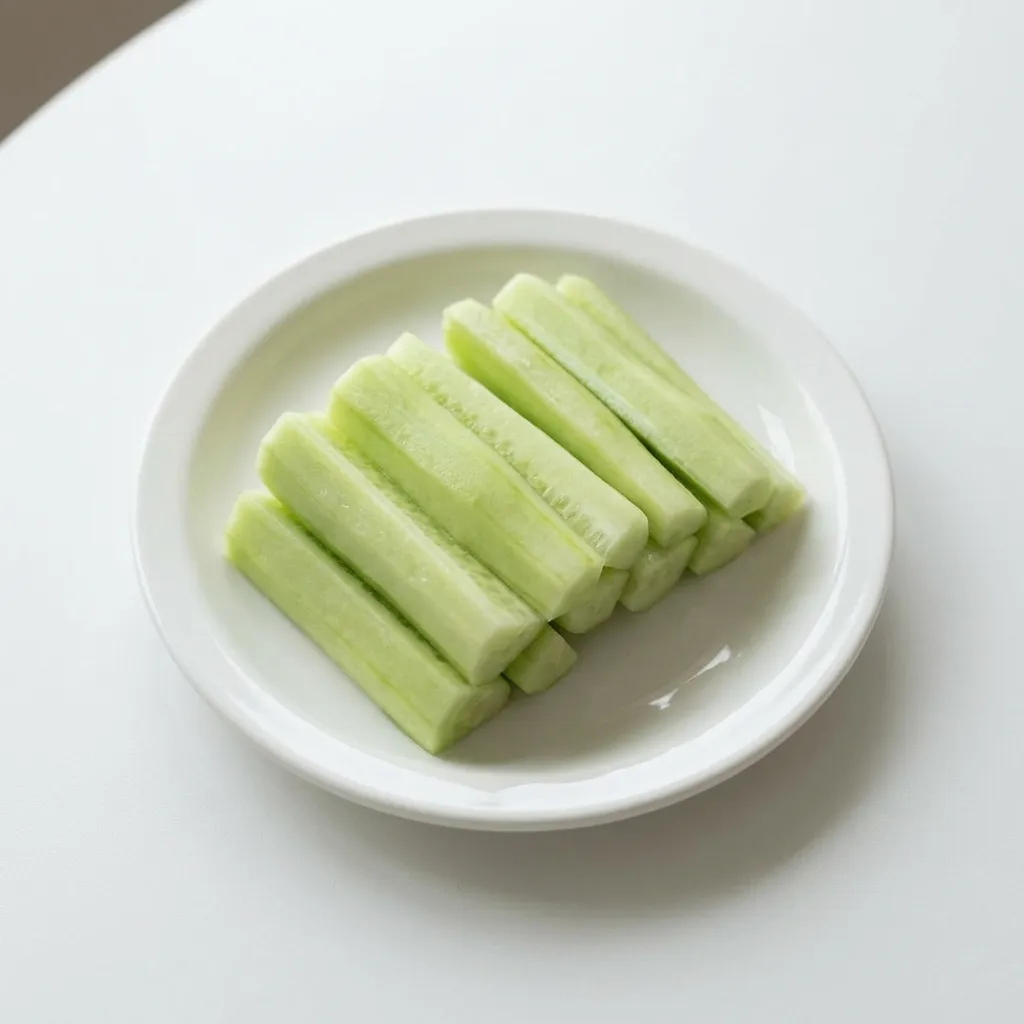
Cucumber
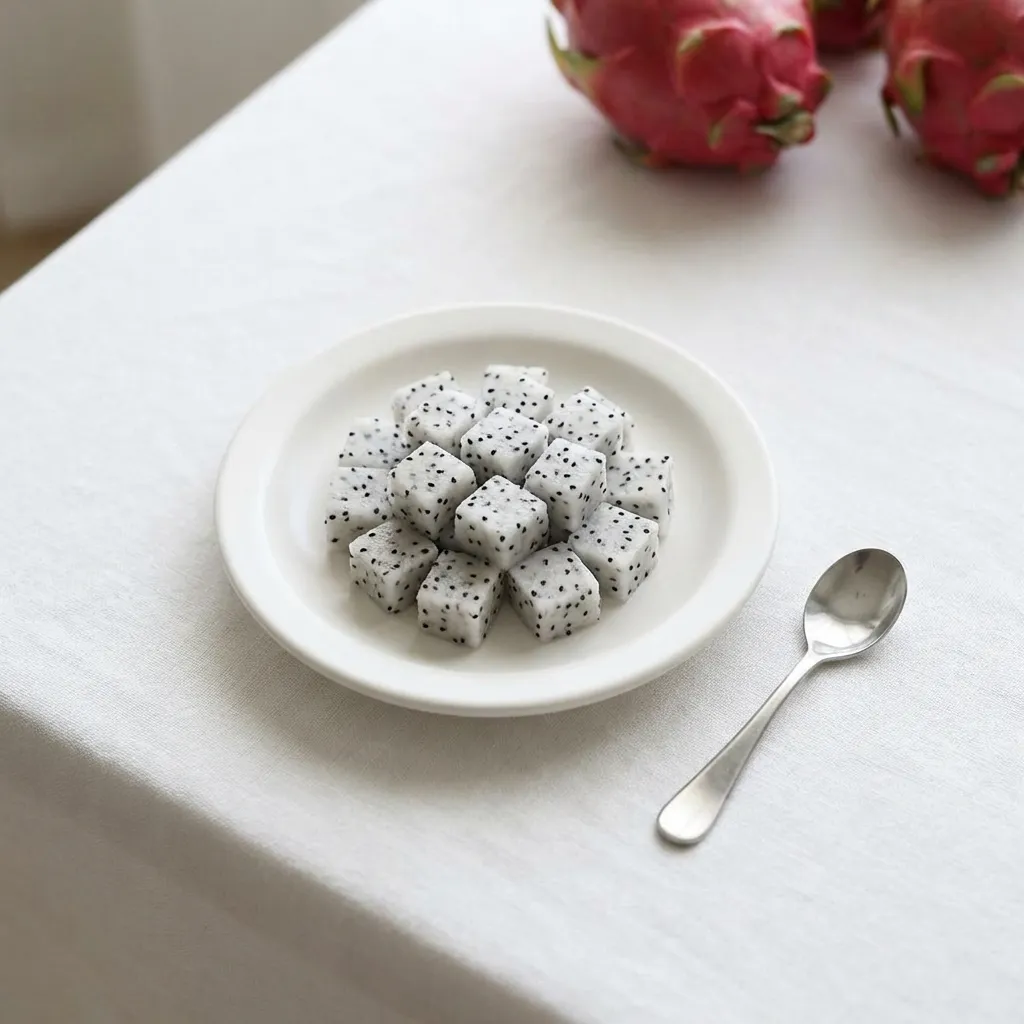
Dragon Fruit
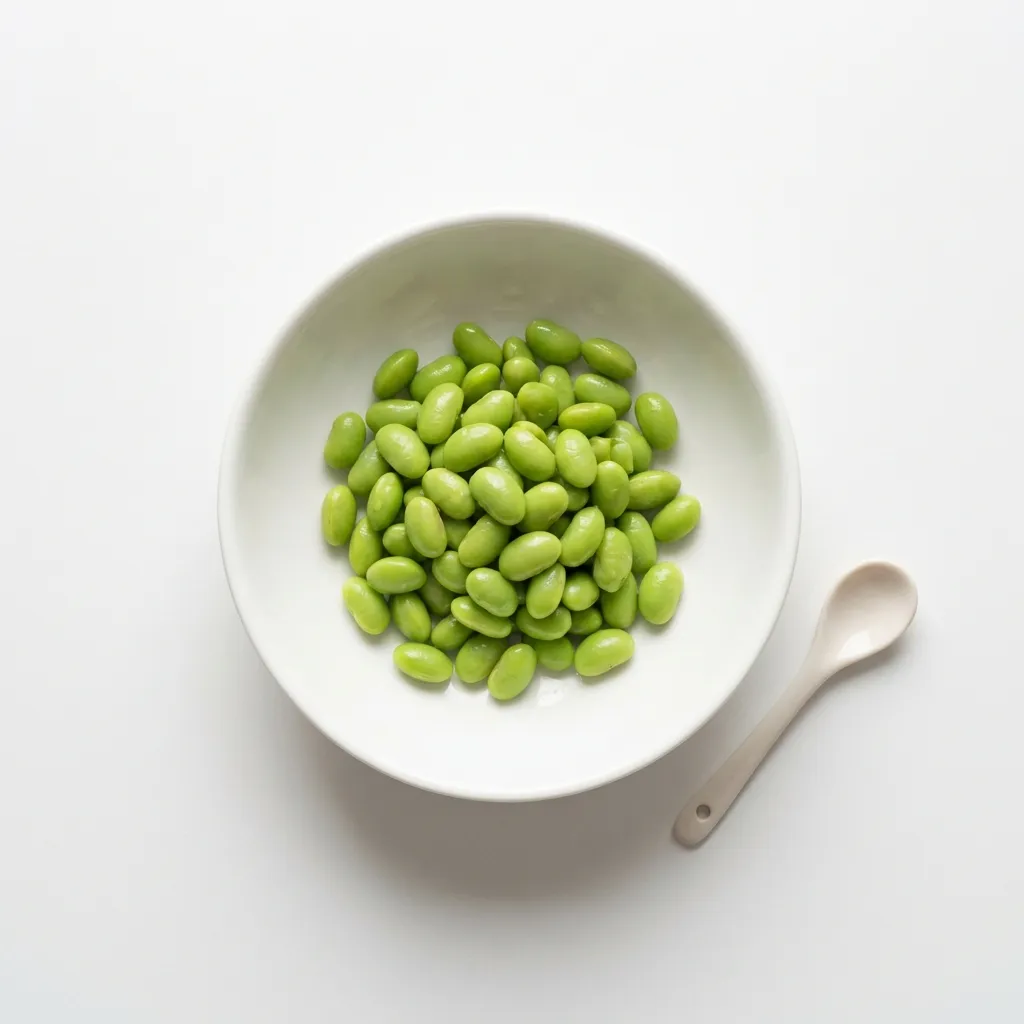
Edamame
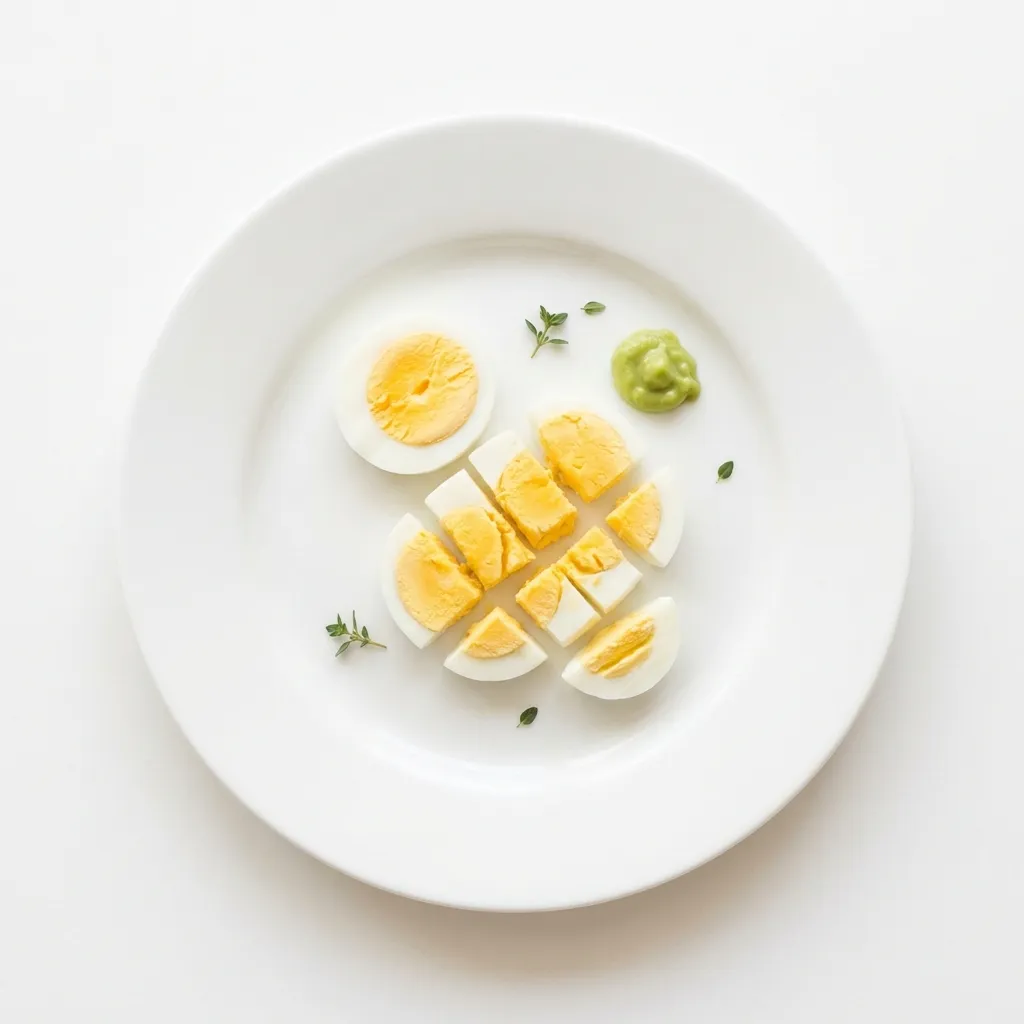
Egg
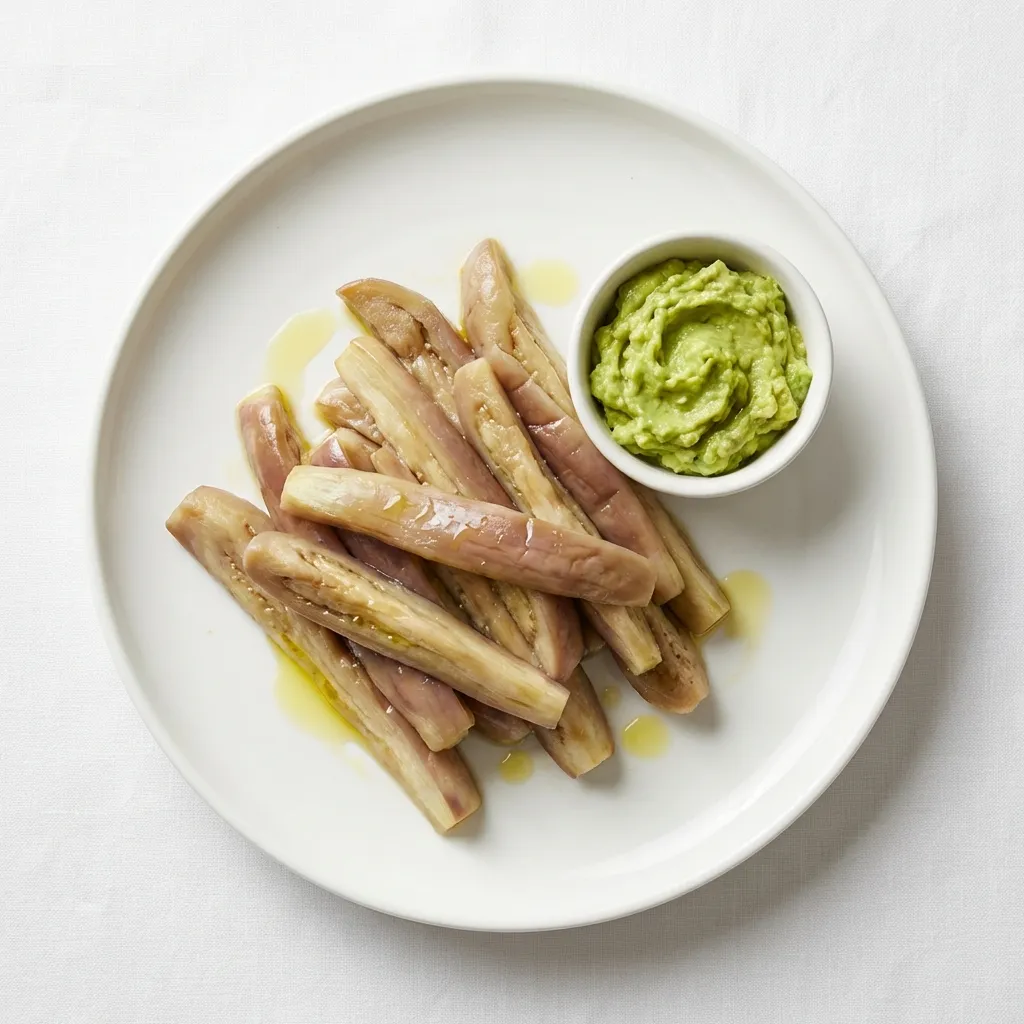
Eggplant
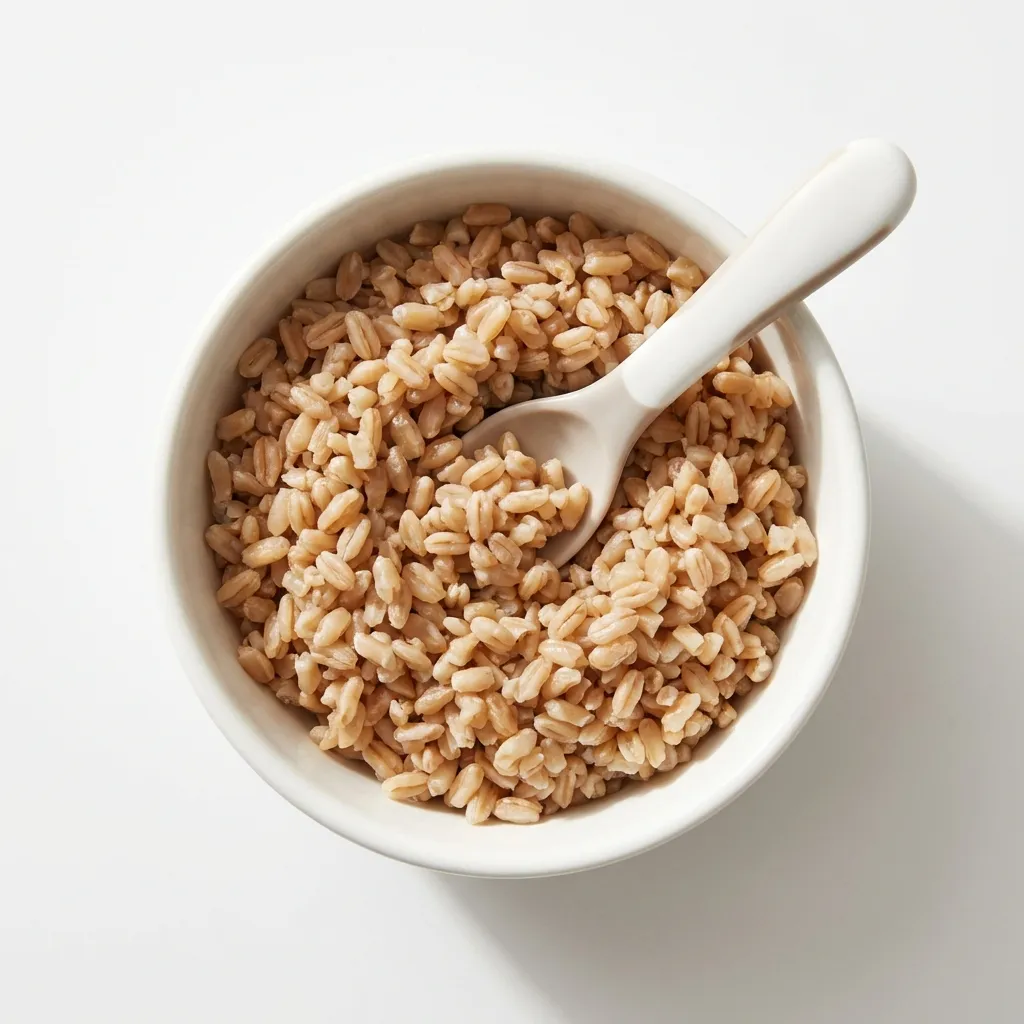
Farro
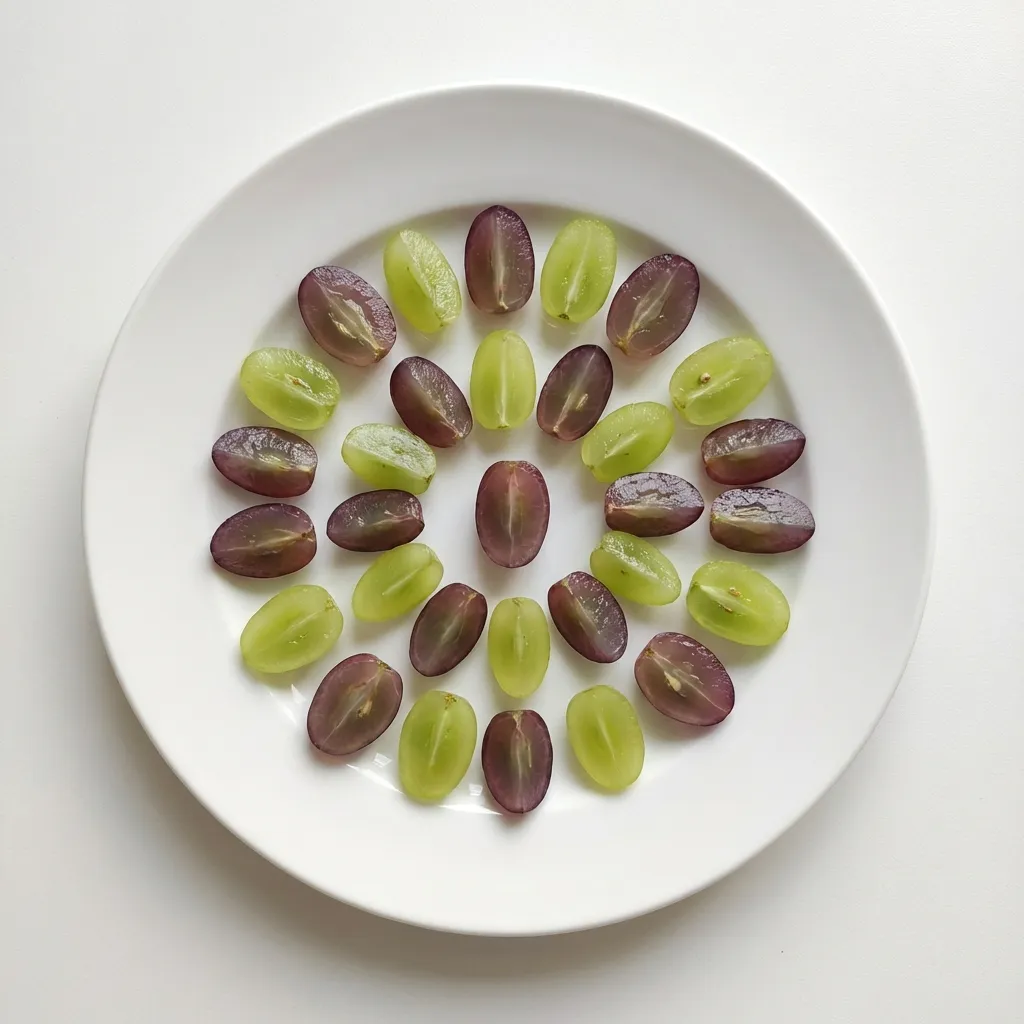
Grape
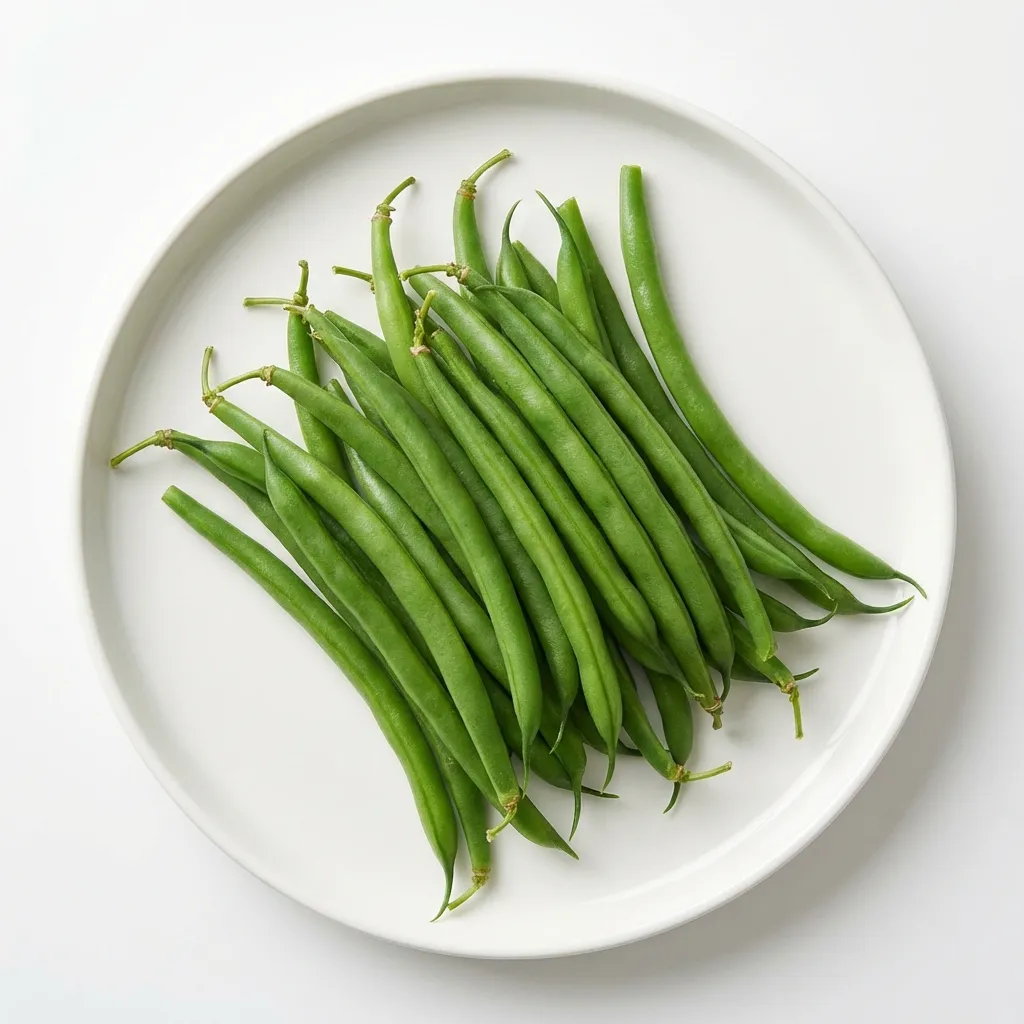
Green Beans
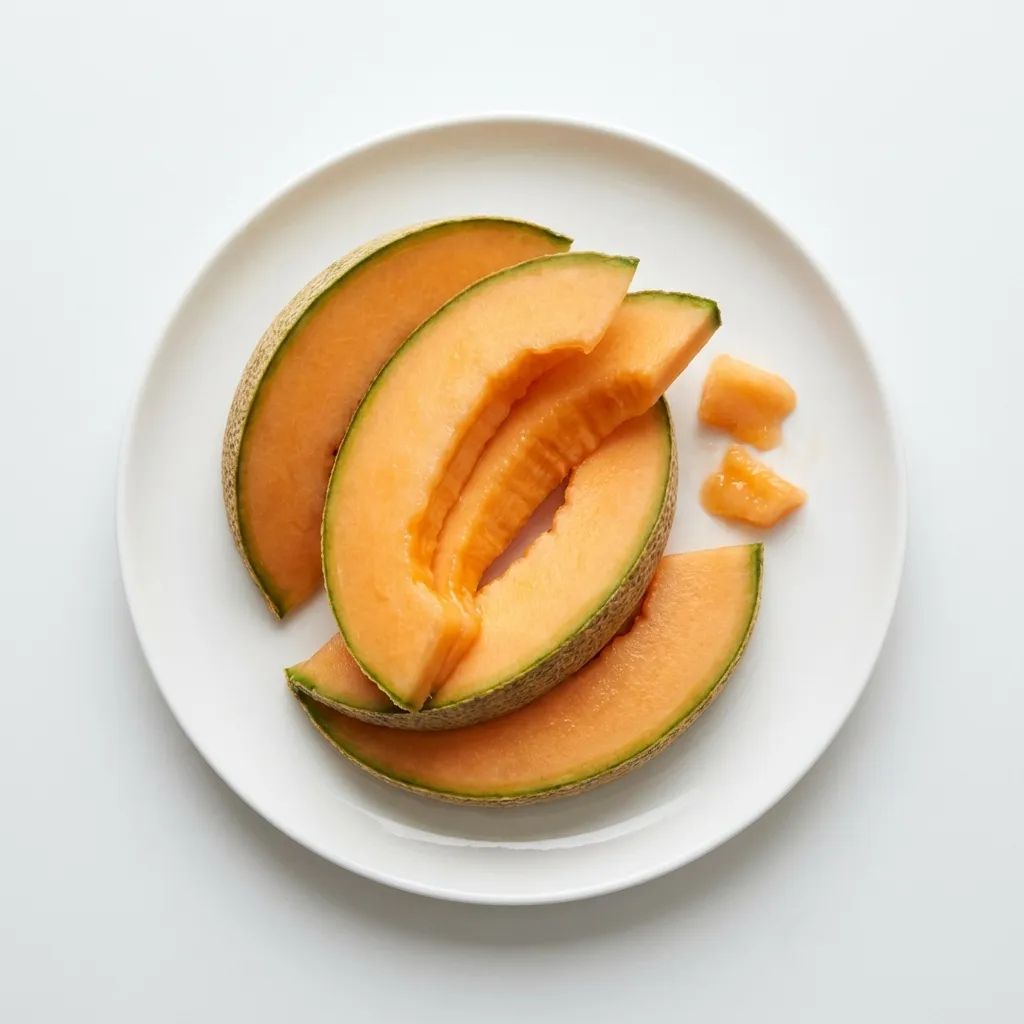
Honeydew Melon
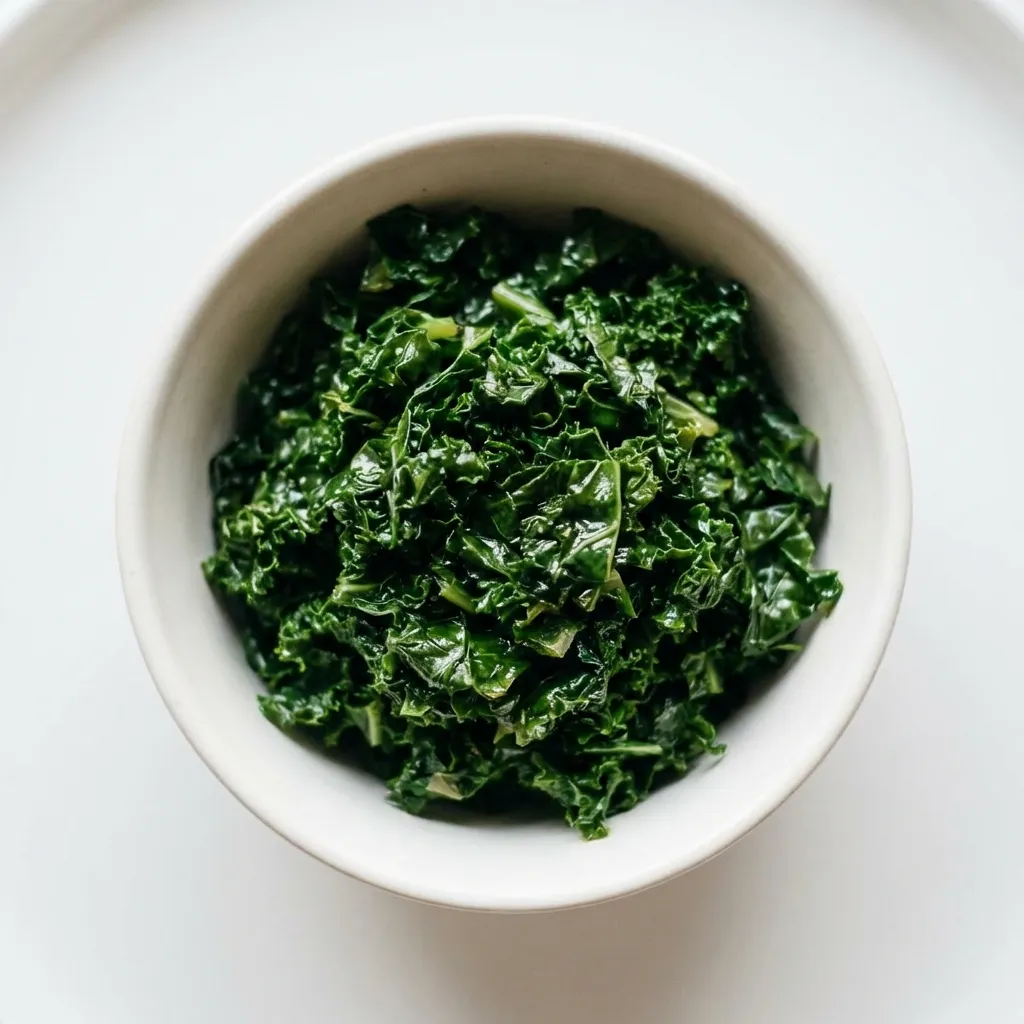
Kale
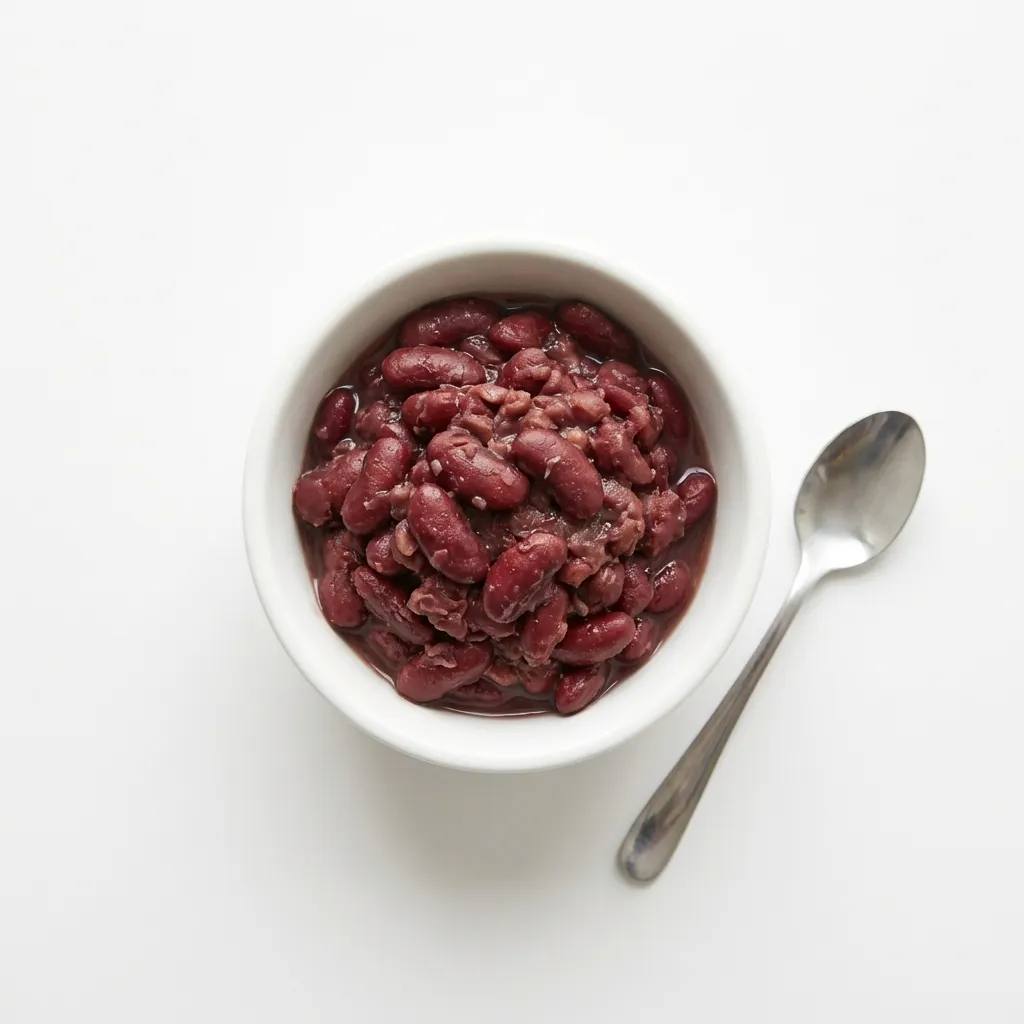
Kidney Beans
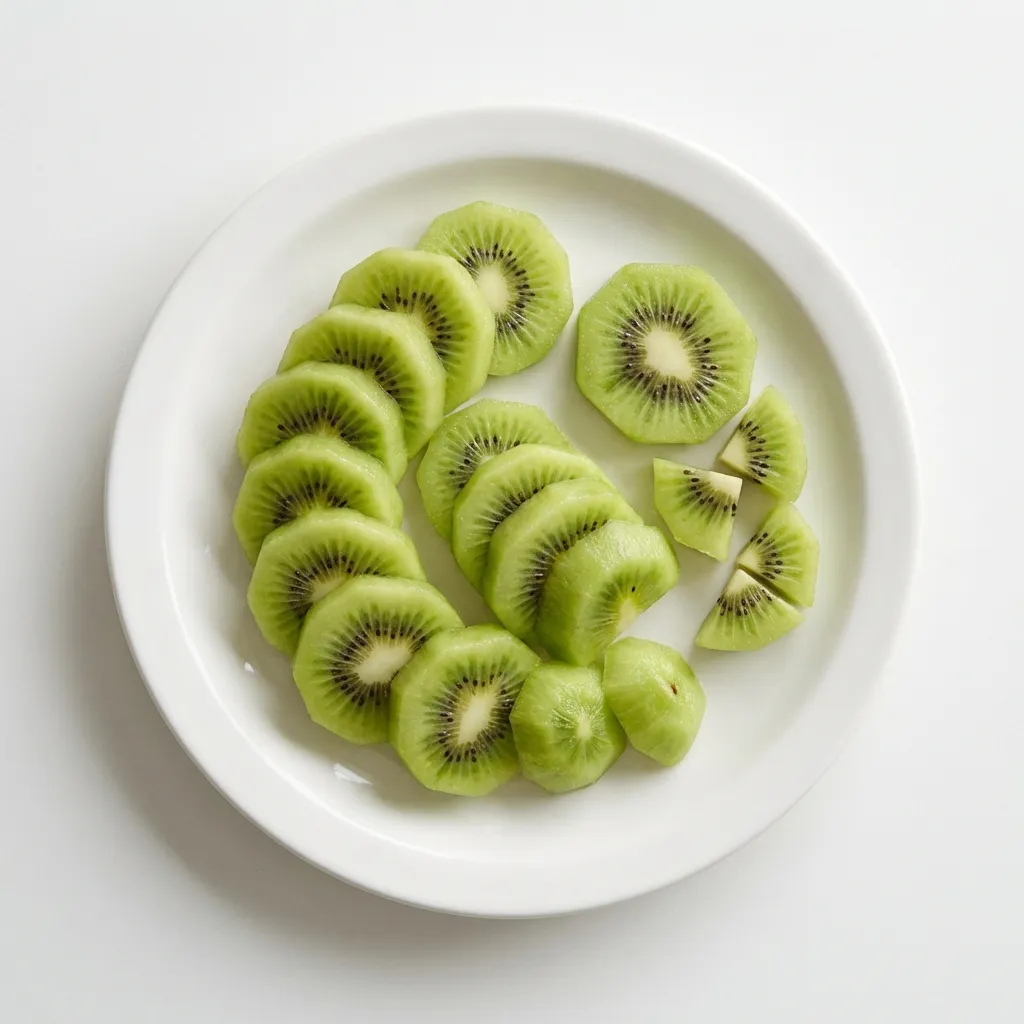
Kiwi
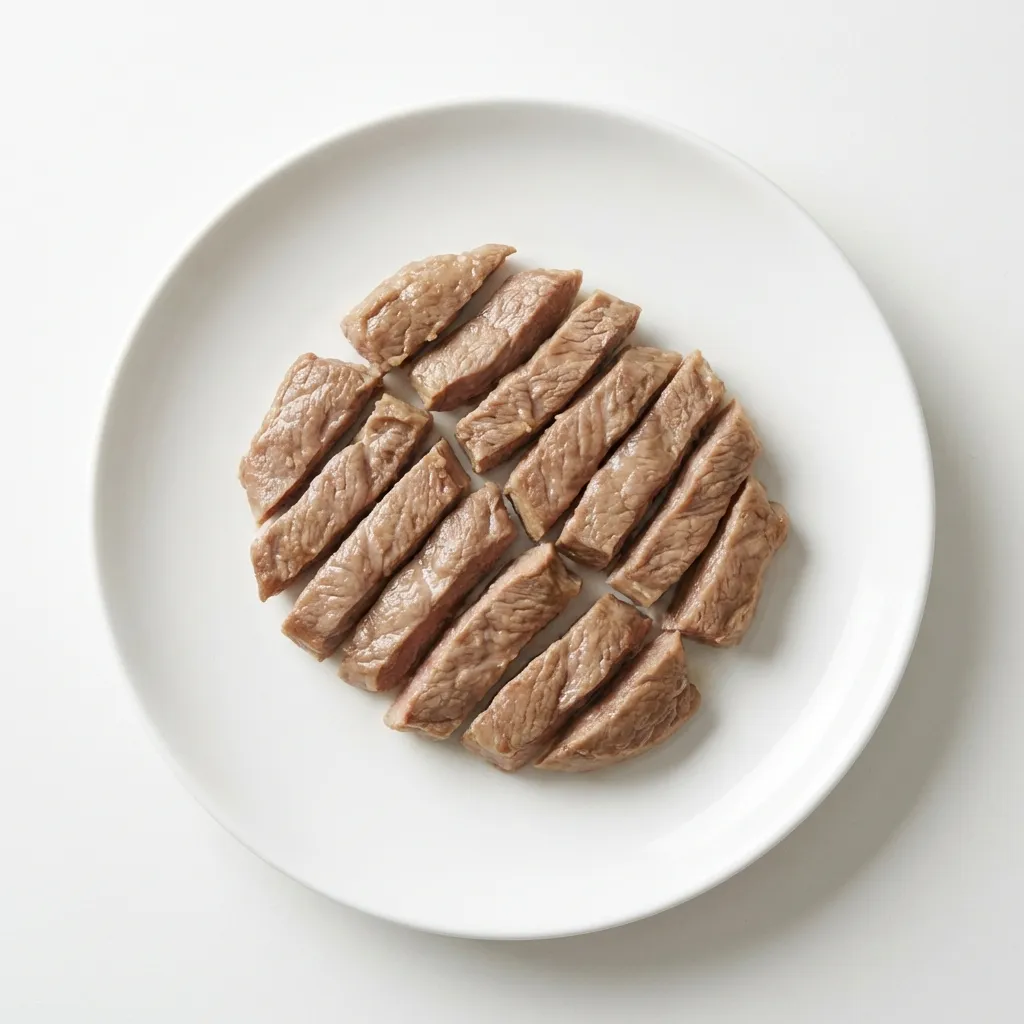
Lamb
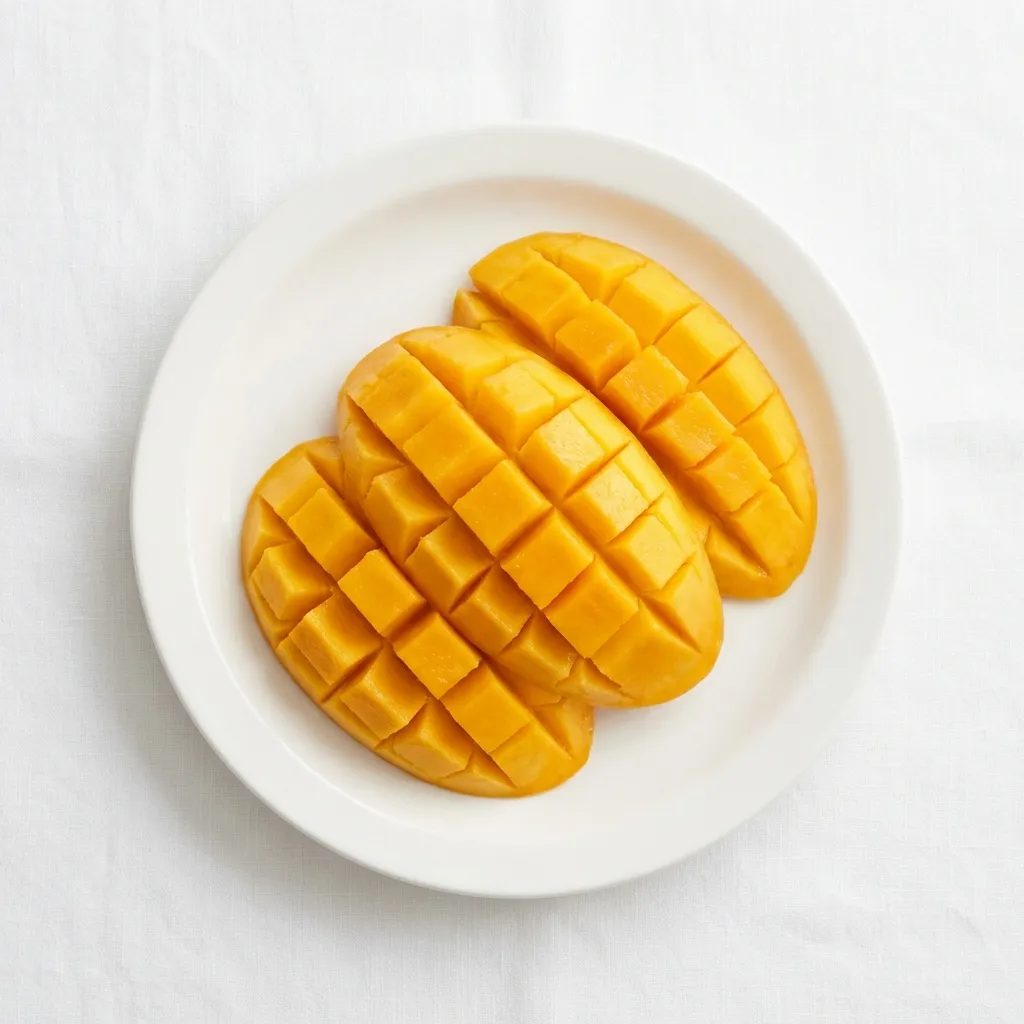
Mango
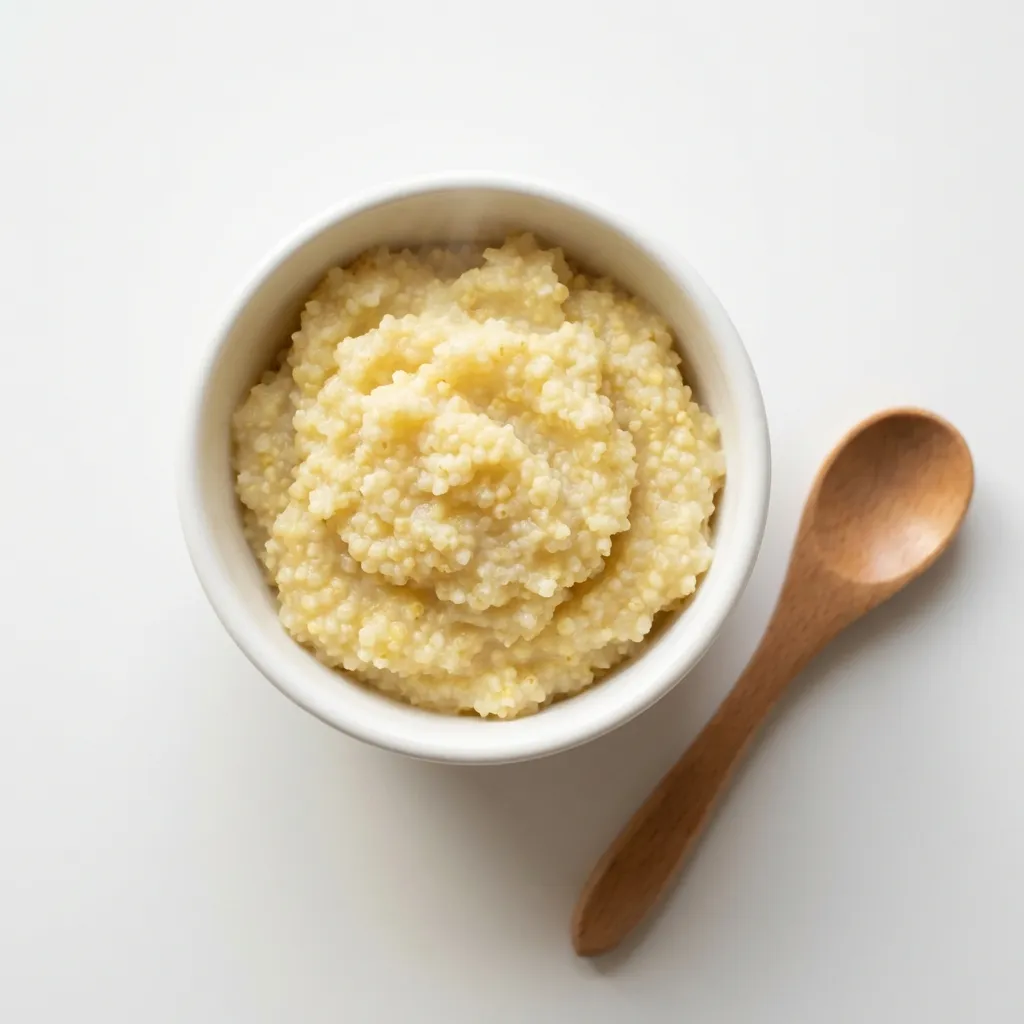
Millet
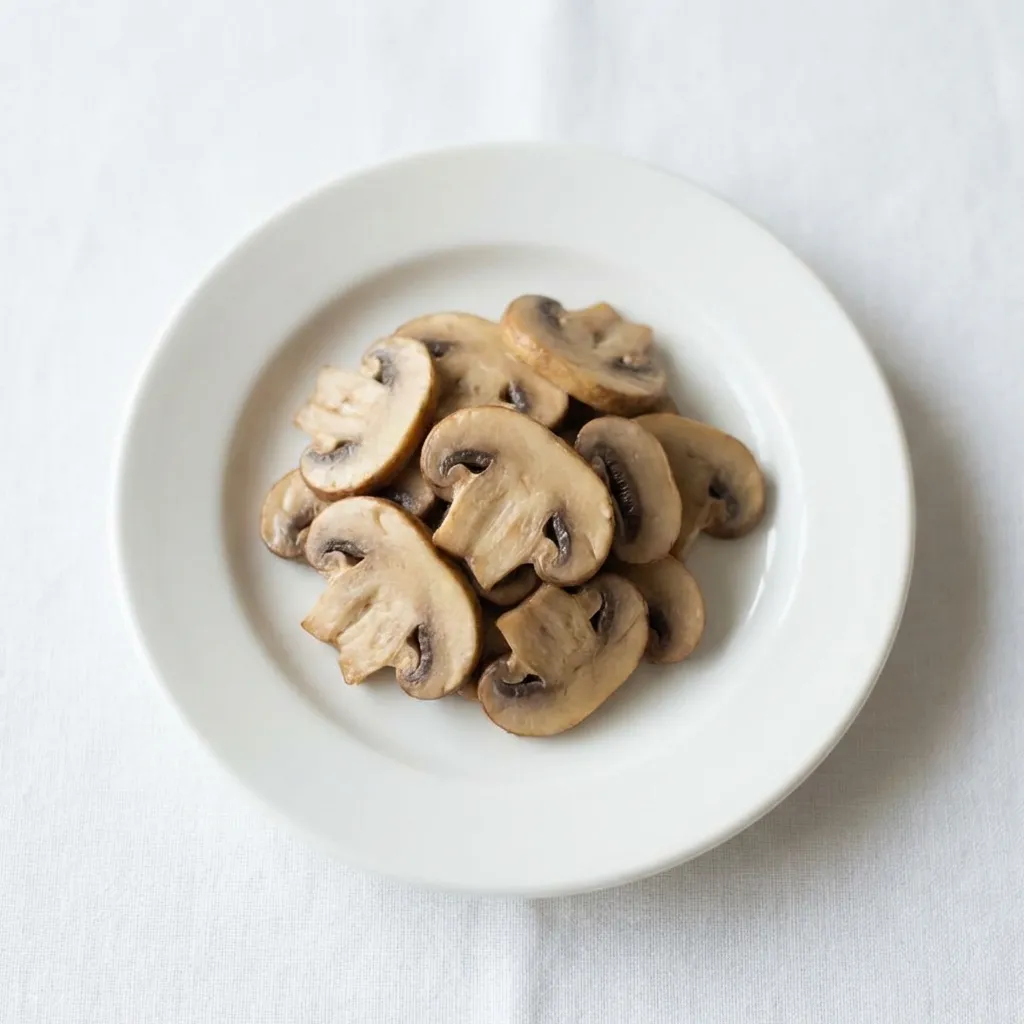
Mushrooms
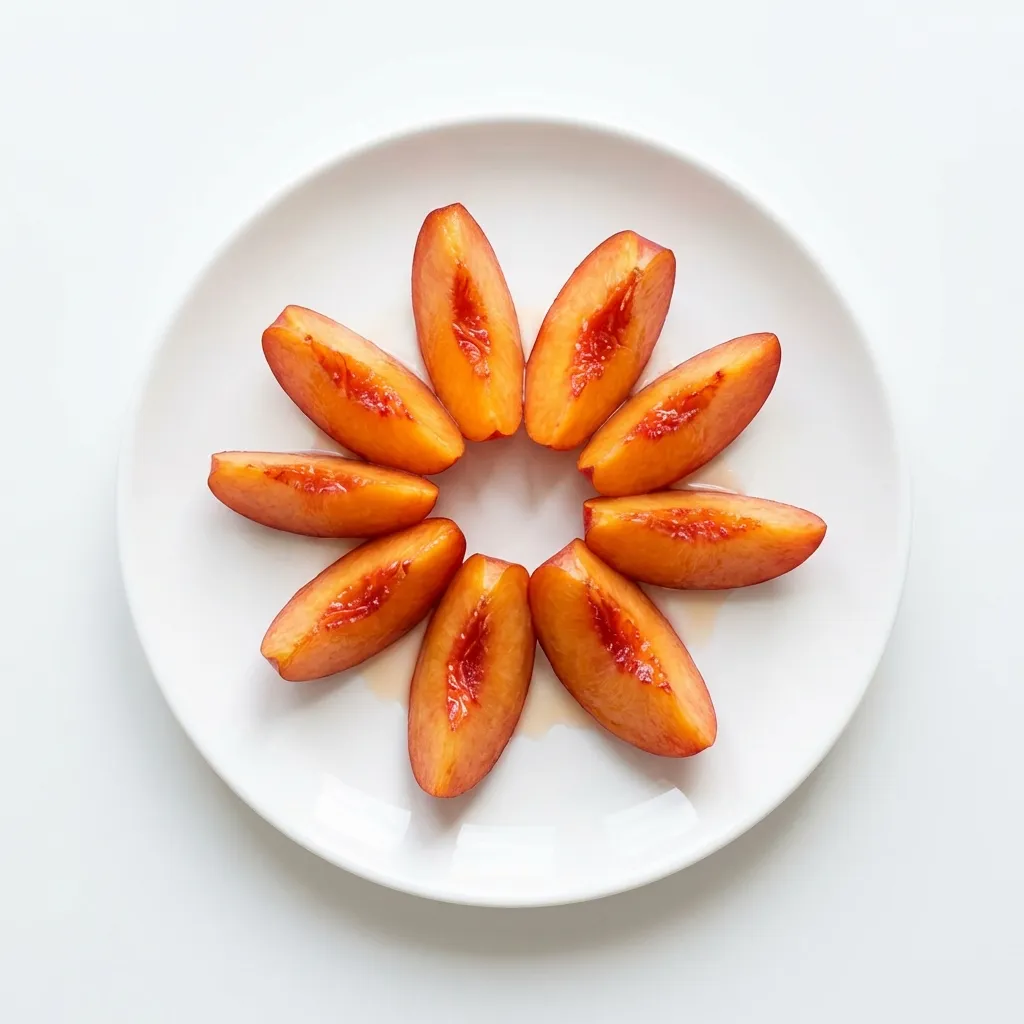
Nectarine
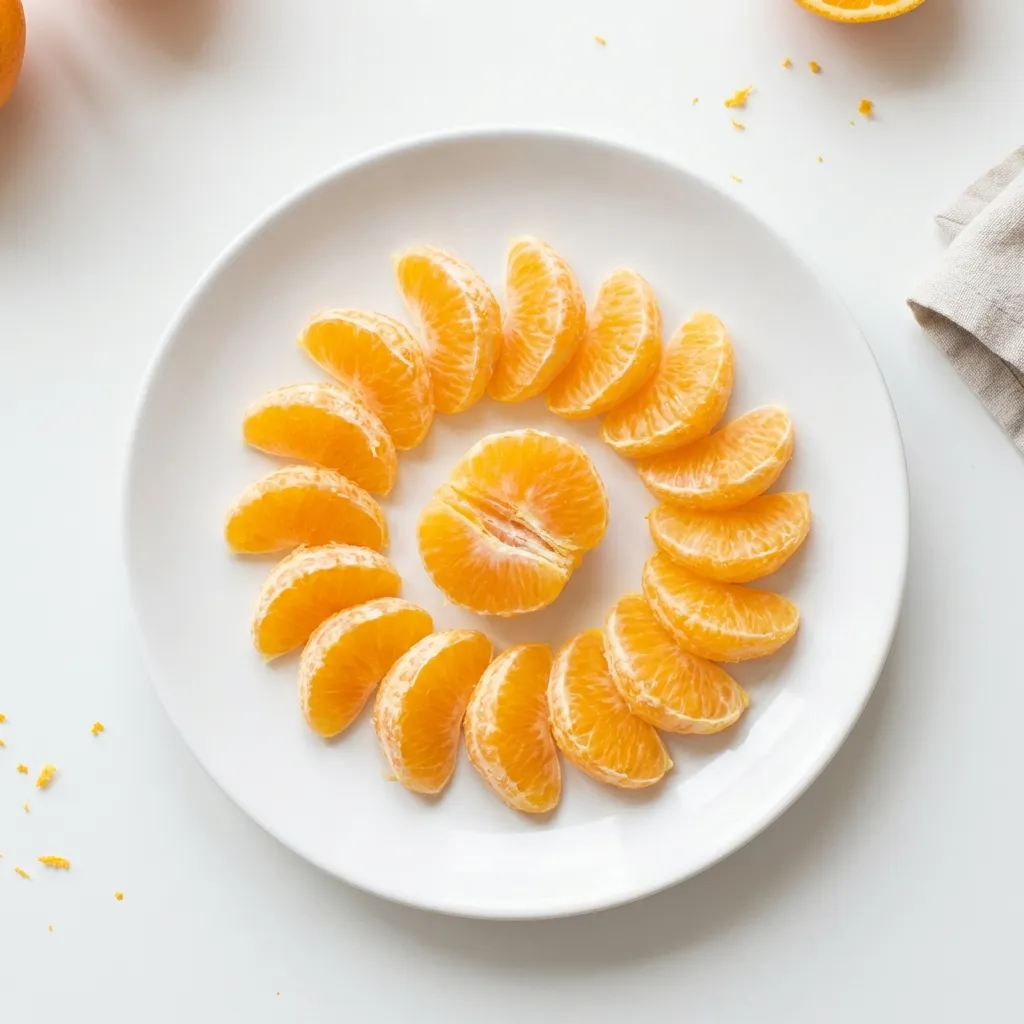
Orange
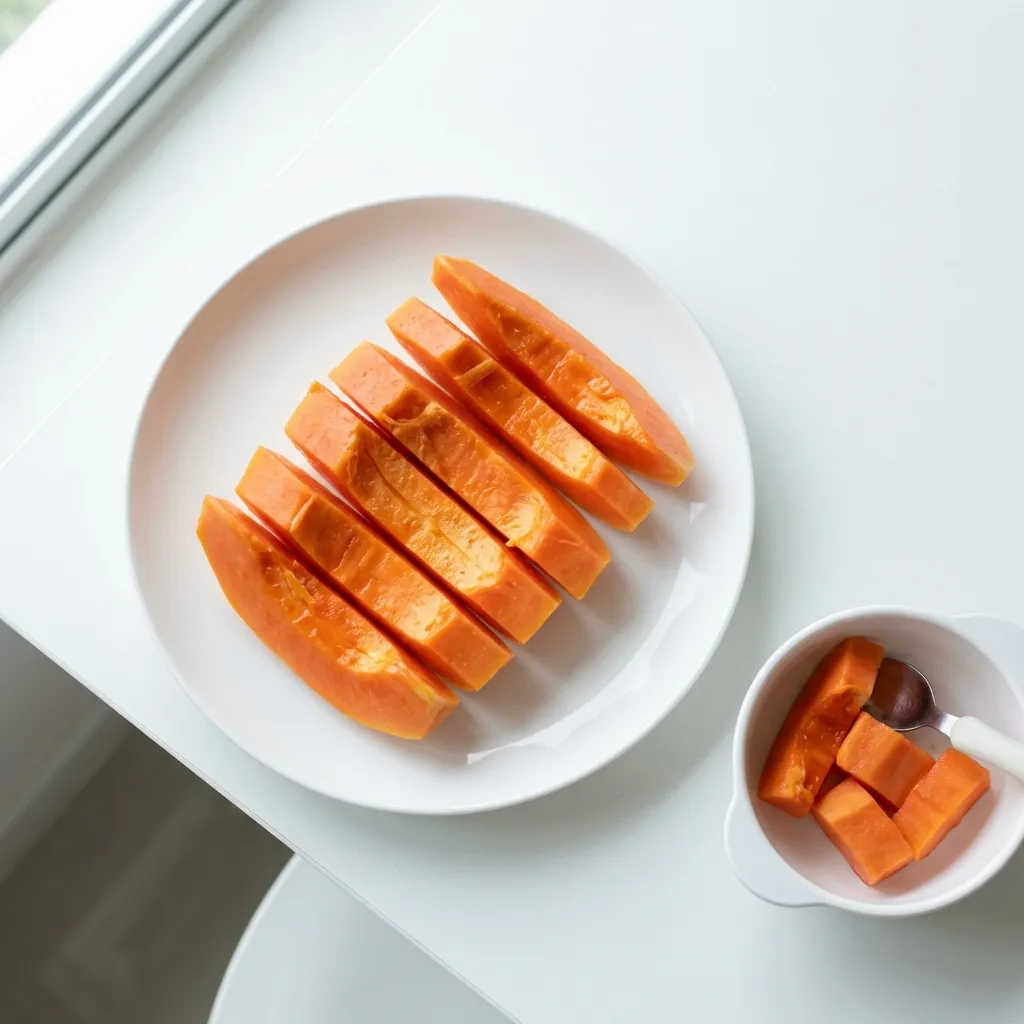
Papaya
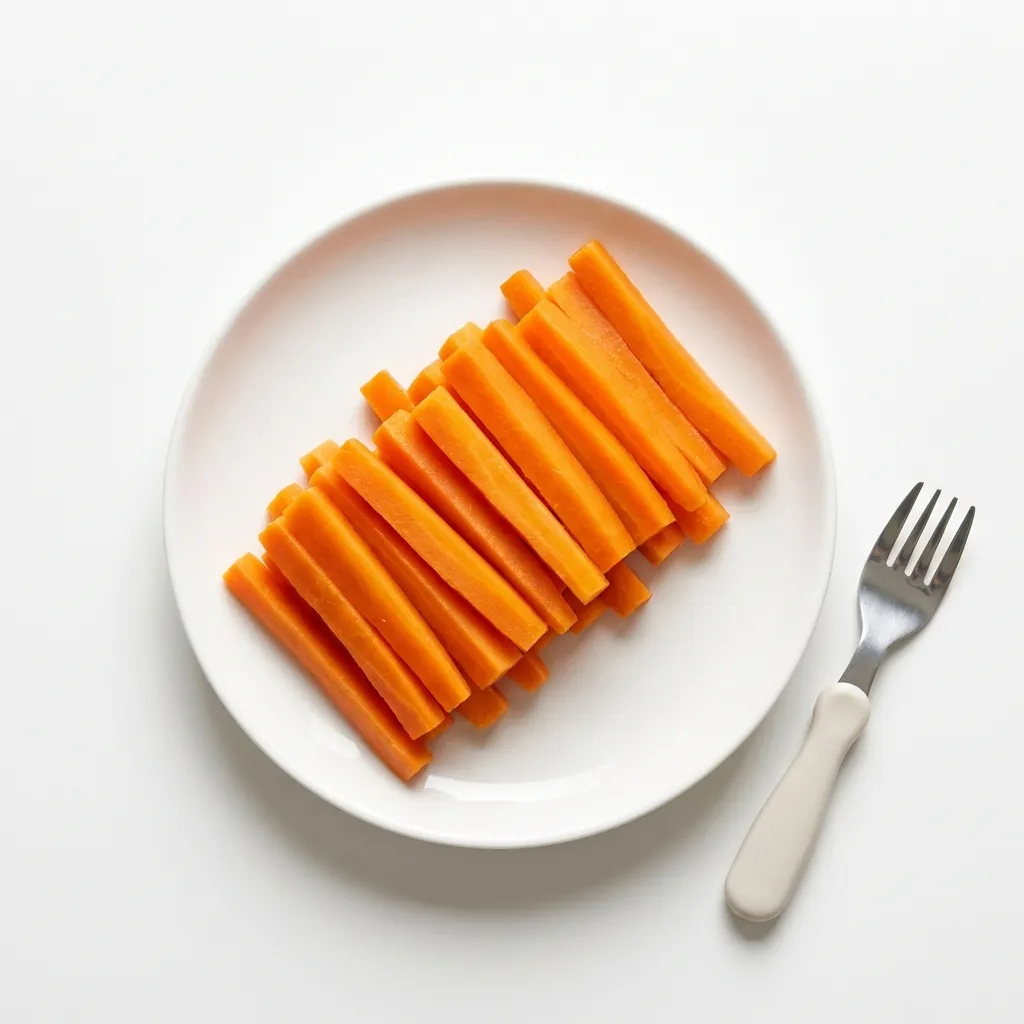
Parsnip
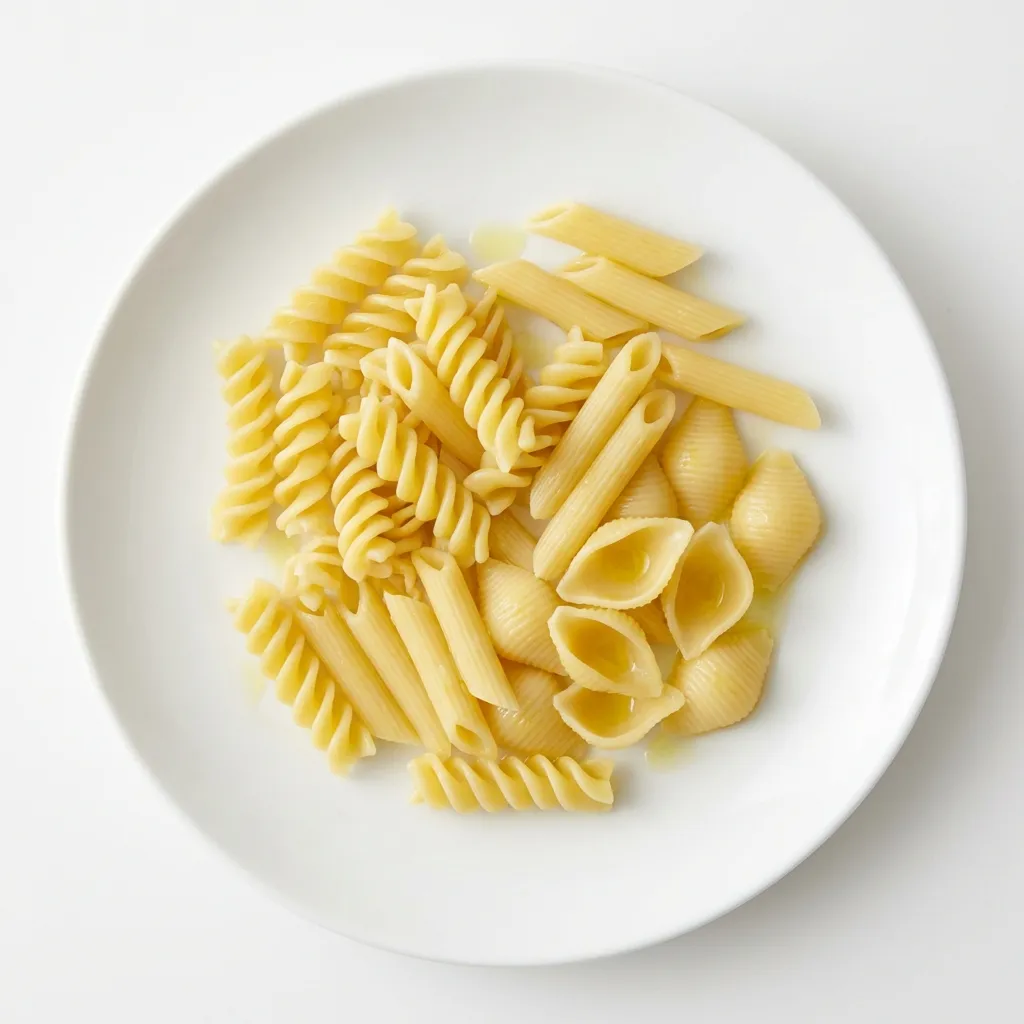
Pasta
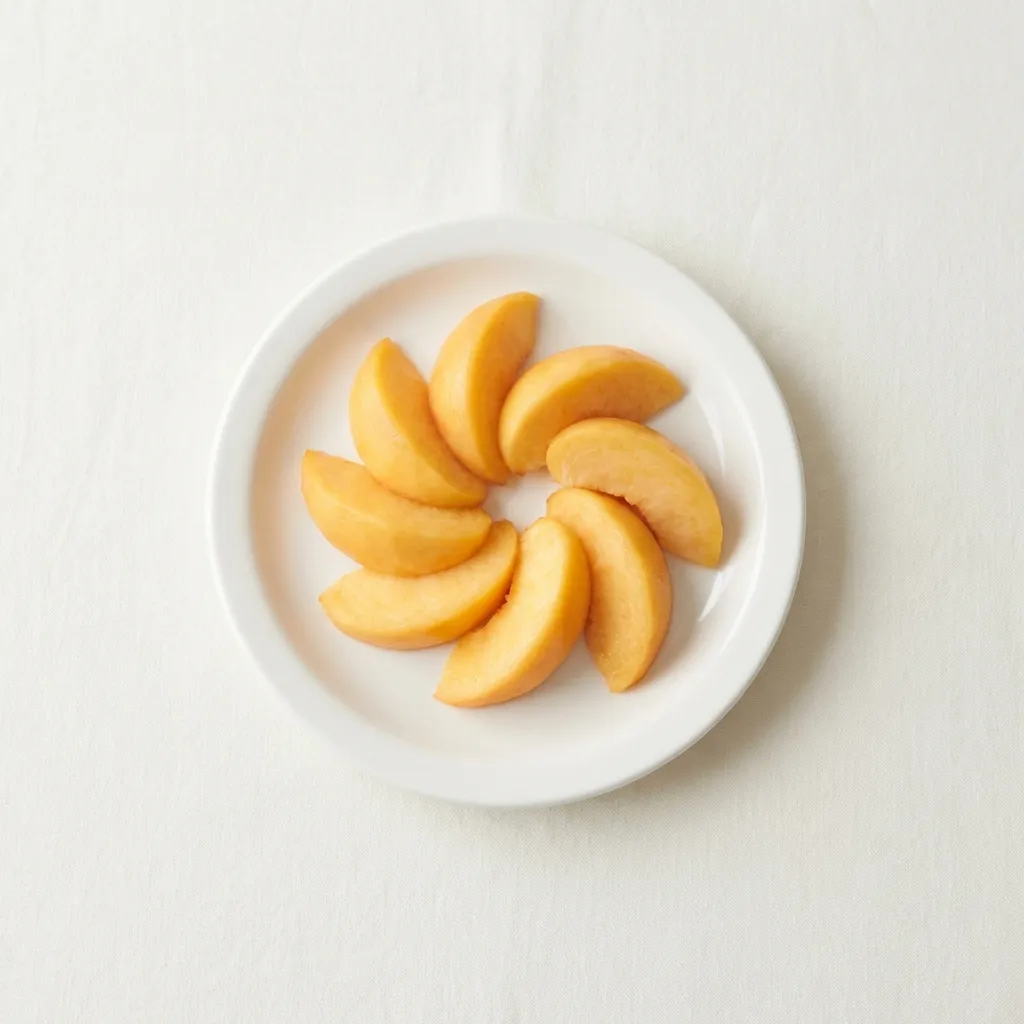
Peach
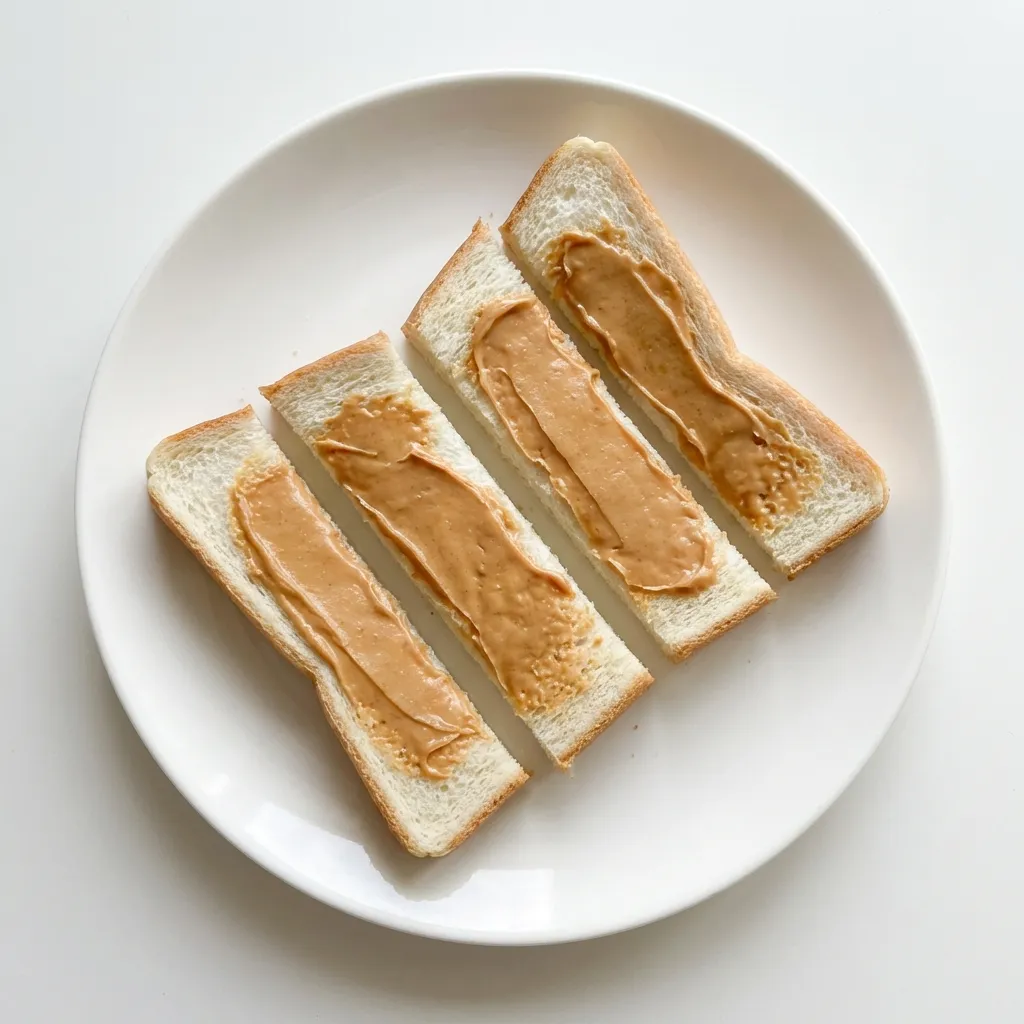
Peanut butter
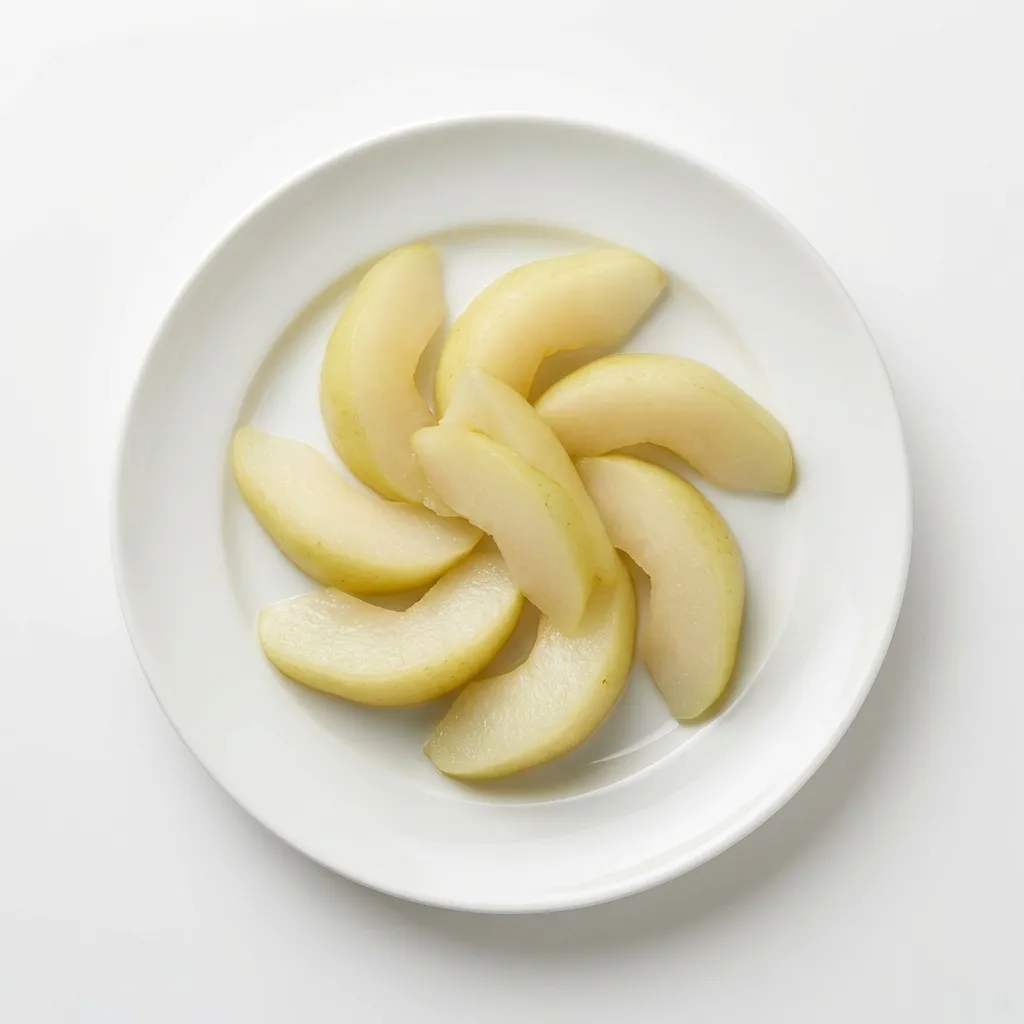
Pear
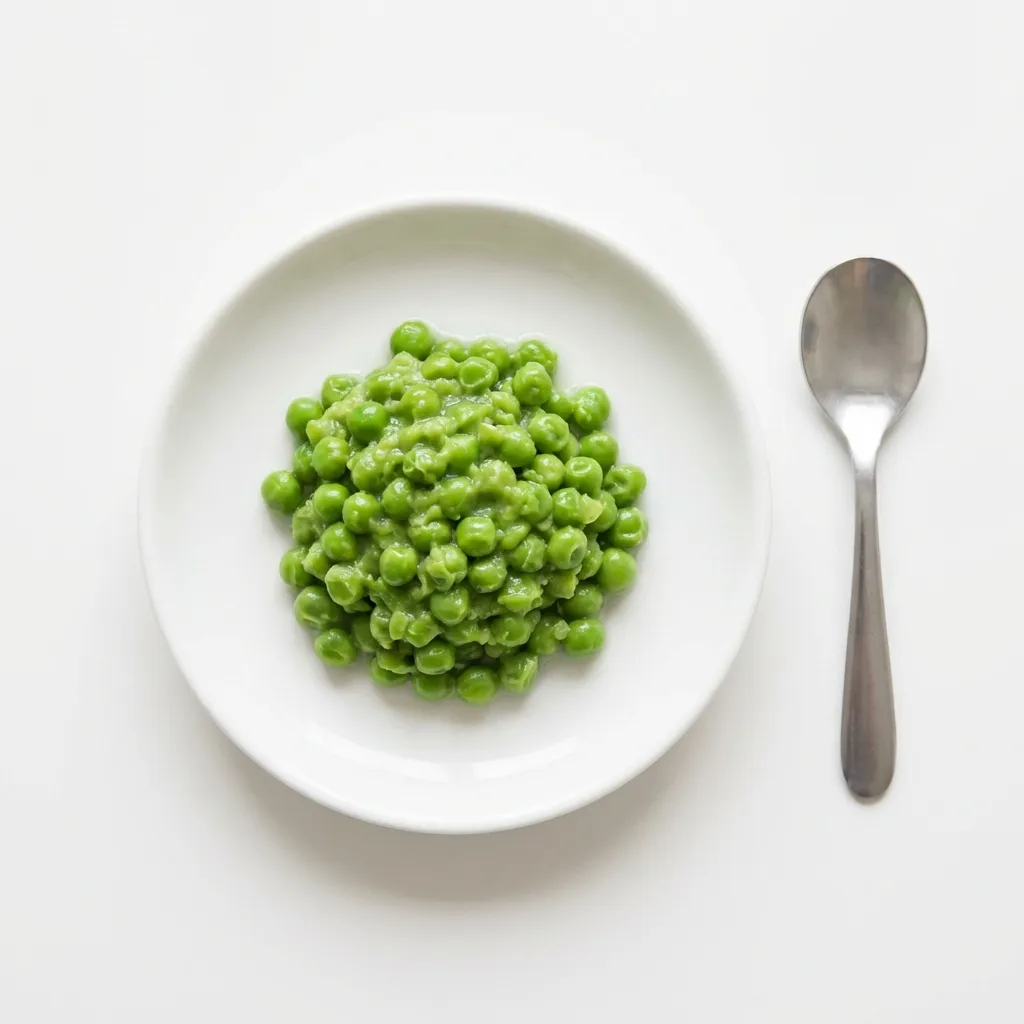
Peas
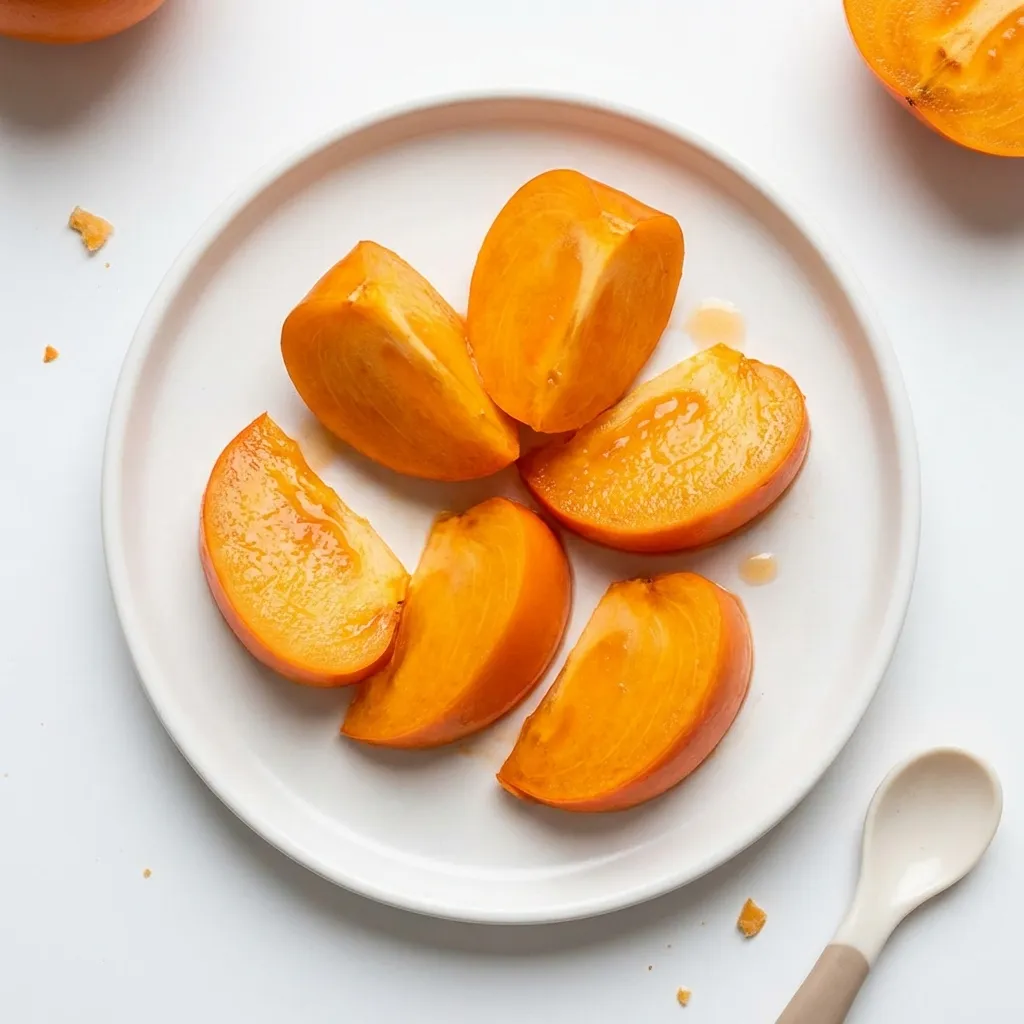
Persimmon
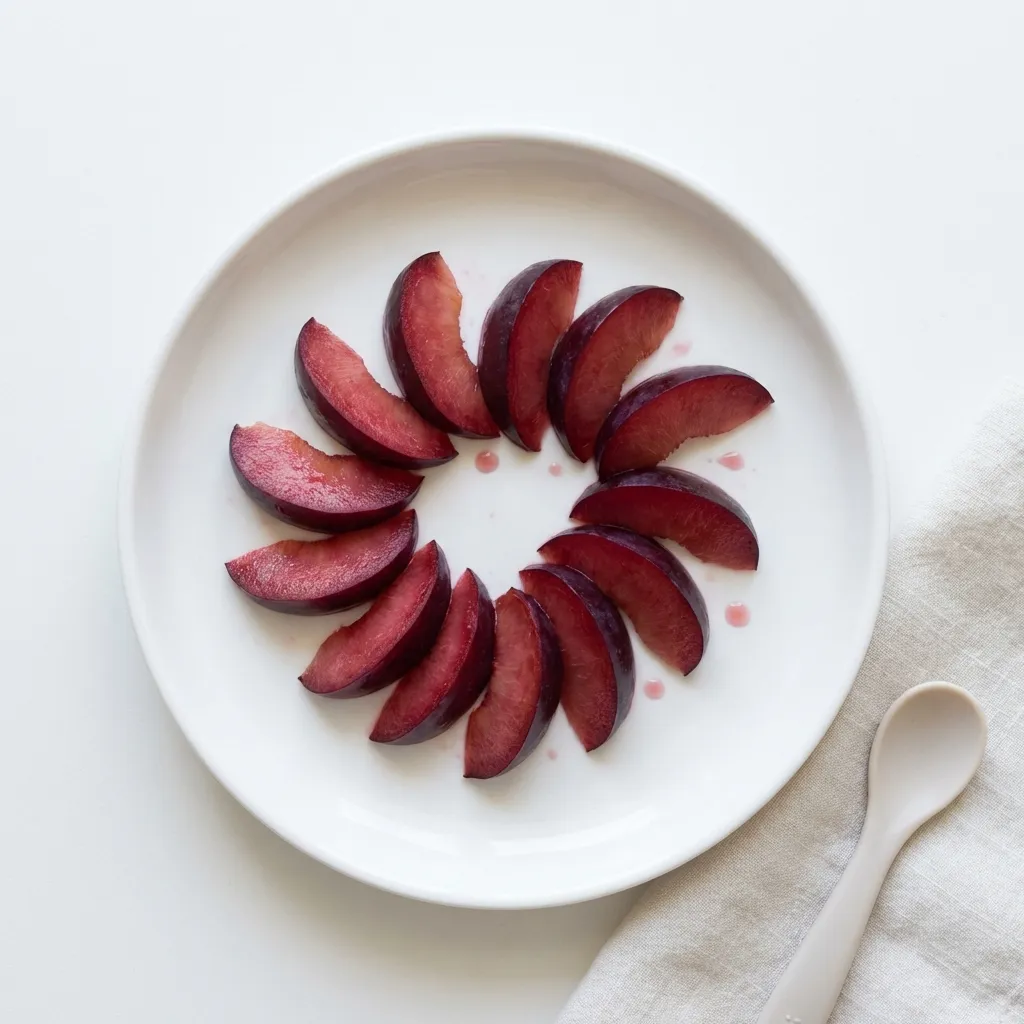
Plum
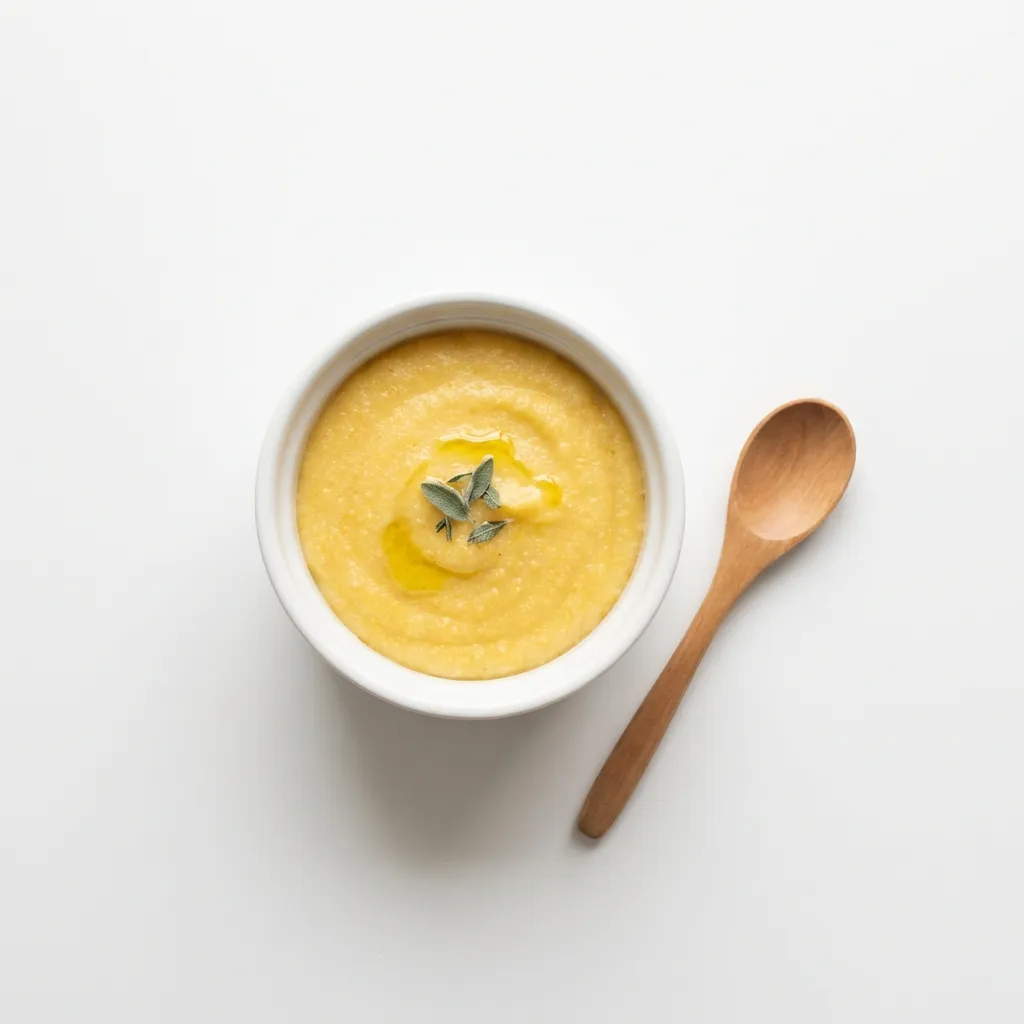
Polenta
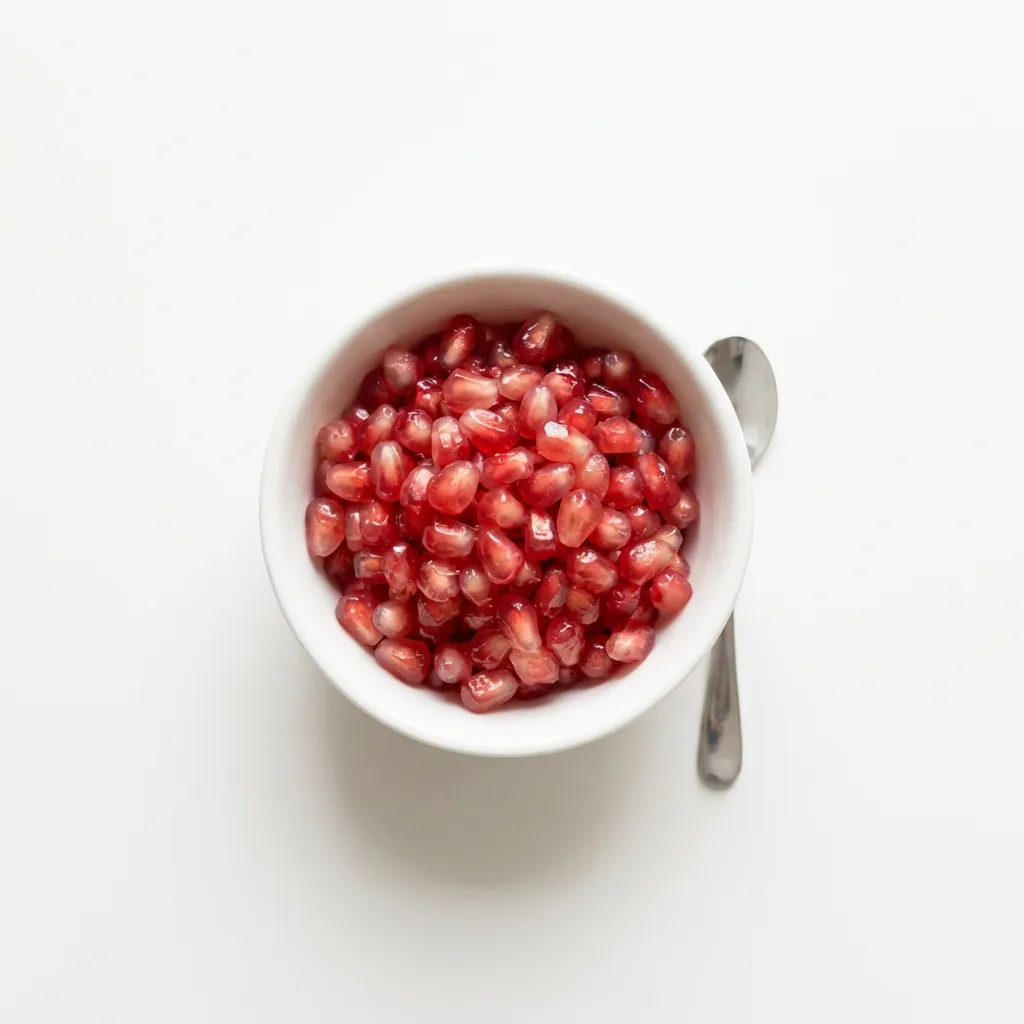
Pomegranate
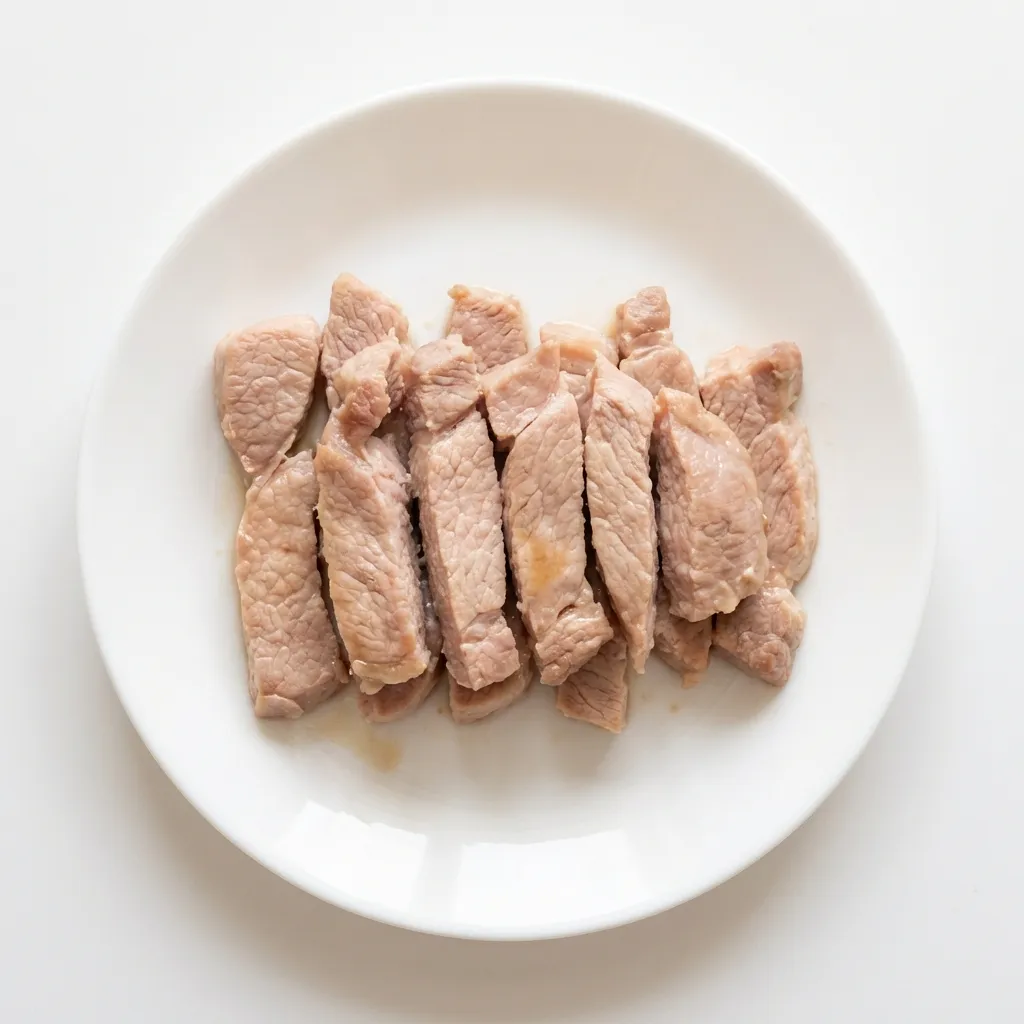
Pork
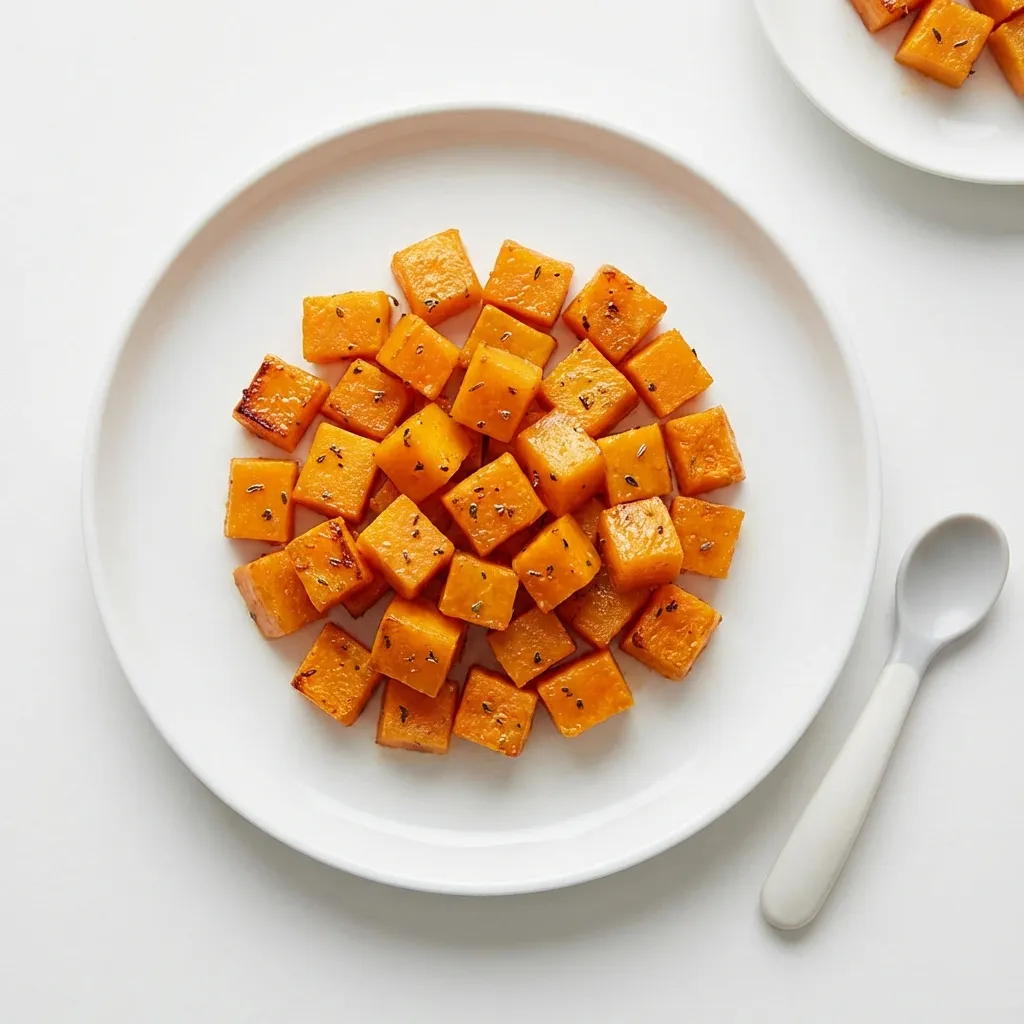
Pumpkin
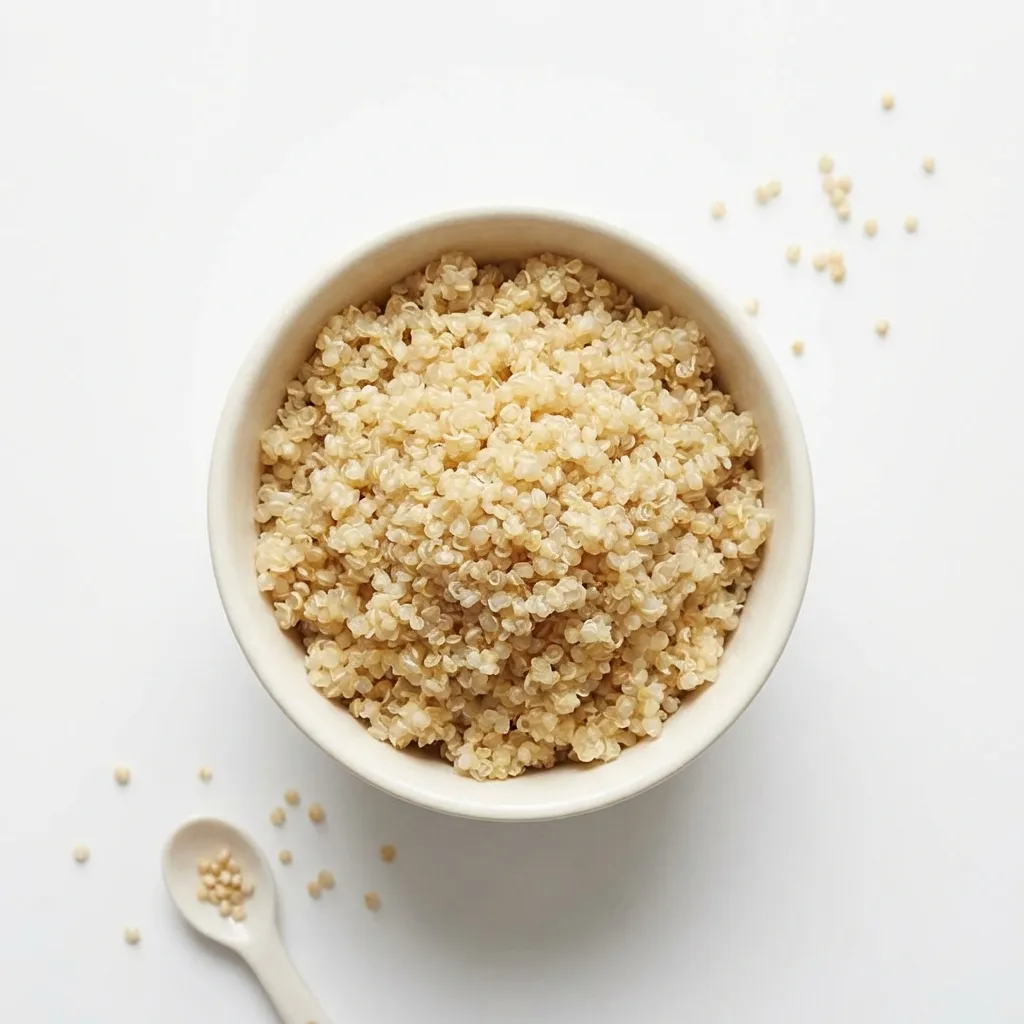
Quinoa
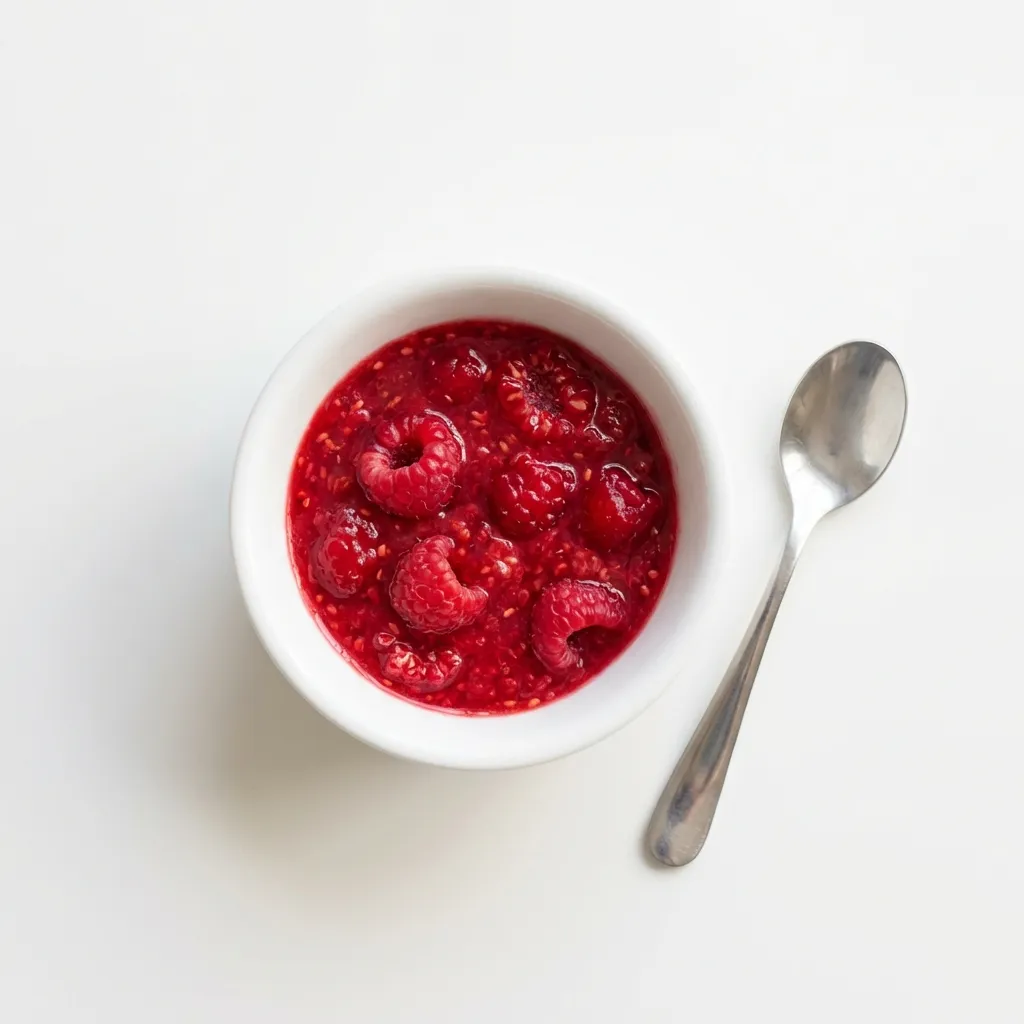
Raspberry
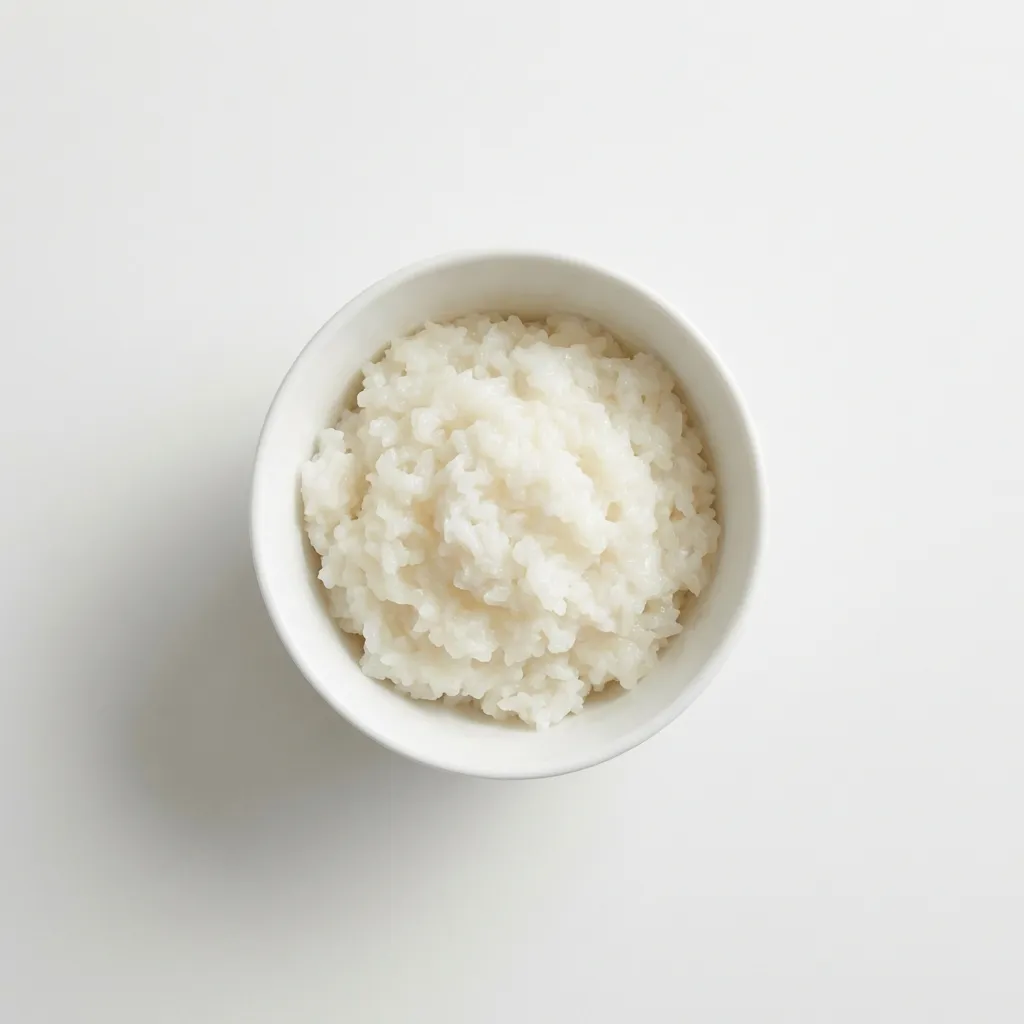
Rice
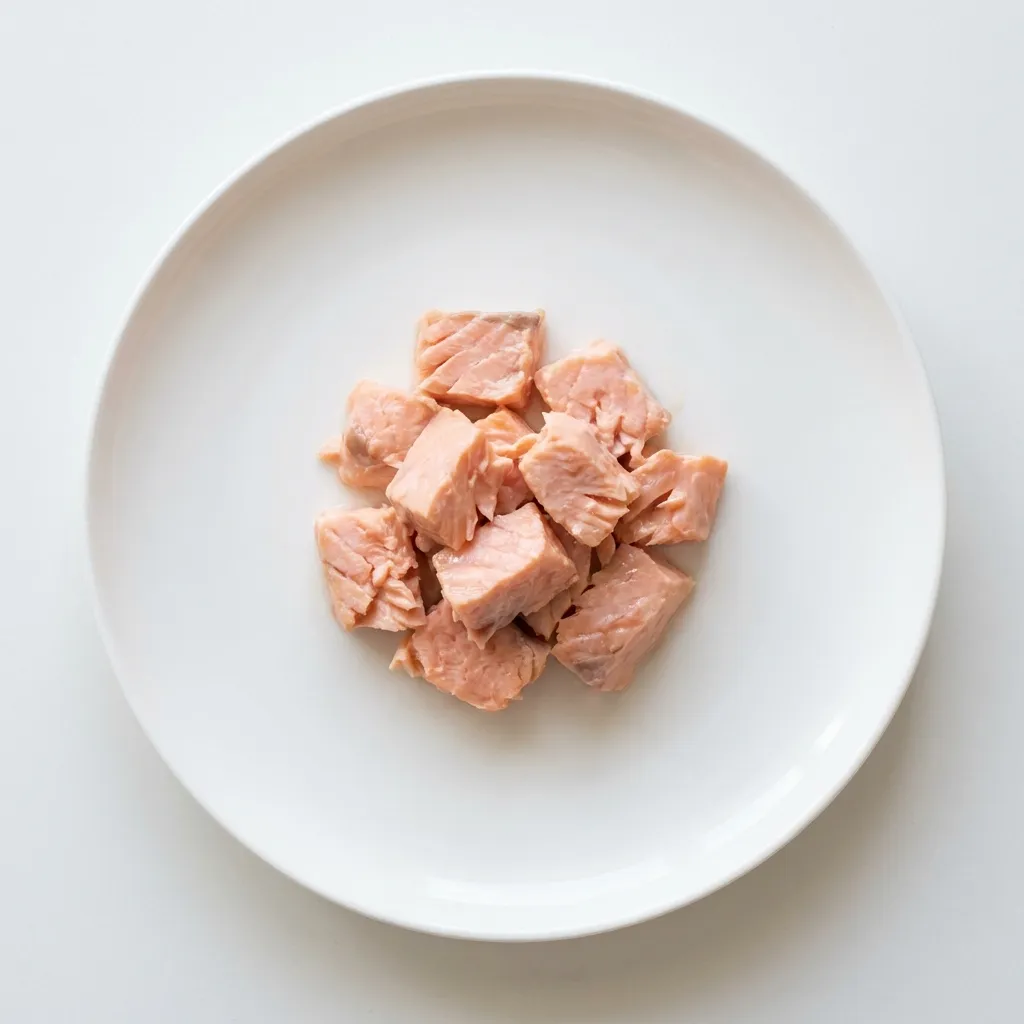
Salmon
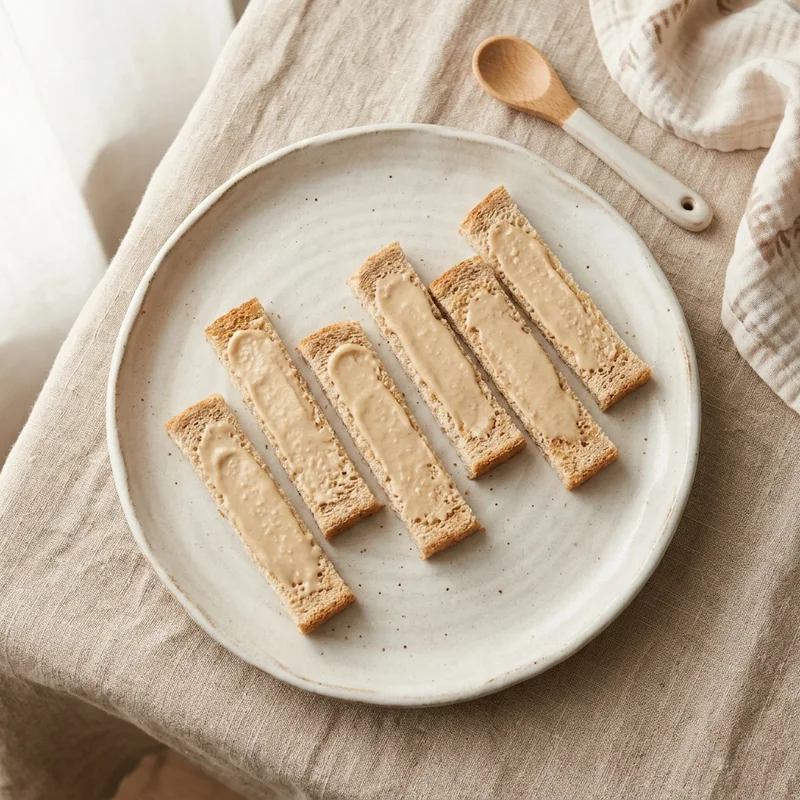
Sesame
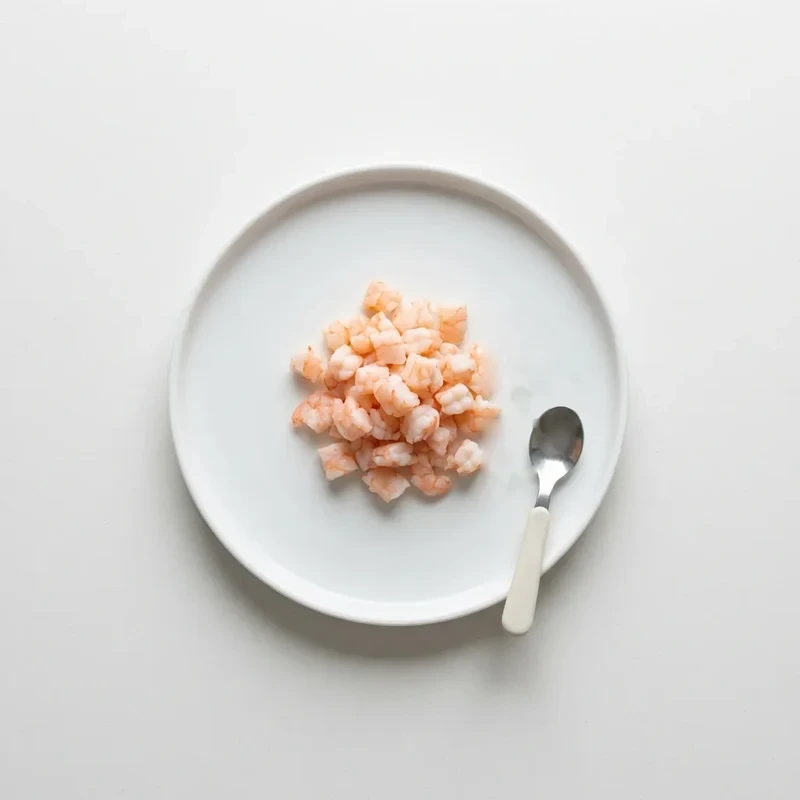
Shrimp
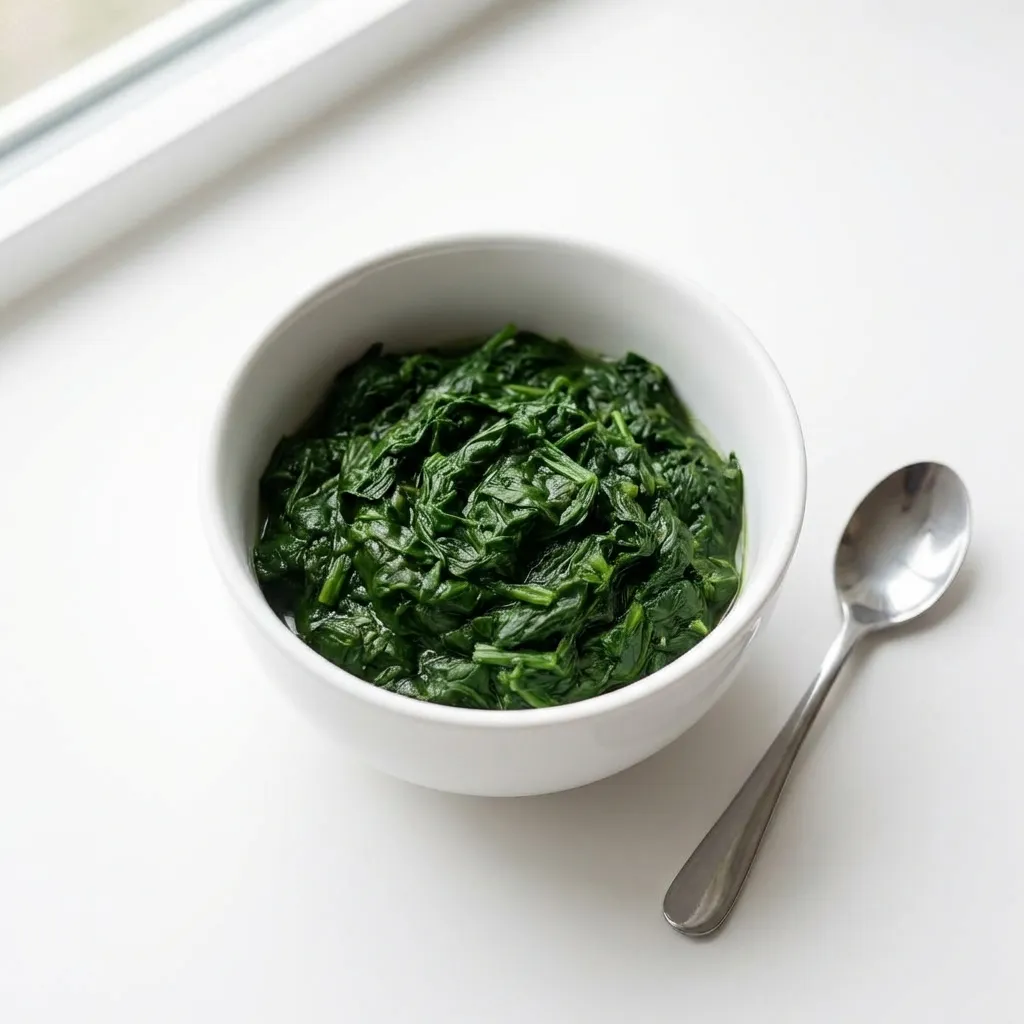
Spinach
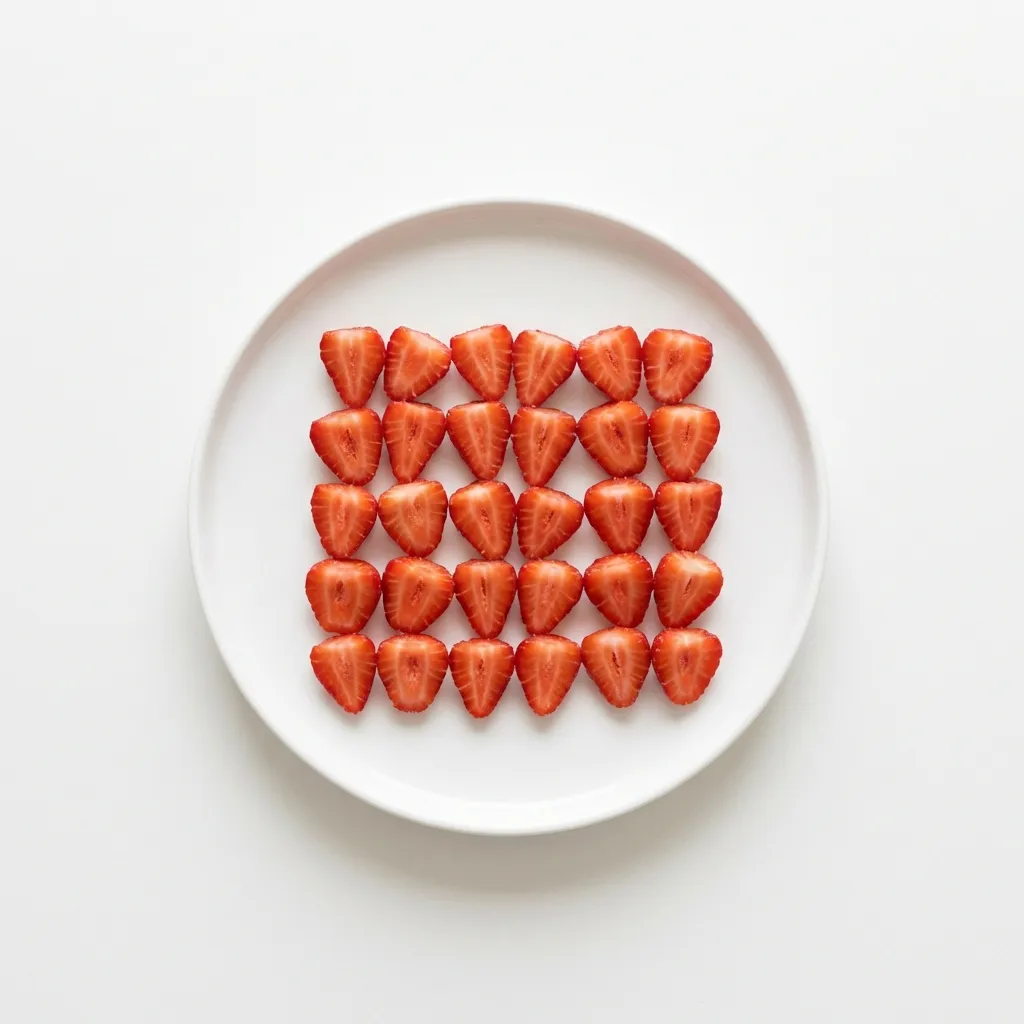
Strawberry
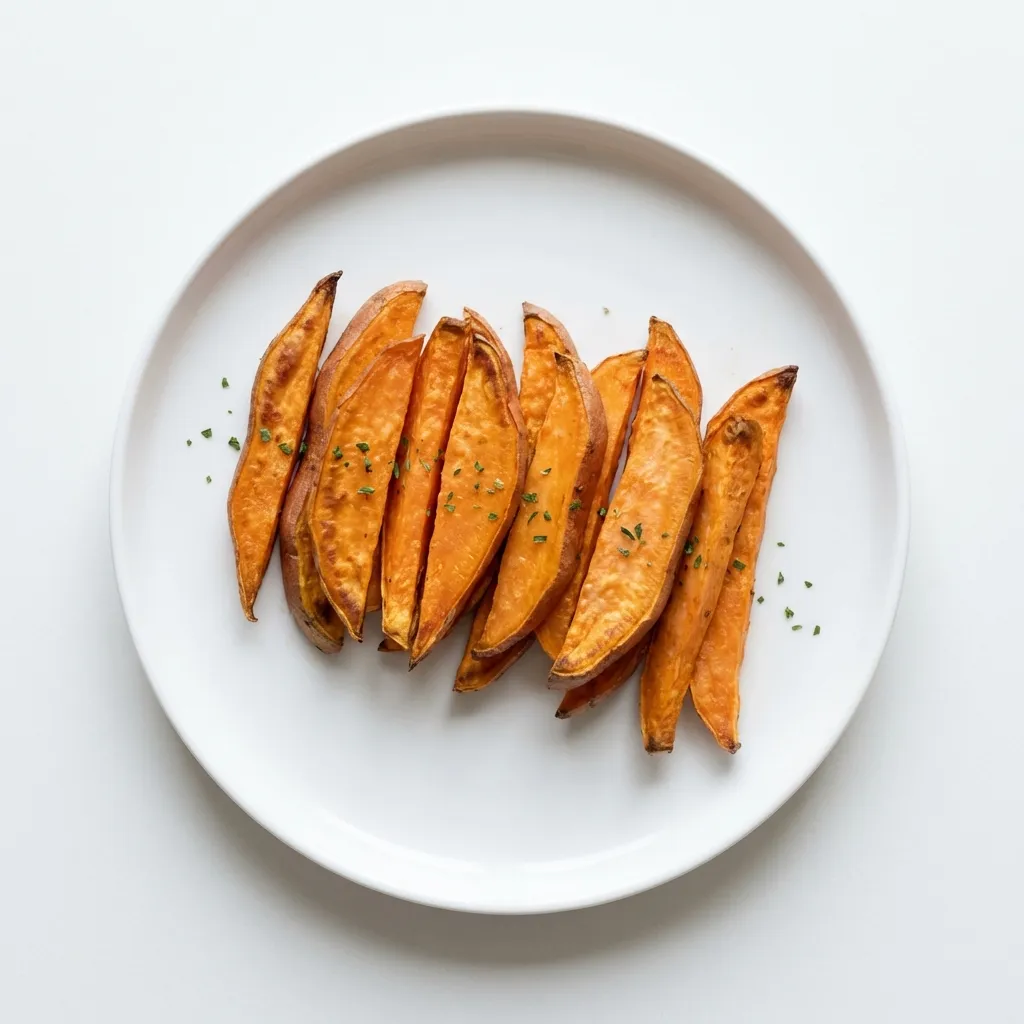
Sweet Potato
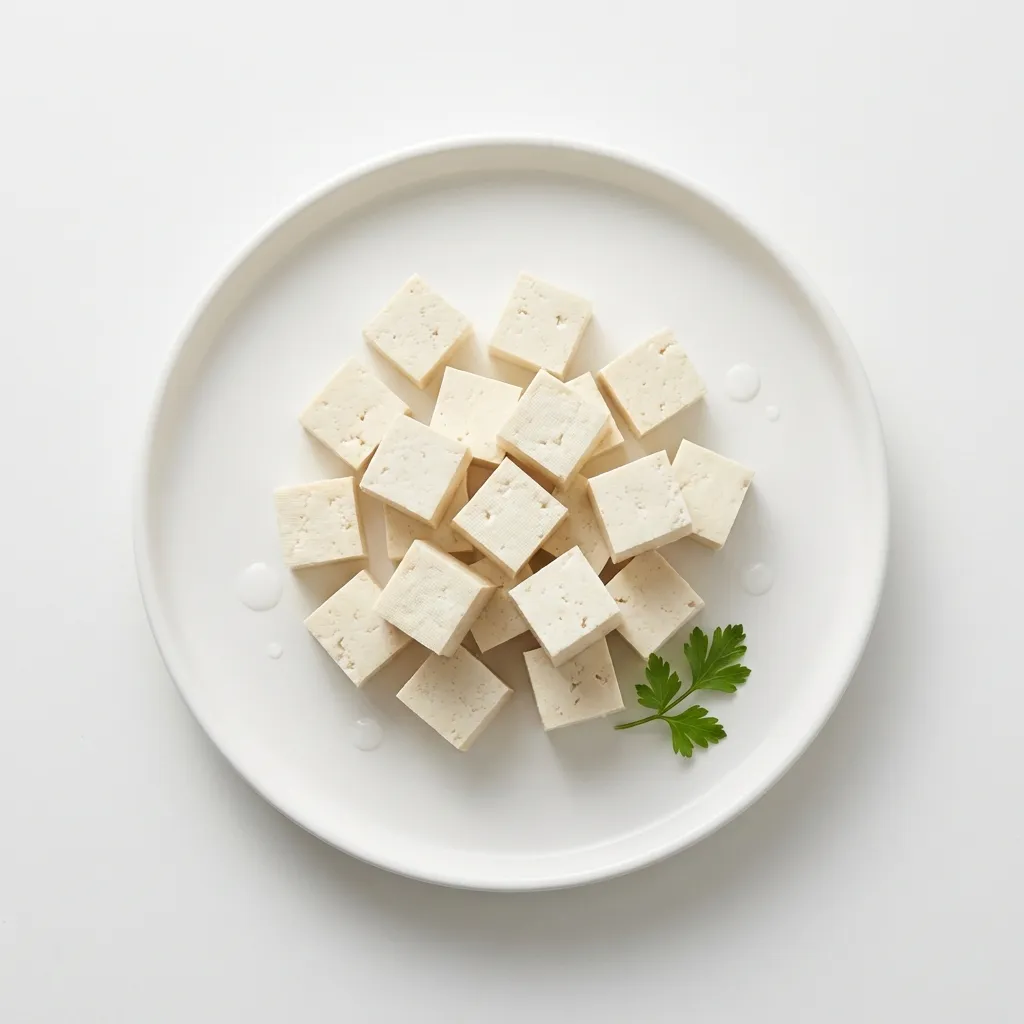
Tofu
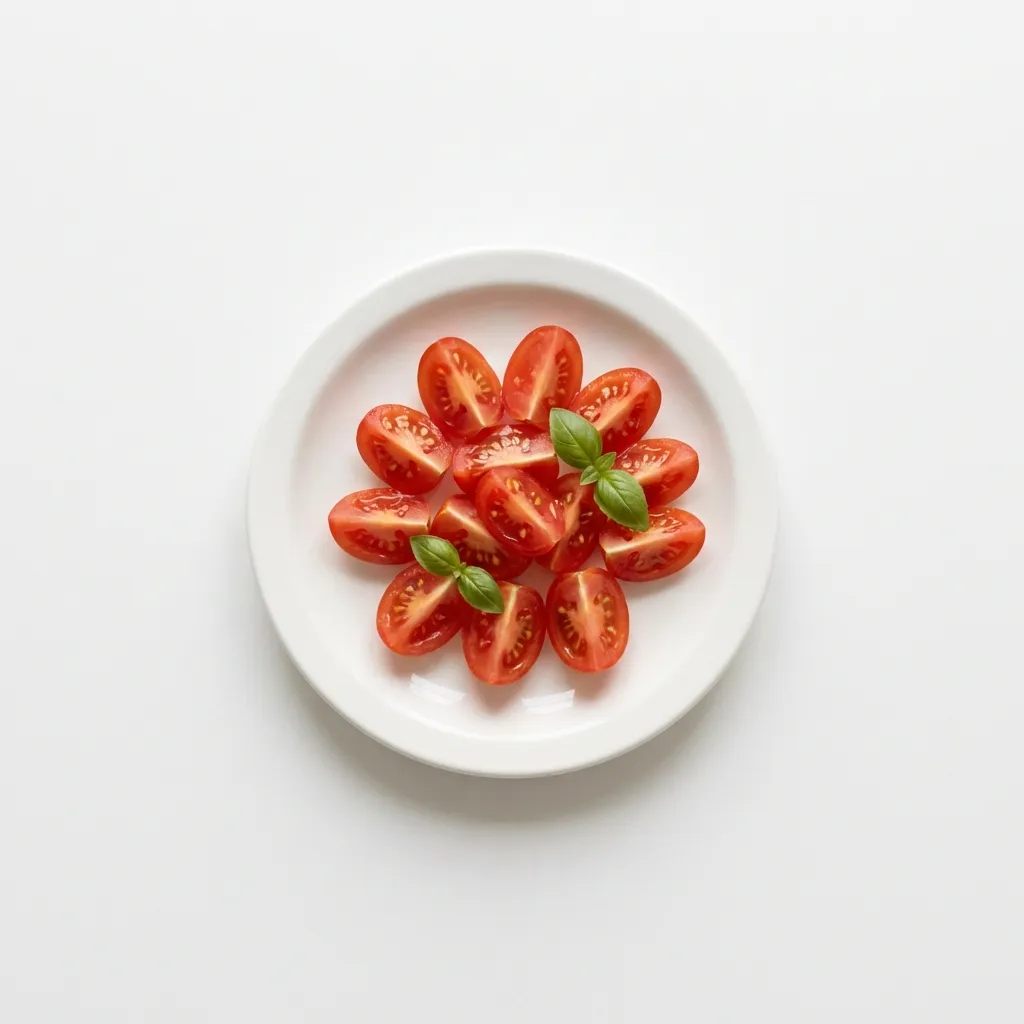
Tomato
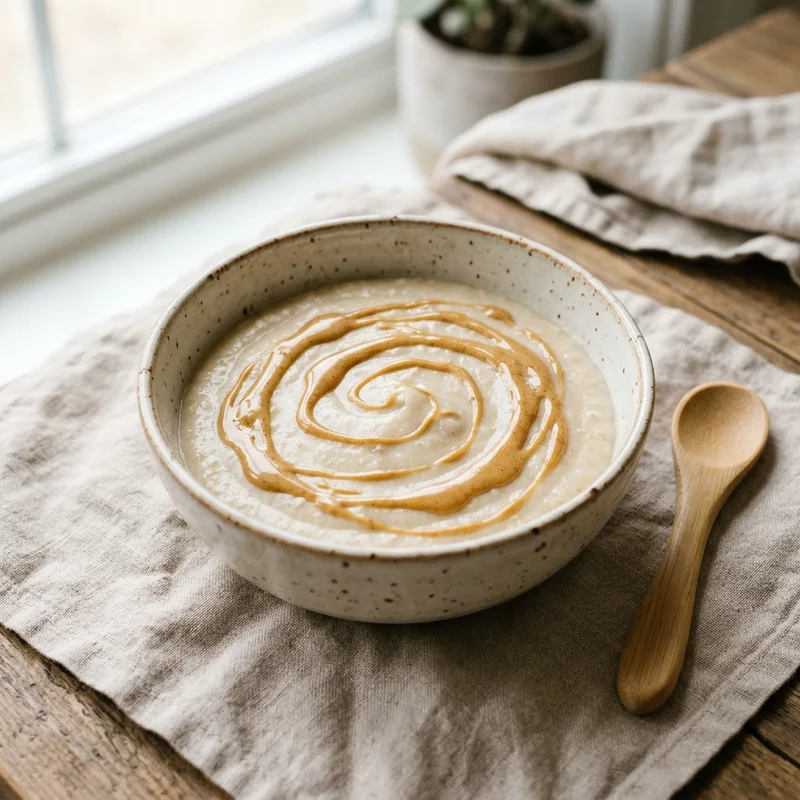
Tree Nuts
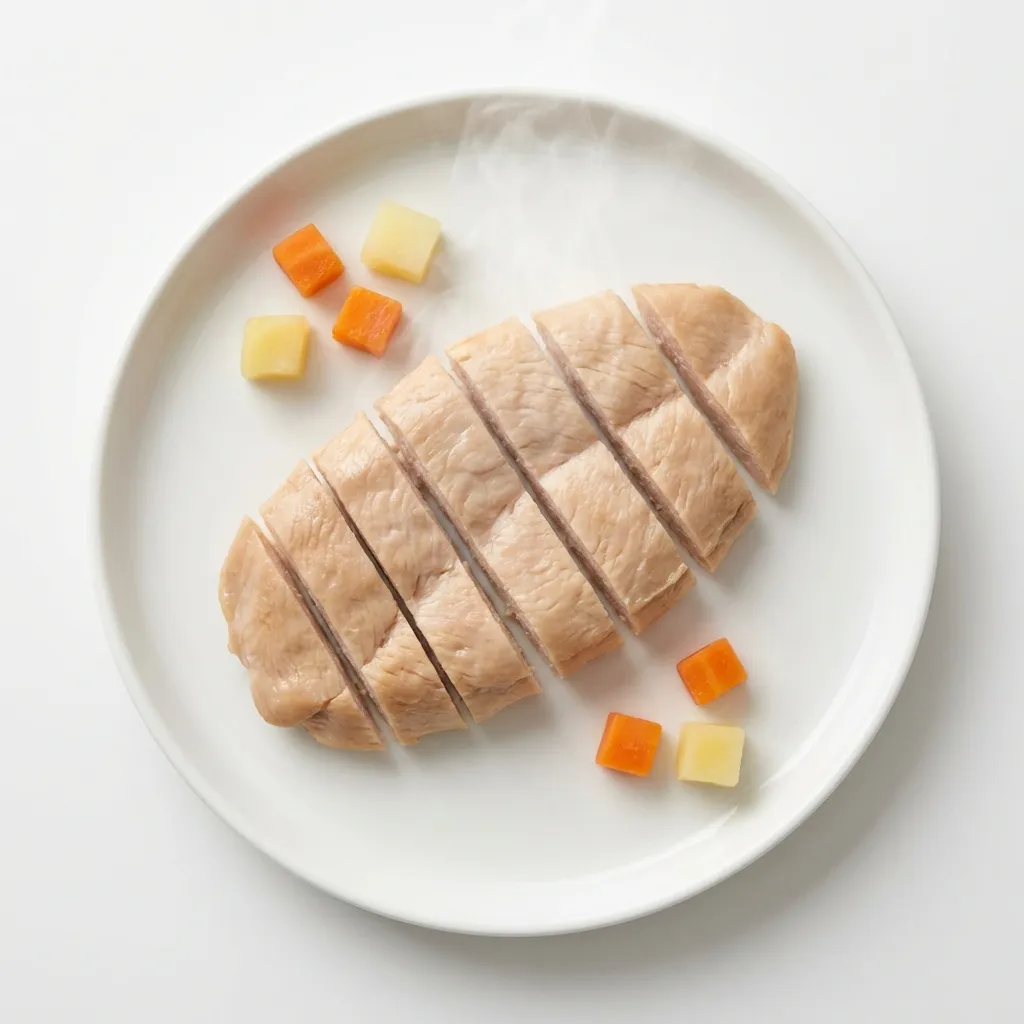
Turkey
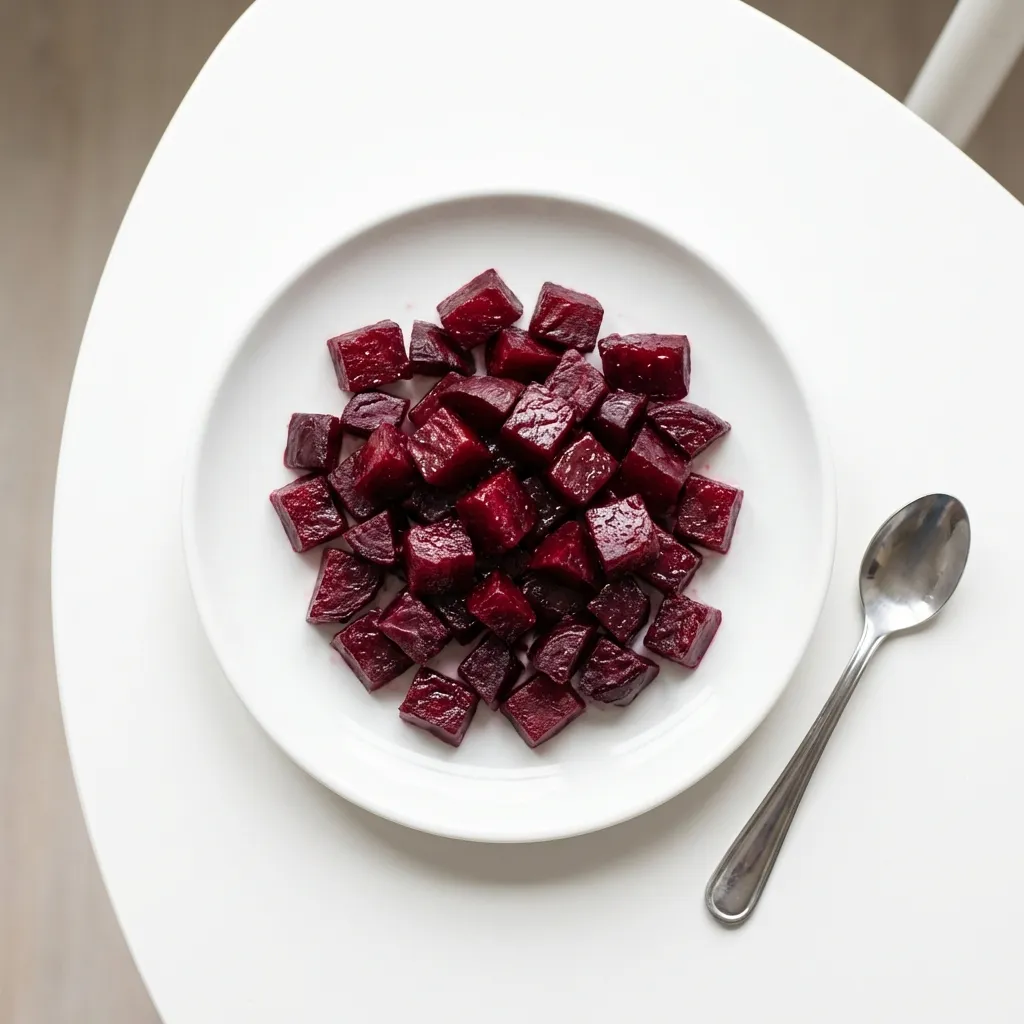
Turnip
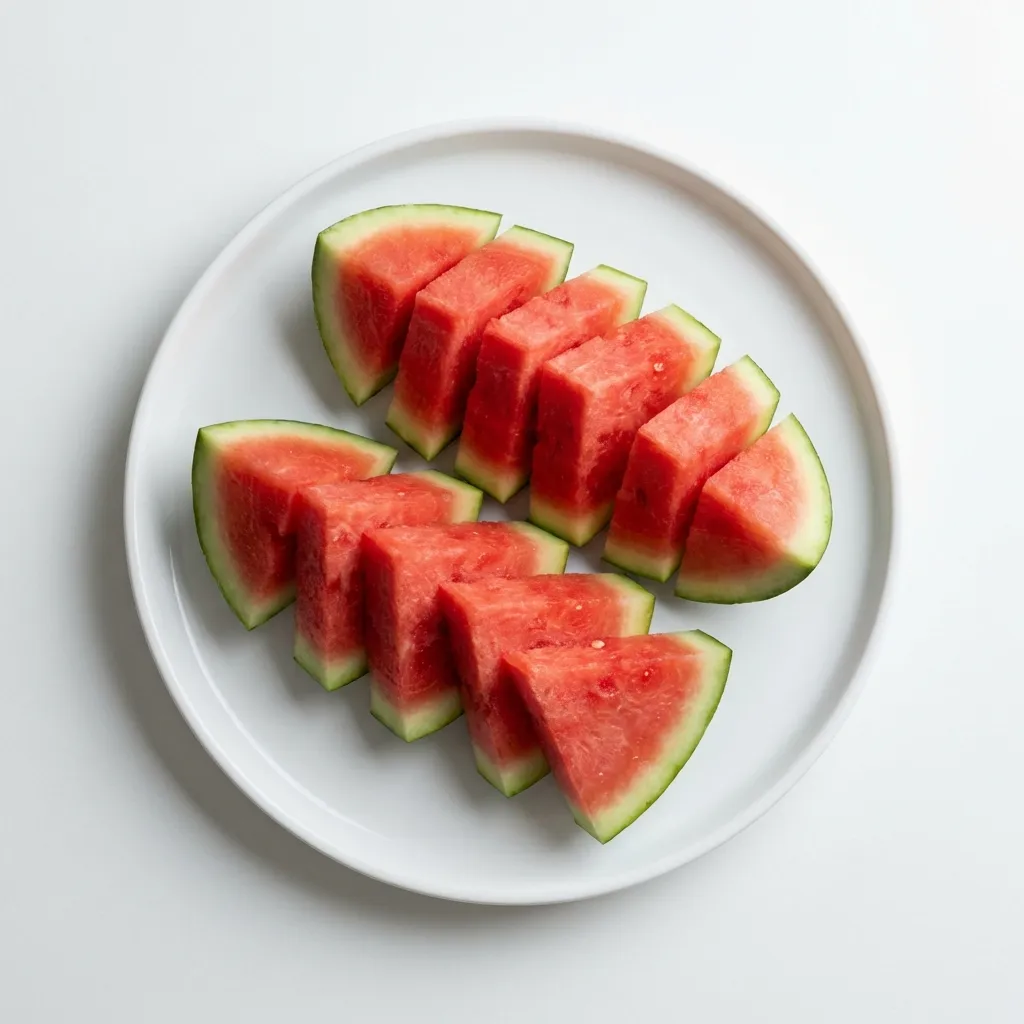
Watermelon
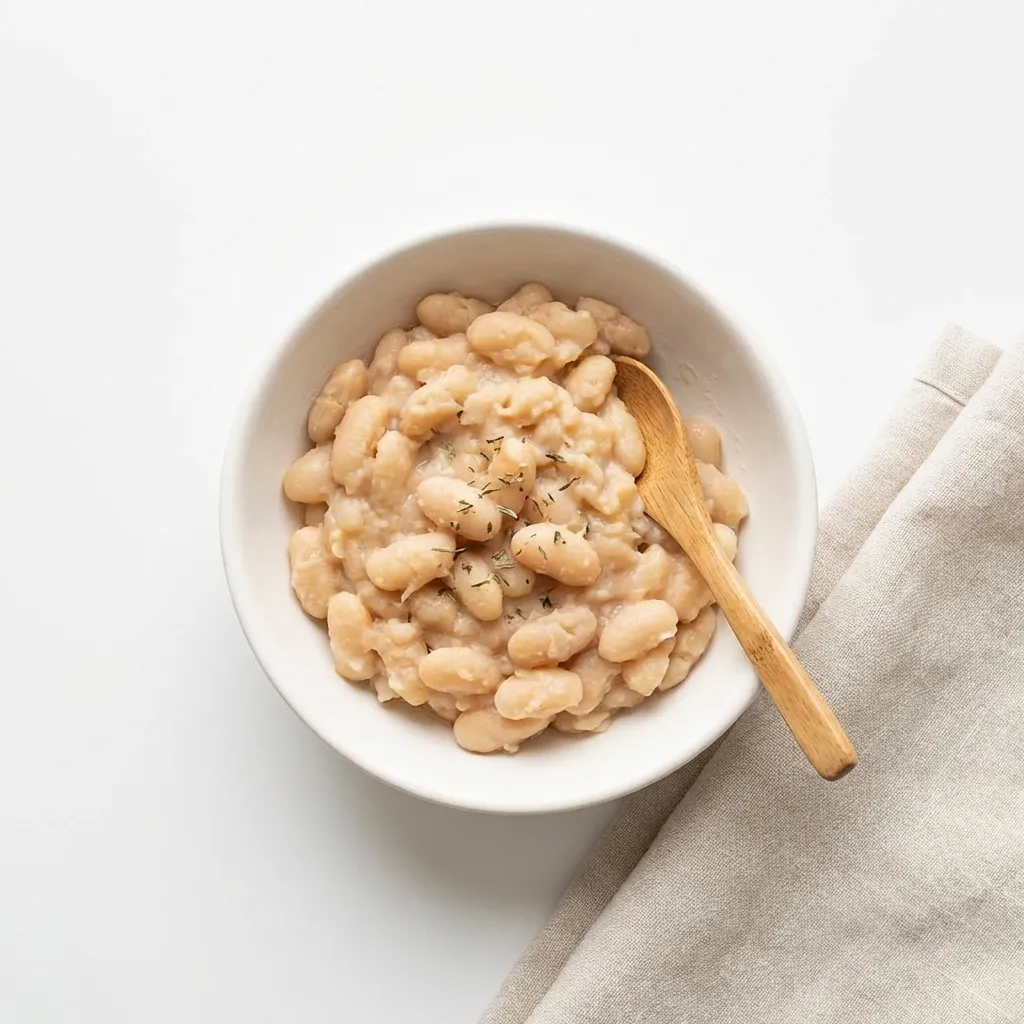
White Beans
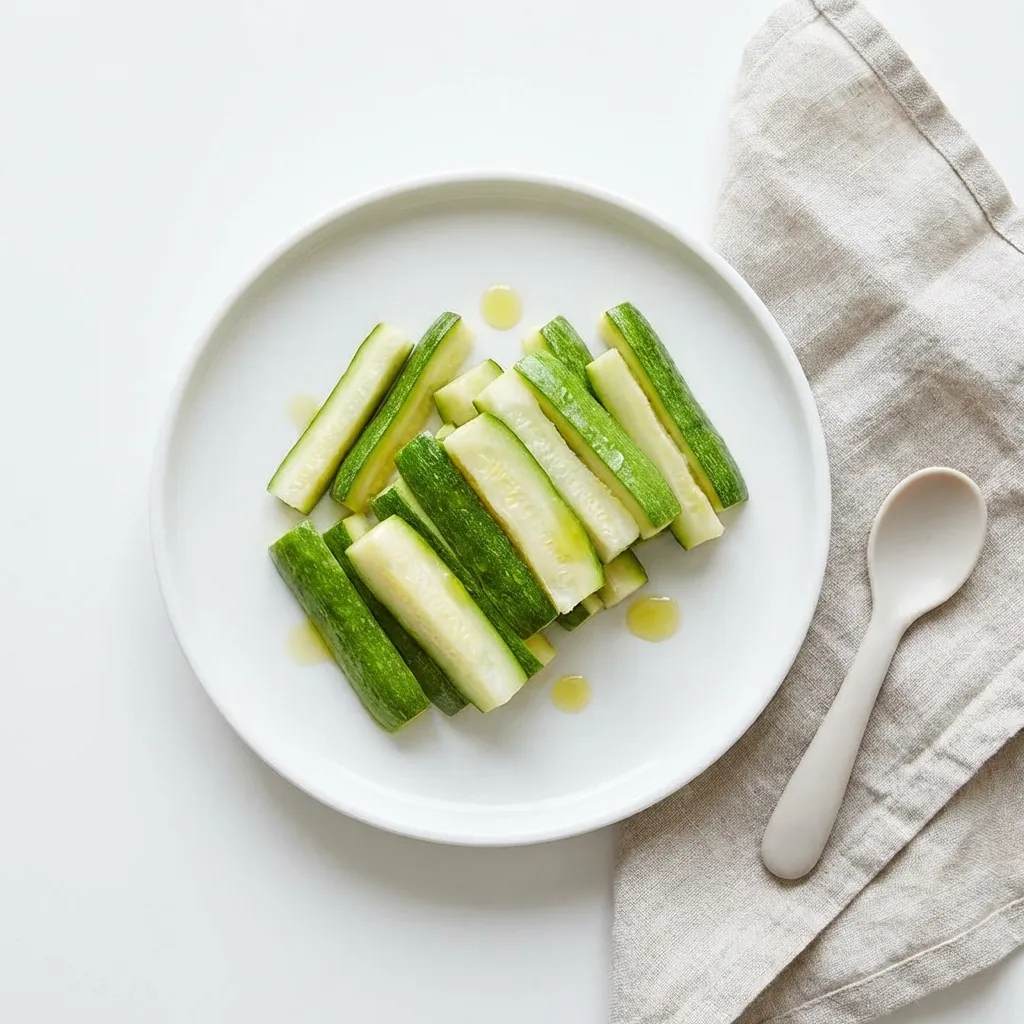
Zucchini
Frequently Asked Questions
Answers synthesized from CDC, AAP, Health Canada, Canadian Paediatric Society, Alberta Health Services, NHS, and WHO references.
Why are bigger spears safer than tiny bites at 6 months?
At 6–7 months, babies hold food in a closed fist (palmar grasp) and cannot pick up tiny cubes easily. Long, soft spears stick out of baby’s fist so they can bring food to their mouth, practice biting off soft pieces, and map the edges of their mouth safely—whereas coin-shaped slices can slip straight to the back of the throat.
What is the BLW squish test?
Before placing any finger food on the highchair tray, press it between your thumb and forefinger using gentle pressure. If it mashes flat effortlessly (like ripe avocado or thoroughly steamed sweet potato), gums can break it down; if it stays crisp, bouncy, or snaps, cook longer or modify it.
Can I mix spoon-fed purees and BLW finger foods?
Yes. Many families follow a combo approach—offering pre-loaded spoons of iron-fortified oatmeal, lentils, or plain yogurt alongside soft BLW vegetable florets, tofu strips, or omelet strips. Official guidelines focus on nutrition, safe textures, and responsive cues rather than strict method labels.
Does baby need teeth for BLW finger foods?
No. Babies chew soft finger foods effectively using their strong rear gums long before molars erupt around 12–18 months, as long as every food passes the finger squish test.
Explore More Feeding Hubs
Browse by Age Stage & Safety Priority
6-Month First Foods
Age Stage · 6–8 Months
9-Month Finger Foods
Age Stage · 9–12 Months
Iron-Rich Foods
Nutrient Priority · Iron-First
Top 9 / 11 Allergens
Allergy Safety · US Top 9 & CA Priority 11
Choking Hazards
Safety Priority · Modify Before Serving
Official Public-Health Sources Cited
- Centers for Disease Control and Prevention (CDC):Choking Hazards and Safe Food Preparation
- Health Canada:Nutrition for Healthy Term Infants: Feeding Skills & Finger Foods
- NHS Start for Life:Weaning: Finger Foods & Safe Self-Feeding
How to Use This Information
This content summarizes official health guidelines from CDC, American Academy of Pediatrics, and Health Canada. We organize their recommendations—we don't create our own. Official guidelines are general; your child's needs may differ.
⚠️ Important:
- •Always consult your pediatrician before introducing new foods, especially if your child has a history of allergies, medical conditions, or special dietary needs.
- •Every child is different. Readiness for foods varies by individual development, not just age.
- •In emergencies, call 911 or your local emergency number immediately.
Based on guidelines from: