
First Foods for 6-Month-Olds
Quick Answer · Official Public-Health Synthesis
Most healthy term infants are ready to start solid foods around 6 months once they sit with minimal support, hold their head steady, show interest in food, and bring objects to their mouth. Start with iron-rich foods, soft mashes, or fork-tender two-finger-width spears—always with zero added salt, no added sugar, and no honey before 12 months.
- Confirm developmental readiness signs before starting—not just calendar age.
- Pass the squish test: every cooked piece should mash effortlessly between your thumb and forefinger.
- Offer iron-rich foods early and often alongside breast milk or infant formula.
- Avoid honey (infant botulism risk), added salt, added sugars, and unpasteurized dairy under 12 months.
US vs. Canada Official Guideline Notes
Curated from public-health agencies — non-clinical referenceUnited States (CDC & AAP)
CDC and AAP recommend introducing nutrient-dense solid foods around 6 months while continuing breast milk or formula. There is no required single order of first foods, though iron- and zinc-rich foods (fortified cereals, meats, legumes) and early common allergens are emphasized.
Canada (Health Canada, CPS & Alberta Health Services)
Health Canada and CPS explicitly recommend starting at about 6 months with iron-rich foods first (meat, poultry, fish, tofu, legumes, eggs, or iron-fortified infant cereal) offered at least twice daily, progressing quickly from purees to mashed and soft finger textures.
Key Takeaway: Both US and Canadian guidelines agree: start around 6 months when readiness signs are met, prioritize iron, skip honey and salt, and keep breast milk or formula as the primary nutrition source through 12 months.
6-Month First Foods Directory (71)
Select any food for exact 6–8m, 9–12m, and 12m+ cut sizes, textures, and official safety notes.
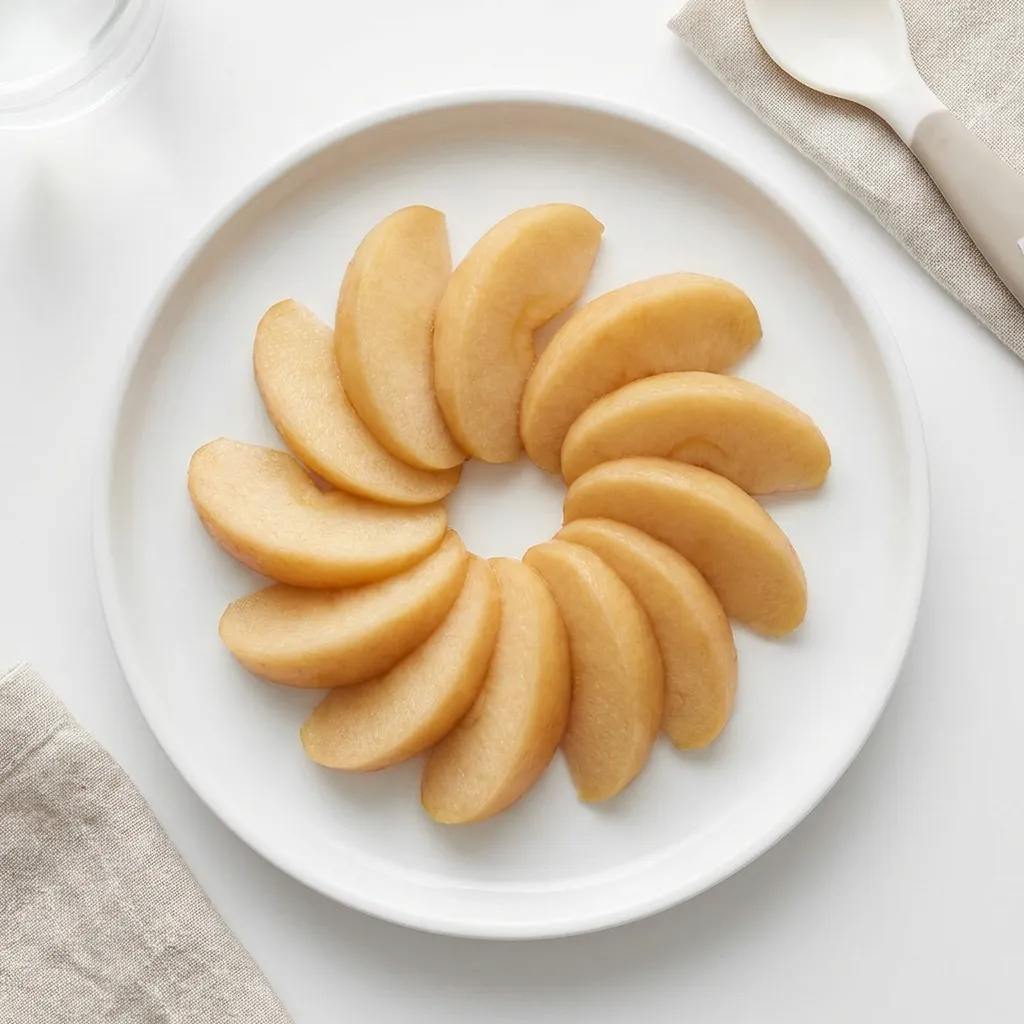
Apple
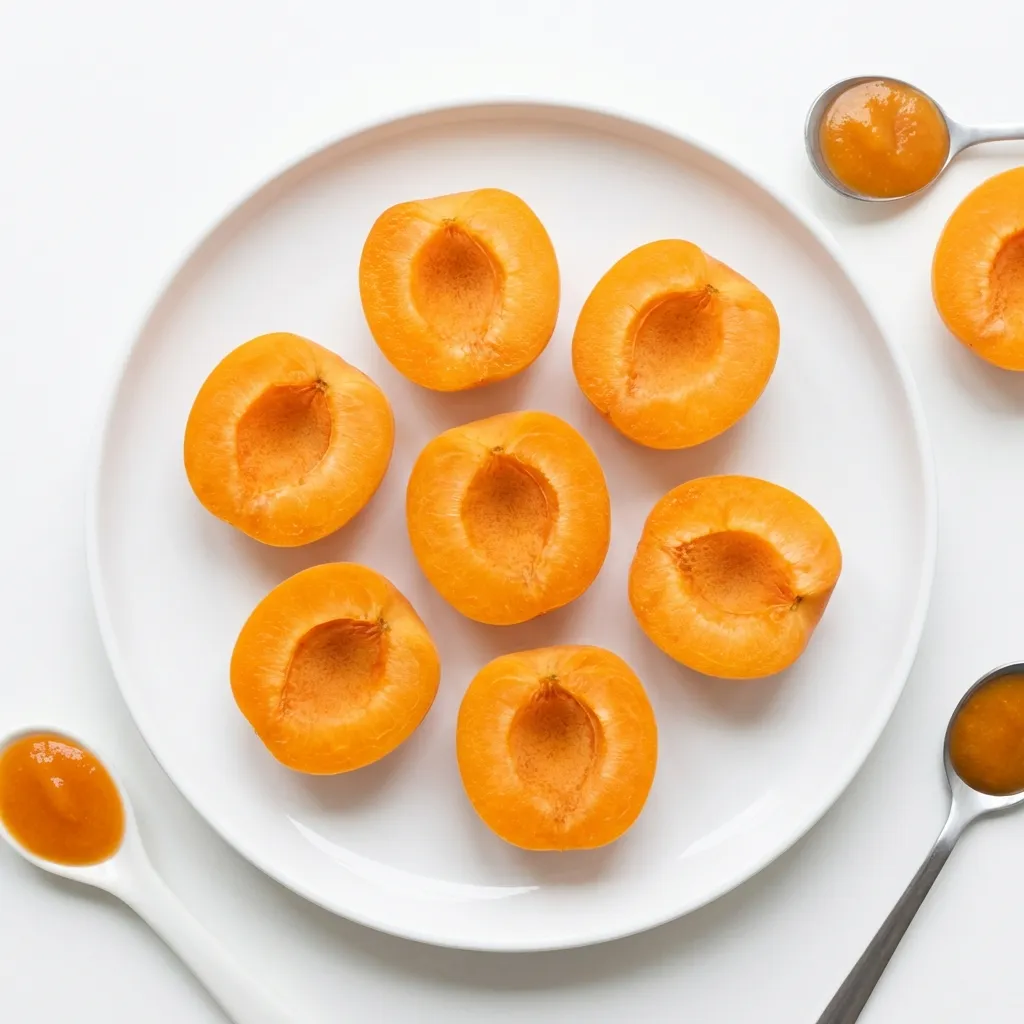
Apricot
Artichoke
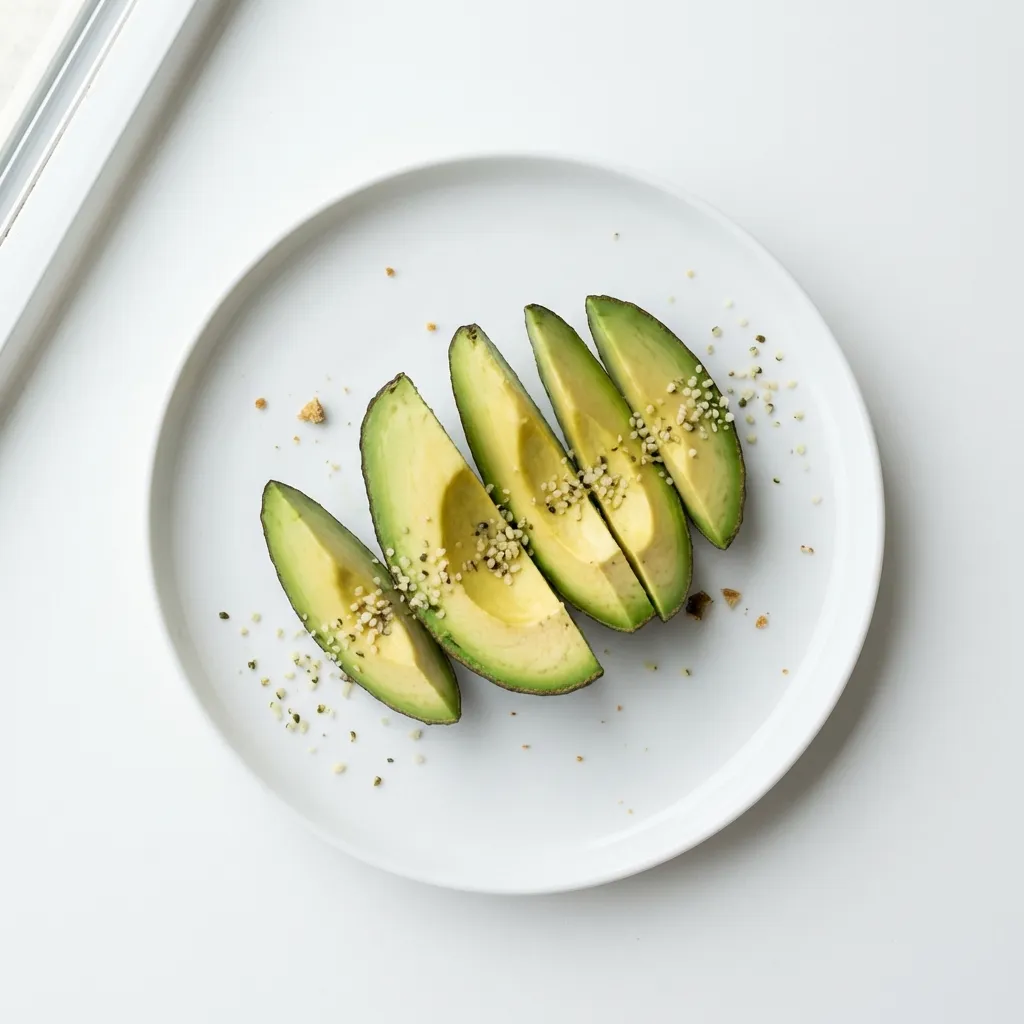
Avocado
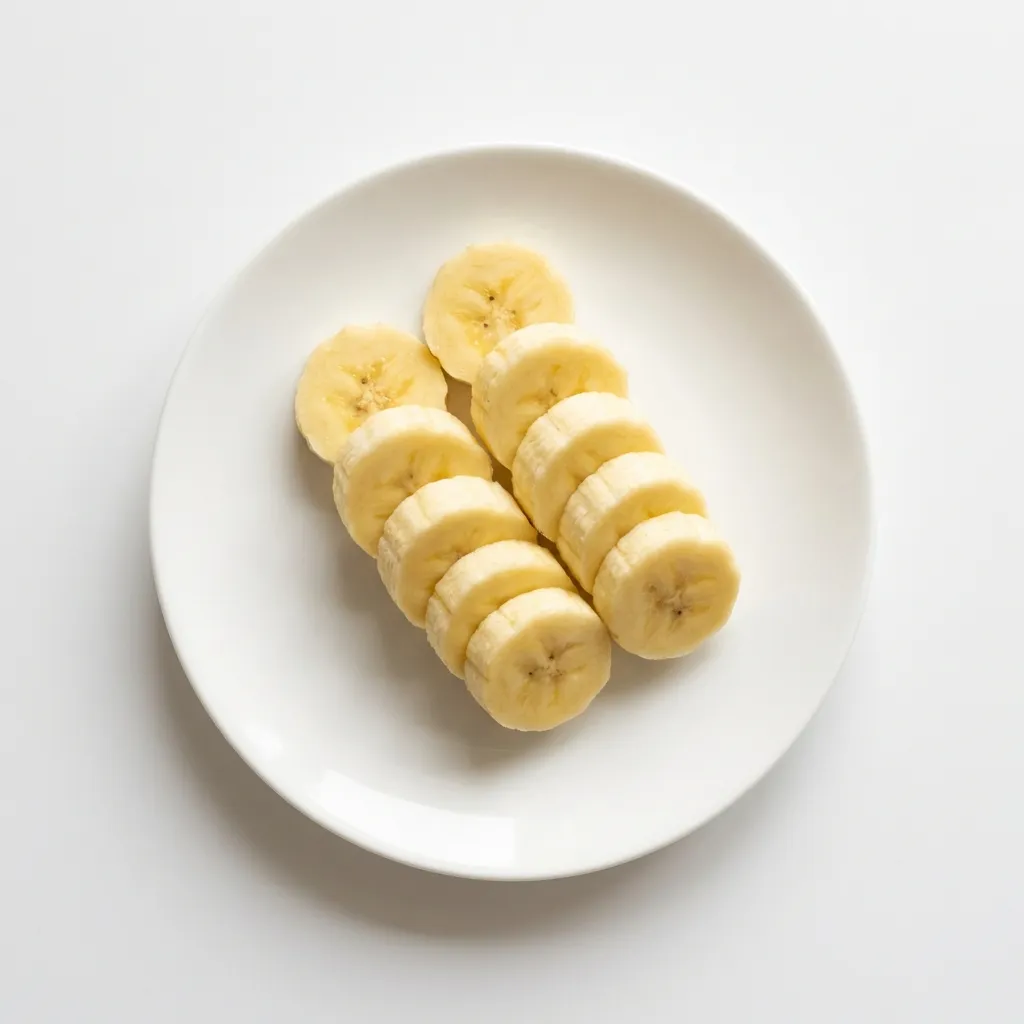
Banana
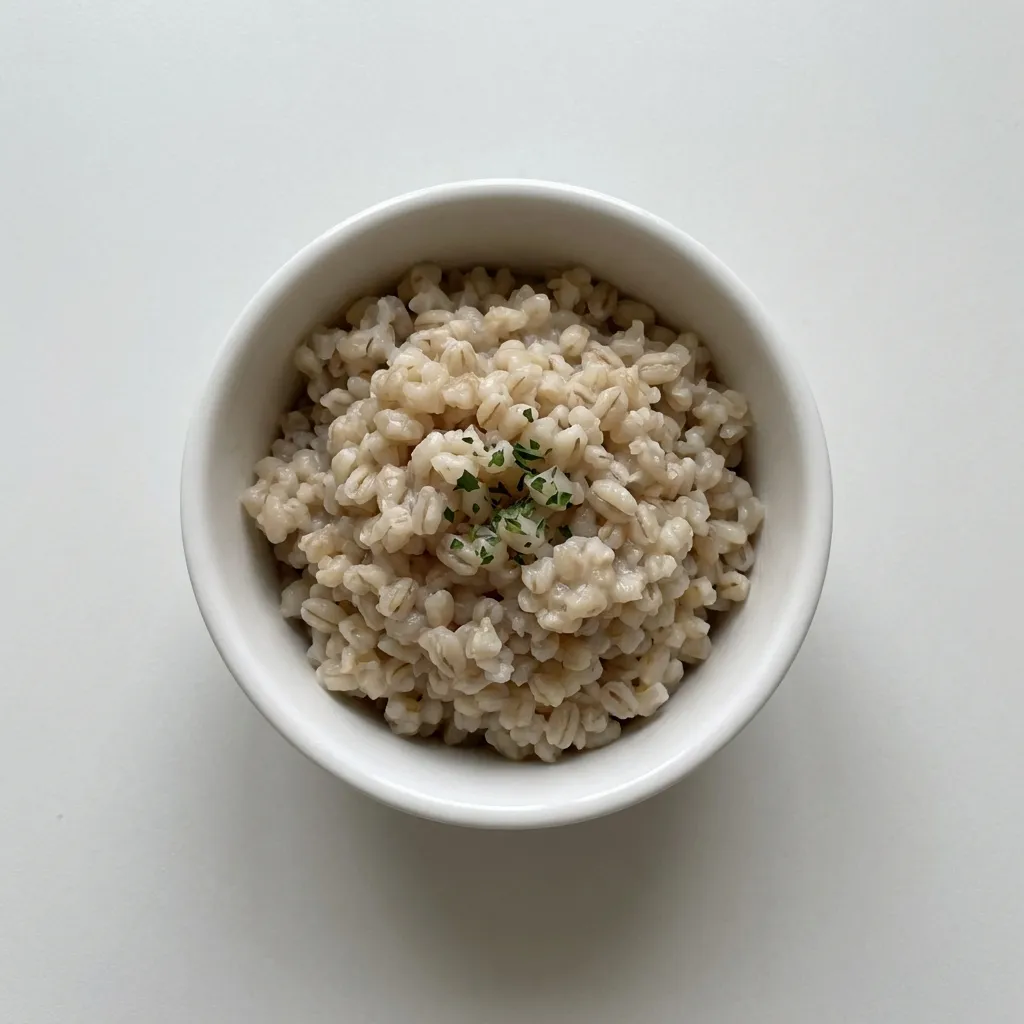
Barley
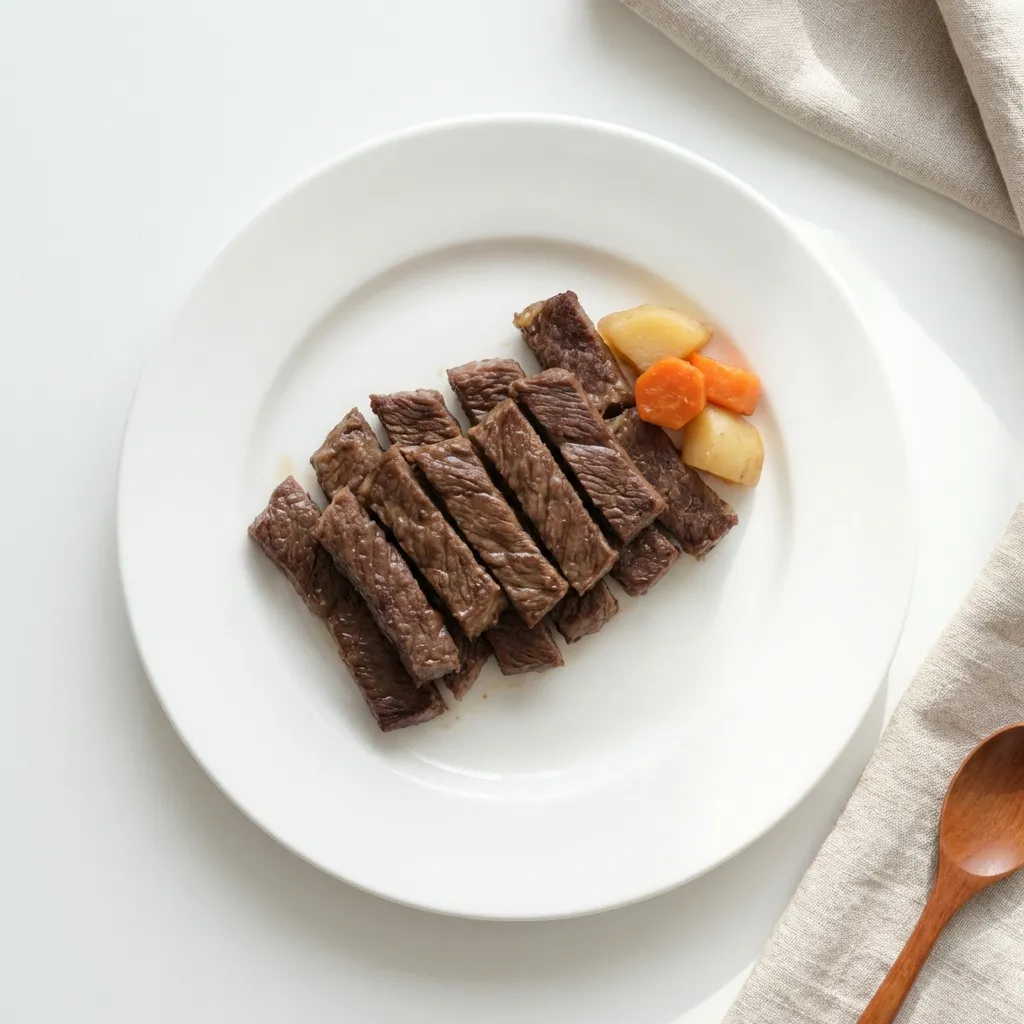
Beef
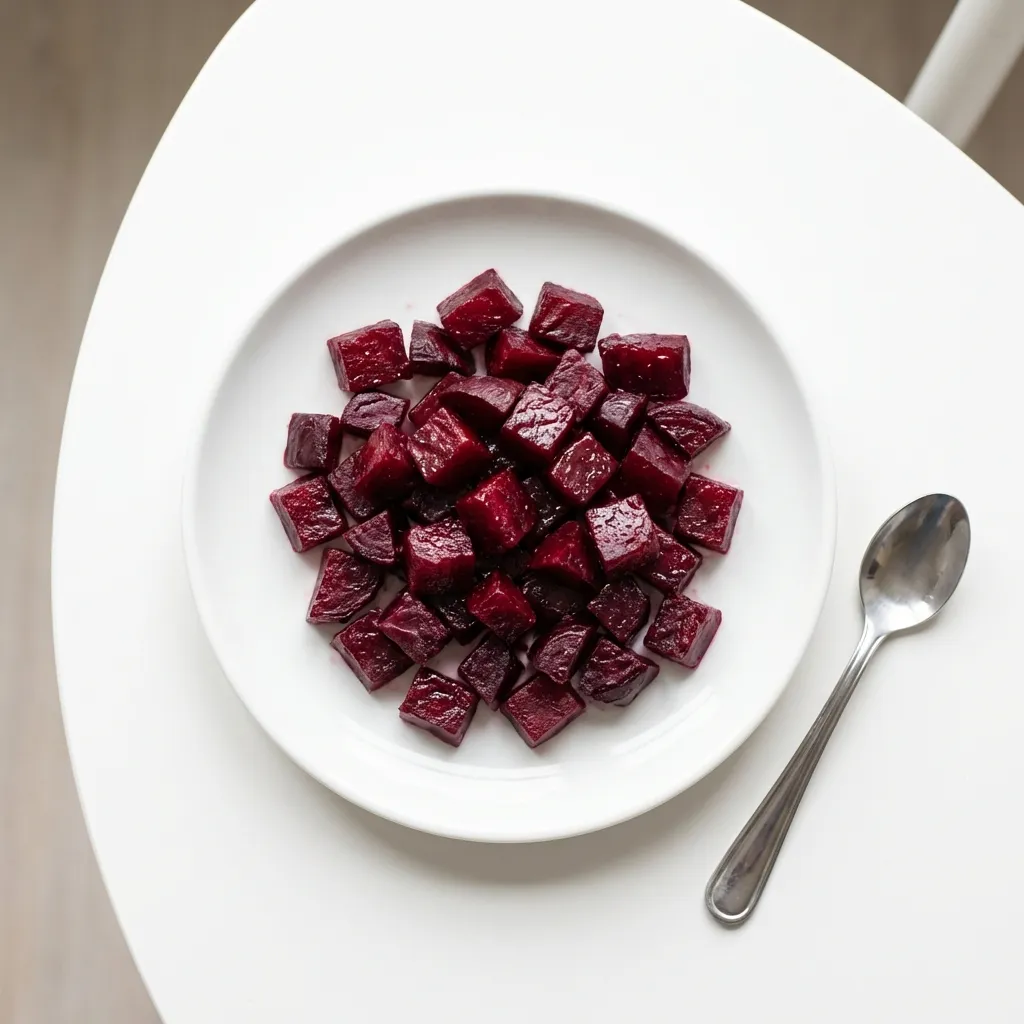
Beets
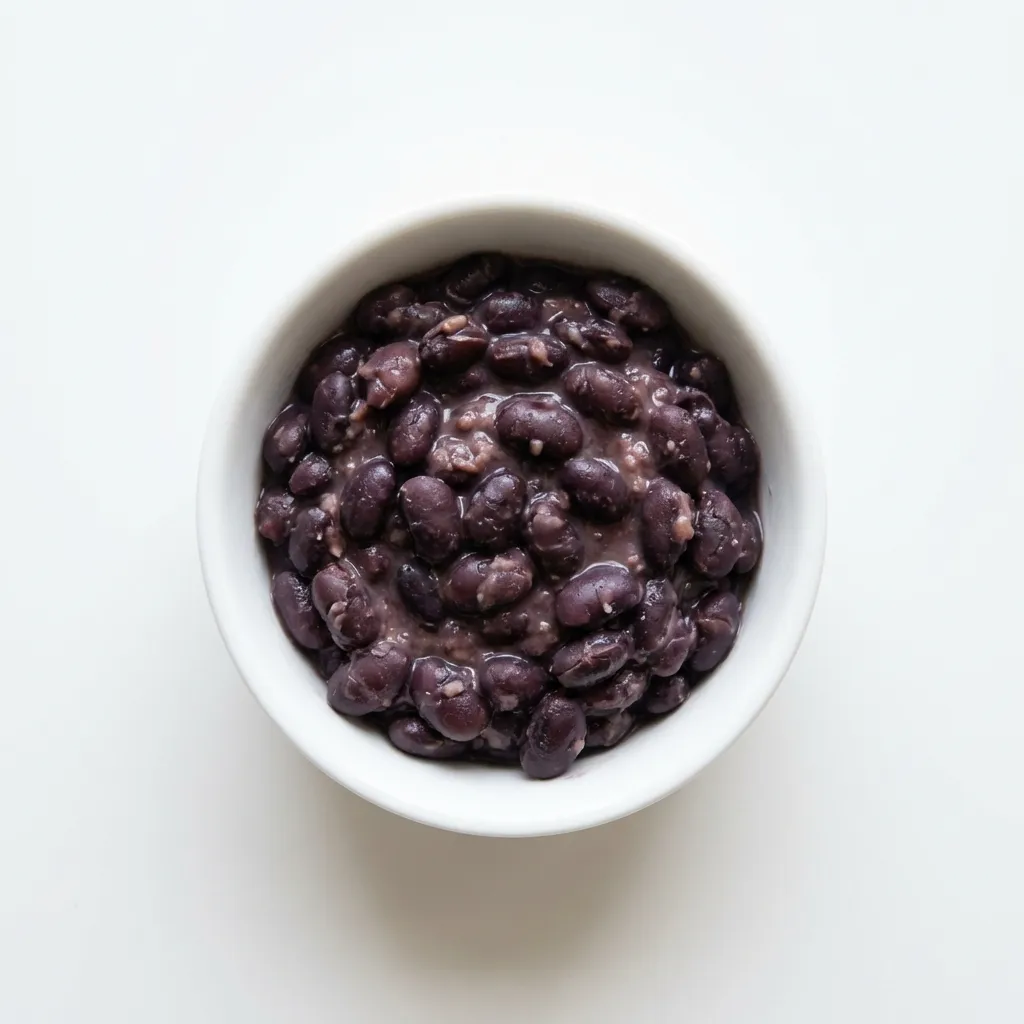
Black Beans
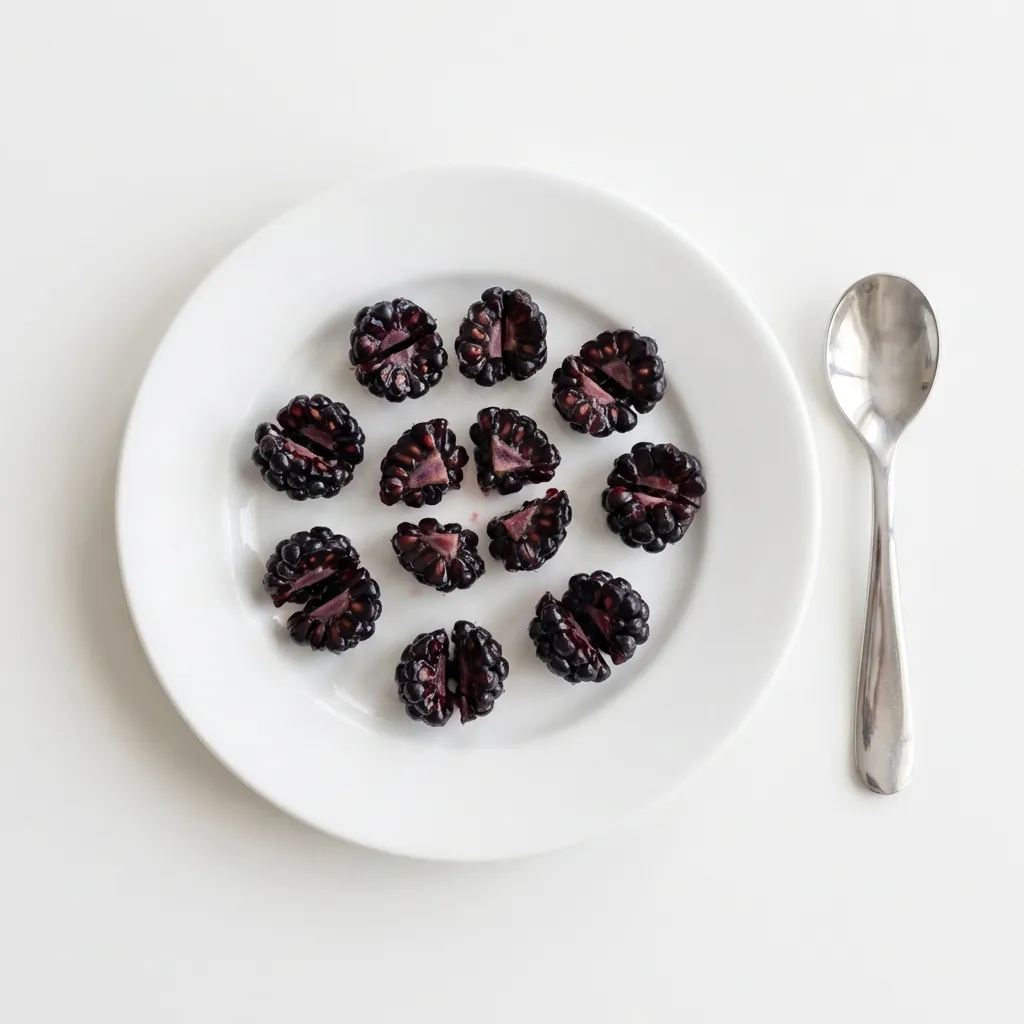
Blackberry
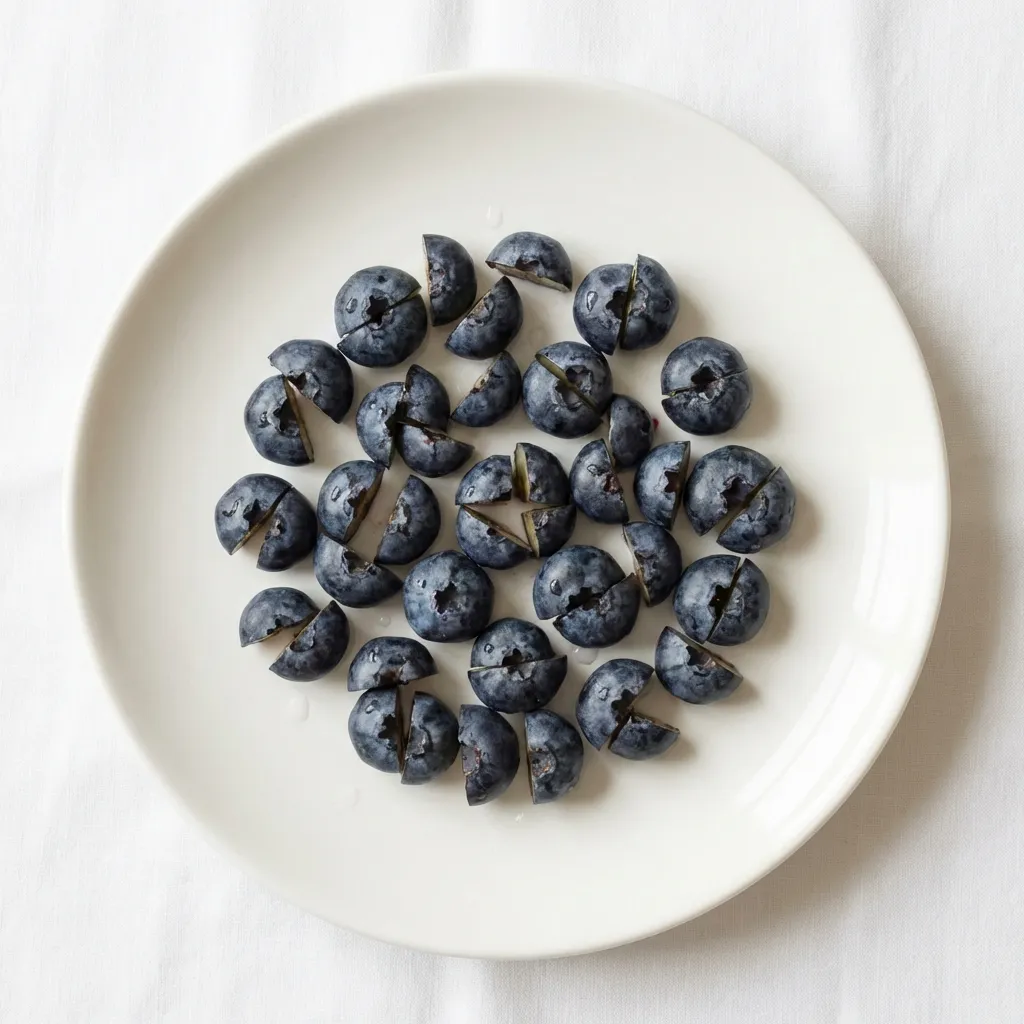
Blueberry
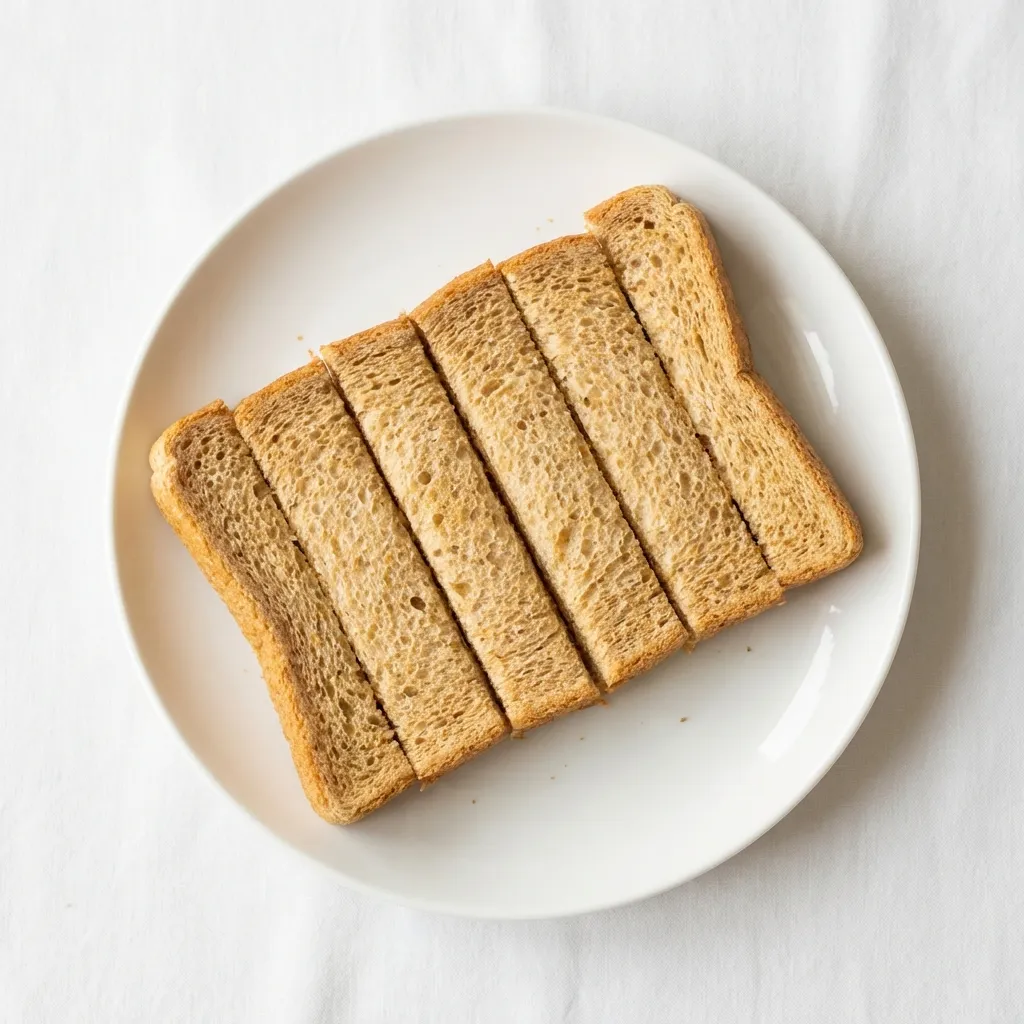
Bread
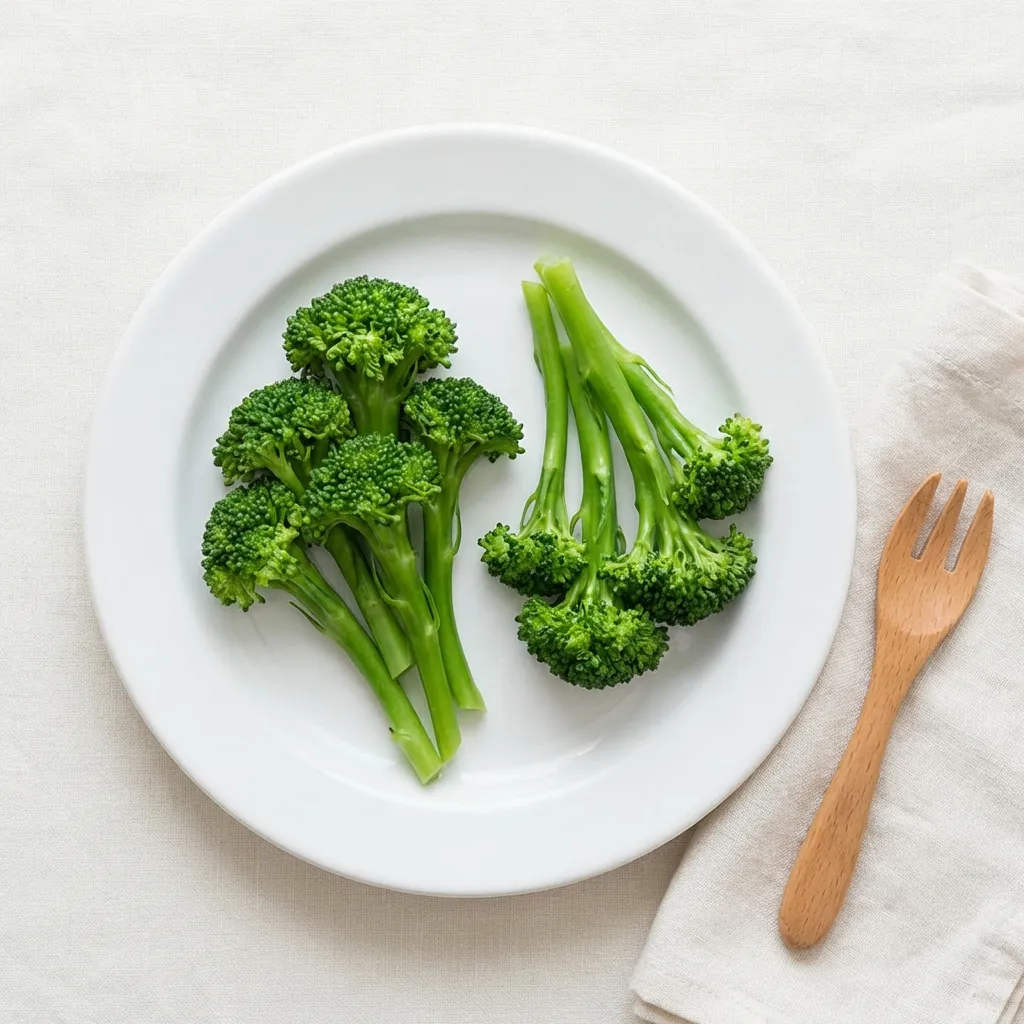
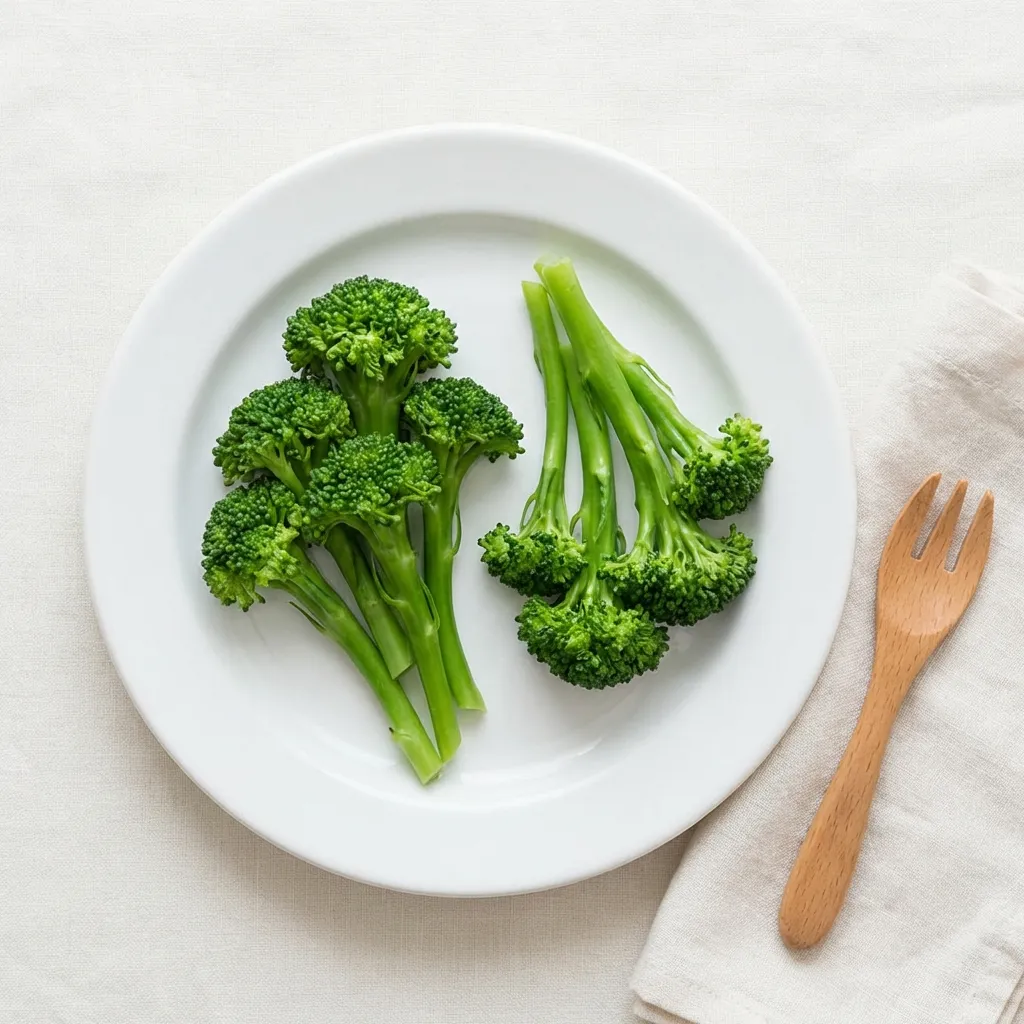
Broccoli
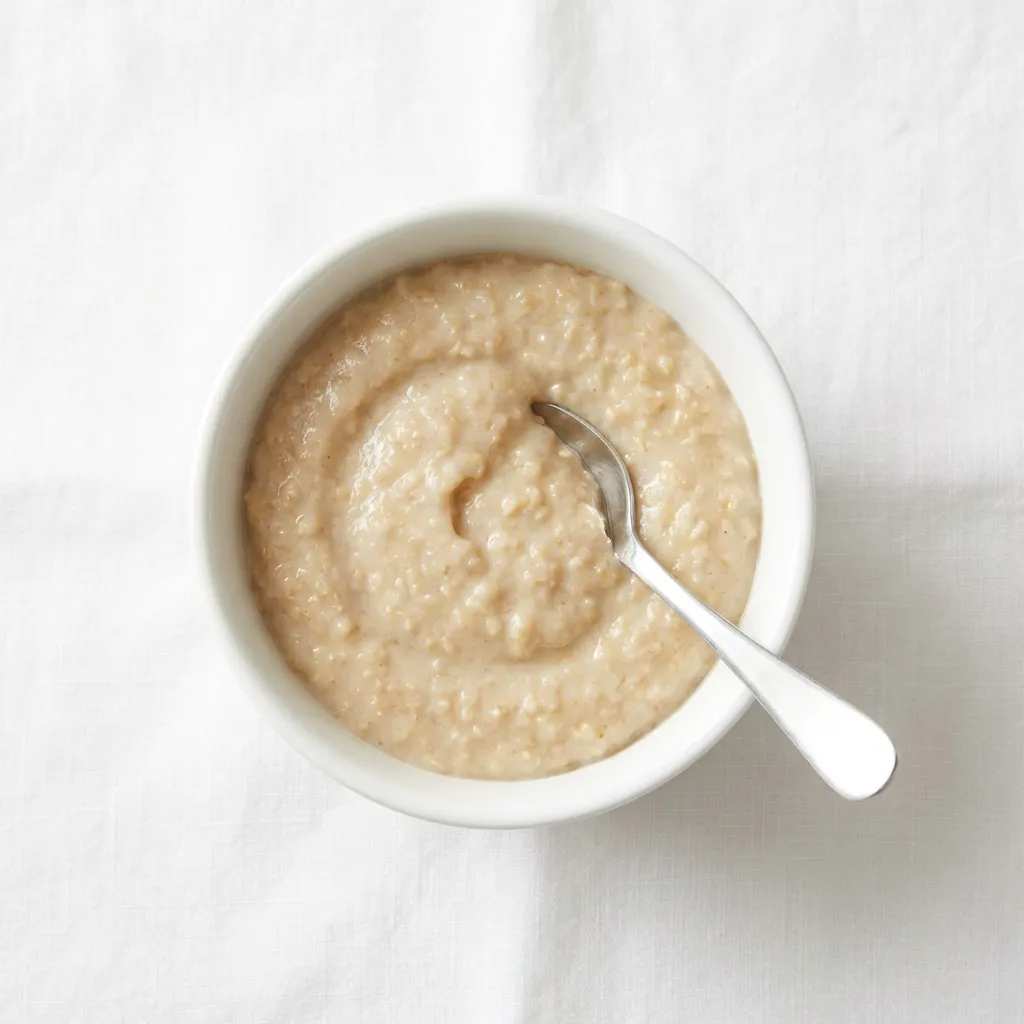
Buckwheat
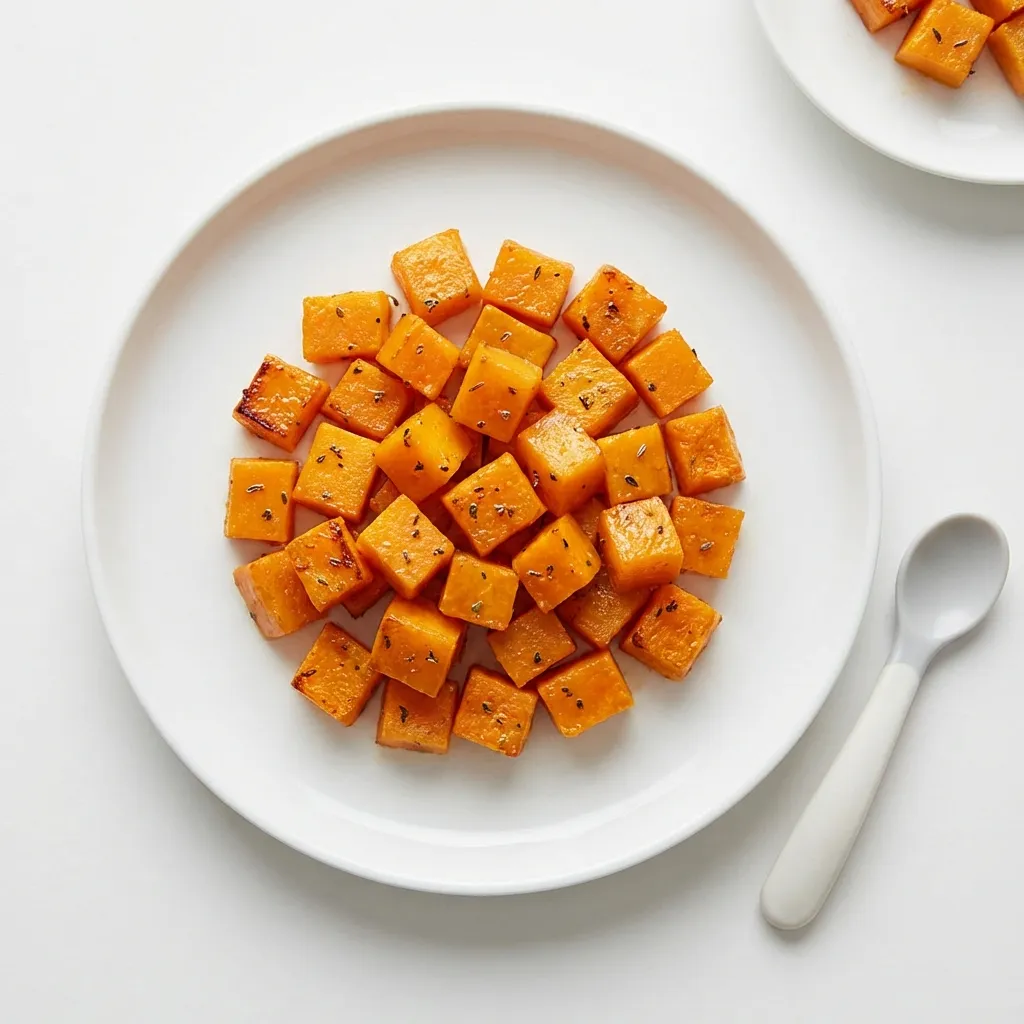
Butternut Squash
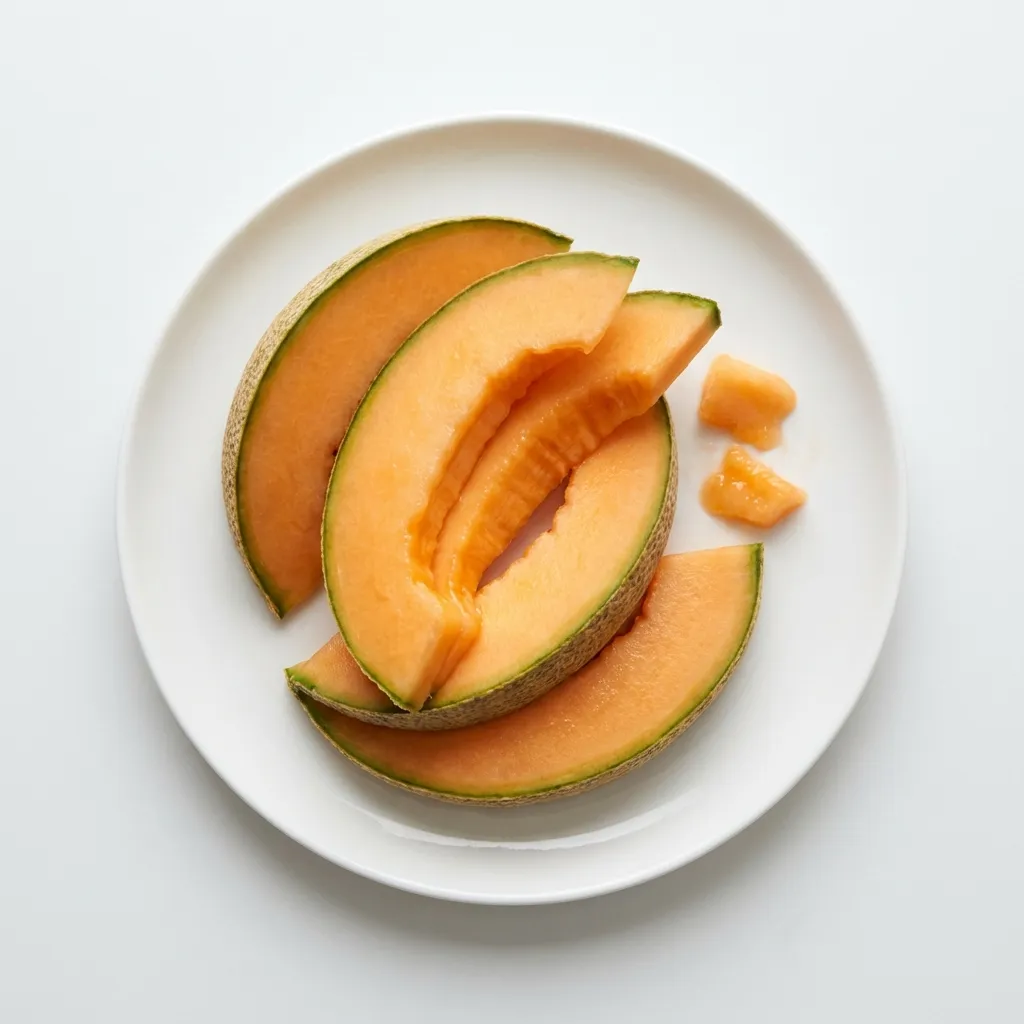
Cantaloupe
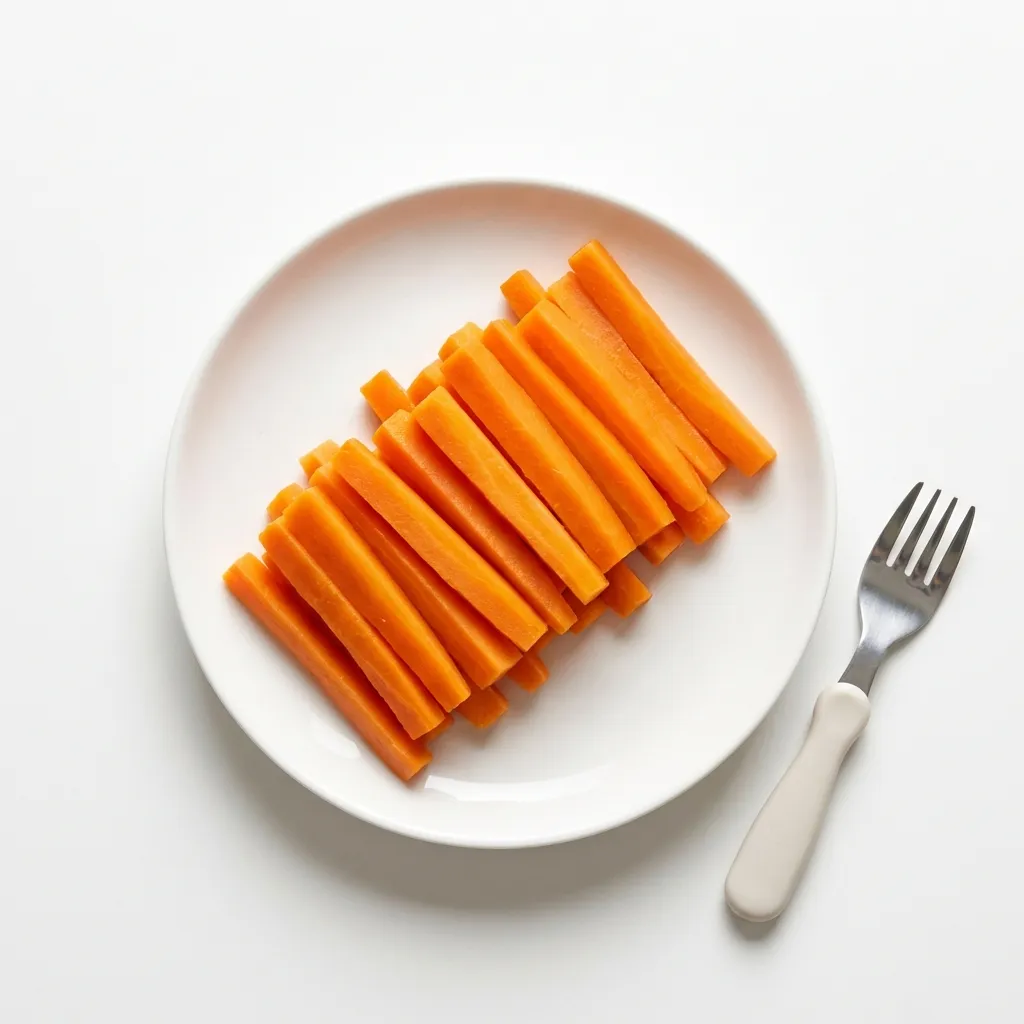
Carrot
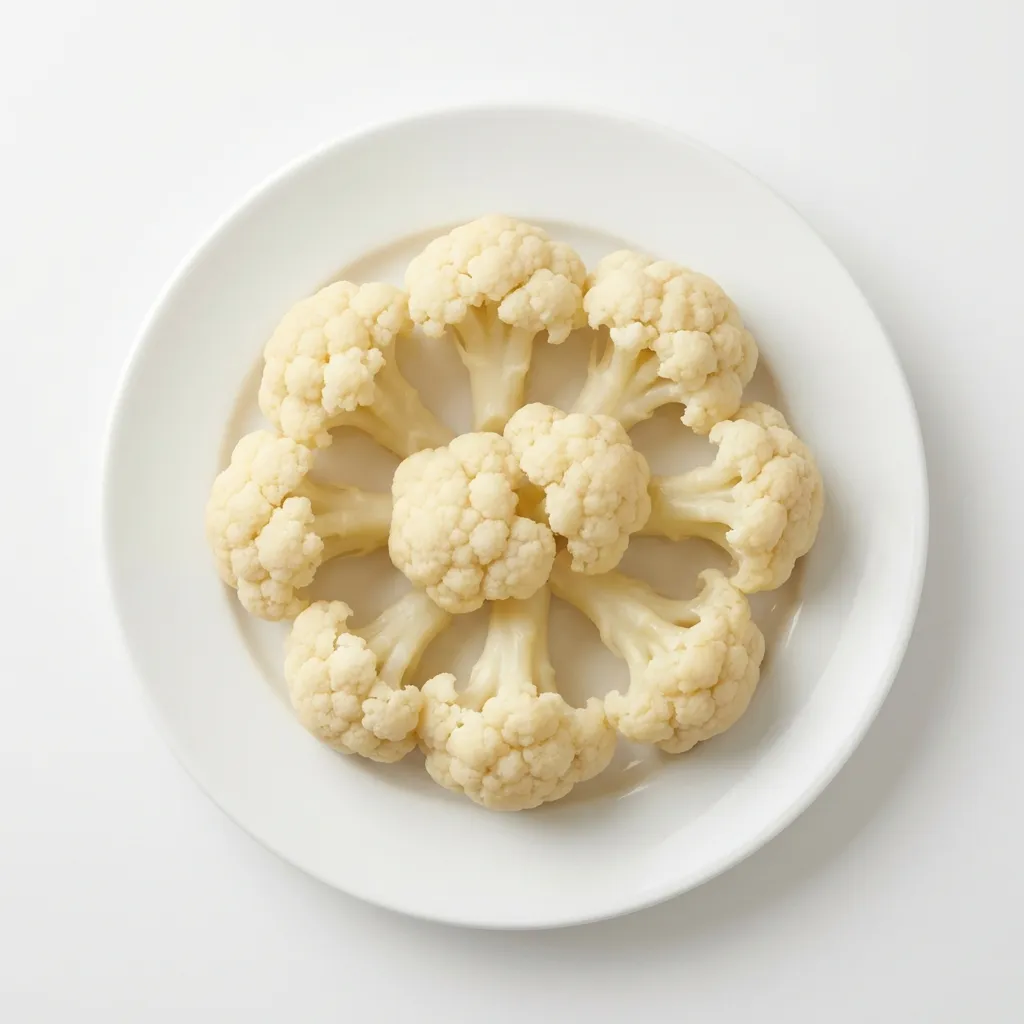
Cauliflower
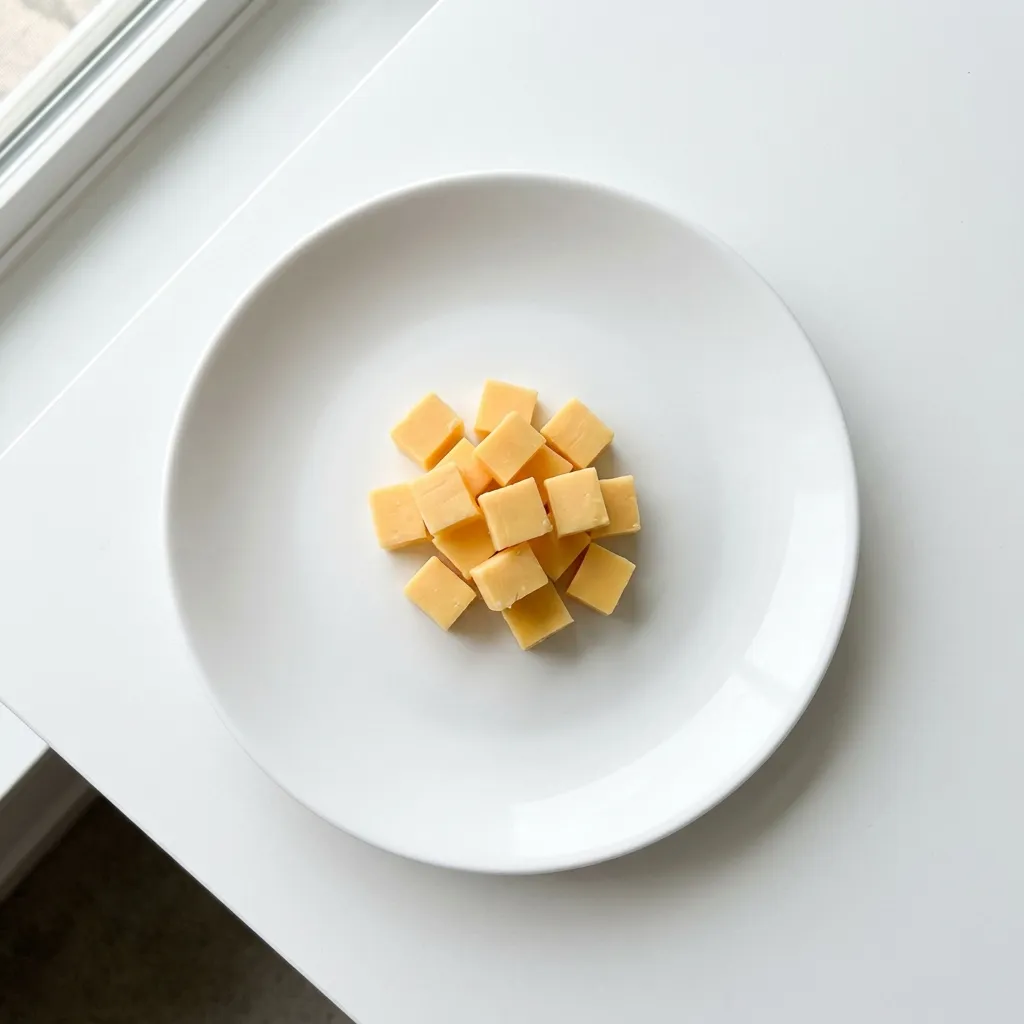
Cheese
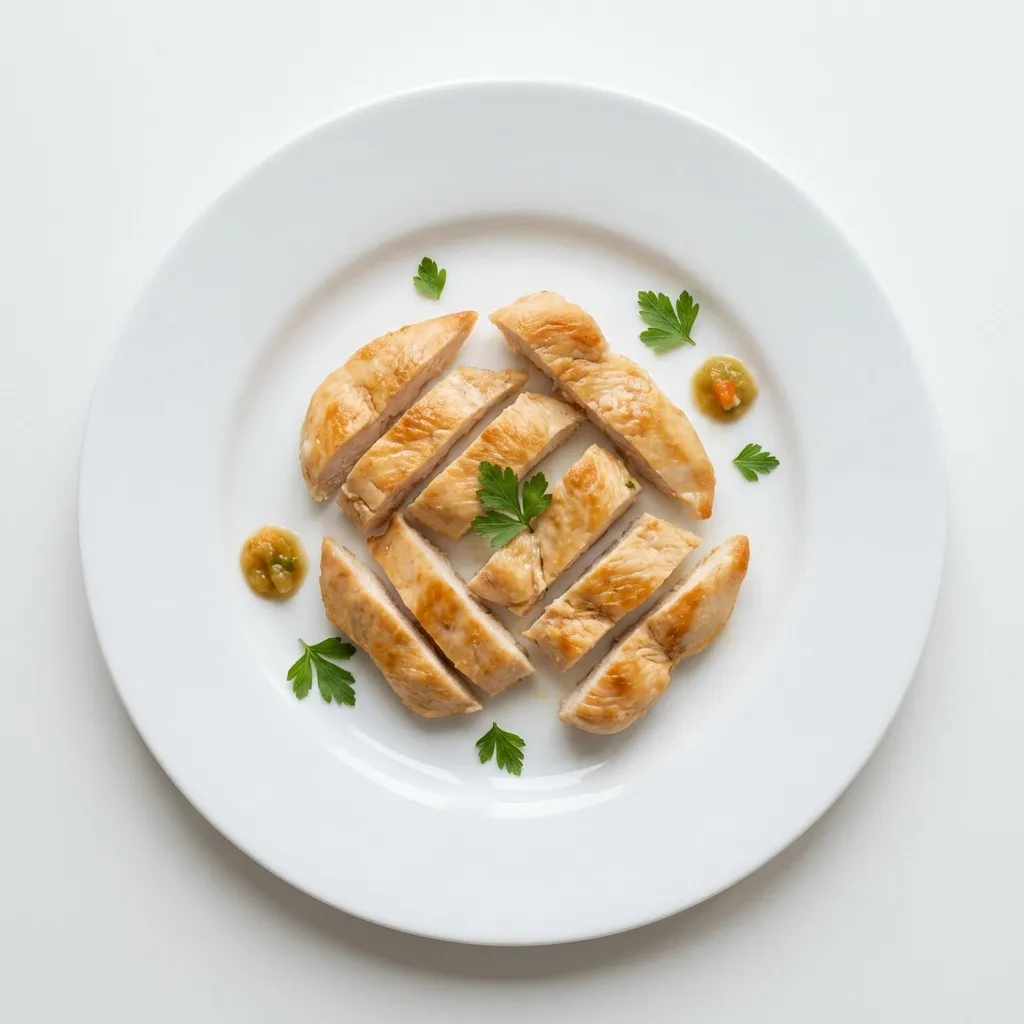
Chicken
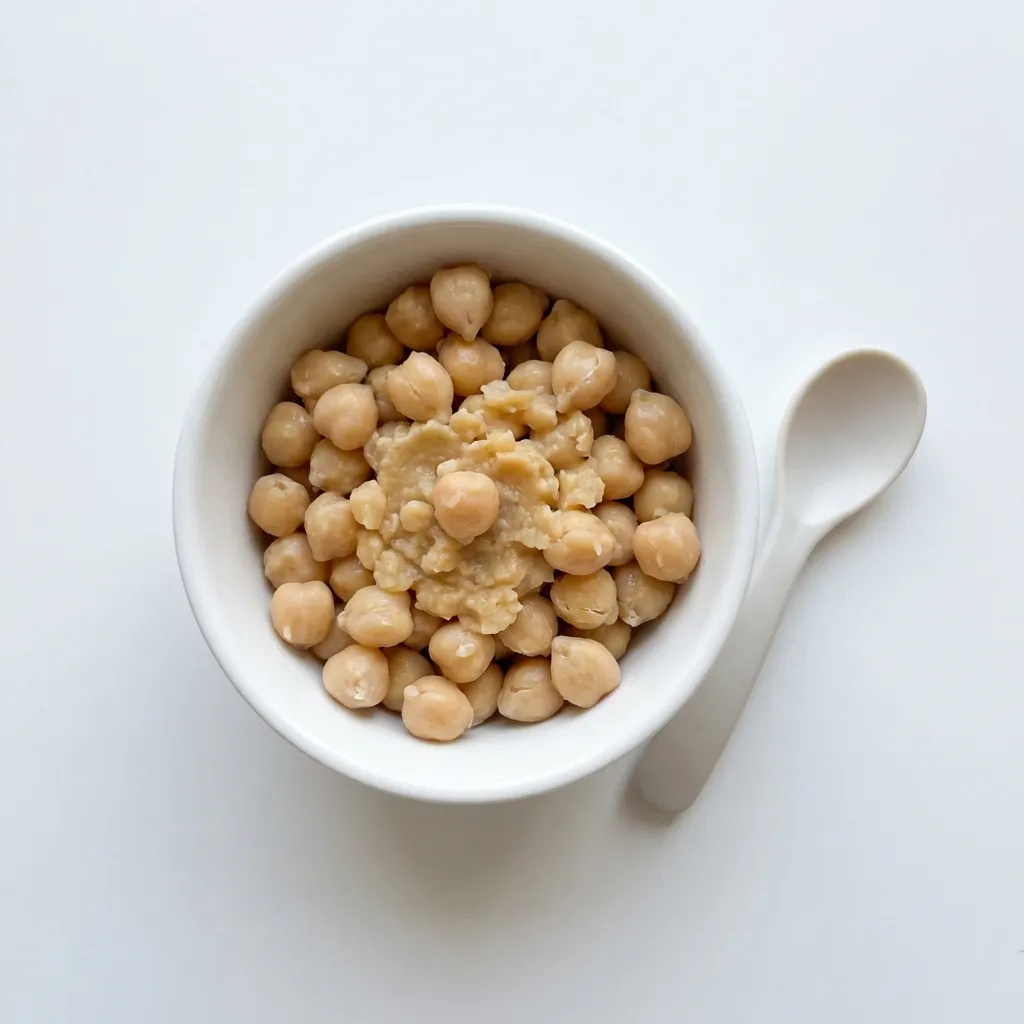
Chickpeas
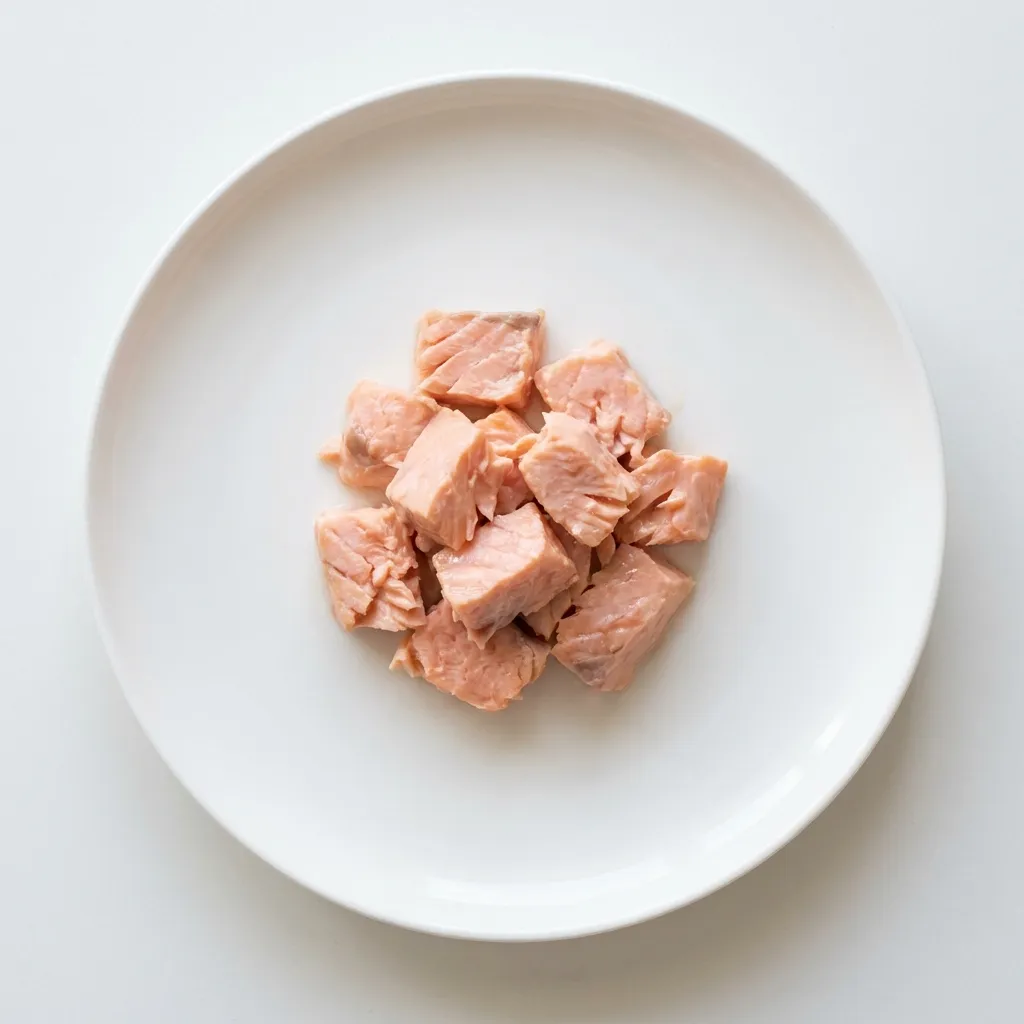
Cod (White Fish)
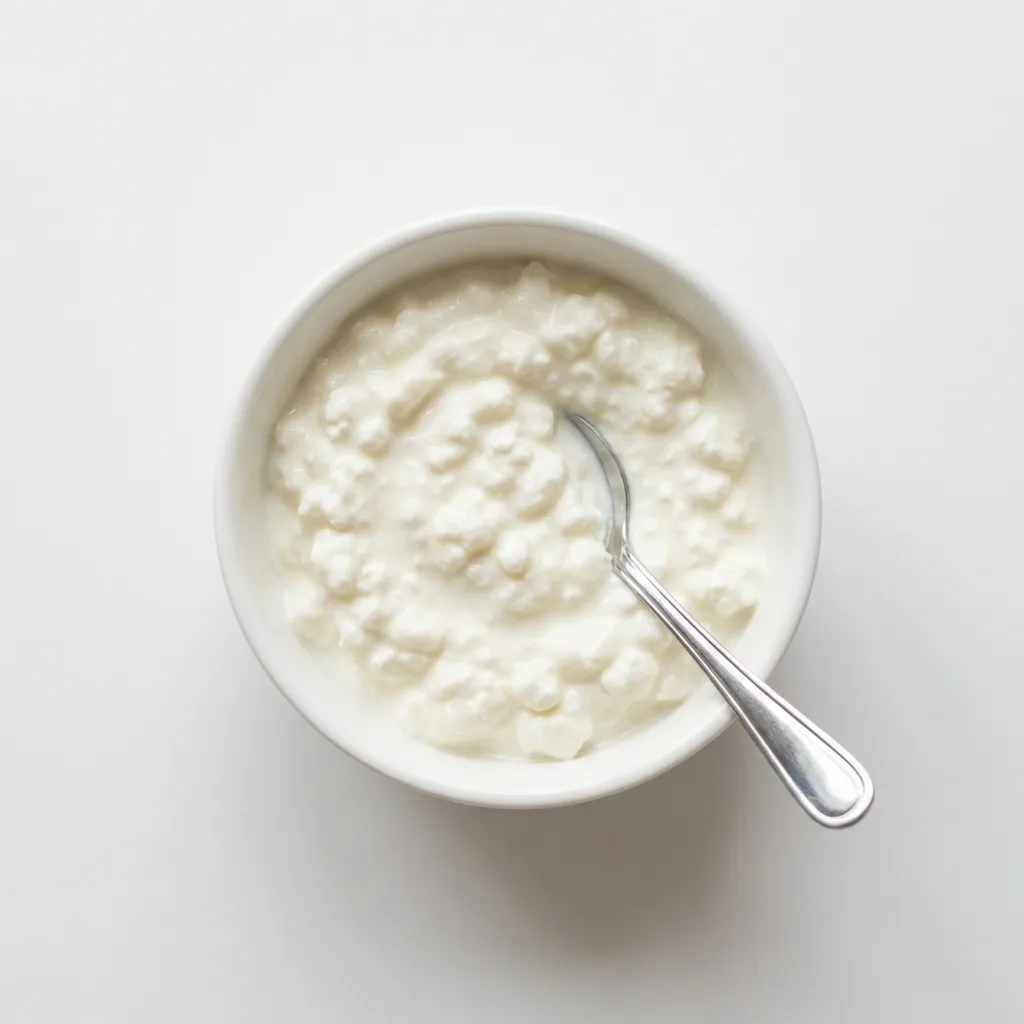
Cottage Cheese
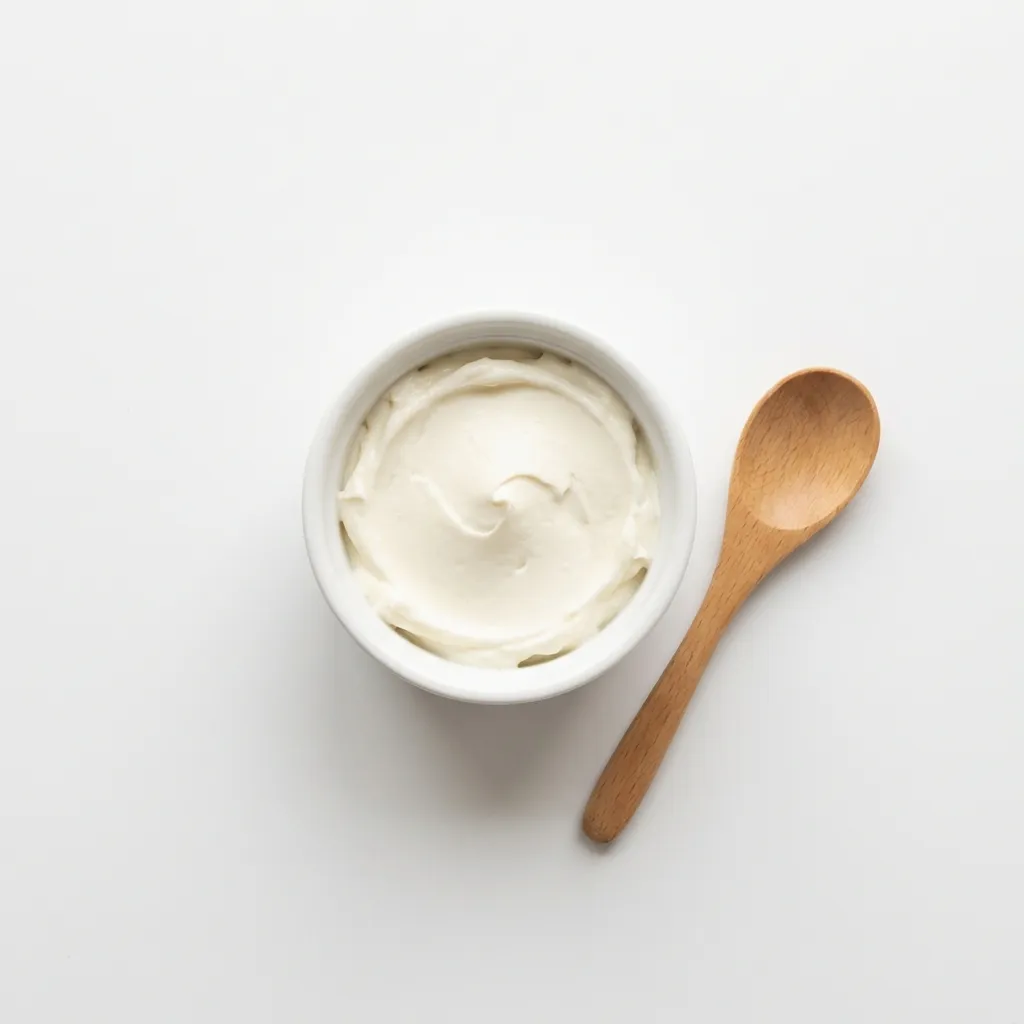
Cream Cheese
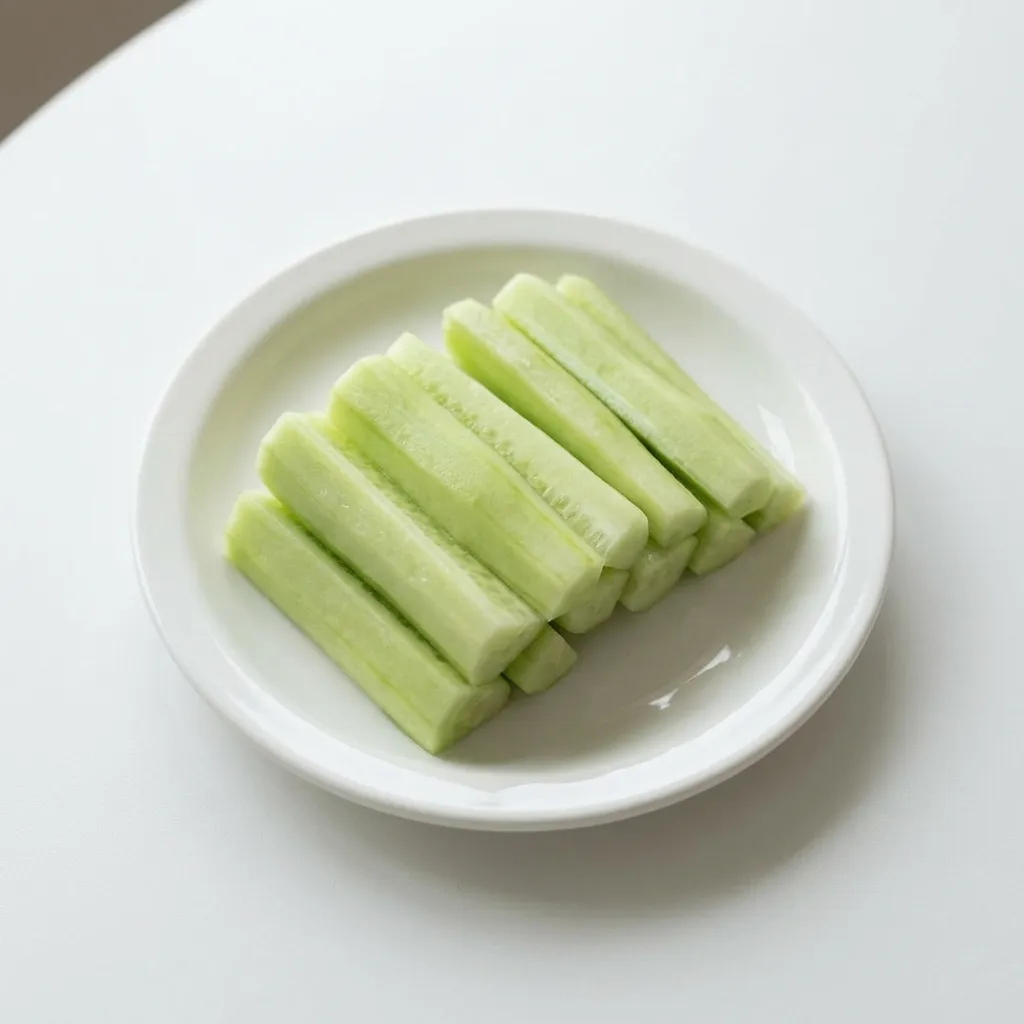
Cucumber
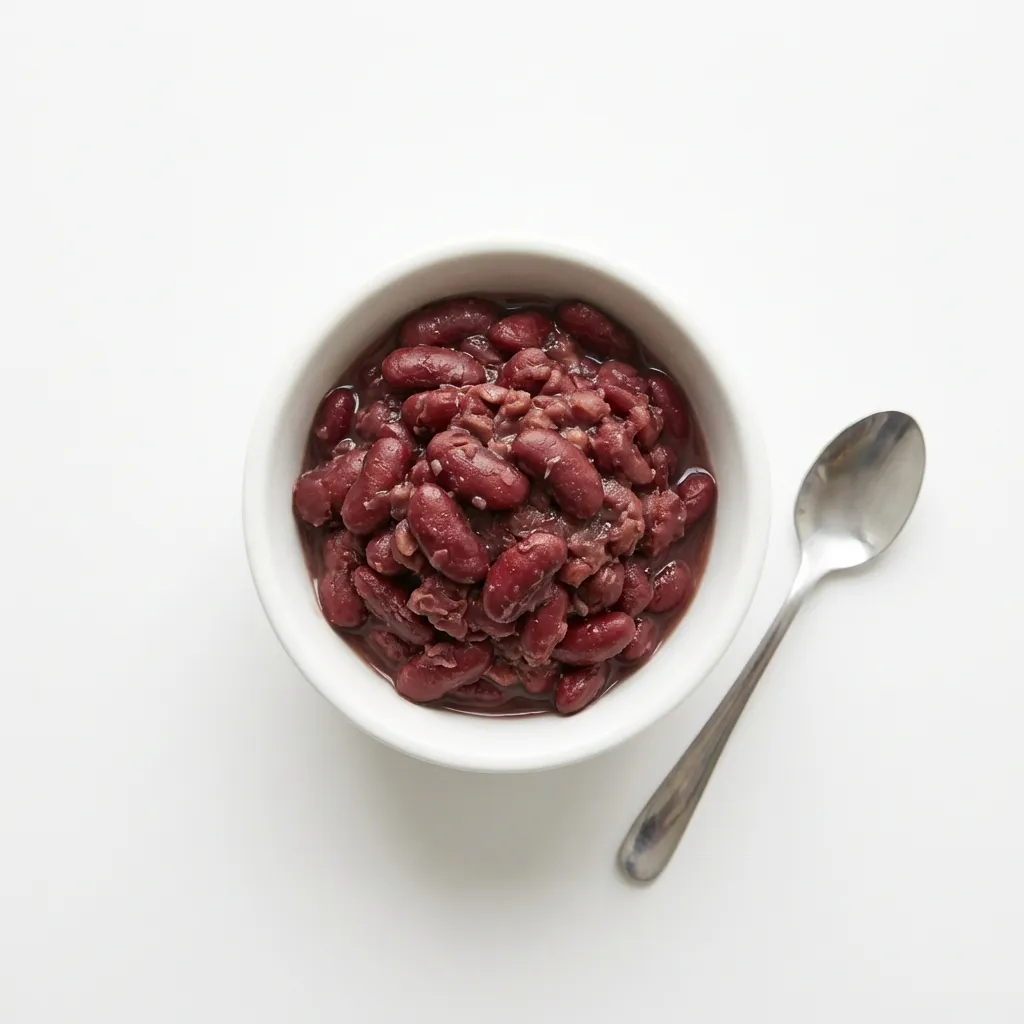
Dates
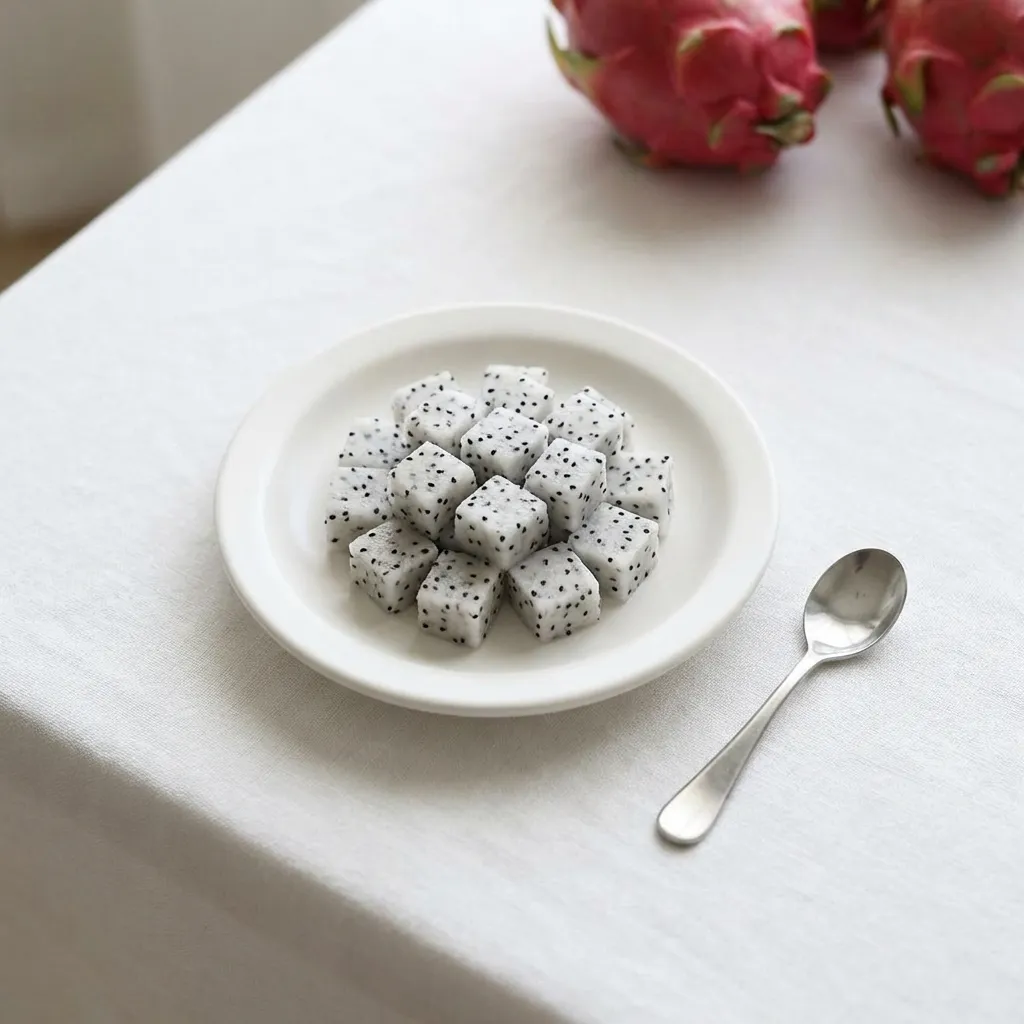
Dragon Fruit
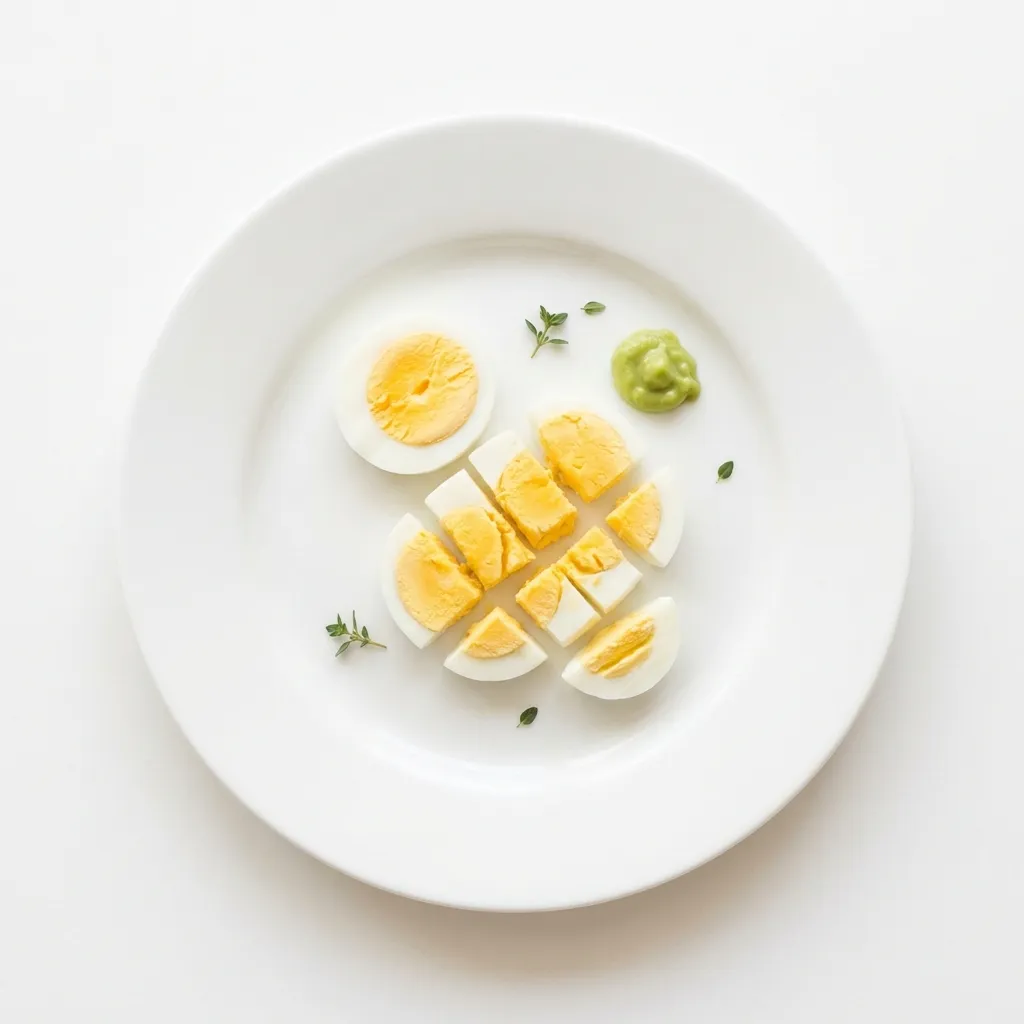
Egg
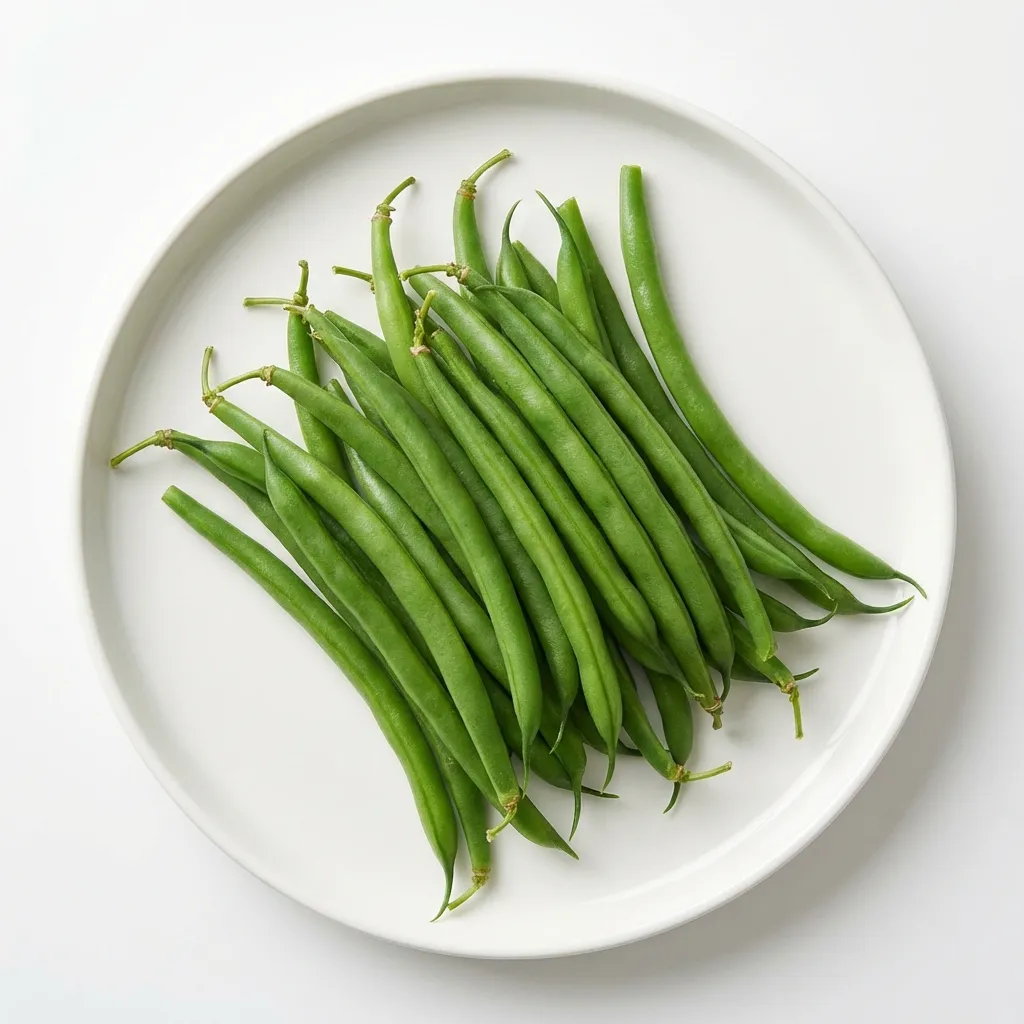
Green Beans
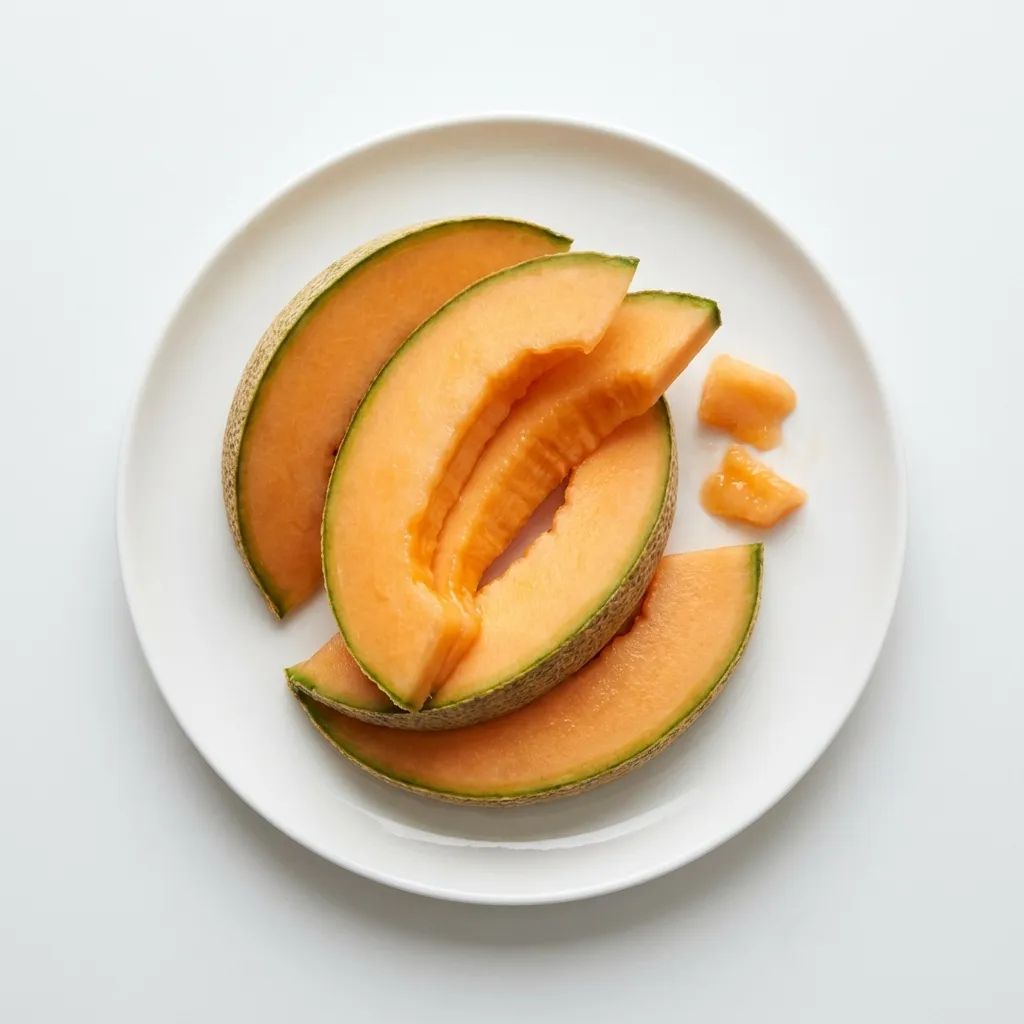
Honeydew Melon
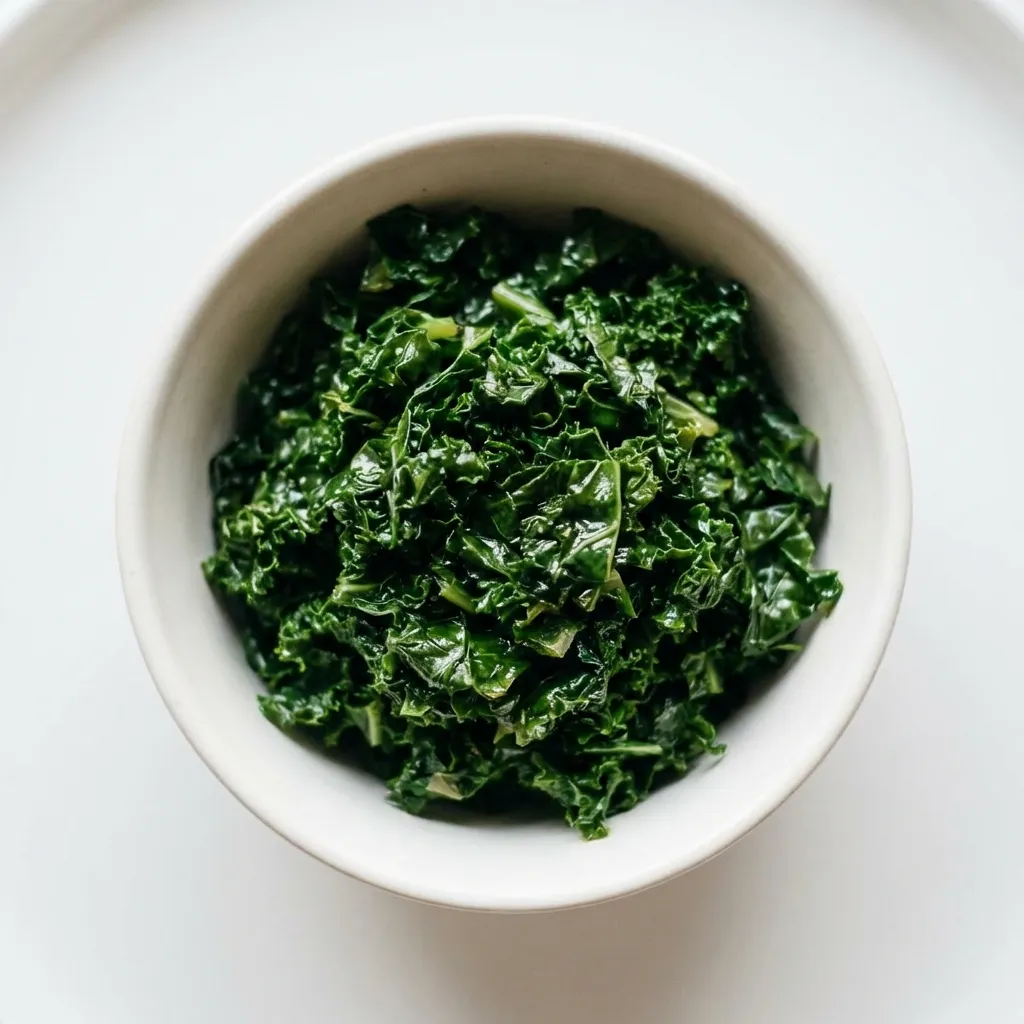
Kale
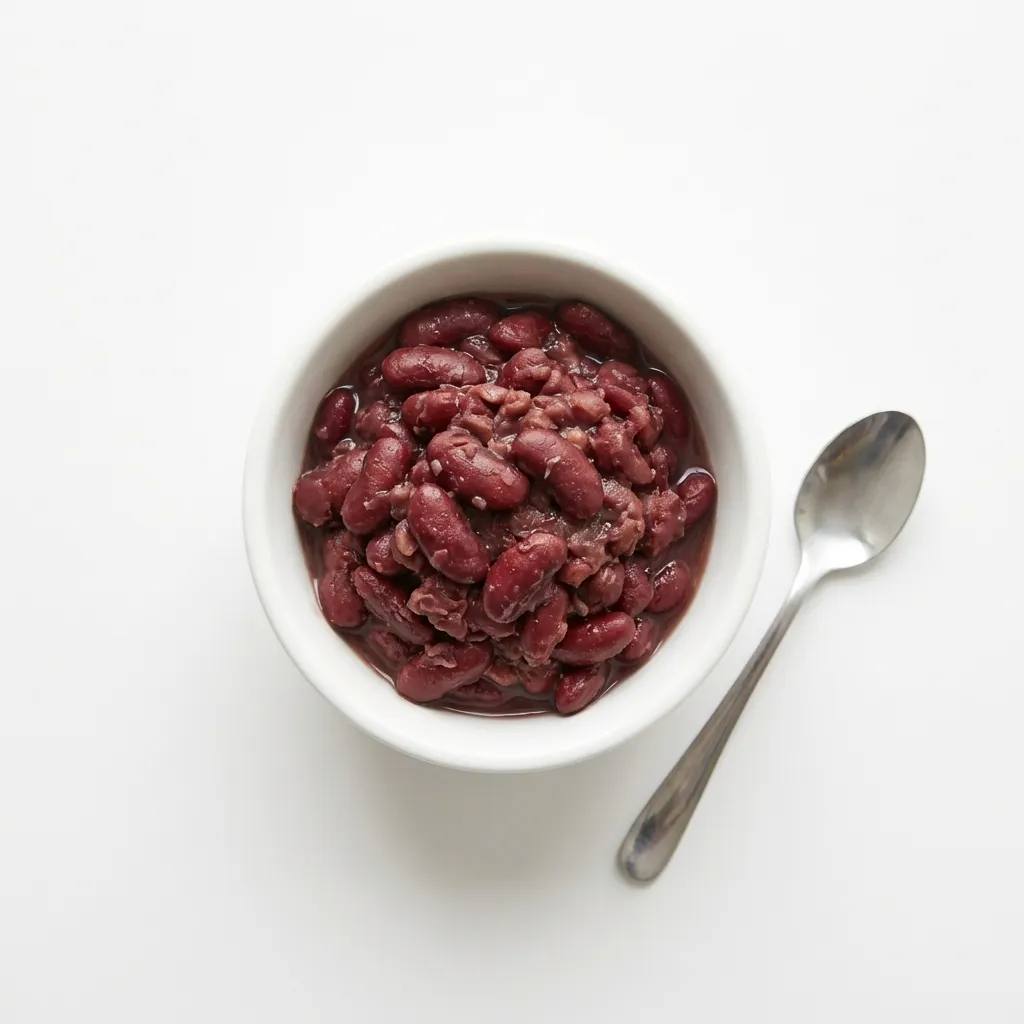
Kidney Beans
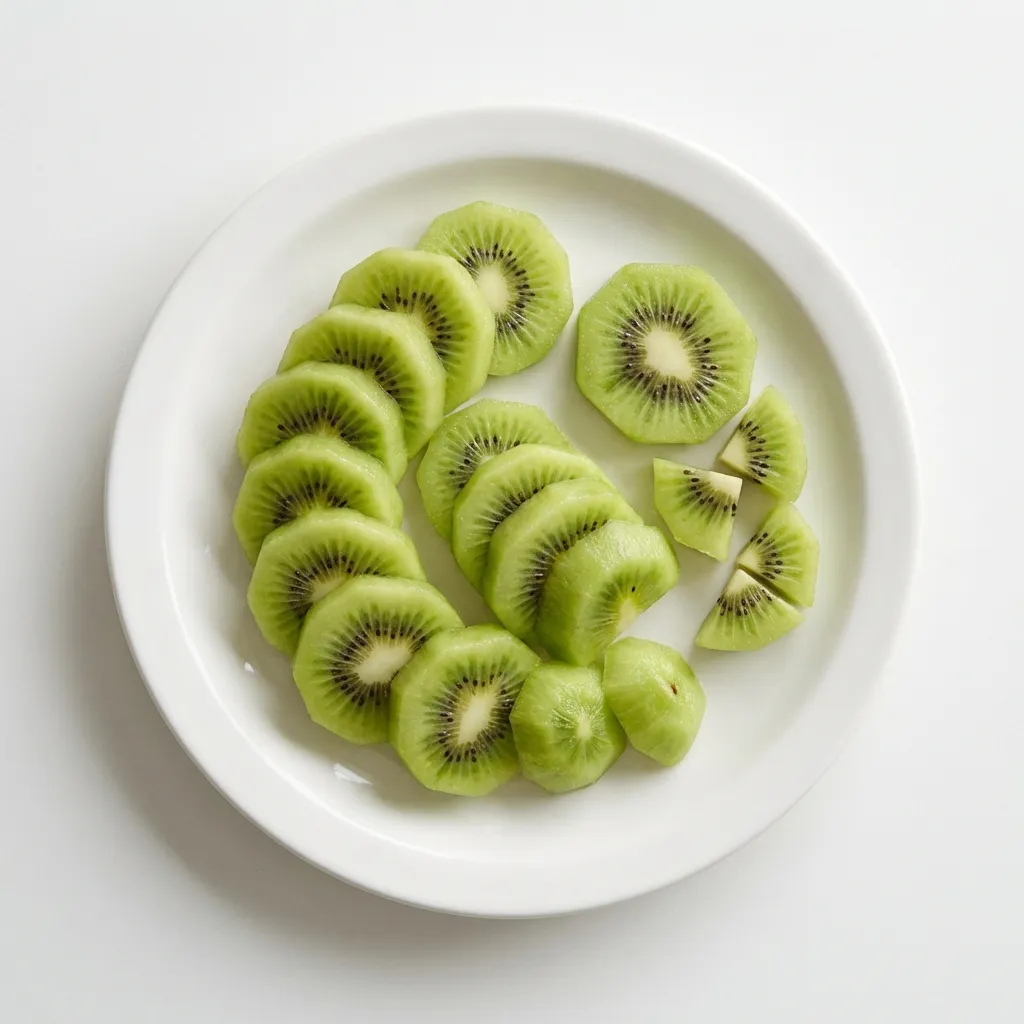
Kiwi
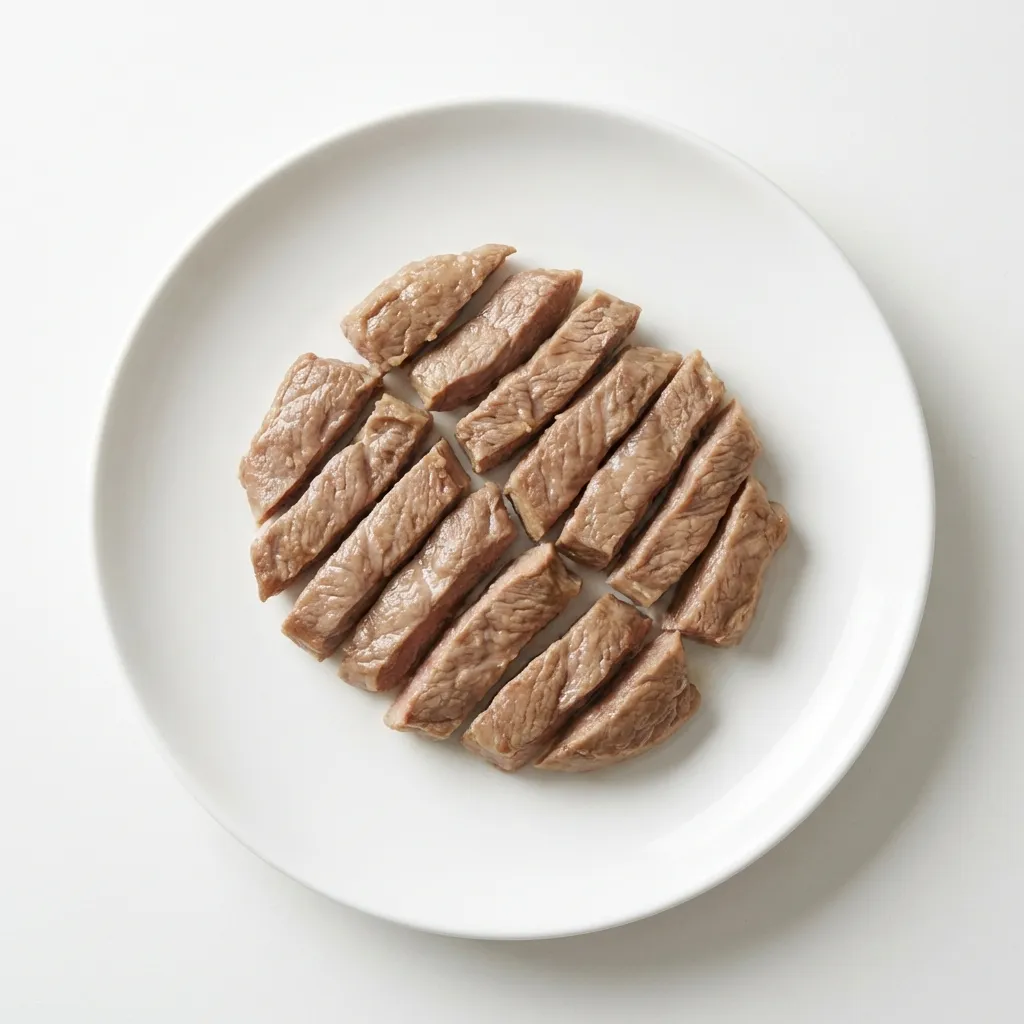
Lamb
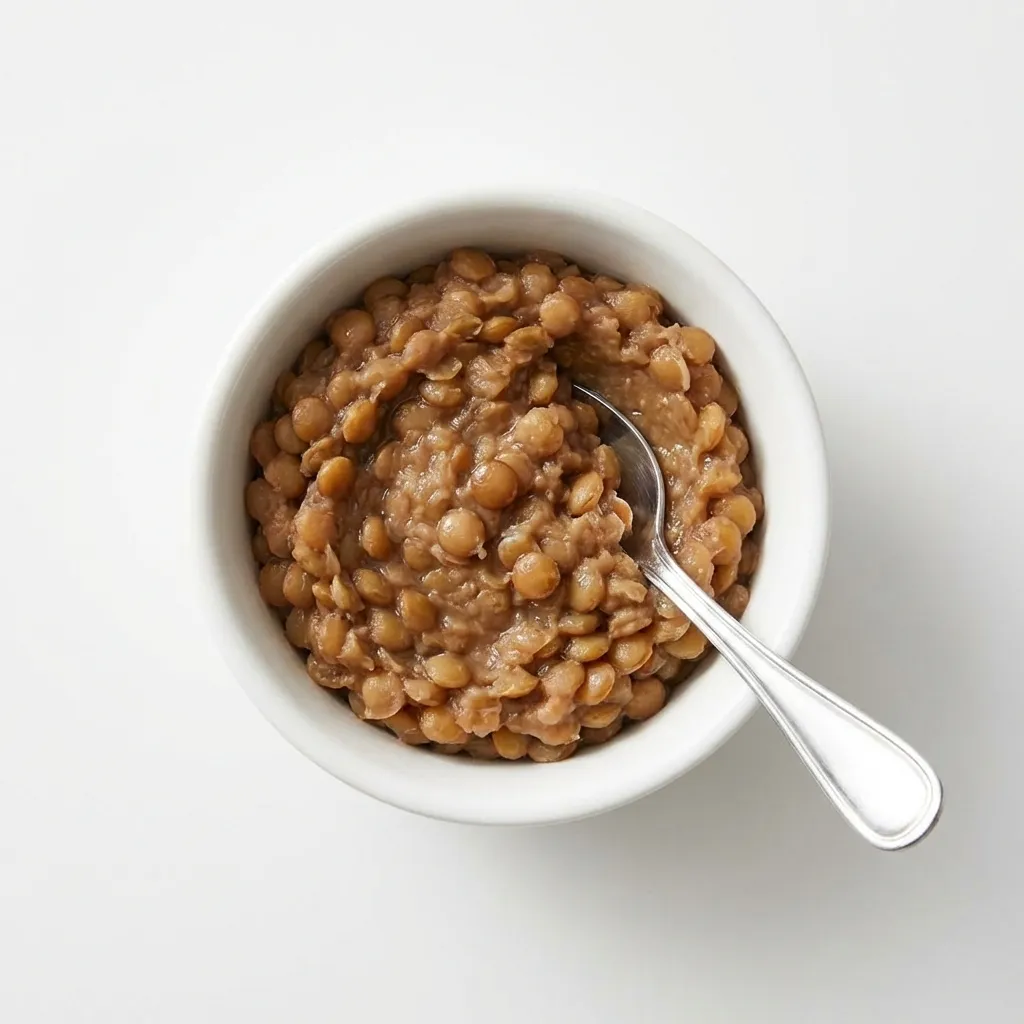
Lentils
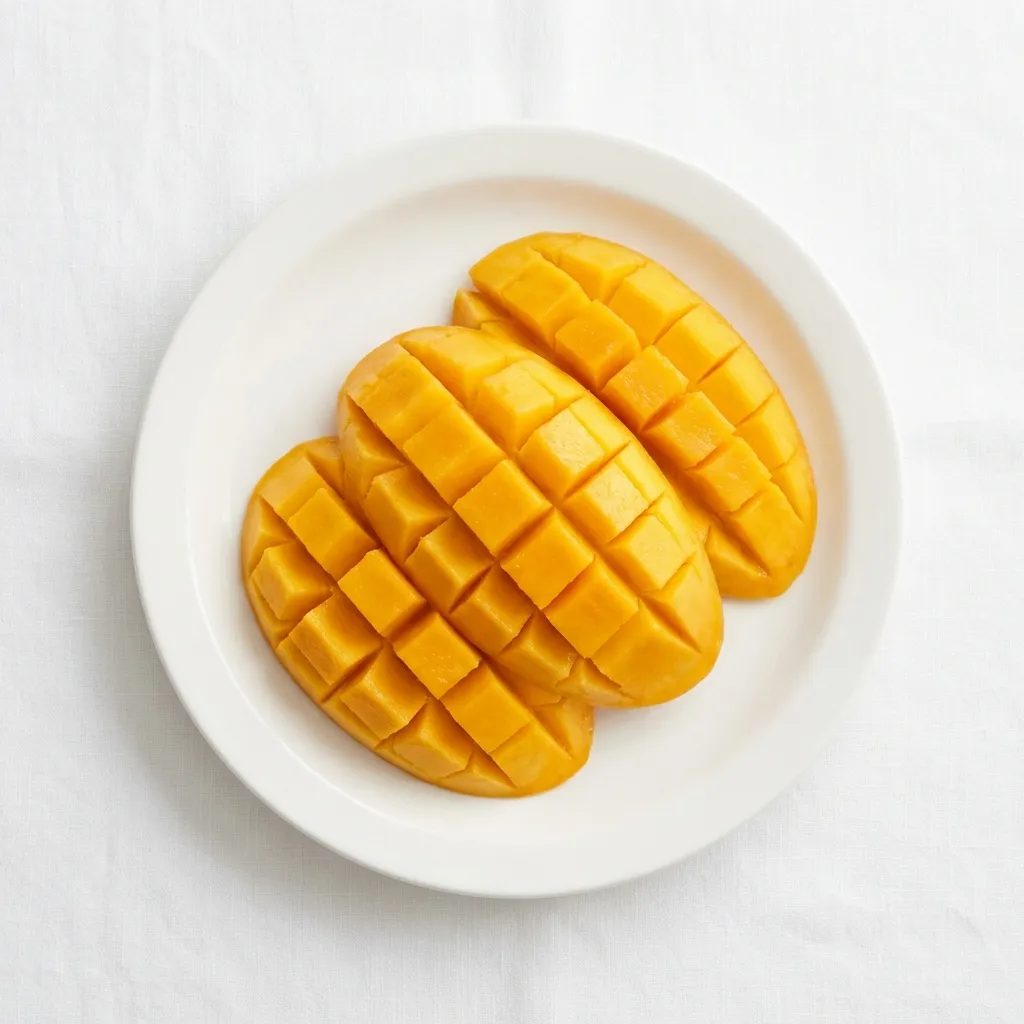
Mango
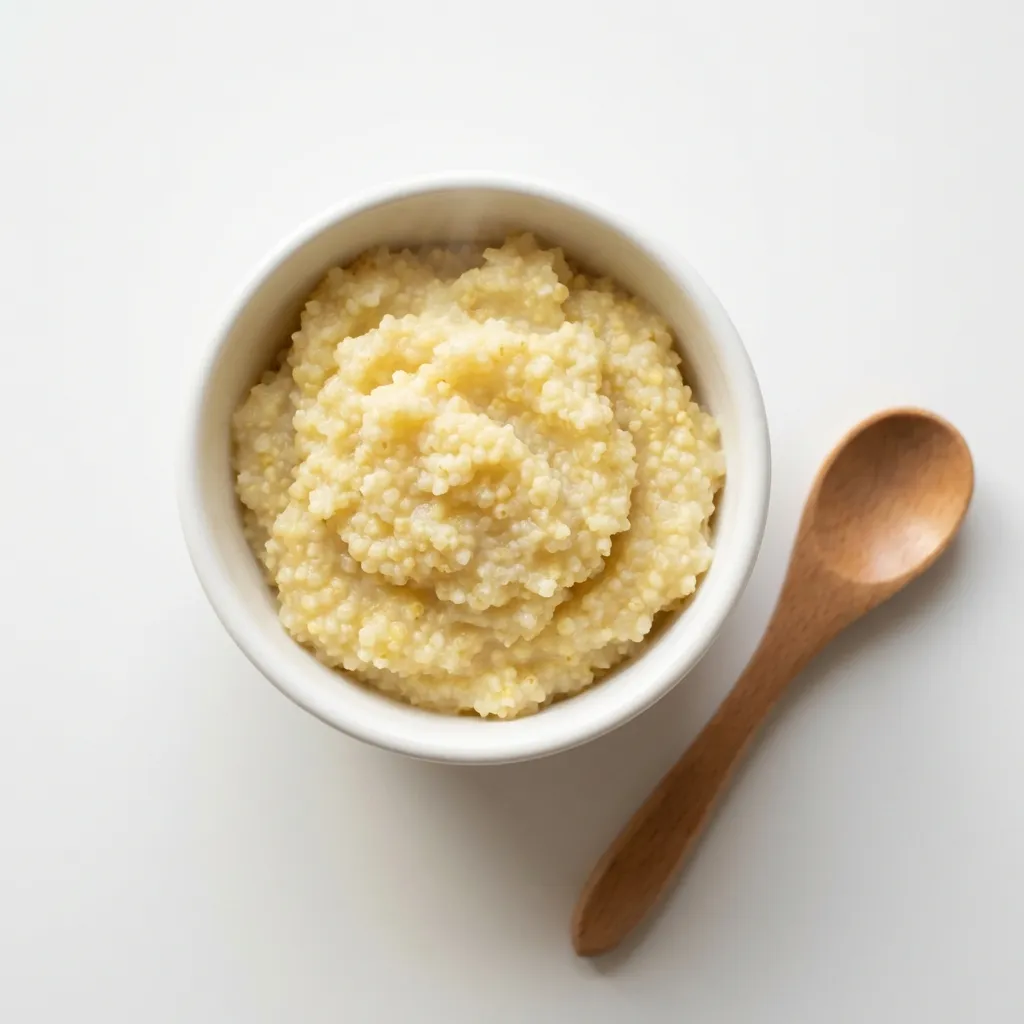
Millet
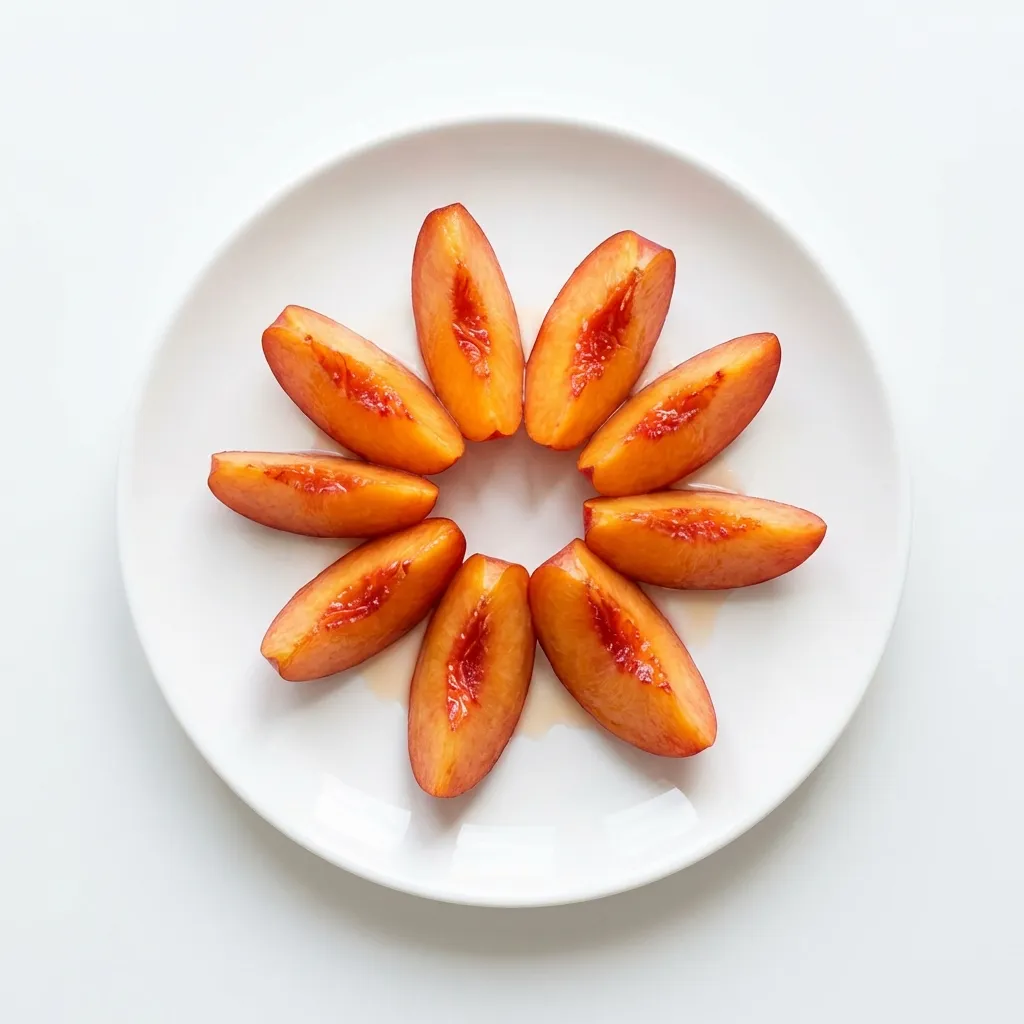
Nectarine
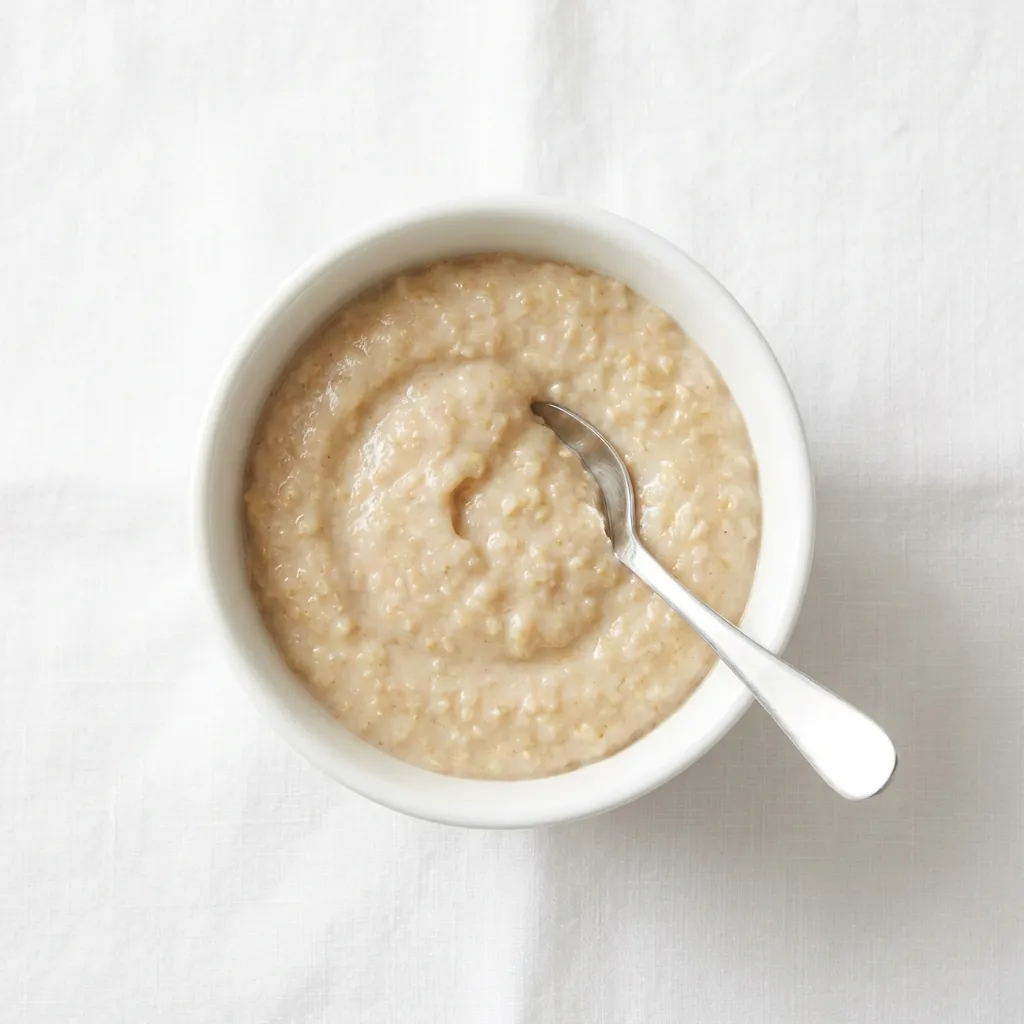
Oatmeal
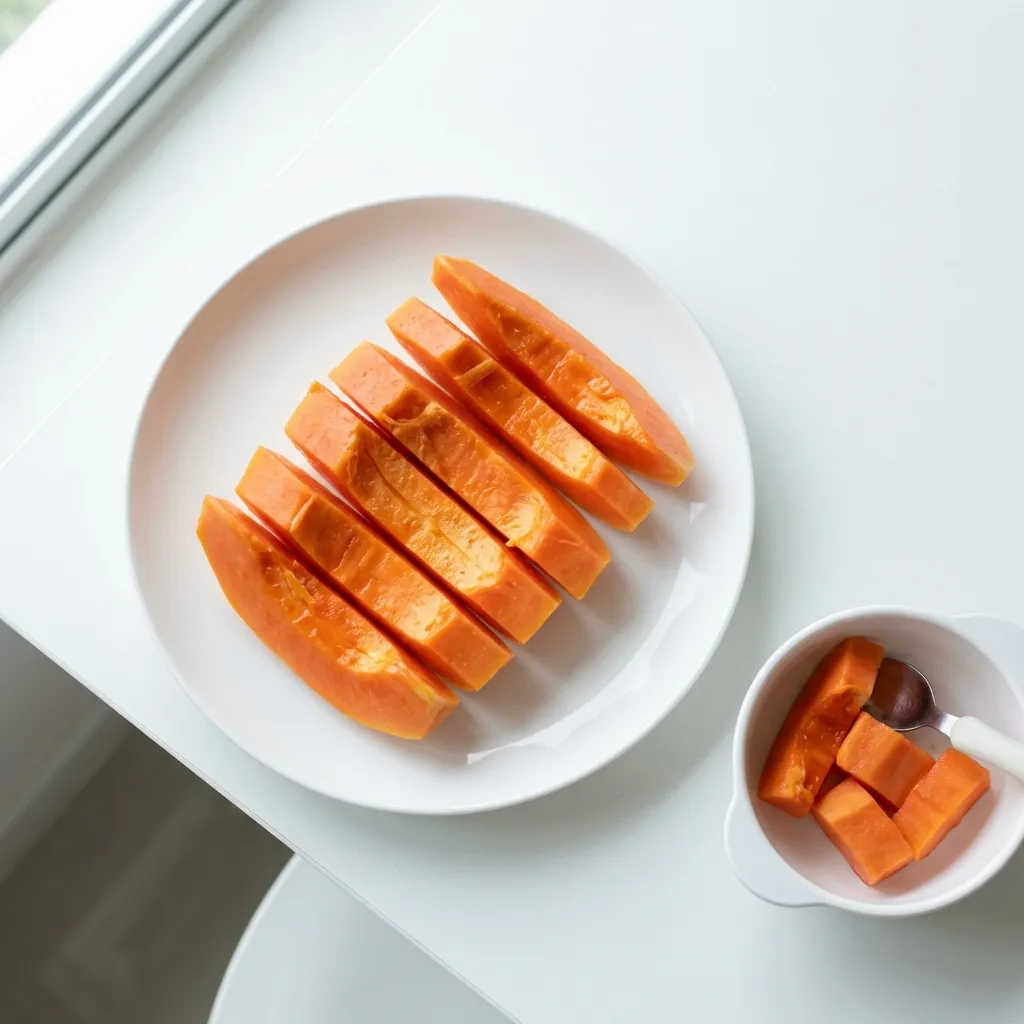
Papaya
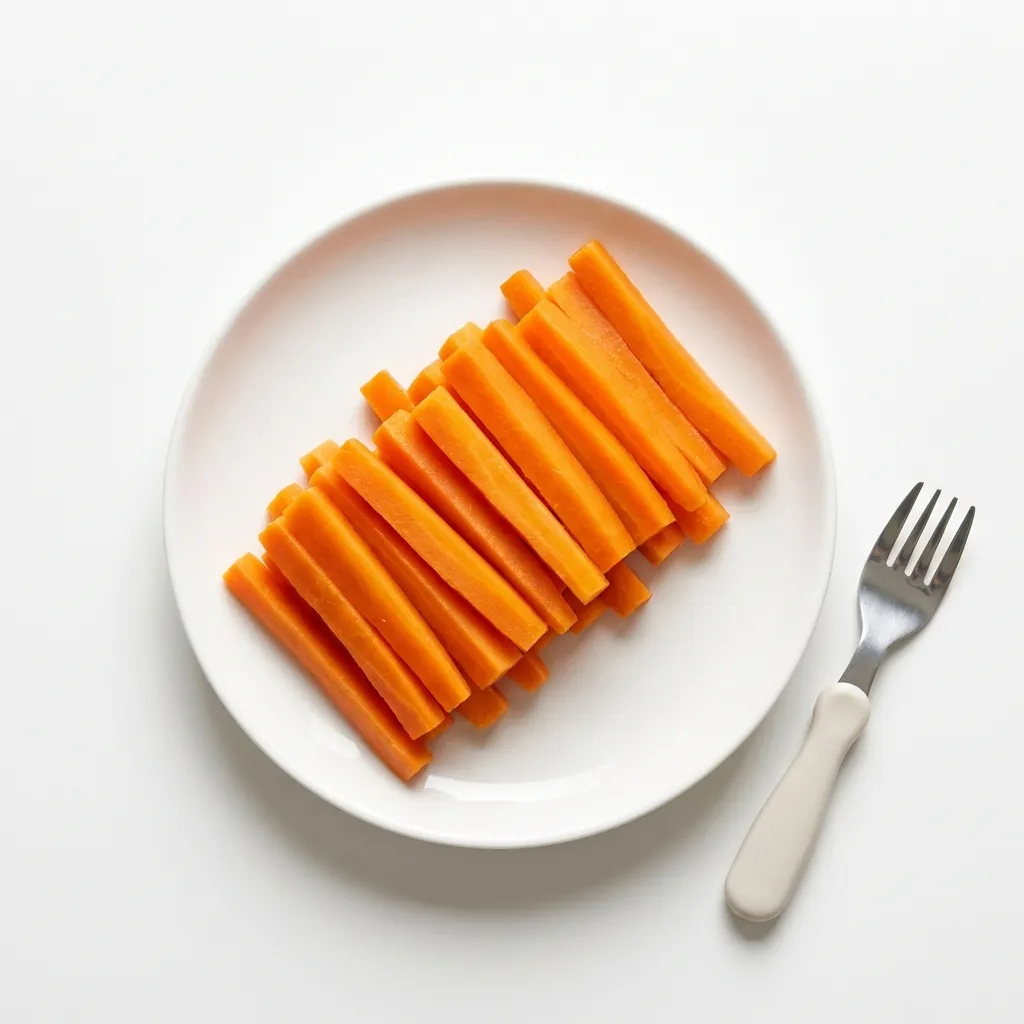
Parsnip
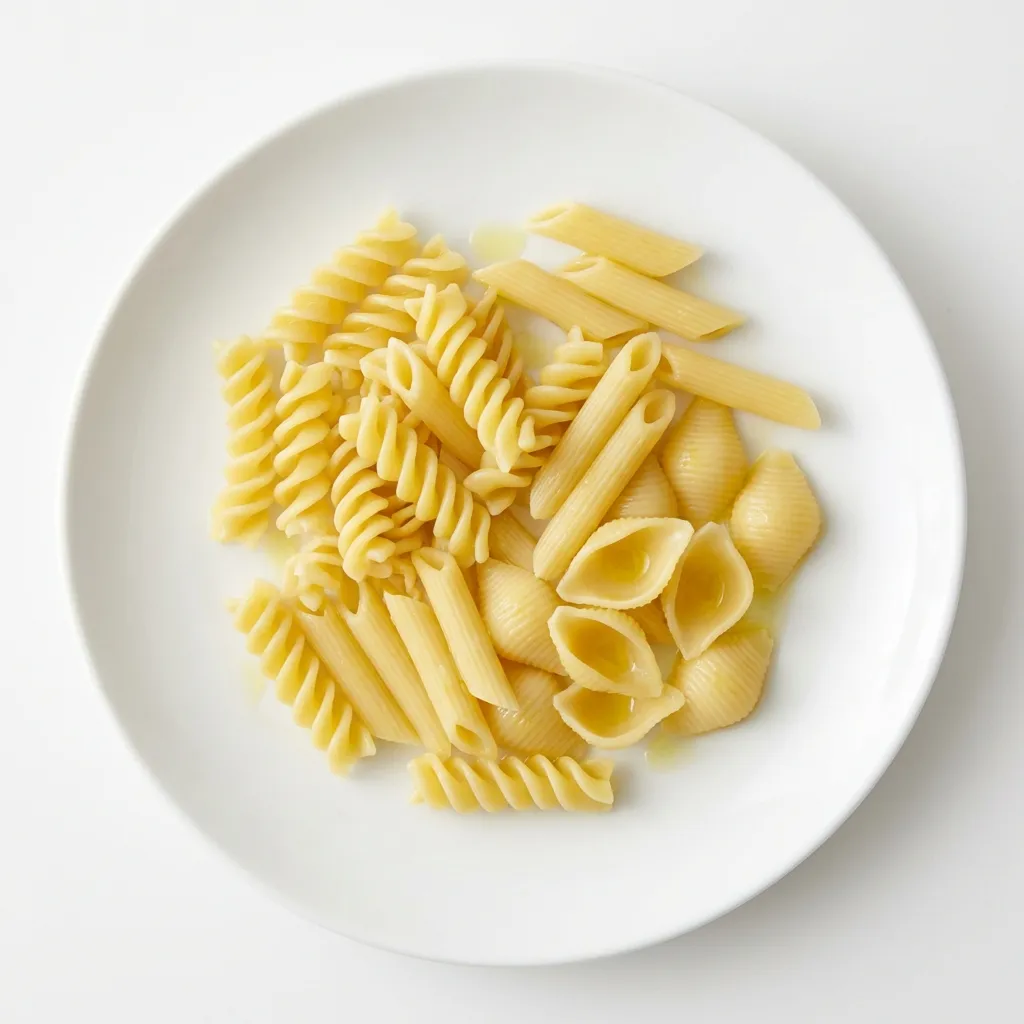
Pasta
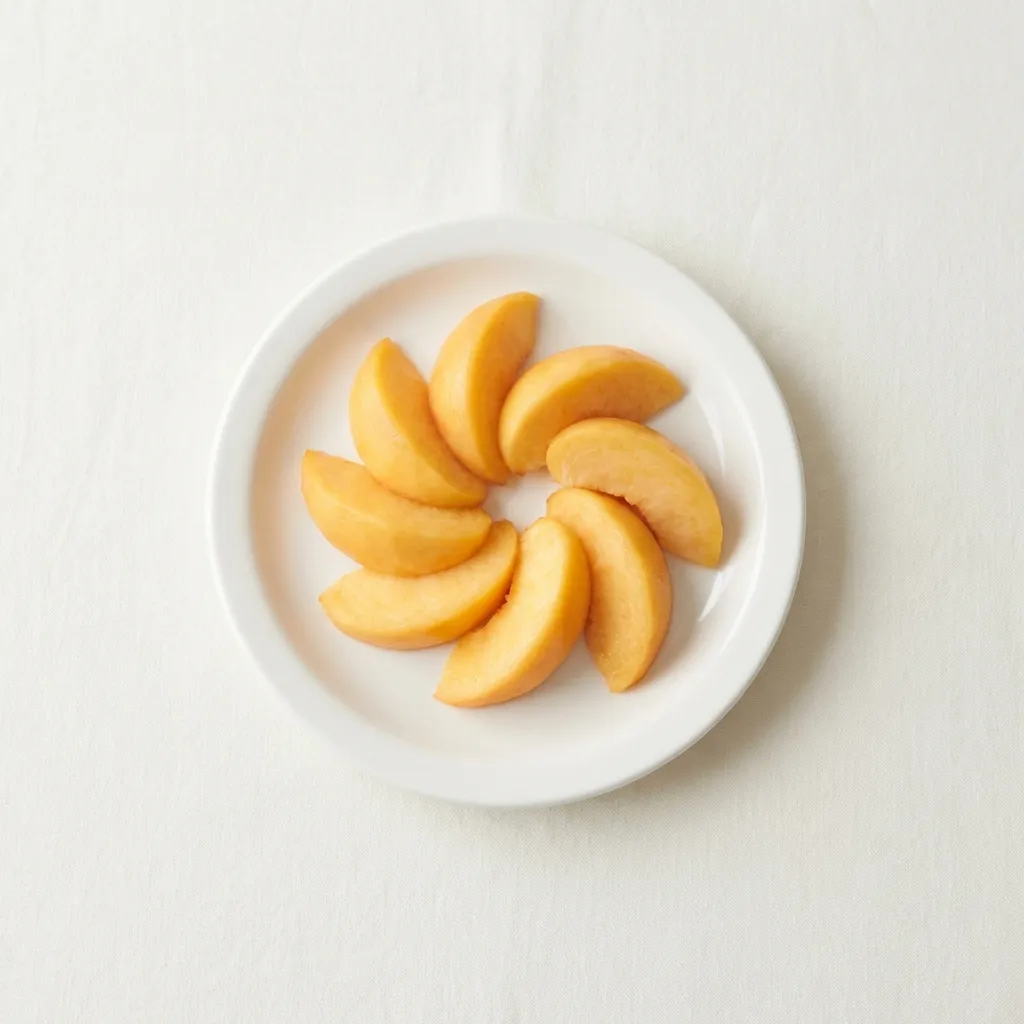
Peach
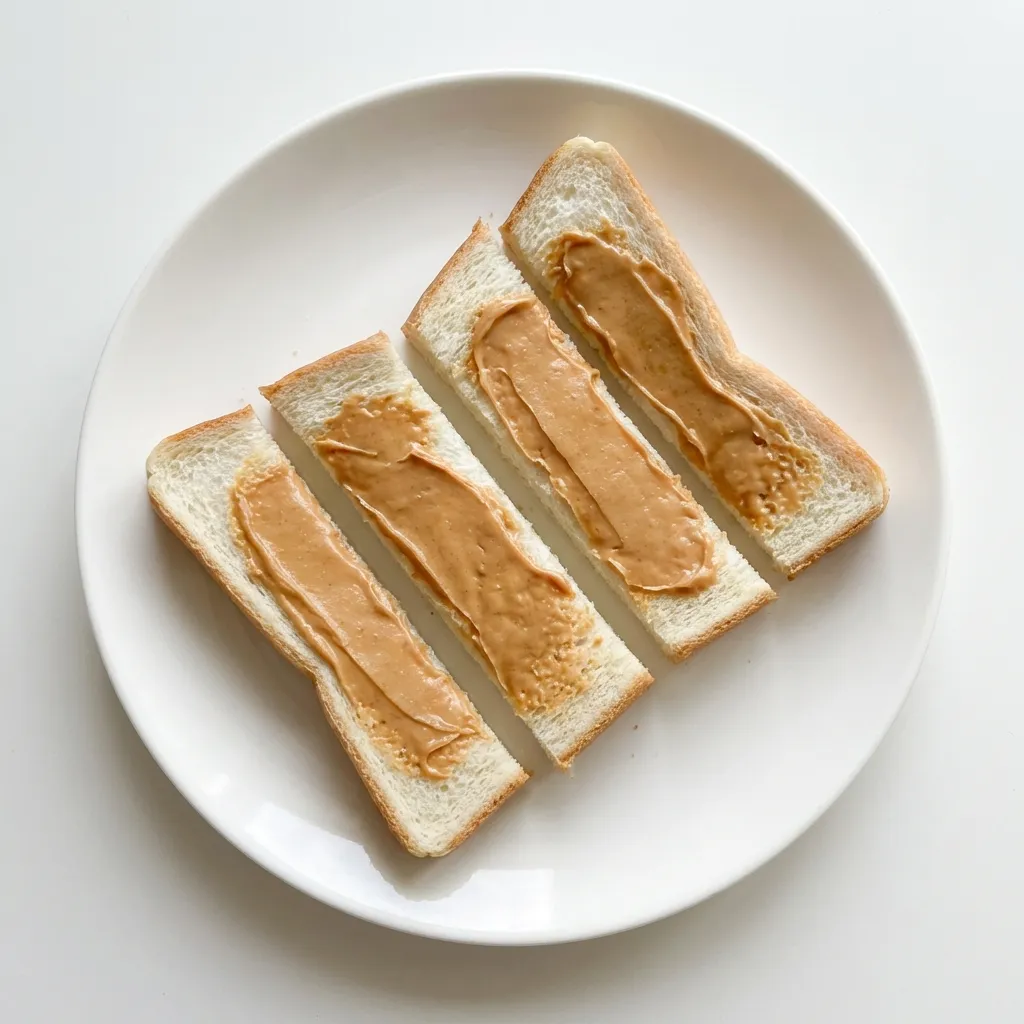
Peanut butter
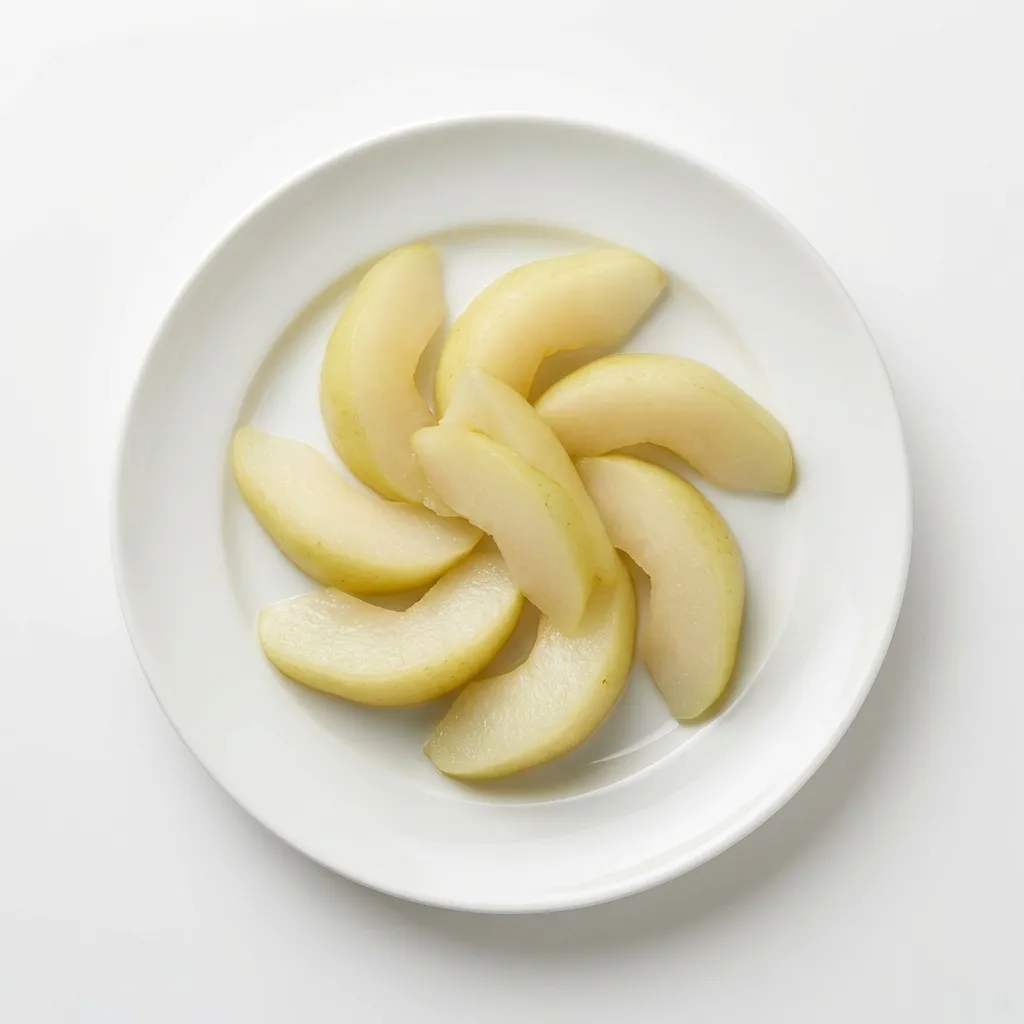
Pear
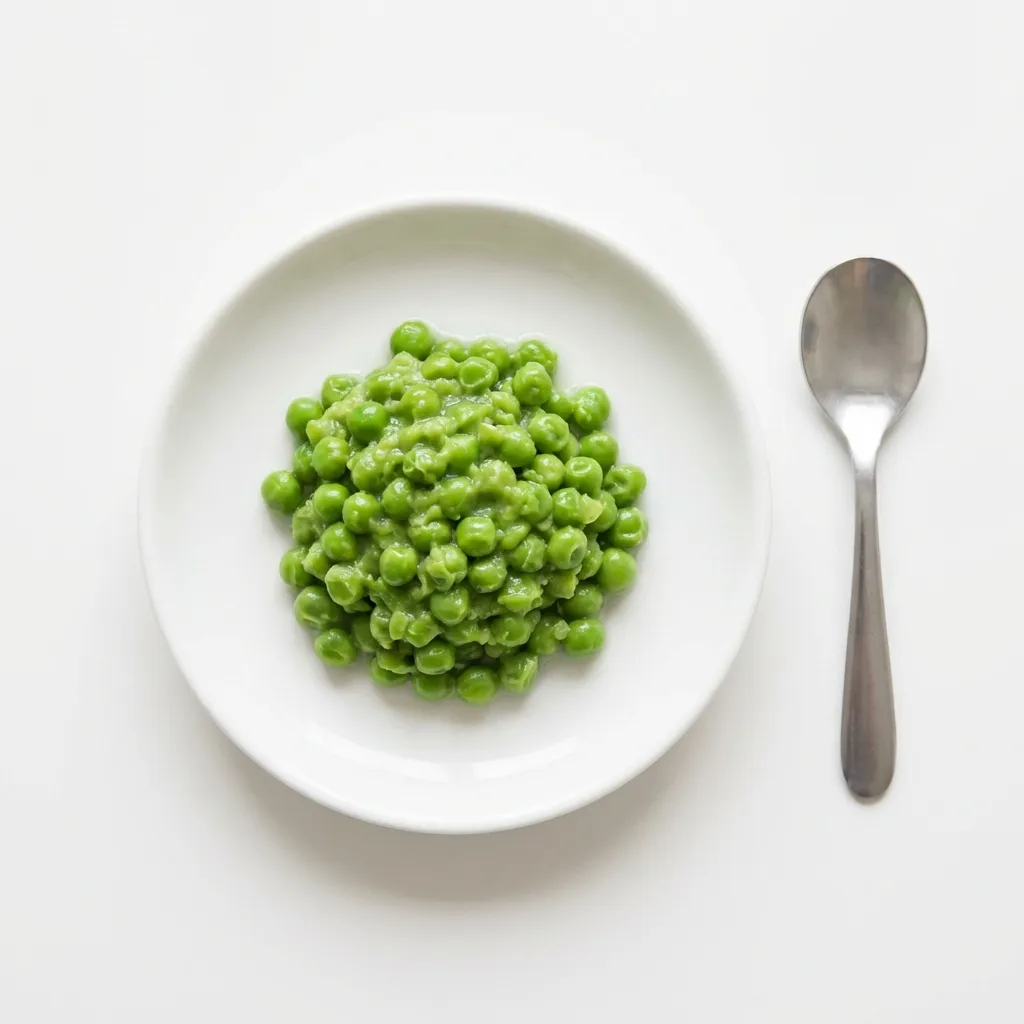
Peas

Persimmon
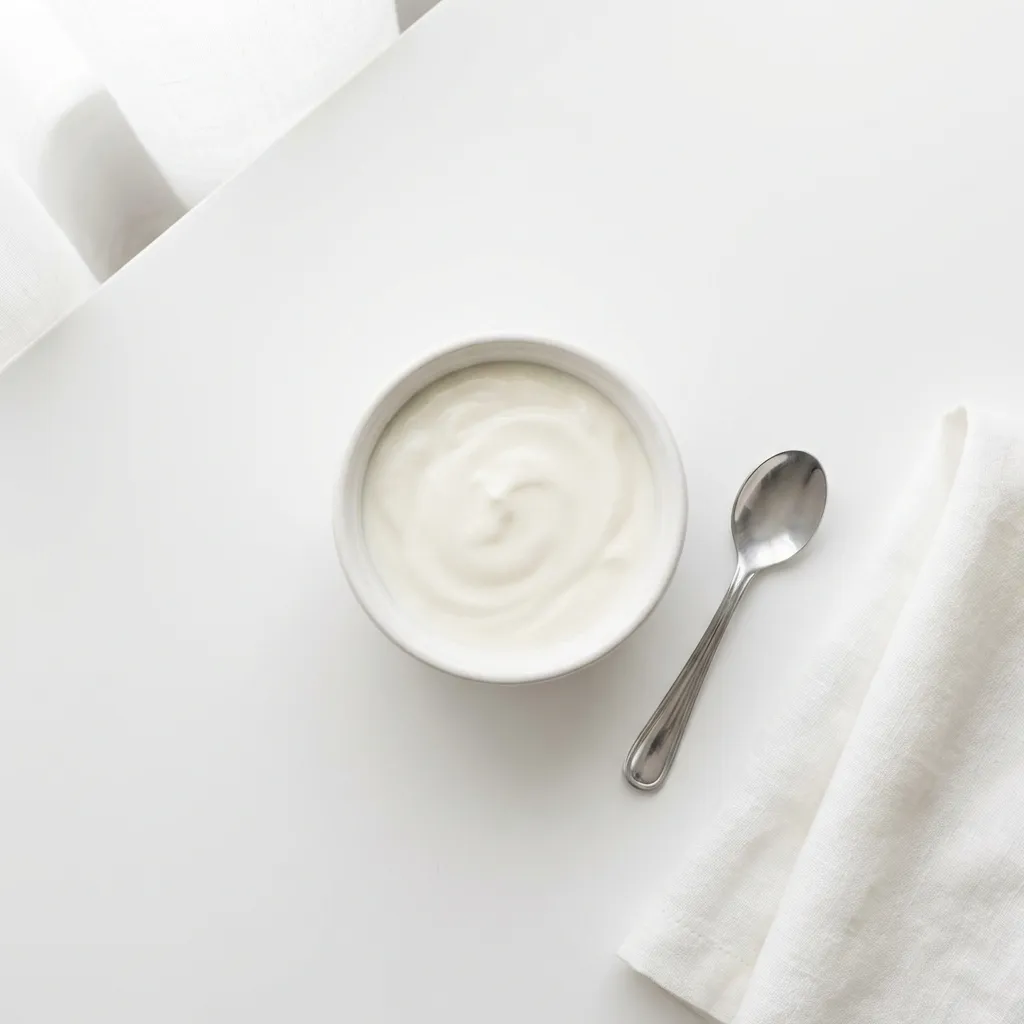
Plain Yogurt
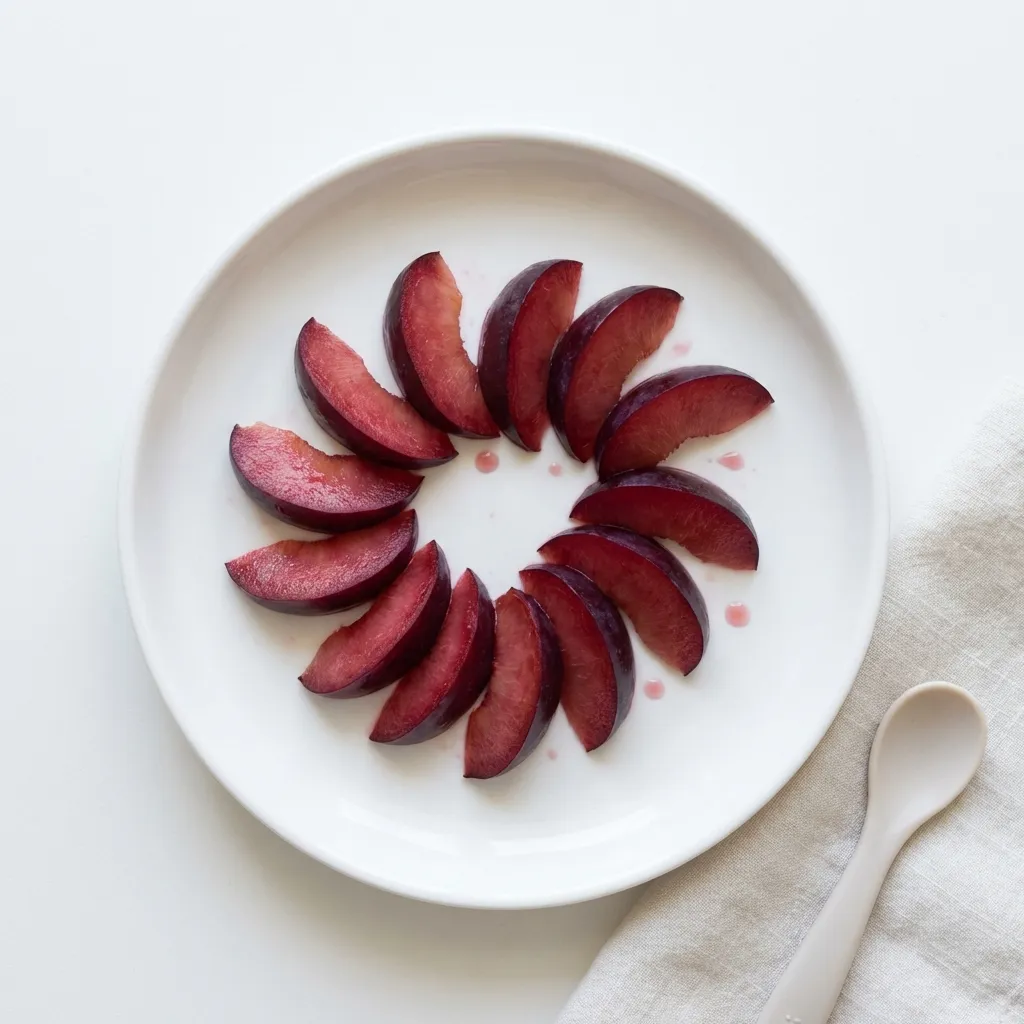
Plum
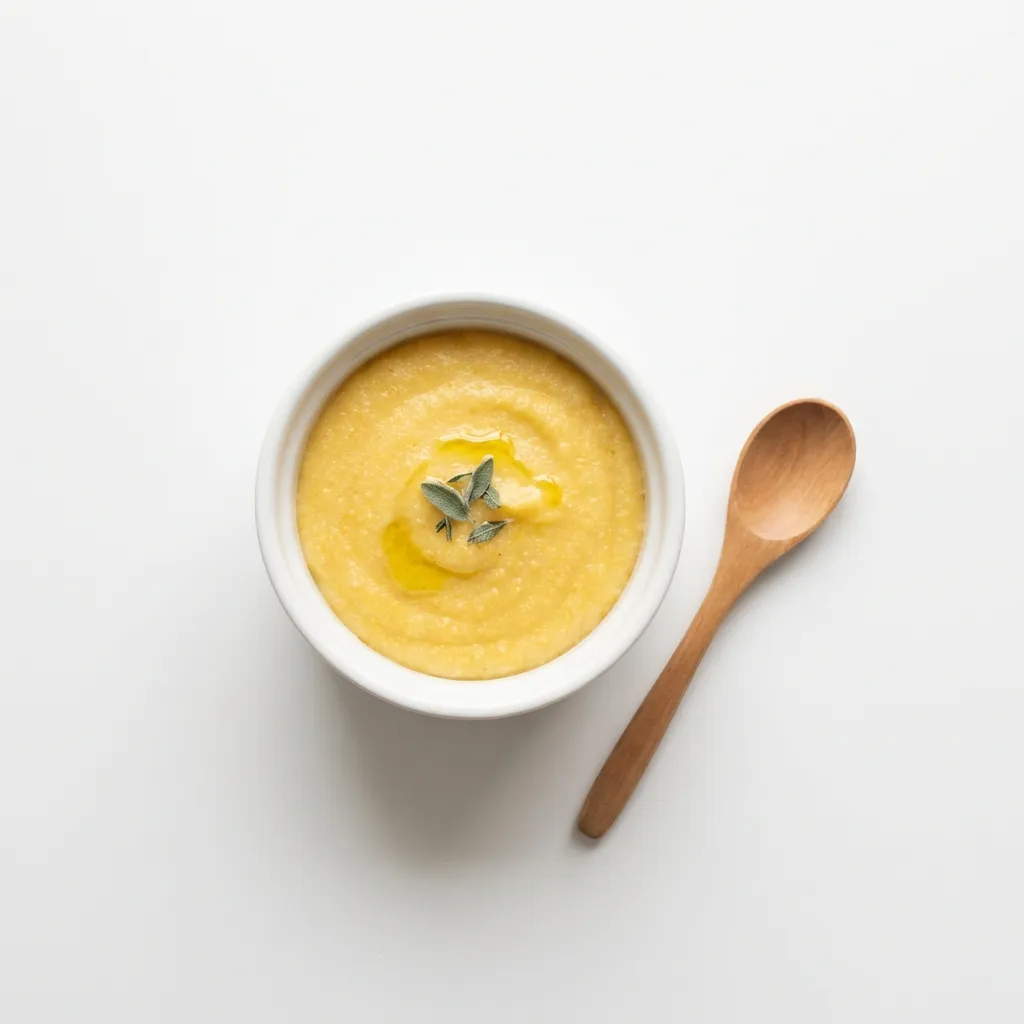
Polenta
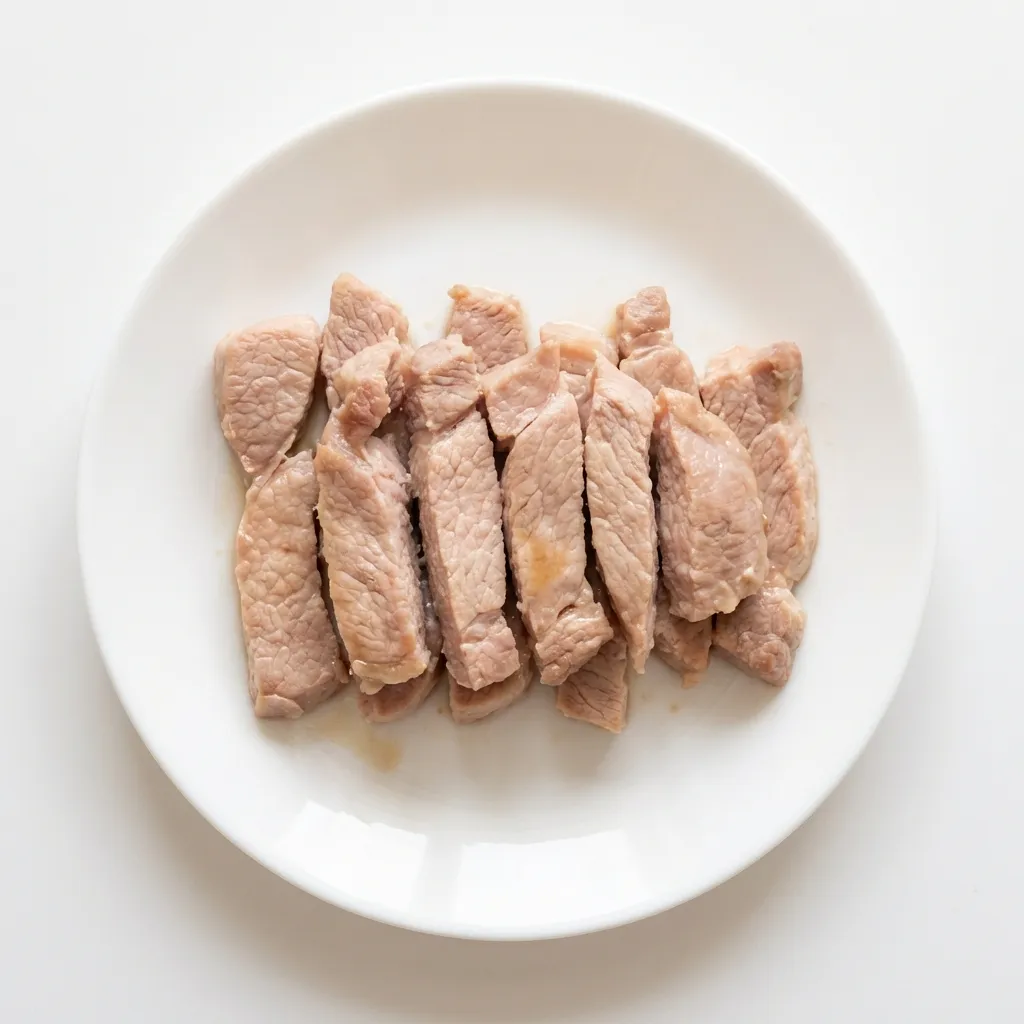
Pork
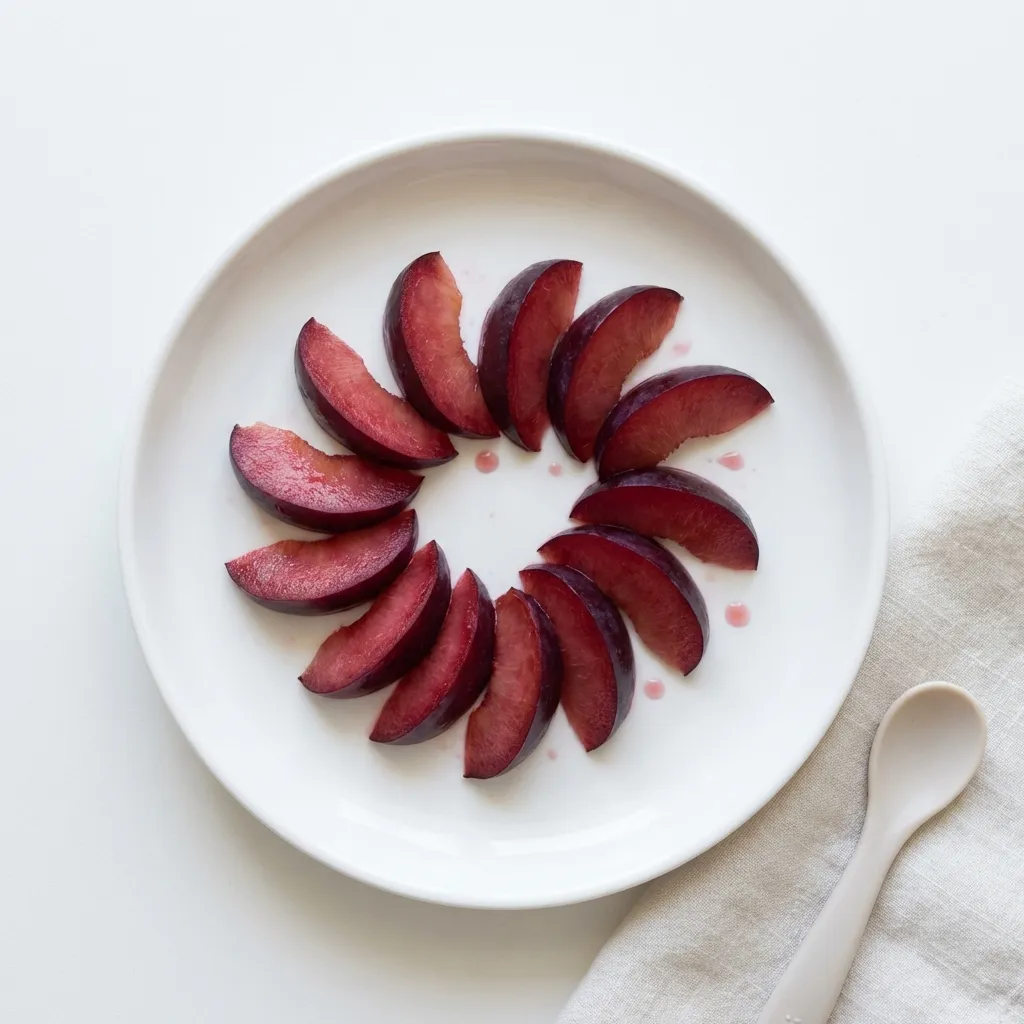
Prunes (Dried Plums)
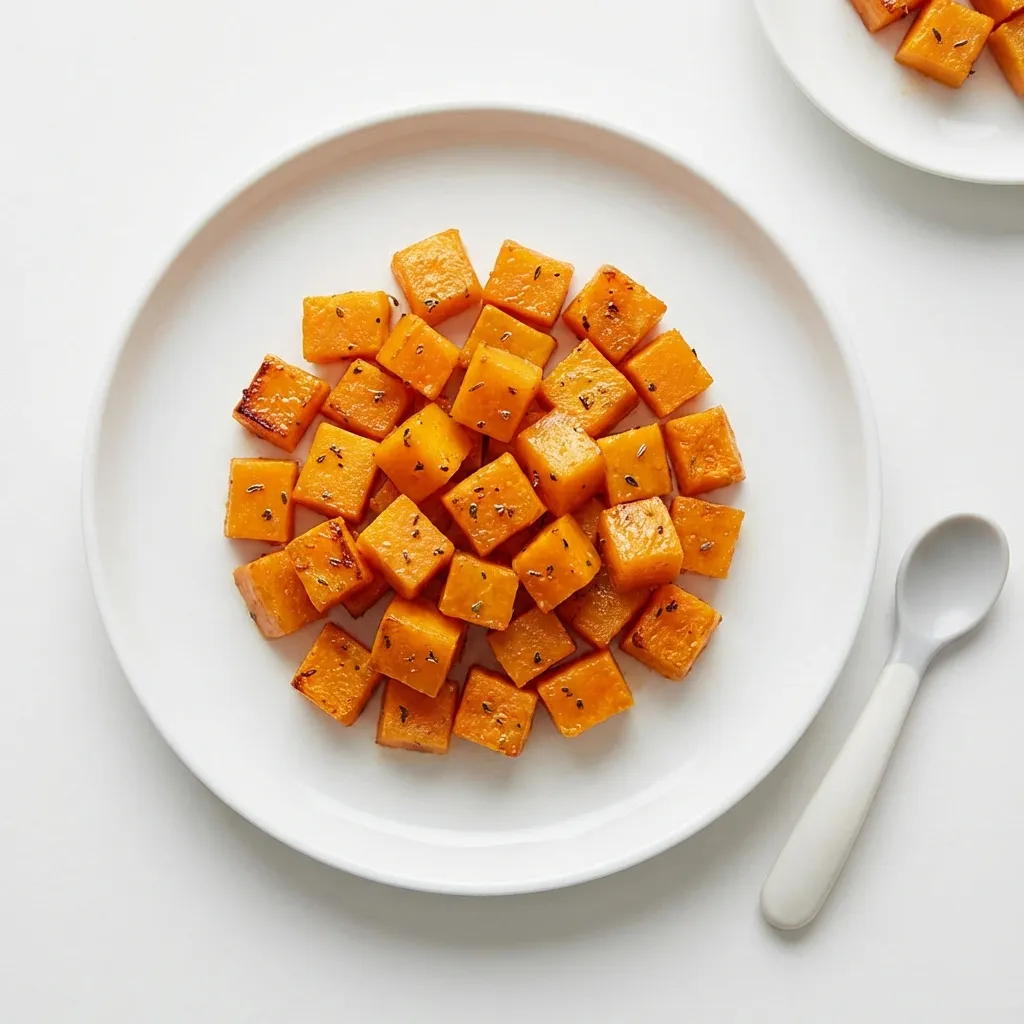
Pumpkin
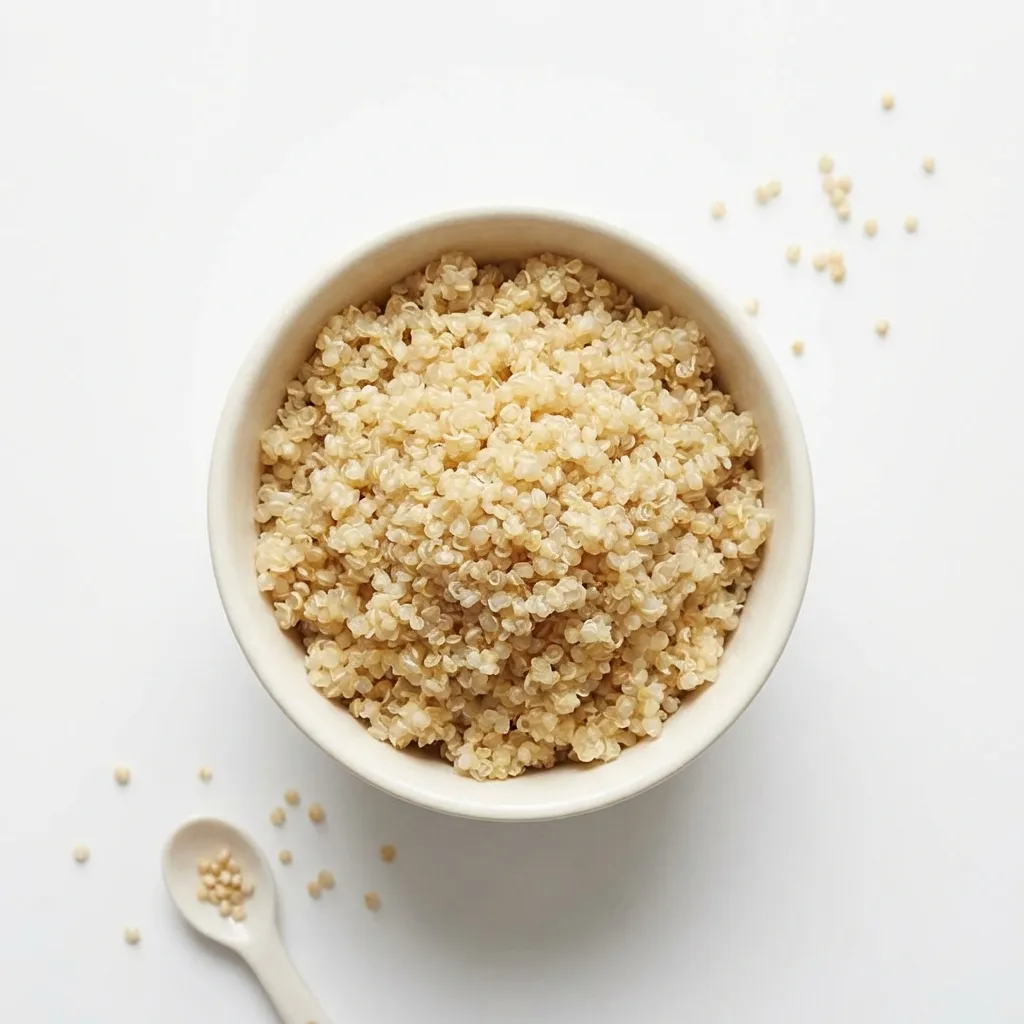
Quinoa
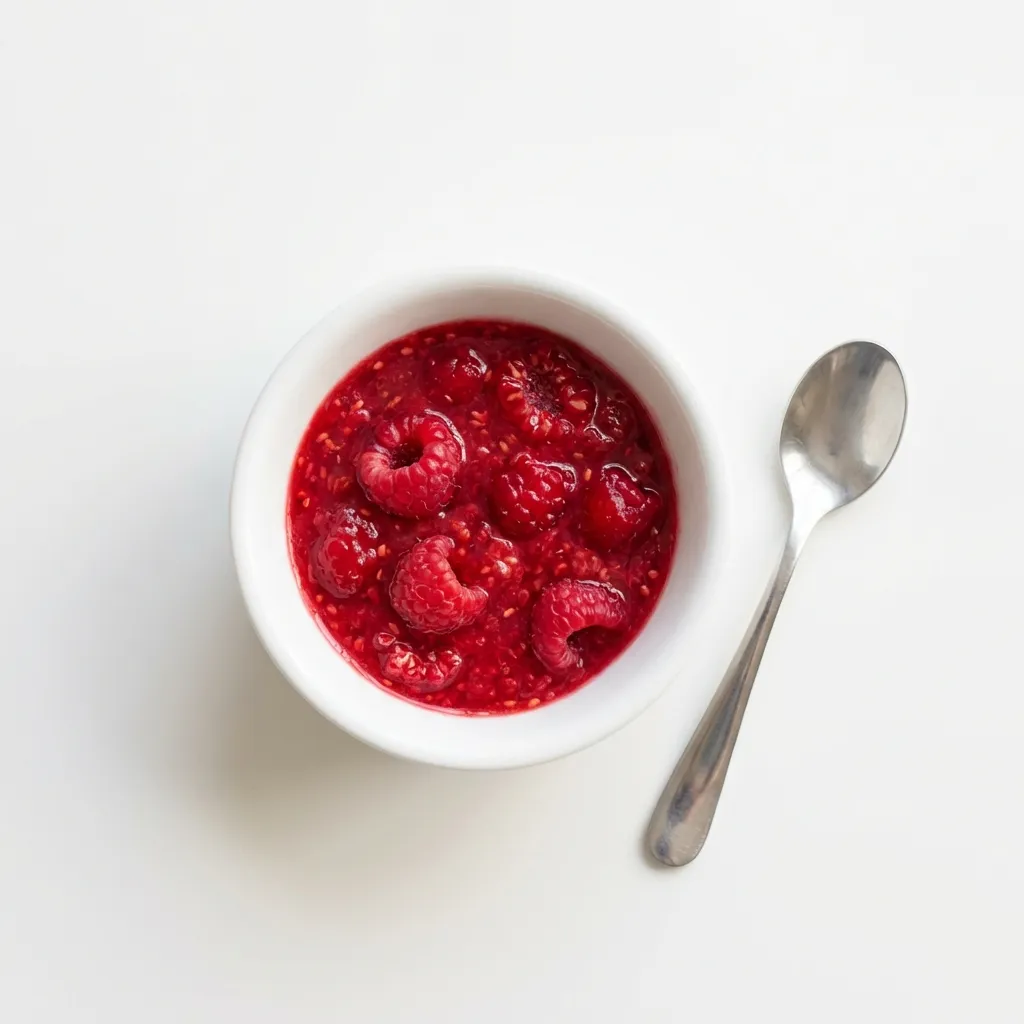
Raspberry
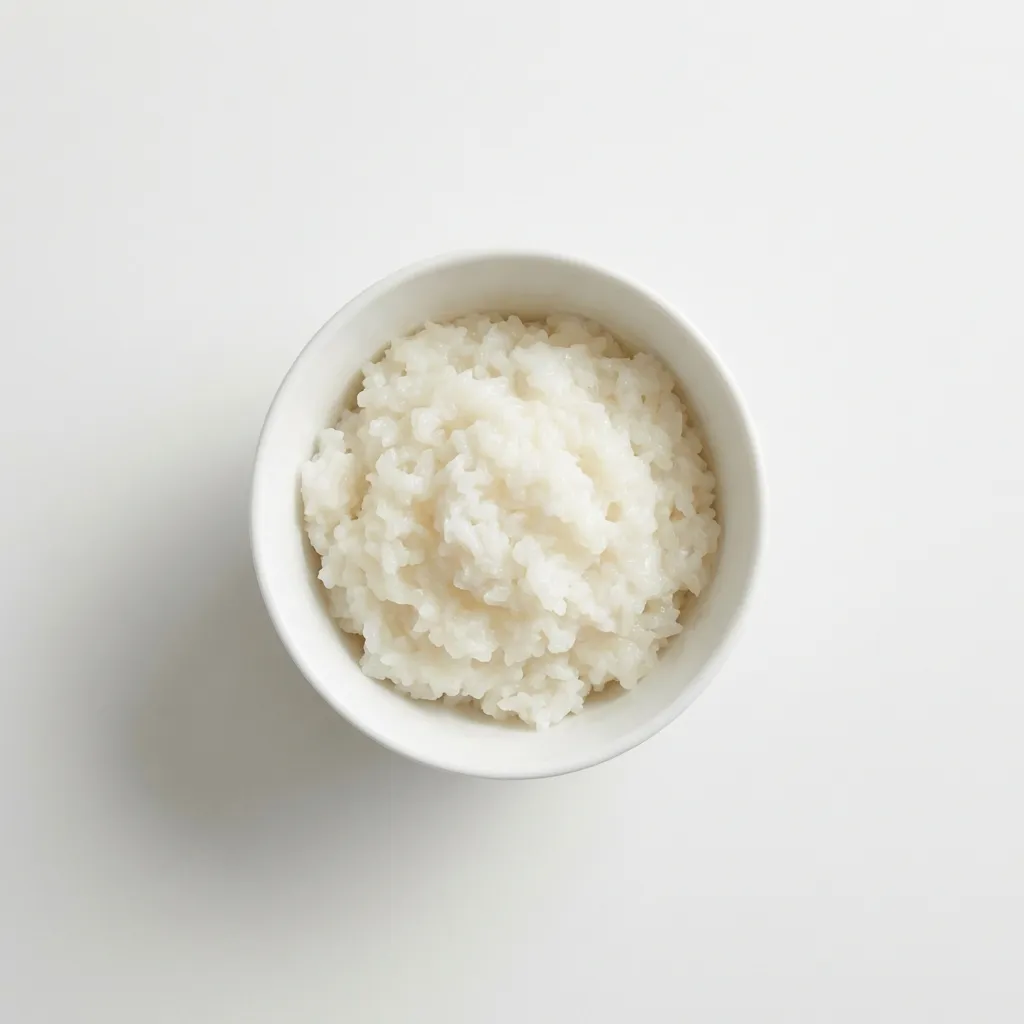
Rice
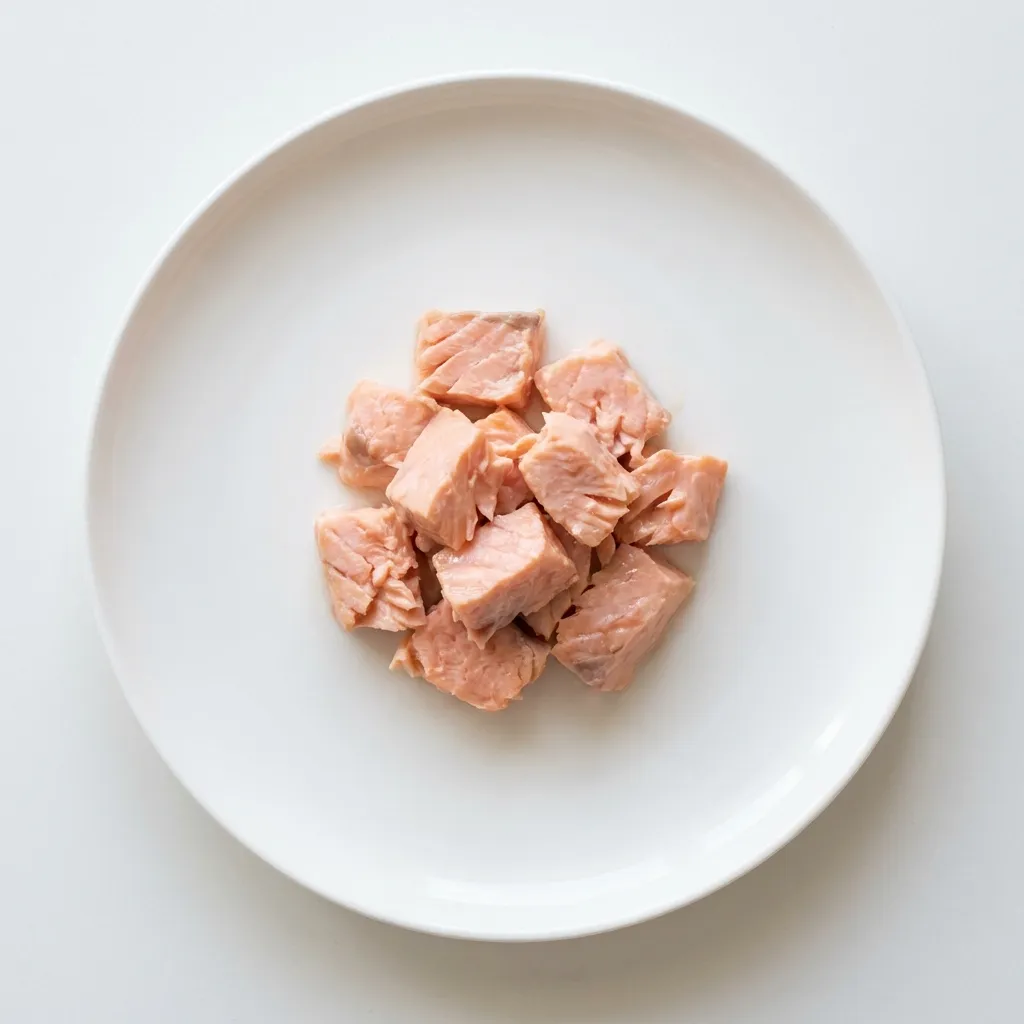
Salmon
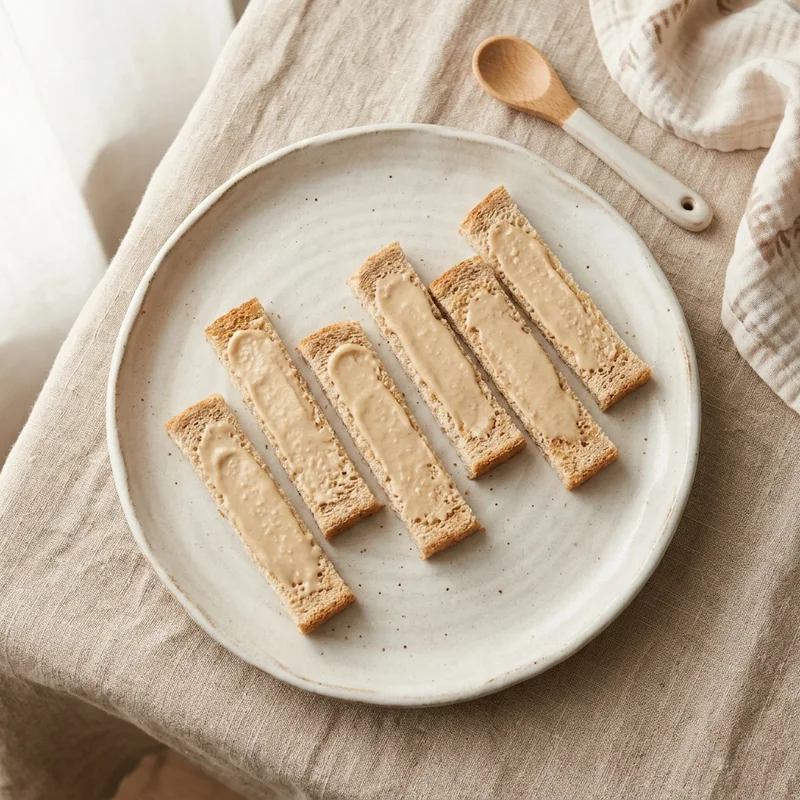
Sesame
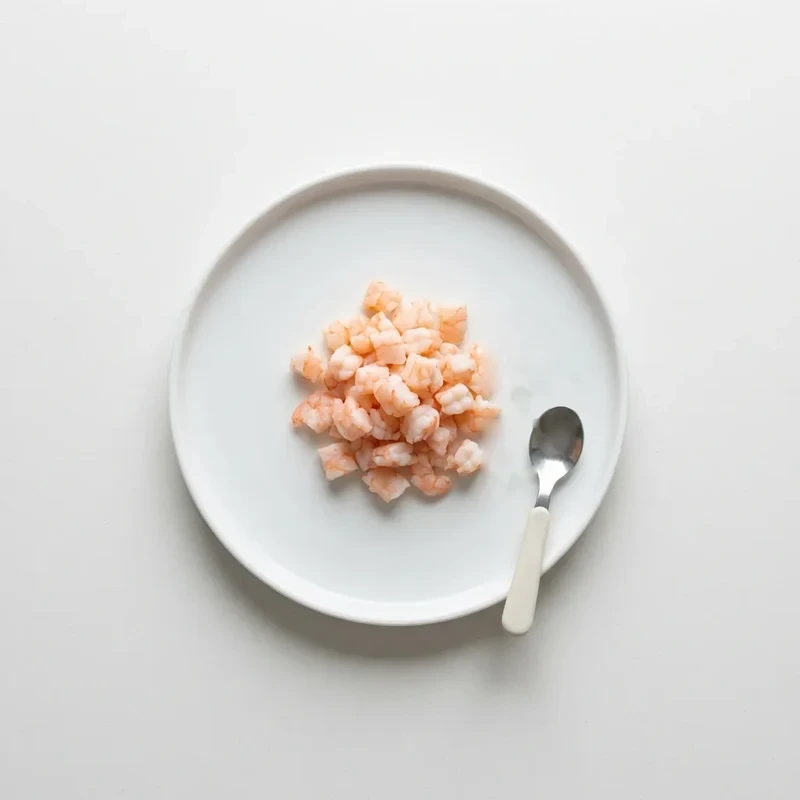
Shrimp
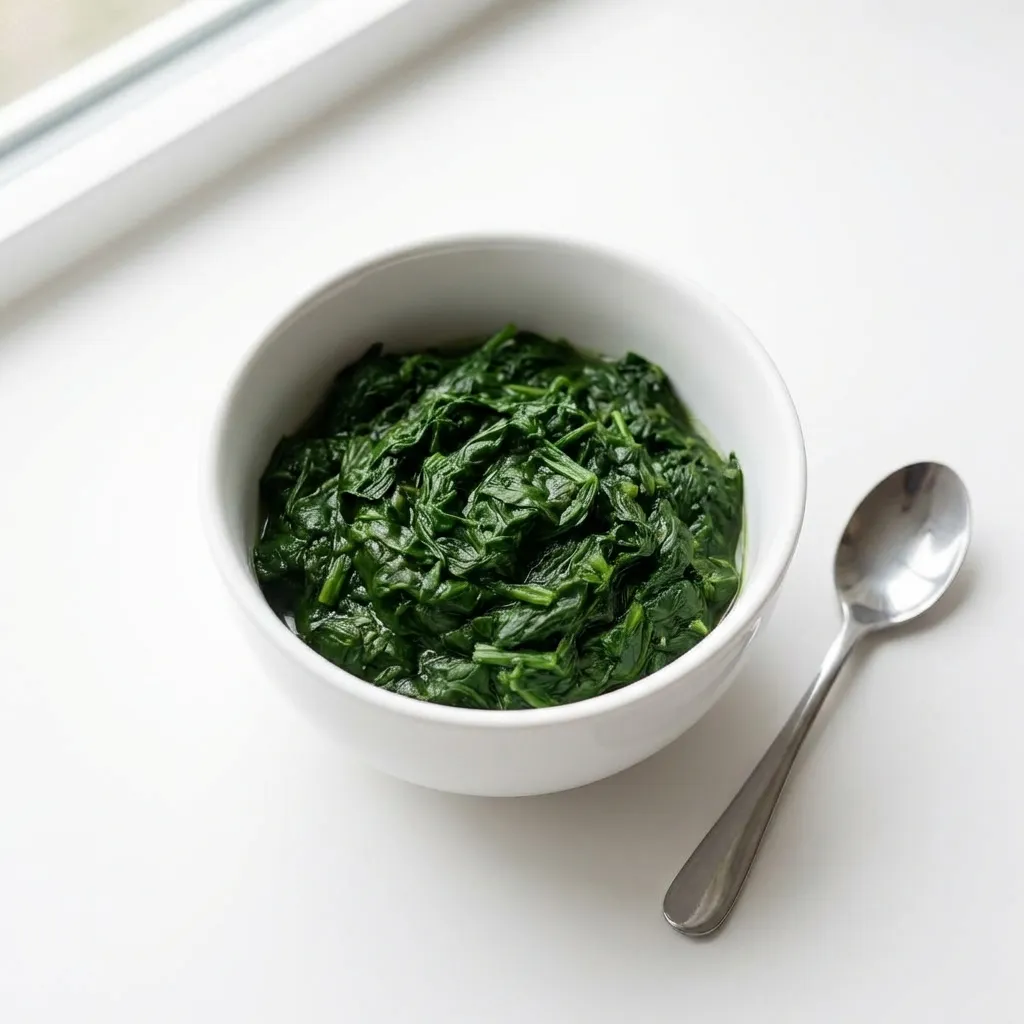
Spinach
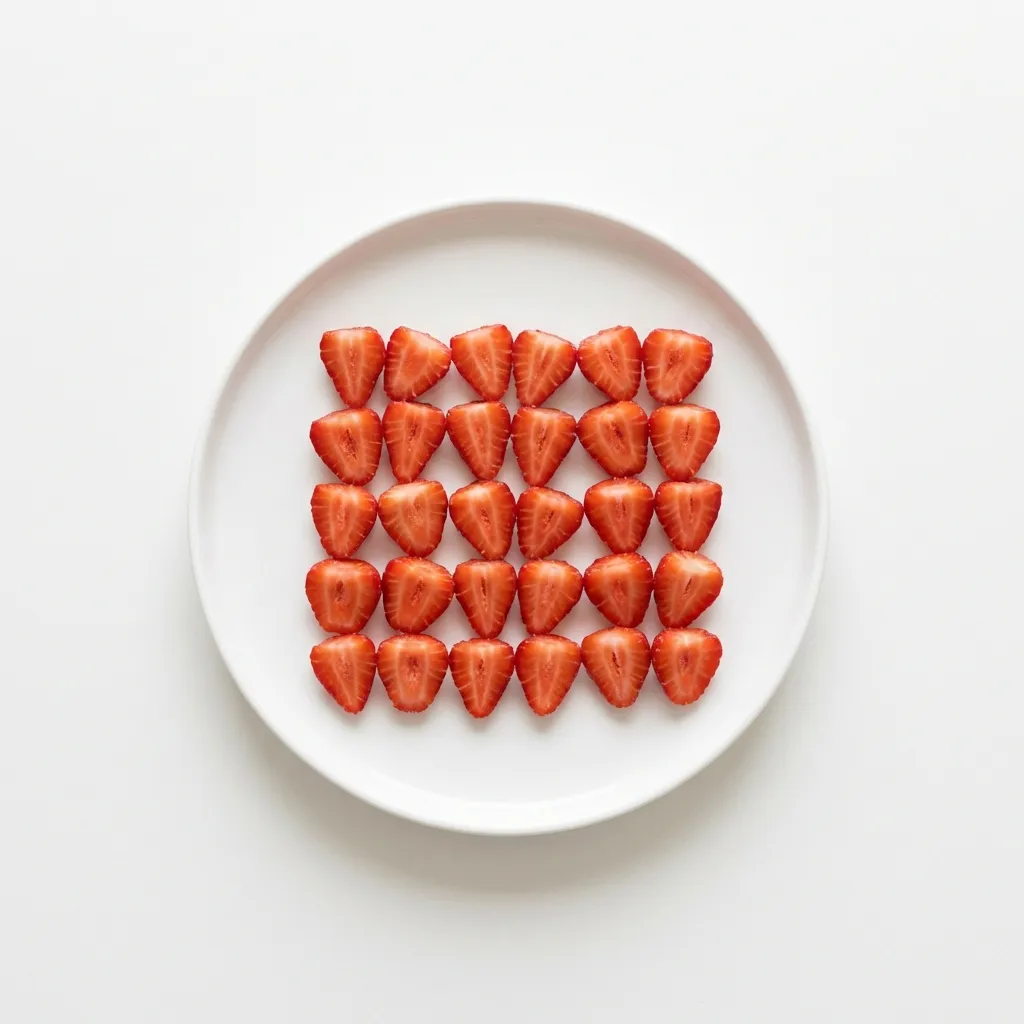
Strawberry
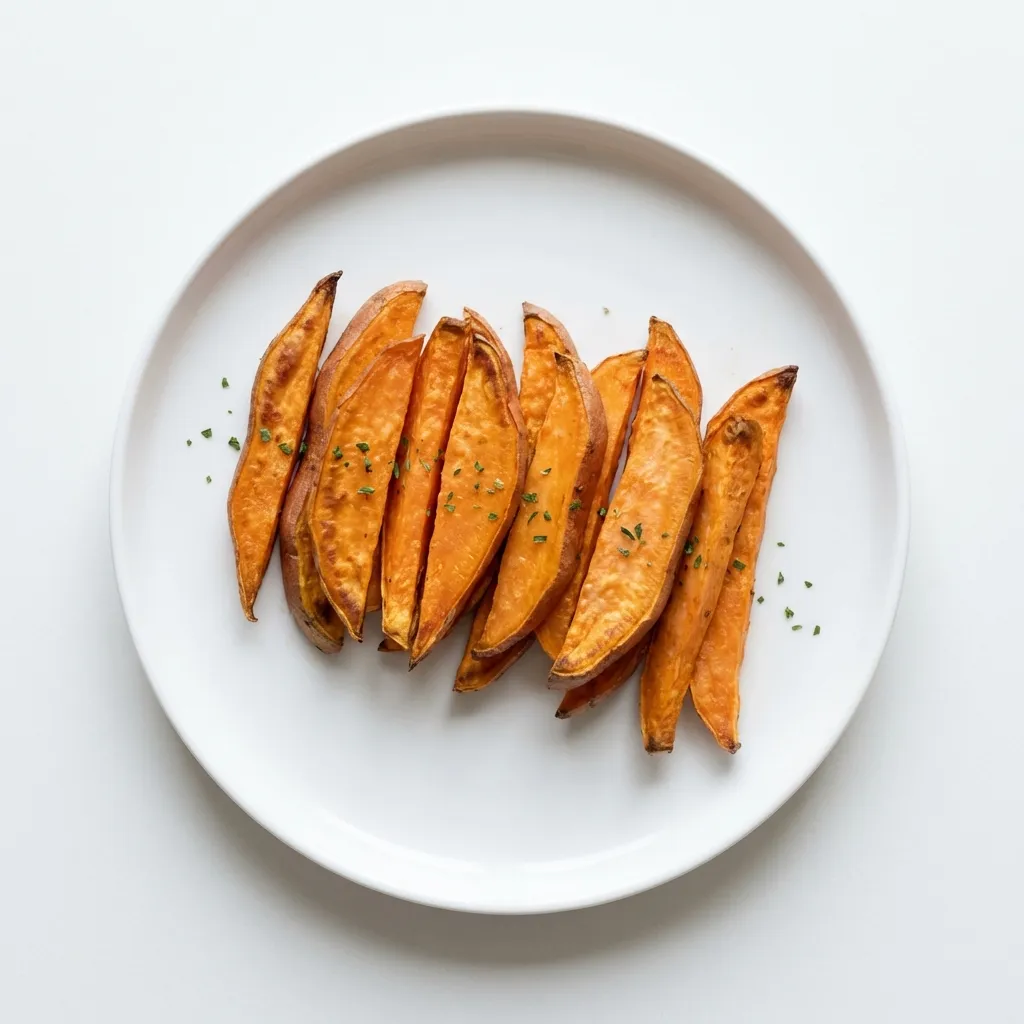
Sweet Potato
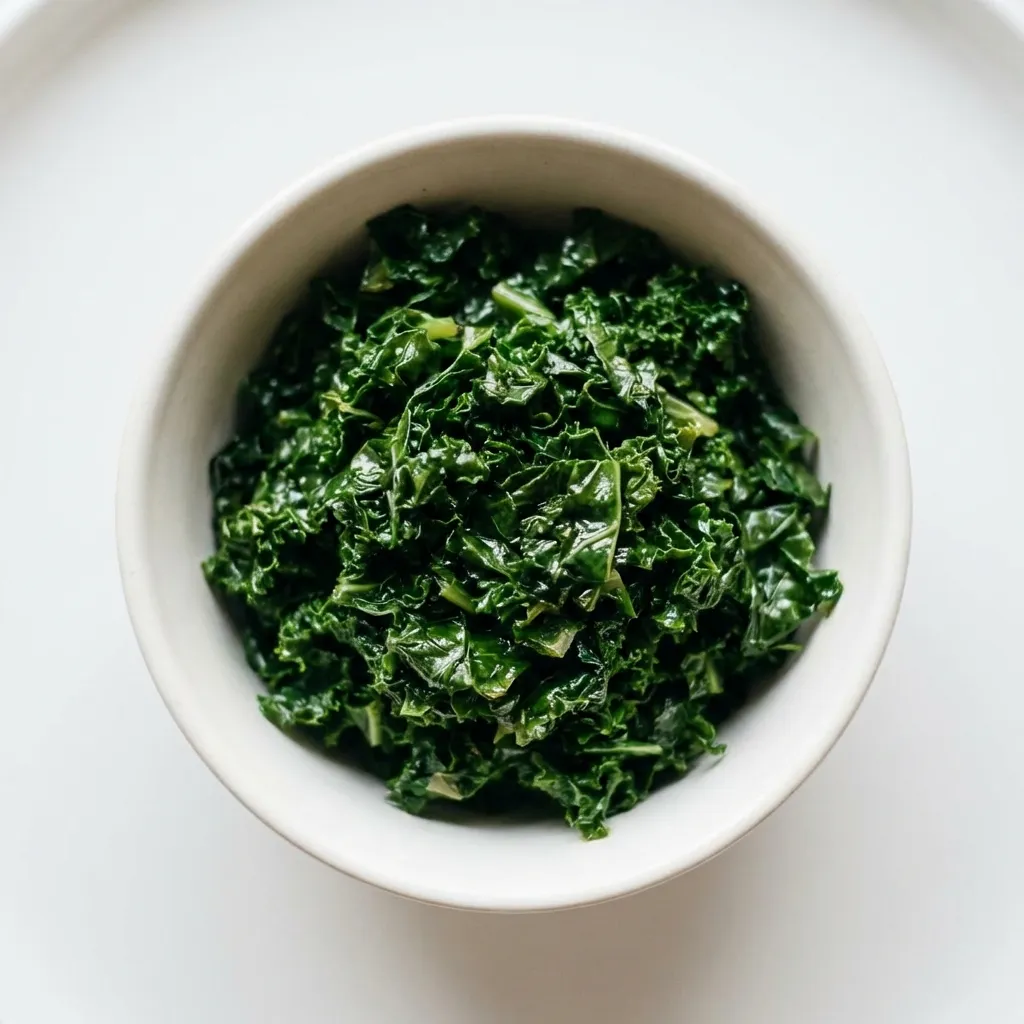
Swiss Chard
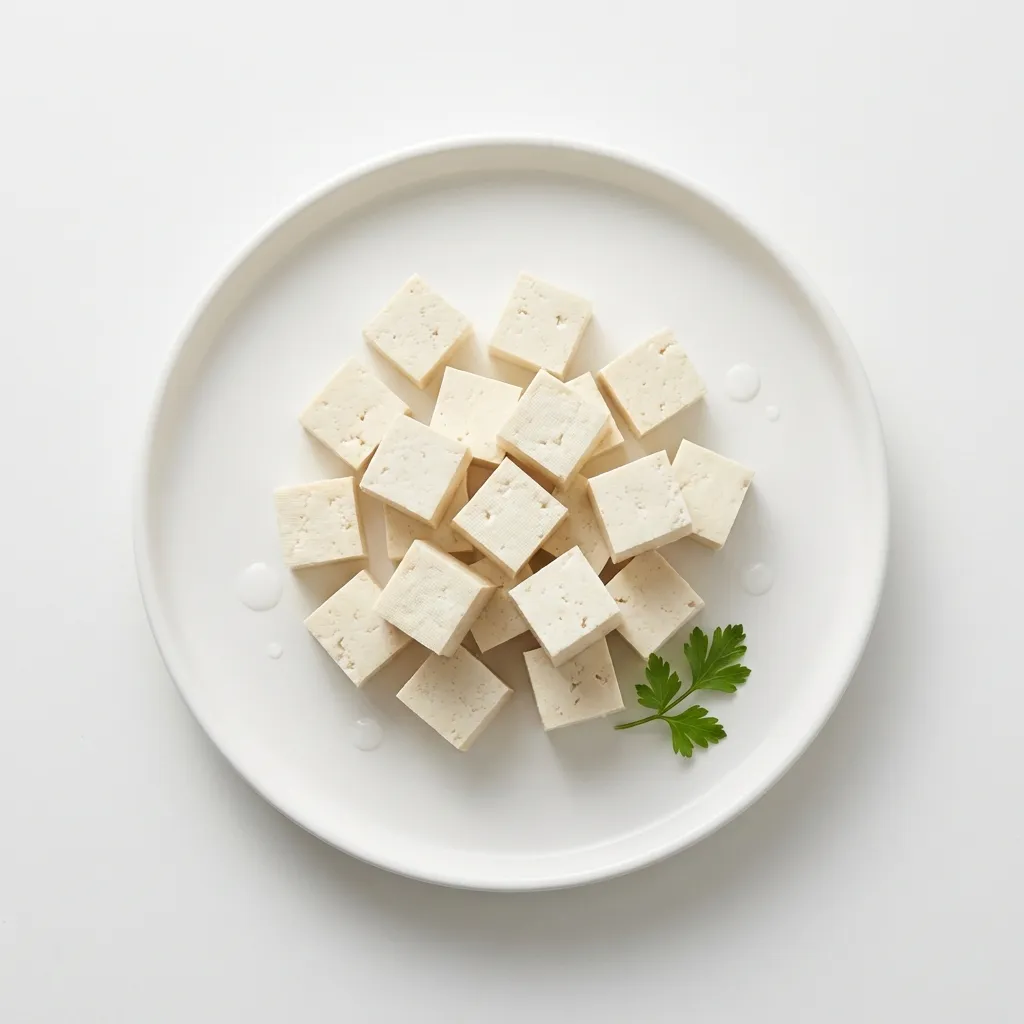
Tofu
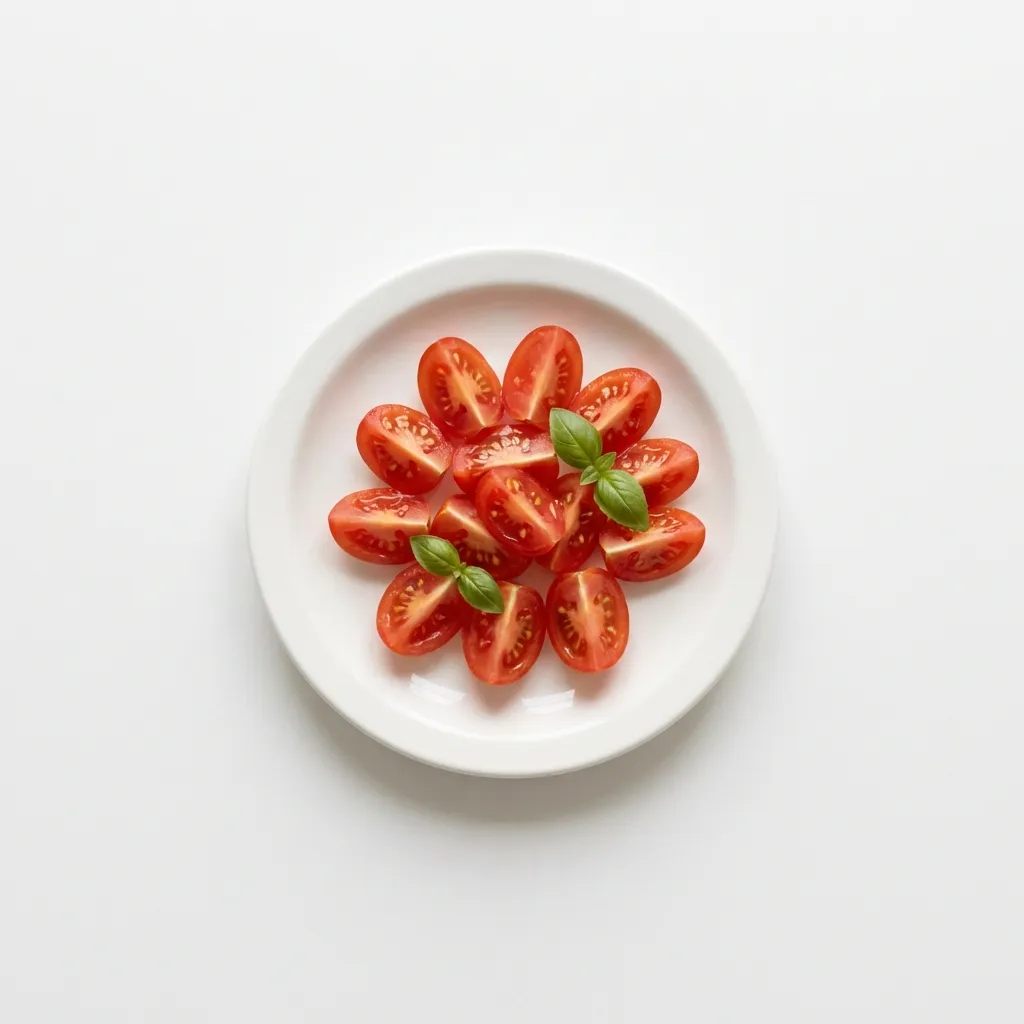
Tomato
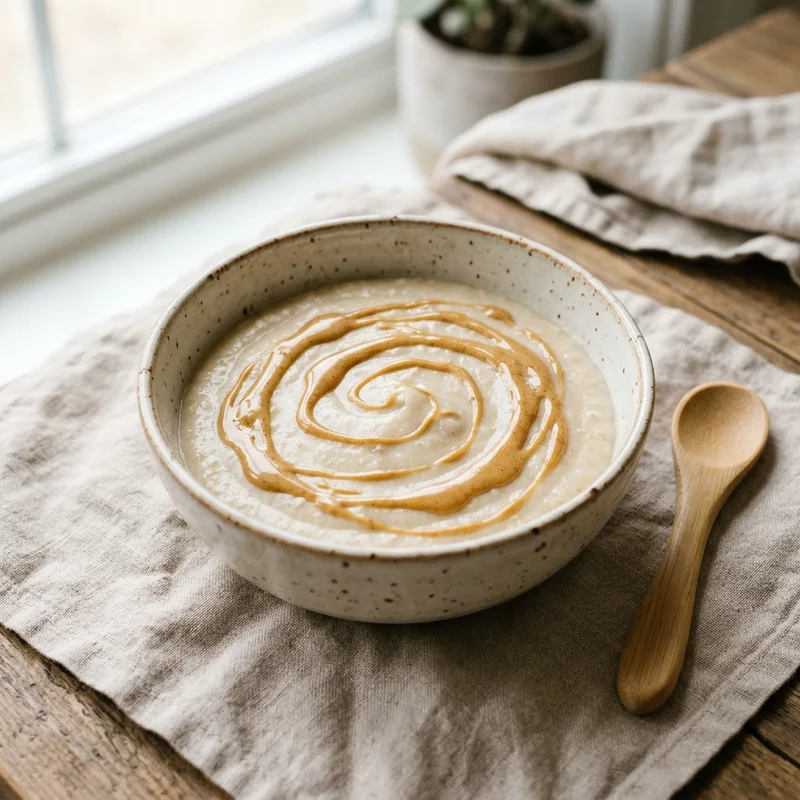
Tree Nuts
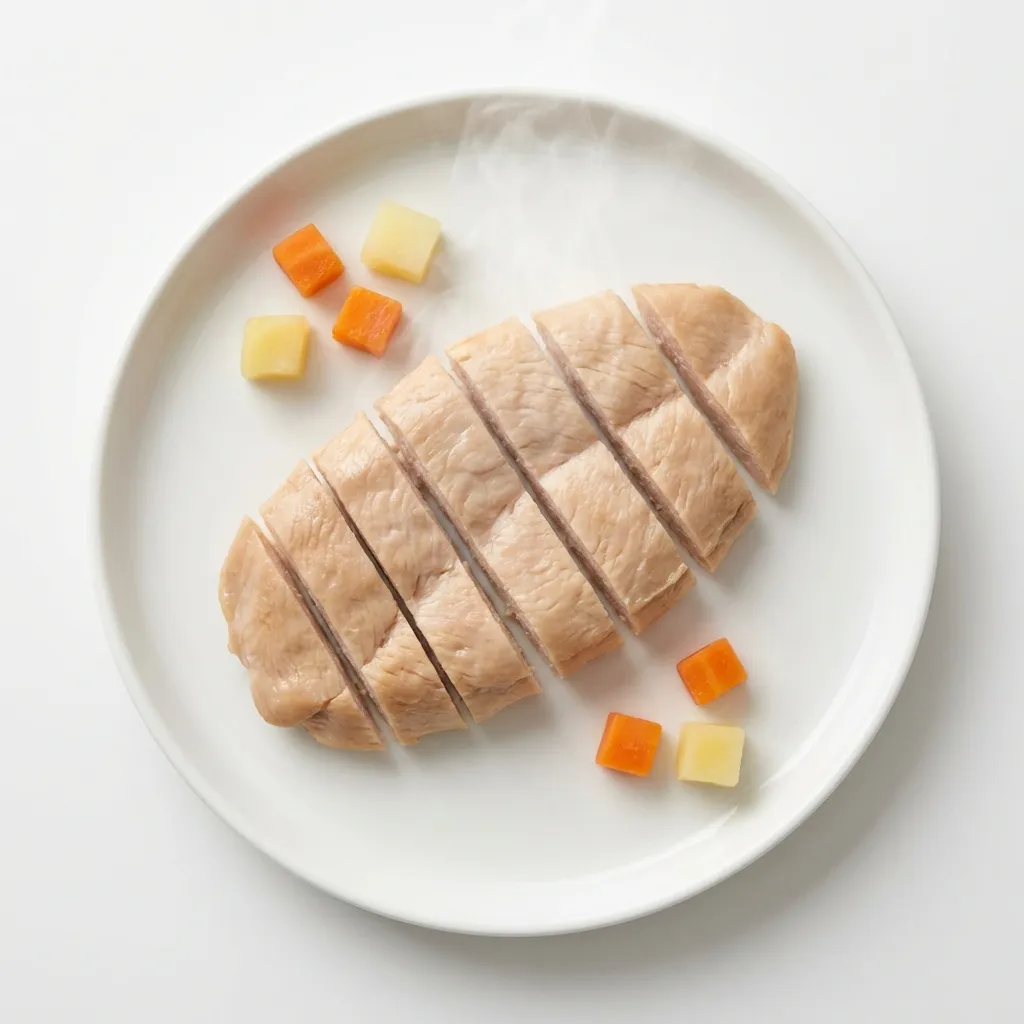
Turkey
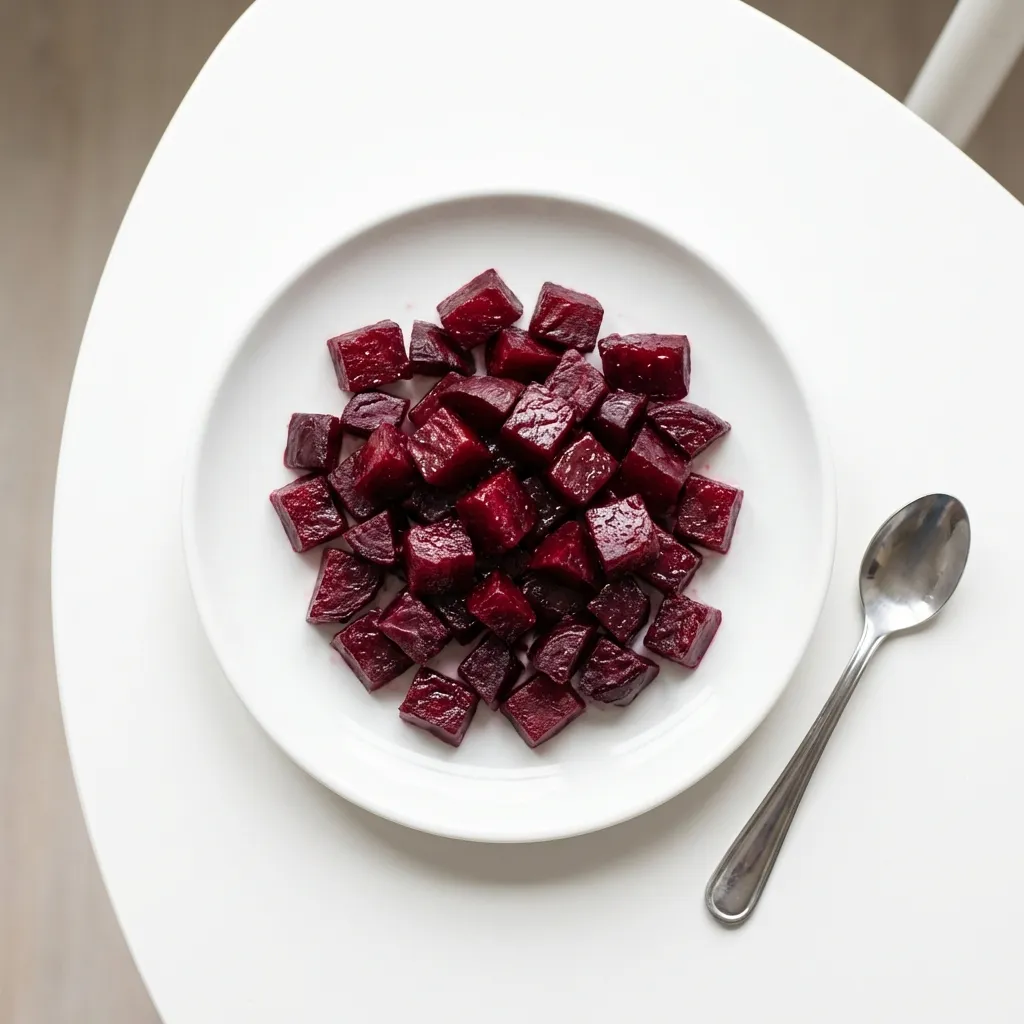
Turnip
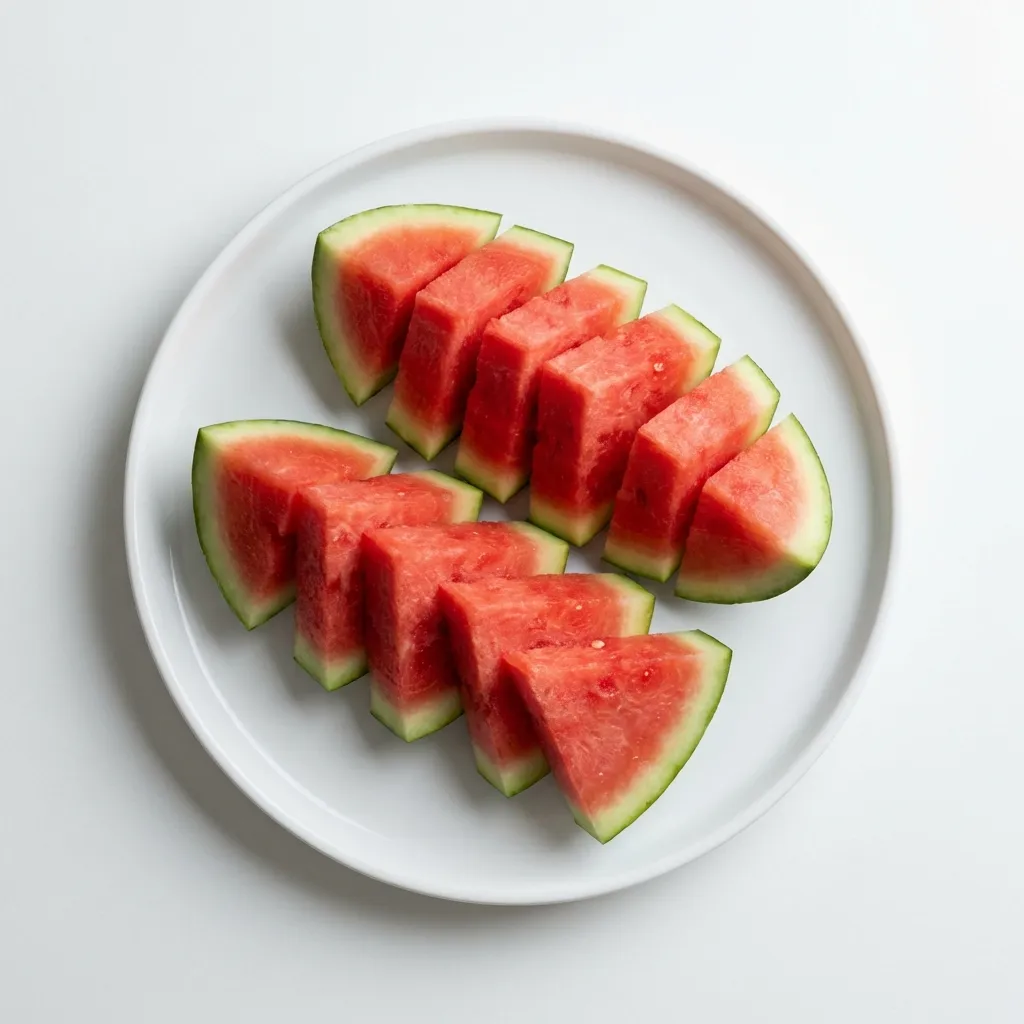
Watermelon
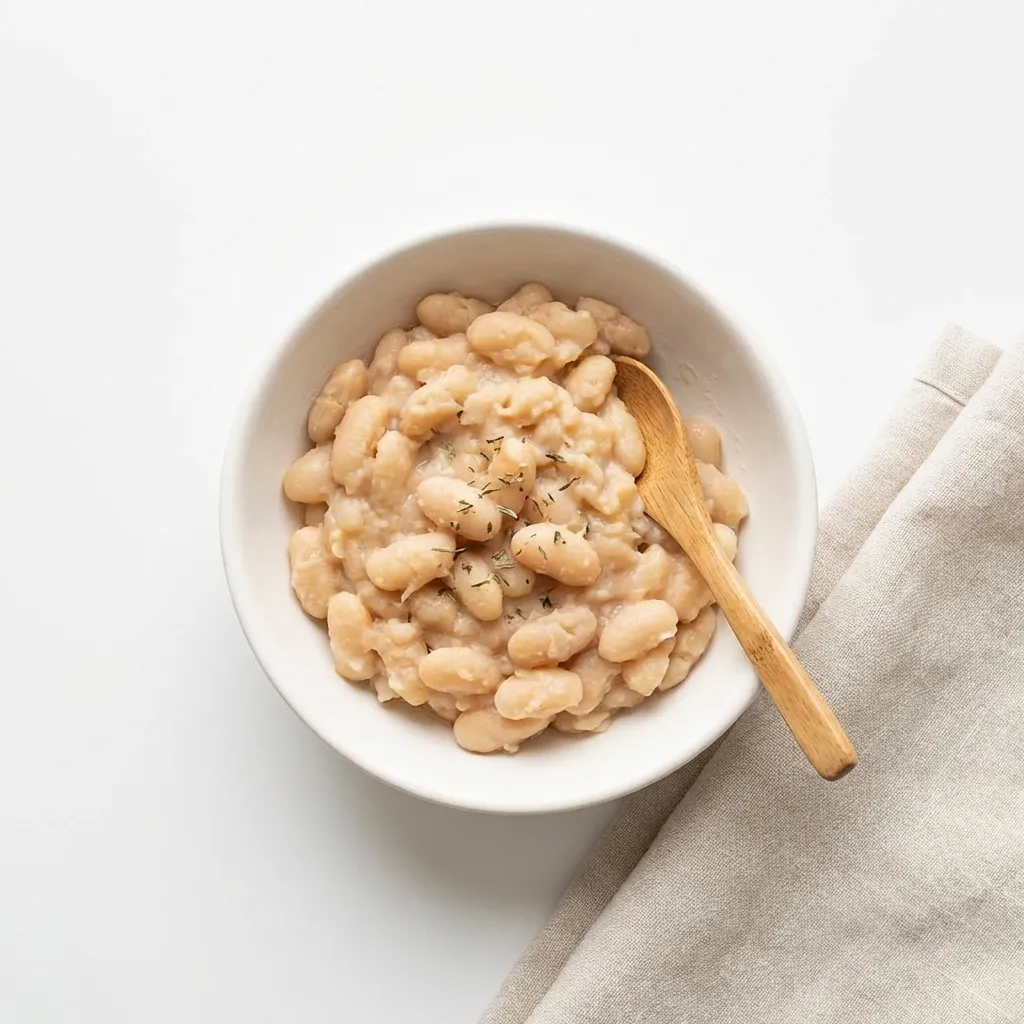
White Beans
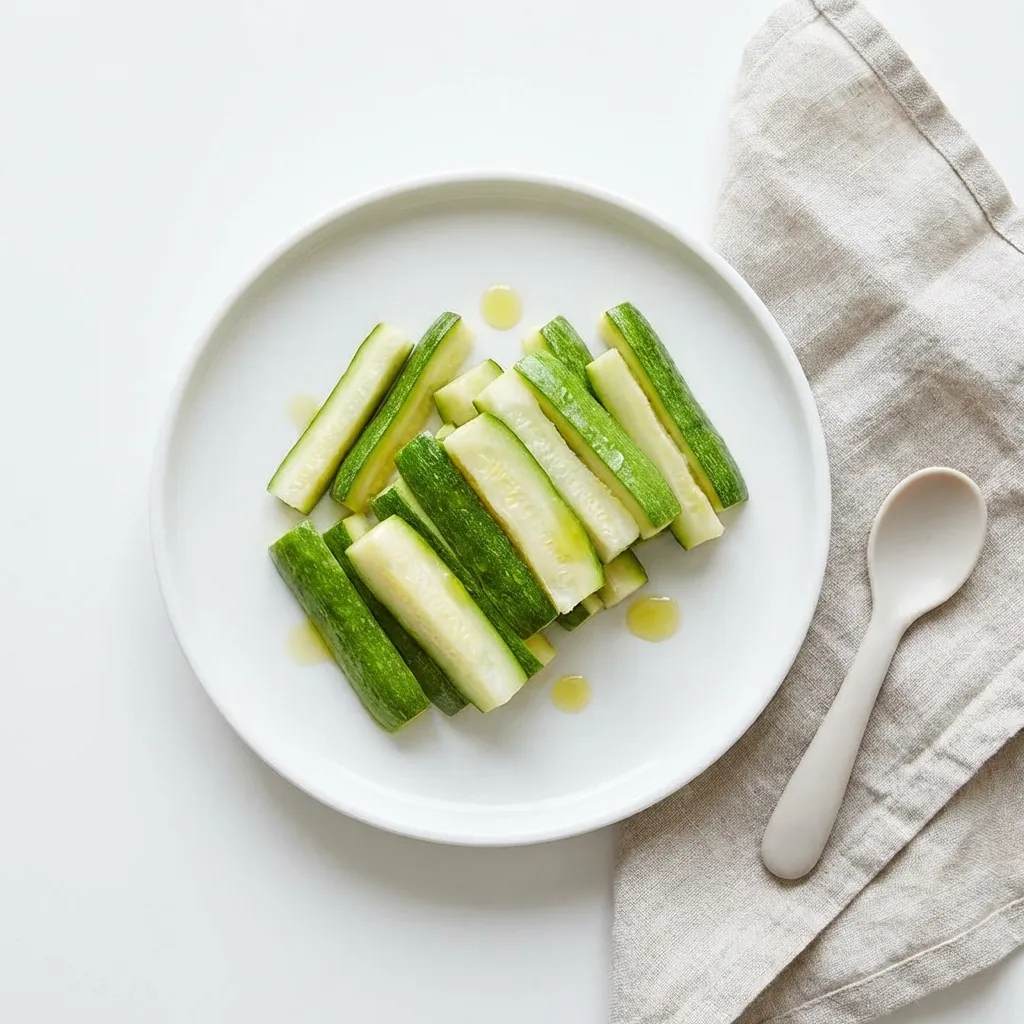
Zucchini
Frequently Asked Questions
Answers synthesized from CDC, AAP, Health Canada, Canadian Paediatric Society, Alberta Health Services, NHS, and WHO references.
How do I know if my 6-month-old is ready for solid foods?
CDC, AAP, and Health Canada highlight four key signs: sitting upright with minimal support, strong steady head and neck control, bringing hands or toys to the mouth accurately, and leaning forward with interest when others eat rather than pushing all food out with the tongue.
Should I start with purees or finger foods at 6 months?
Both approaches—and a combination of smooth/lumpy mashes plus soft palmar-grasp spears—are supported when prepared safely. For self-feeding at 6–8 months, offer soft pieces about the length and width of two adult fingers so baby can grip with a whole fist without swallowing a coin-sized piece.
How much solid food does a 6-month-old actually eat?
At 6 months, solids are complementary practice alongside breast milk or infant formula. Start with 1–2 teaspoons to 1–2 tablespoons once a day and follow your baby’s hunger and fullness cues rather than aiming for an empty bowl.
Can 6-month-olds try common allergenic foods right away?
Yes. AAP, NIAID, Health Canada, and CPS all recommend introducing common allergens (like well-cooked egg, thinned smooth peanut butter, plain yogurt, fish, and soy) in baby-safe textures around 6 months. Check with your child’s pediatrician first if your baby has severe eczema or a known food allergy.
Explore More Feeding Hubs
Browse by Age Stage & Safety Priority
9-Month Finger Foods
Age Stage · 9–12 Months
Iron-Rich Foods
Nutrient Priority · Iron-First
Top 9 / 11 Allergens
Allergy Safety · US Top 9 & CA Priority 11
BLW Finger Foods
Self-Feeding · BLW Shapes
Choking Hazards
Safety Priority · Modify Before Serving
Official Public-Health Sources Cited
- Centers for Disease Control and Prevention (CDC):When, What, and How to Introduce Solid Foods
- American Academy of Pediatrics / HealthyChildren.org:Starting Solid Foods
- Health Canada:Nutrition for Healthy Term Infants: 6 to 24 Months
How to Use This Information
This content summarizes official health guidelines from CDC, American Academy of Pediatrics, and Health Canada. We organize their recommendations—we don't create our own. Official guidelines are general; your child's needs may differ.
⚠️ Important:
- •Always consult your pediatrician before introducing new foods, especially if your child has a history of allergies, medical conditions, or special dietary needs.
- •Every child is different. Readiness for foods varies by individual development, not just age.
- •In emergencies, call 911 or your local emergency number immediately.
Based on guidelines from: